Are you building a wall and wondering how tall it can be before you need an anchor? Knowing the right height to add anchors is crucial for keeping your wall strong and safe.
If you skip this step, your wall might crack, lean, or even collapse. You’ll discover exactly when and why anchors become necessary, helping you avoid costly mistakes and build with confidence. Keep reading to make sure your wall stands tall and steady for years to come.
Credit: www.walmart.com
Wall Height And Stability
Wall height plays a key role in the stability of any structure. Taller walls face more pressure from wind and soil. This pressure can cause walls to lean or crack without proper support. Anchors help keep these walls steady and safe. Understanding when a wall needs an anchor depends mainly on its height and the forces it must resist.
Factors Affecting Wall Stability
Several factors influence how stable a wall remains over time. Soil type is important; loose soil puts more pressure on walls. Water drainage around the wall also matters. Poor drainage increases soil weight and pressure. Wind load adds stress on tall walls, pushing against them. The material used for the wall affects strength. Concrete and stone walls handle pressure better than wood. The wall’s design and thickness also change its ability to stay upright. All these factors decide if anchors are necessary.
Common Wall Heights Requiring Anchors
Short walls under 3 feet usually do not need anchors. These walls face less pressure and stay stable alone. Walls between 3 and 6 feet often need some support. Anchors help resist soil and wind pressure. Walls taller than 6 feet almost always require anchors. Without anchors, tall walls risk falling or cracking. Local building codes often set exact height limits for anchoring. Checking these rules ensures walls stay safe and sound.
Types Of Wall Anchors
Choosing the right wall anchor is crucial for strong, safe walls. Different walls need different anchors. This section explains the main types of wall anchors. Each type fits specific wall materials and load needs. Knowing these helps you pick the best anchor for your project.
Mechanical Anchors
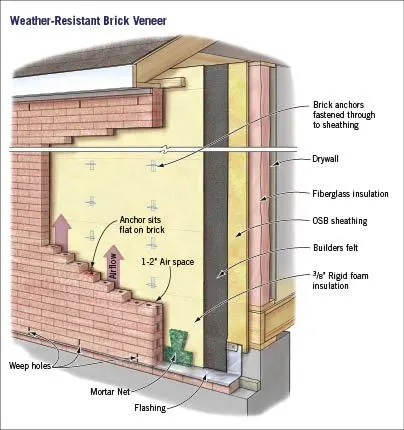
Mechanical anchors hold by expanding inside the wall. They fit tightly in drilled holes. Common types include sleeve anchors and wedge anchors. These anchors work well in concrete and brick walls. They provide strong, reliable support for medium to heavy loads. Installation is simple with basic tools.
Chemical Anchors
Chemical anchors use special resin or epoxy to bond the anchor to the wall. The resin hardens and grips the anchor firmly. These anchors suit cracked or weak concrete. They offer high strength and resist vibrations. Chemical anchors require careful mixing and curing time before loading.
Specialty Anchors For Tall Walls
Tall walls often face greater pressure and wind loads. Specialty anchors are designed to handle these extra forces. Examples include tiebacks and soil anchors. These anchors secure the wall deep into stable ground. They improve wall stability and prevent tipping or shifting. Proper design and installation are key for safety.
Building Codes And Regulations
Building codes and regulations play a key role in deciding how tall a wall needs an anchor. These rules keep structures safe and strong. They guide builders on proper construction methods and materials.
Following these codes helps avoid wall damage or collapse. It also ensures safety for people and property near the wall. Understanding local and international rules is important before starting any wall project.
Local Code Requirements
Every area has its own building codes. Local governments set these rules based on climate and soil conditions. These codes tell you the maximum wall height without anchors.
They also specify the type of anchors needed for taller walls. Checking with your local building office is crucial. They provide clear instructions and permits for wall construction.
International Standards
International standards offer guidelines for wall anchoring worldwide. These standards come from expert organizations. They help maintain safety and quality in building projects.
Builders use these standards when local rules are unclear or missing. They cover anchor spacing, materials, and installation methods. Following them improves wall durability and resistance to forces.
Inspection And Compliance
Inspections ensure walls meet building codes and safety rules. Inspectors check wall height, anchor type, and placement. They verify that construction follows approved plans.
Failing inspections can delay projects or require costly fixes. Compliance protects homeowners and builders from future problems. It confirms the wall is stable and secure for use.
Credit: www.jlconline.com
Material Considerations
Choosing the right anchor depends on the wall material. Different materials need different support levels. The strength and texture of the wall affect anchor type and height limits. Understanding these helps pick the best anchor for safety and durability.
Concrete Walls
Concrete is very strong and holds anchors well. Walls taller than 4 feet usually need anchors. Use heavy-duty anchors like wedge or sleeve types. These provide firm grip in solid concrete. Check for cracks or damage before installing anchors.
Brick And Masonry Walls
Brick and masonry walls have gaps and mortar joints. Anchors must avoid weak mortar areas. Walls above 3 feet often require anchors. Use anchors designed for hollow or solid bricks. Expansion anchors or sleeve anchors work well. Ensure the brick is in good condition.
Wooden Walls
Wood walls vary in strength by wood type and thickness. Walls taller than 6 feet usually need anchors. Use screws or lag bolts for strong hold. Avoid soft or rotting wood areas. Anchors must go into solid wood studs or posts for safety.
Installation Best Practices
Installing wall anchors correctly is key to building a strong, safe wall. Following best practices ensures your wall stays stable and lasts longer. This section covers important tips for placing anchors and avoiding common errors.
Proper Anchor Placement
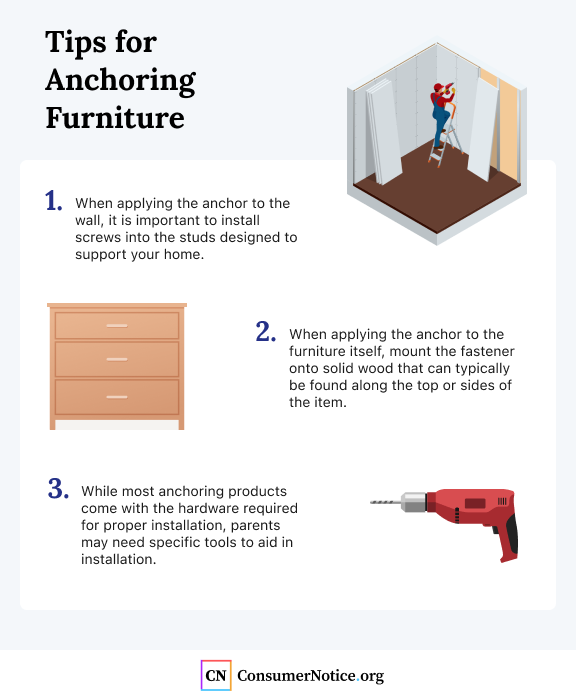
Place anchors near the wall’s base for better support. Space anchors evenly to distribute weight. Avoid placing anchors too close to edges. Anchors should go into solid material, not just drywall. Check wall height and load to decide anchor number and position.
Tools And Equipment Needed
Use a power drill with the right bit size for anchor holes. A level helps keep anchors straight. Measuring tape ensures correct spacing. Safety glasses protect your eyes during drilling. A hammer may be needed to tap anchors into place.
Common Installation Mistakes
Drilling holes too large weakens anchor hold. Placing anchors in weak spots causes failure. Over-tightening anchors can damage the wall. Skipping safety gear risks injury. Not checking wall material leads to wrong anchor choice.
Credit: www.consumernotice.org
Safety Risks Without Anchors
Walls need strong support to stay safe and stable. Without anchors, walls can fail and cause serious problems. Understanding the risks helps prevent accidents and damage.
Structural Failures
Walls without anchors can bend or crack easily. Strong winds or heavy loads put extra pressure on walls. Without anchors, the wall may lean or collapse. This weakens the entire structure. Safety is at risk without proper support.
Injury Hazards
Falling walls can hurt people nearby. Loose bricks or panels may drop suddenly. This causes cuts, bruises, or worse. Anchors keep walls firm and reduce these dangers. Protecting lives depends on solid wall support.
Property Damage
Unstable walls can damage nearby buildings or objects. Collapsing walls may break windows, fences, or cars. Repair costs rise after such accidents. Anchors help avoid costly damage. They keep property safe and secure.
Cost Implications
Cost is a key factor when deciding how tall a wall needs an anchor. Anchoring adds strength and safety. But it also adds expense. Understanding these costs helps plan your budget well. Costs vary by materials, labor, and upkeep. Each part plays a role in the total price.
Anchor Material Costs
Materials form the base cost of wall anchors. Steel anchors tend to cost more than plastic ones. Quality steel resists rust and lasts longer. Cheap materials may fail and cause repairs. Prices also depend on the size and type of anchor. Bigger walls need stronger, pricier anchors.
Labor And Installation Expenses
Installing anchors requires skill and time. Professionals charge by the hour or by the job. Difficult terrain or tall walls raise labor costs. Proper installation avoids future problems. Cutting corners on labor may lead to costly repairs later.
Long-term Maintenance
Anchors need checks to ensure they hold firm. Rust or damage reduces their strength. Regular maintenance prevents wall failure. Maintenance costs are smaller than replacement costs. Choosing durable materials lowers maintenance needs. Plan for these expenses over the wall’s life.
When To Consult A Professional
Knowing when to consult a professional is key for safe wall construction. Some walls need special care beyond basic rules. Experts help ensure stability and safety. They provide advice tailored to your project. Understanding when to ask for help can prevent costly mistakes.
Complex Wall Designs
Walls with unusual shapes or curves need expert help. Complex designs may require special anchors or supports. Professionals know how to handle these challenges. They design solutions to keep walls strong. This avoids future problems like cracks or collapse.
High-risk Environments
Walls in areas with strong winds or earthquakes need special attention. Soil type and weather conditions affect wall stability. Professionals assess these risks carefully. They recommend anchors that can withstand tough forces. This protects buildings and people nearby.
Custom Anchor Solutions
Standard anchors do not fit every wall or soil type. Some projects need custom anchor designs. Experts create anchors that match your wall’s needs. They ensure anchors hold firmly for long periods. Custom solutions improve safety and durability.
Frequently Asked Questions
How Tall Should A Wall Be Before Adding Anchors?
Walls taller than 8 feet usually require anchors for stability. Anchors help prevent bowing and cracking by securing the wall to the structure. Local building codes often specify exact height requirements for wall anchors.
What Types Of Walls Need Anchors For Support?
Masonry, retaining, and drywall walls often need anchors. Load-bearing walls usually require anchors to maintain structural integrity. Non-load-bearing walls may need anchors based on height and material.
Can Wall Anchors Prevent Cracks And Damage?
Yes, wall anchors reduce bowing and cracking by stabilizing walls. They distribute pressure evenly, minimizing stress on the wall surface. Properly installed anchors extend the wall’s lifespan and safety.
How Far Apart Should Wall Anchors Be Placed?
Wall anchors are typically spaced 4 to 6 feet apart. The spacing depends on wall height, material, and load conditions. Correct spacing ensures optimal support and prevents structural issues.
Conclusion
Walls taller than six feet usually need an anchor for safety. Anchors help keep walls stable and prevent damage. Choosing the right anchor depends on the wall’s height and material. Always check local building codes before starting any project. Proper anchoring saves money and avoids future repairs.
Remember, safety and stability come first with tall walls. Planning well makes your wall strong and long-lasting.