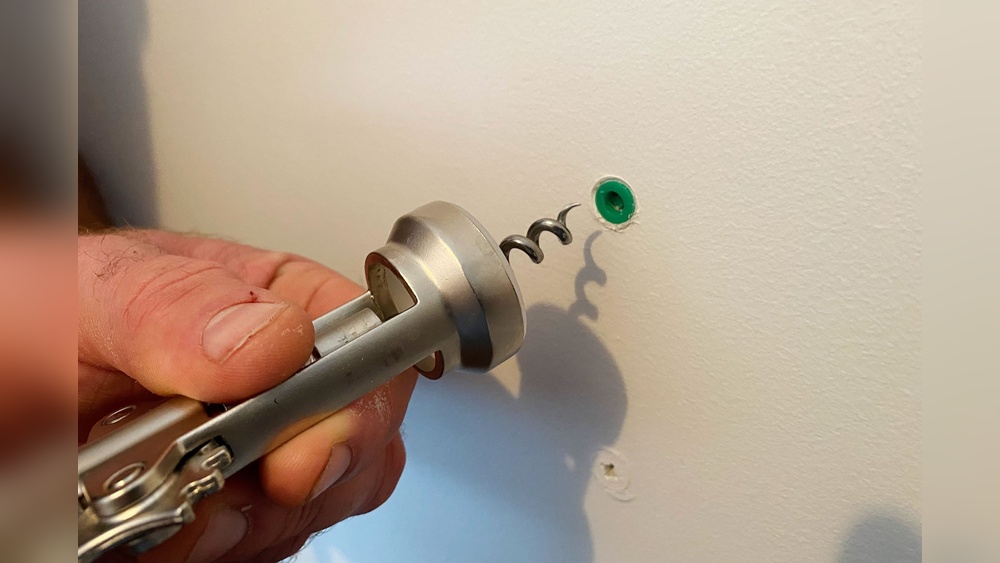
Are you wondering how to securely anchor to an ICF wall without damaging it? Whether you’re hanging heavy shelves, mounting fixtures, or installing cabinetry, knowing the right technique is crucial.
If you get it wrong, your anchors might fail, leaving your projects unstable and your walls compromised. This guide will give you clear, simple steps to anchor to your ICF wall safely and effectively. Keep reading to learn the secrets that professionals use to get a strong hold every time.
Your next project deserves nothing less than rock-solid support.
Choosing The Right Anchors
Choosing the right anchors for ICF walls is crucial for strong, lasting attachments. These walls are made of insulated concrete forms, which need special anchors. The wrong type can cause damage or fail to hold weight properly. Understanding which anchors work best helps ensure safety and durability.
Types Suitable For Icf Walls
ICF walls require anchors designed for concrete and foam layers. Sleeve anchors, wedge anchors, and epoxy anchors fit well. Sleeve anchors expand in concrete for a firm hold. Wedge anchors work by gripping tightly inside the concrete. Epoxy anchors use glue to secure bolts in place. Avoid anchors made only for wood or drywall.
Material Compatibility
Choose anchors made from materials that resist rust and corrosion. Stainless steel and galvanized steel are good options. These metals last longer in damp or outdoor environments. Avoid anchors that can corrode quickly, as they weaken the hold. The anchor’s material must also work well with the concrete and foam mix.
Load Capacity Considerations
Check how much weight the anchor can support before installation. Each anchor has a load capacity rating, usually in pounds or kilograms. Match this rating to the weight of the object you plan to hang. Overloading anchors can cause failure and damage to the wall. Always select anchors with a higher capacity than the actual load.
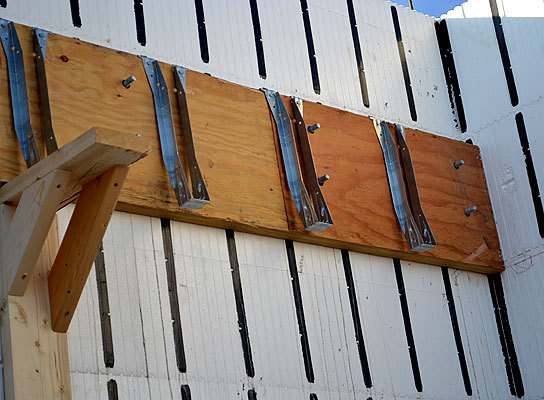
Credit: www.ana-white.com
Preparing The Icf Wall
Preparing the ICF wall is key to strong and safe anchoring. This step ensures anchors hold firm. Proper preparation avoids damage and saves time. Follow clear steps to prepare the wall before anchoring.
Locating The Reinforced Areas
Identify where the steel reinforcements are inside the ICF wall. These areas provide the best grip for anchors. Use construction plans or a metal detector to find them. Avoid drilling into foam alone as it is weak. Anchoring to reinforced parts keeps the structure stable.
Marking Anchor Points
Mark exact spots for drilling on the wall surface. Measure carefully to ensure anchors align with reinforcements. Use a pencil or chalk for clear, visible marks. Correct marking prevents misalignment and weak attachment. Double-check all marks before drilling.
Drilling Techniques
Use a drill with the right bit for concrete and steel. Start with a small pilot hole to guide the drill. Drill slowly to avoid cracking the foam or concrete. Clear dust from holes to help anchors fit tightly. Proper drilling ensures anchors hold securely in place.
Installing Anchors Securely
Installing anchors securely in an ICF (Insulated Concrete Form) wall is key to strong and safe attachments. Proper installation keeps fixtures stable and prevents damage to the wall. Careful steps help avoid weak spots and ensure the anchor holds well over time.
Step-by-step Fixing Process
First, choose the right anchor for the ICF wall type. Mark the exact spot for drilling. Use a drill with the correct bit size to make a clean hole. Drill slowly to avoid cracking the concrete. Clear out dust from the hole using a brush or air blower. Insert the anchor fully into the hole. Tighten it carefully until it is snug but not too tight. Test the anchor by gently pulling on it to check firmness.
Avoiding Common Mistakes
Do not drill holes too large or too small. Avoid using anchors meant for wood or drywall. Do not over-tighten anchors, or they may crack the wall. Avoid drilling too close to edges to prevent breakage. Never skip cleaning the hole before inserting the anchor. Avoid using weak or damaged anchors. These mistakes reduce the anchor’s holding power.
Ensuring Proper Embedment
Embed anchors deep enough into concrete for strong hold. Follow manufacturer’s recommended depth for each anchor type. Make sure the anchor is flush with the wall surface. Check that no gaps exist between the anchor and hole. Proper embedment stops the anchor from loosening or pulling out. It also spreads load evenly inside the wall.
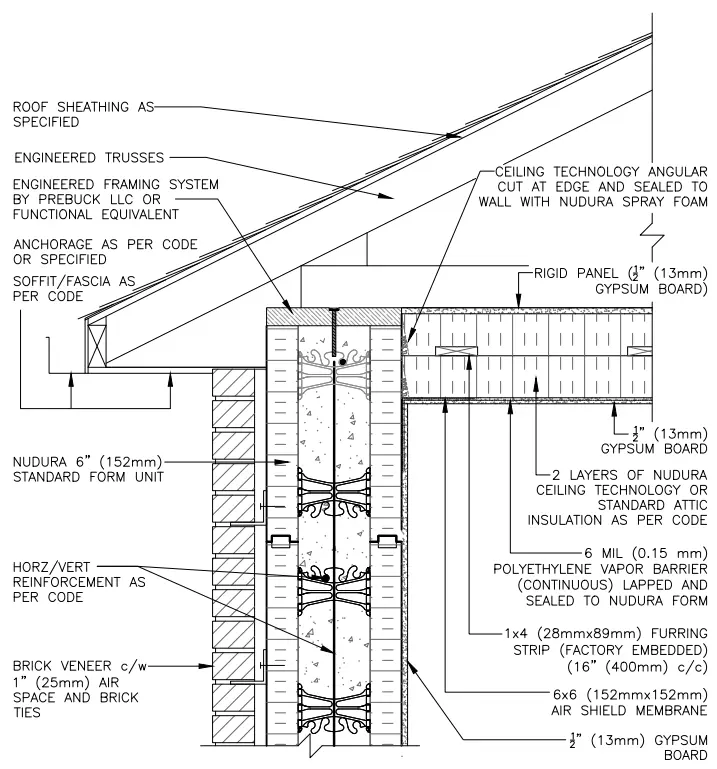
Credit: www.nudura.com
Testing Anchor Strength
Testing anchor strength is crucial to ensure your fixings hold firmly in ICF walls. Strong anchors keep structures safe and stable. Weak anchors can cause damage or failure.
Checking the strength helps you avoid costly repairs later. It also gives confidence in the construction quality. Use proper methods to test and inspect anchors carefully.
Methods For Load Testing
Load testing measures how much weight an anchor can hold. One way is to apply gradual force using a pull tester. This device pulls on the anchor until it moves or fails.
Another method uses weights hung from the anchor. Increase the weight step by step and watch for any movement. Record the maximum load the anchor supports without shifting.
Simple tools like spring scales work for small anchors. For larger anchors, use hydraulic or mechanical testers. Always follow safety rules during load testing.
Signs Of Secure Fixings
Secure anchors show no movement under load. The wall around the anchor stays intact without cracks or damage. Tightness remains consistent after testing.
Check for rust or corrosion on metal parts. Clean and replace any damaged anchors. Tight bolts and no wobbling indicate good fixings.
Listen for unusual sounds during load tests. Creaking or popping may signal a weak connection. Inspect anchors carefully if any signs appear.
When To Reinstall Or Reinforce
Reinstall anchors if they move or loosen during testing. Reinforce if the wall shows cracks or damage near anchors. Use stronger anchors or additional support.
Replace corroded or worn anchors immediately. Weak anchors reduce overall wall strength. Reinforcement may include using epoxy or adding backing plates.
Regularly test anchors after heavy loads or over time. Early action prevents accidents and costly fixes. Keep your ICF walls secure and safe.
Maintenance And Longevity
Maintaining anchors in ICF walls is key to keeping structures safe and strong. Proper care helps prevent damage and extends the life of the anchors. Regular attention saves money and avoids costly repairs later.
Good maintenance ensures the anchor stays firmly in place. It also protects against weather and wear. This section covers simple steps to keep your anchors durable and reliable.
Inspecting Anchors Regularly
Check anchors often for any signs of wear or damage. Look for cracks, rust, or loose fittings. Catch problems early to fix them before they get worse. Use a flashlight and a mirror to see hard spots. Note any movement or unusual gaps around the anchor.
Preventing Corrosion
Corrosion weakens anchors and can cause failure. Use anchors made from rust-resistant materials like stainless steel. Apply protective coatings if needed. Keep the wall dry to reduce moisture buildup. Clear any dirt or debris around anchors to avoid trapping water. Cover exposed metal parts with sealant for extra protection.
Upgrading Fixings Over Time
Technology and materials improve over time. Replace old anchors with newer, stronger versions when possible. Upgrading fixings helps keep your building safe. Review anchor specifications during renovations or inspections. Choose anchors that meet current safety standards. Changing anchors may require professional advice or help.
Safety Tips And Best Practices
Anchoring to an ICF wall requires care and attention to safety. Following the right tips and practices protects workers and ensures strong, lasting results. Proper preparation and caution reduce risks on site.
Using Proper Tools
Use tools designed for ICF walls. They fit the materials and make the job easier. Sharp drills and anchors help avoid cracks and damage. Keep tools clean and in good shape. Dull or wrong tools cause accidents and poor results.
Personal Protective Equipment
Wear safety glasses to protect eyes from dust and debris. Gloves guard hands from sharp edges and rough surfaces. Use ear protection when drilling or hammering. Hard hats keep the head safe from falling objects. Safety boots prevent foot injuries on rough ground.
Following Manufacturer Guidelines
Read and follow all instructions from the anchor and ICF producers. Each product has specific steps for safe use. Use the recommended anchor size and type for your wall. Do not skip any steps or use substitute parts. This ensures the wall stays strong and safe.

Credit: up.codes
Frequently Asked Questions
What Tools Are Needed To Anchor To Icf Walls?
You need a drill with a masonry bit, anchor bolts or screws, a hammer, and a level. These tools help ensure secure and accurate anchoring to ICF walls.
Can I Use Regular Anchors On Icf Walls?
No, regular anchors often fail in ICF walls. Use specialized anchors designed for foam and concrete for a strong hold.
How Deep Should Anchors Be Embedded In Icf Walls?
Anchors should be embedded at least 2 to 3 inches into the concrete layer behind the foam for maximum strength.
Is It Safe To Drill Into Icf Walls?
Yes, drilling is safe if done carefully. Avoid hitting embedded rebar or electrical conduits inside the ICF wall.
Conclusion
Anchoring to an ICF wall is simple with the right steps. Choose the correct anchors for strong support. Drill carefully to avoid cracking the wall. Tighten anchors just enough to hold firmly. Check your work to ensure safety and durability.
This method saves time and keeps your wall intact. Practice these tips for a secure and lasting hold. Trust the process and build with confidence.