If you own a Denali, knowing how to use a floor jack safely and effectively is a must. Whether you need to change a tire or do some quick maintenance, using the right tools makes the job easier and protects your vehicle.
In this guide, you’ll learn simple steps to lift your Denali with a floor jack without any hassle or risk. Keep reading, and soon you’ll feel confident handling this task on your own.
Choosing The Right Floor Jack
Choosing the right floor jack is important for safely lifting your Denali. This vehicle is large and heavy, so the jack must handle its weight. Picking the correct jack helps prevent accidents and damage. It also makes the job easier and faster. Consider the weight and type of jack before buying or using one.
Weight Capacity Considerations
Your Denali weighs over 5,000 pounds. Choose a floor jack with a weight capacity higher than this. A 3-ton (6,000 pounds) jack is a common choice. This gives extra safety margin during lifting. Using a jack with too low capacity is dangerous. It may fail or bend under the weight. Always check the jack’s label for its maximum weight limit.
Jack Types Suitable For Denali
Hydraulic floor jacks work well for Denalis. They lift heavy vehicles smoothly and stay stable. Steel body jacks offer strong build and durability. Low-profile jacks fit under the Denali’s frame easily. Avoid small, cheap jacks made for smaller cars. They lack the strength and height needed. Choose a jack designed for trucks or SUVs for better safety and performance.
Preparing Your Denali For Lifting
Preparing your Denali for lifting is a crucial step for safe and effective use of a floor jack. Proper preparation helps prevent accidents and damage to your vehicle. Follow these steps carefully to get ready before lifting your Denali.
Taking time to prepare ensures stability and safety throughout the process. Let’s break down the key tasks.
Parking On A Level Surface
Always park your Denali on flat, level ground. Avoid slopes or uneven terrain. This helps keep the vehicle steady when lifted. A level surface reduces the risk of the jack slipping or the vehicle rolling.
Engaging The Parking Brake
Set the parking brake firmly before lifting. This locks the wheels and stops movement. The parking brake adds an extra layer of safety while your Denali is raised.
Gathering Safety Equipment
Collect all necessary safety gear before starting. Use wheel chocks to block the wheels not being lifted. Wear gloves to protect your hands. Have jack stands ready to support the vehicle after lifting. Safety equipment is essential for a secure and accident-free process.
Locating The Jack Points
Knowing where to place the floor jack on your Denali is very important. Placing the jack in the right spots keeps the vehicle stable. It also prevents damage to the car’s frame or parts. Finding the correct jack points ensures a safe and smooth lifting process.
Manufacturer-recommended Lift Spots
Check the owner’s manual for the exact jack points. These spots are designed to hold the car’s weight safely. Usually, they are near the wheels on the frame or under the rocker panels. Using these spots helps the jack lift evenly without slipping. Do not guess the location. Follow the manufacturer’s guide for the best results.
Avoiding Damage To Vehicle Components
Avoid placing the jack under plastic parts or the exhaust system. These parts can break or bend easily. Keep the jack away from fuel lines and brake lines. Applying pressure there can cause leaks or failure. Always look for solid metal areas. This prevents costly repairs and keeps you safe during the lift.

Credit: www.jackgiambalvo.com
Positioning The Floor Jack
Positioning the floor jack correctly is important for safety and ease. It helps you lift the Denali without damage or accidents.
Knowing where and how to place the jack makes the process smooth. Follow simple steps to position the floor jack right.
Aligning With The Jack Point
Look under your Denali for the designated jack points. These spots are strong and made for lifting.
Place the floor jack saddle directly under the jack point. Make sure it touches the metal frame, not the body or plastic parts.
Check the alignment from different angles. Proper alignment stops slipping and keeps the vehicle safe.
Ensuring Stability Before Lifting
Set the floor jack on a flat, solid surface. Avoid soft ground or slopes that can cause the jack to tip.
Make sure the wheels of the jack do not move. Lock them if your jack has locks.
Before lifting, gently pump the jack up to test stability. The Denali should not shift or wobble.
Use wheel chocks on the opposite wheels for extra safety. This keeps the vehicle from rolling.
Lifting The Denali Safely
Lifting your Denali safely is key to avoid damage and injury. A floor jack helps raise the vehicle for repairs or tire changes. Follow clear steps to keep the process smooth and secure. Pay close attention to the vehicle and jack during the lift.
Operating The Jack Handle
Insert the jack handle into the floor jack securely. Pump the handle slowly to raise the jack. Watch the jack’s lifting arm as it moves upward. Do not rush. Stop pumping once the jack touches the Denali’s frame.
Ensure the handle is stable and steady. Avoid sudden movements that can tip the jack. Keep your hands and feet away from the moving parts.
Monitoring Vehicle Lift Height
Check the Denali’s height as you lift it. Stop lifting before the vehicle becomes unstable. Use the recommended lift points under the vehicle. These points prevent damage to the frame or body.
Lift just enough to fit the jack stands underneath. Avoid lifting higher than needed. Watch for any signs of slipping or tilting.
Using Jack Stands For Support
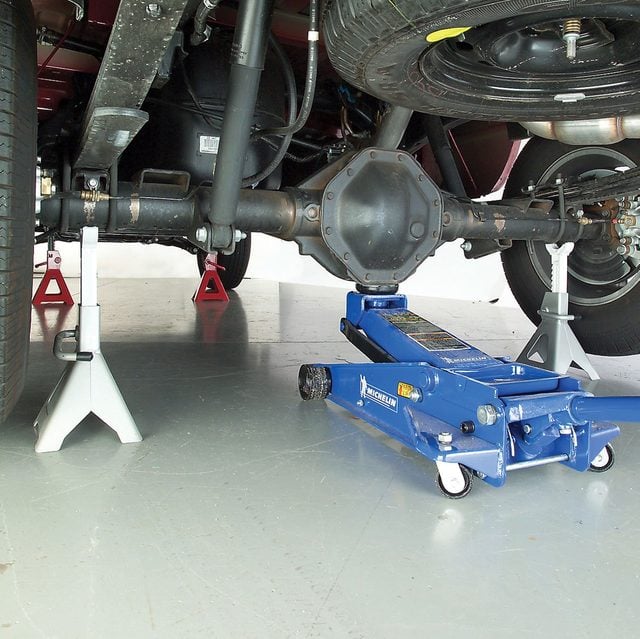
Place jack stands under strong frame parts near the lift points. Adjust the stands to the right height. Slowly lower the Denali onto the stands by turning the jack handle backward.
Make sure the vehicle rests firmly on the stands. Never rely on the floor jack alone for support. Jack stands keep the Denali stable while you work underneath.
Lowering The Vehicle Properly
Lowering your Denali properly after using a floor jack is very important for safety. Taking time to do it right prevents damage to your vehicle and avoids accidents. Follow the steps carefully to ensure a smooth and safe process.
Removing Jack Stands Carefully
Start by making sure the Denali is stable on the jack. Slowly remove the jack stands from under the vehicle. Keep your hands and feet clear of the stands. Set the stands aside in a safe place. Always double-check that the vehicle is fully supported by the jack before removing the stands.
Slowly Releasing The Jack Pressure
Turn the jack handle slowly to lower the vehicle. Do this step very gently to avoid sudden drops. Watch the Denali as it lowers to the ground. Stop if you feel any resistance or hear unusual sounds. Once the vehicle touches the ground, remove the jack completely. Store the jack safely for future use.
Common Mistakes To Avoid
Using a floor jack on your Denali requires care. Avoiding common mistakes keeps you safe and protects your vehicle. Many problems happen due to simple errors. Knowing what to avoid helps you lift your Denali smoothly and securely.
Overloading The Jack
Every floor jack has a weight limit. Your Denali is heavy. Check the jack’s capacity before lifting. Overloading can cause the jack to fail. This may damage the jack and hurt you. Always use a jack designed for your Denali’s weight.
Ignoring Safety Precautions
Safety is not optional. Never work under a Denali supported only by a jack. Use jack stands to hold the vehicle. Wear gloves and safety glasses. Keep the area clear of obstacles. Follow the manufacturer’s safety advice at all times.
Incorrect Jack Placement
Placing the jack in the wrong spot can cause damage. Find the proper lift points under your Denali. These are usually near the wheels or frame. Avoid soft or uneven ground. Make sure the jack is steady before lifting the vehicle.
Credit: www.familyhandyman.com
Maintaining Your Floor Jack
Maintaining your floor jack ensures it stays safe and works well. A well-kept floor jack lifts your Denali smoothly and lasts longer. Simple care routines prevent damage and costly repairs.
Regular Inspections
Check your floor jack before each use. Look for cracks, rust, or leaks in the hydraulic system. Test the lifting mechanism to ensure it moves smoothly. Tighten any loose bolts or nuts. Remove dirt and debris from the wheels and base. Early problem detection keeps the jack reliable and safe.
Lubrication And Storage Tips
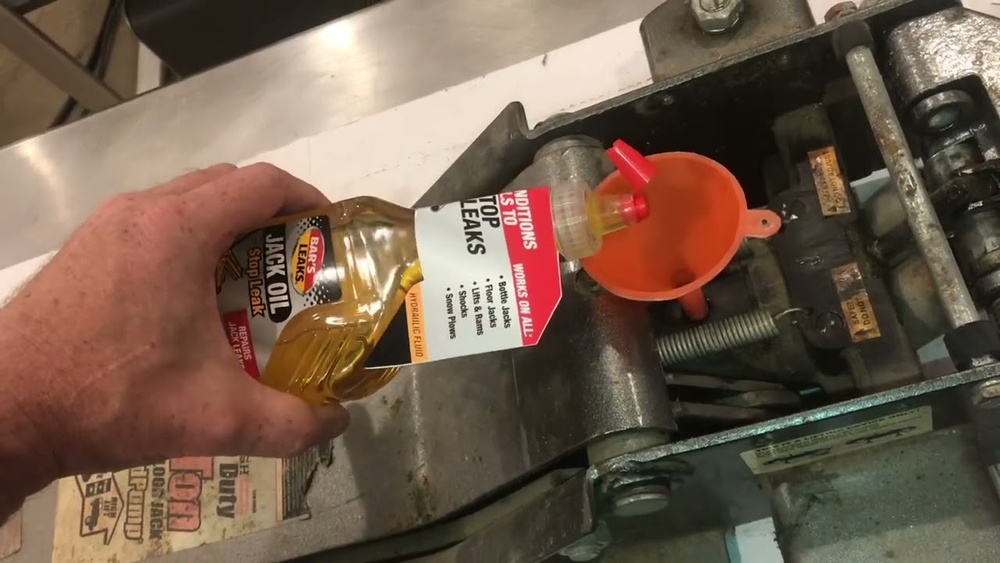
Keep all moving parts lubricated. Use light machine oil on wheels and joints. Avoid over-lubricating; too much oil attracts dirt. Store the floor jack in a dry place. Cover it to prevent dust buildup. Keep it on a flat surface to avoid oil leaks. Proper storage extends the jack’s life and readiness.

Credit: www.youtube.com
Frequently Asked Questions
How Do I Safely Position A Floor Jack On A Denali?
Place the floor jack under the Denali’s recommended jacking points. Ensure the vehicle is on a flat surface. Engage the parking brake. Use wheel chocks to prevent movement before lifting the vehicle to avoid accidents.
What Type Of Floor Jack Works Best For A Denali?
A heavy-duty hydraulic floor jack with a 3-ton capacity or more is ideal. It provides stability and support for the Denali’s weight. Ensure the jack has a wide saddle to fit the Denali’s frame.
How High Can I Safely Lift My Denali With A Floor Jack?
Lift the Denali just enough to change the tire or perform maintenance. Avoid raising it higher than necessary. Always use jack stands for added safety when working under the vehicle.
Can I Use A Floor Jack On Uneven Ground With My Denali?
No, avoid using a floor jack on uneven or soft ground. This can cause instability and increase accident risk. Always choose a solid, level surface before jacking up your Denali.
Conclusion
Using a floor jack on your Denali can be simple and safe. Always place the jack under the right spot to avoid damage. Lift the vehicle slowly and keep it steady. Never work under a car without proper support. Practice these steps to feel more confident.
Taking your time helps prevent accidents. Your Denali will stay safe during any repair. Remember, safety comes first in every task. Now, you can use a floor jack with ease and care.