Have you ever struggled to get your floor jack to lay flat when storing or using it? It’s frustrating when your tools don’t work as smoothly as they should, especially when you need them the most.
But what if you could fix this simple issue quickly and easily? You’ll discover step-by-step tips that help your floor jack lay flat every time. Keep reading, and you’ll save time, avoid damage, and make your work much easier. Let’s get started!
Common Causes Of Floor Jack Instability
Floor jack instability can cause accidents and damage. Knowing common causes helps fix the problem. Most issues come from parts, placement, or the surface. Understanding these causes lets you keep your jack safe and working well.
Worn Or Damaged Components
Floor jacks have parts that wear out over time. Worn seals, rusted pistons, or broken springs reduce stability. Damaged parts may cause the jack to sink or tilt. Regular checks and replacements keep the jack stable and safe.
Incorrect Jack Placement
Placing the jack in the wrong spot causes imbalance. Position the jack under strong, flat points of the vehicle. Avoid soft or angled areas that can make the jack slip. Proper placement ensures the jack stays steady during use.
Surface Irregularities
Uneven or soft surfaces affect jack stability. Dirt, gravel, or cracks create an unstable base. Always use the jack on hard, flat ground. Adding a wooden board under the jack helps on rough surfaces.

Credit: www.reddit.com
Preparing The Floor Jack For Adjustment
Preparing the floor jack for adjustment is a crucial step. It ensures the process is safe and effective. Proper preparation helps avoid damage and injury. Follow clear steps to get ready before making any changes.
Gathering Necessary Tools
Start by collecting all tools needed for the adjustment. Common tools include a wrench, screwdriver, and lubricant. Having everything ready saves time and effort. Check the floor jack manual for specific tool requirements. Keep tools within reach to work smoothly.
Safety Precautions
Safety is the top priority when adjusting a floor jack. Wear gloves to protect your hands. Use safety glasses to shield your eyes from debris. Work on a flat, stable surface to prevent slipping. Keep children and pets away from the work area. Double-check that the jack is not under load before starting.
Step-by-step Guide To Making Floor Jack Lay Flat
Making your floor jack lay flat improves safety and ease of use. A flat jack base ensures stability and proper function. Follow these simple steps to fix the jack and keep it working well.
Inspecting The Jack Base
Start by checking the jack’s base. Look for cracks, bends, or any damage. Clean dirt and debris from the base surface. Make sure the base is firm and not loose. A damaged base can stop the jack from laying flat.
Adjusting The Jack Feet
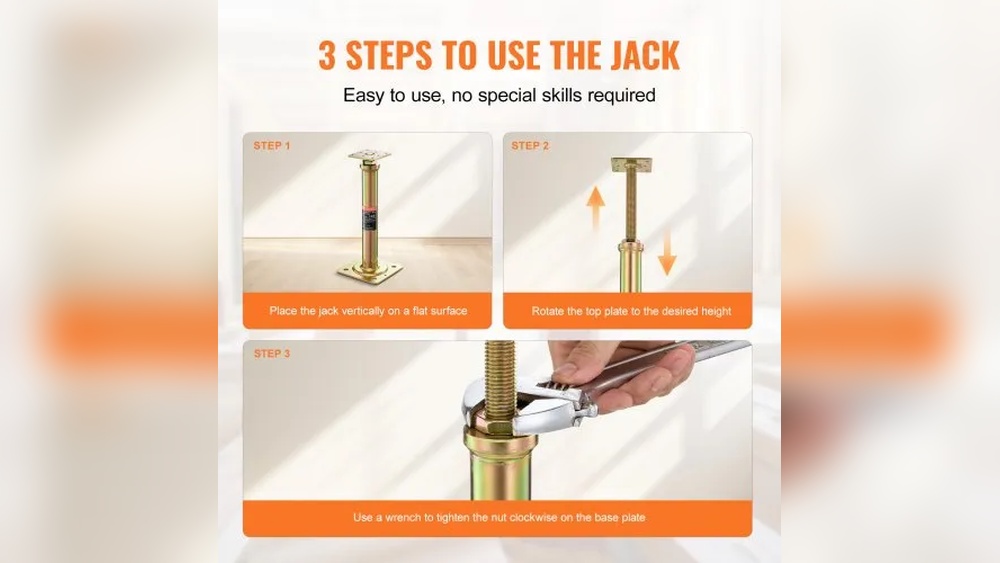
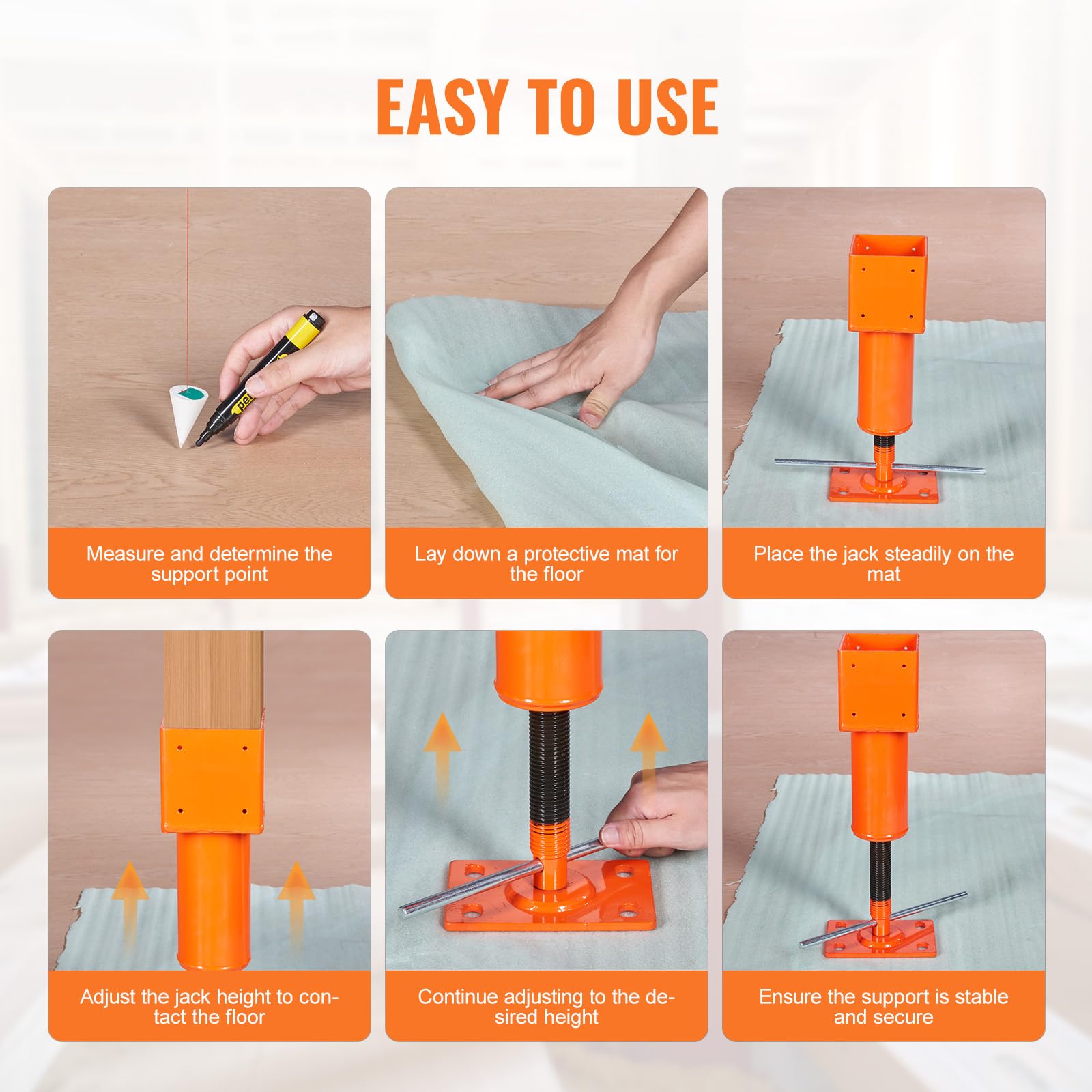
Next, check the feet of the jack. Some jacks have adjustable feet for balance. Turn the feet to the correct height and angle. Ensure all feet touch the ground evenly. This helps the jack to sit flat and stable.
Lubricating Moving Parts
Apply lubricant to the jack’s moving parts. Use a light oil or grease for joints and hinges. This reduces friction and allows smooth movement. Clean old grease or dirt before applying new lubricant. Smooth parts help the jack lay flat without resistance.
Checking Hydraulic Fluid Levels
Check the hydraulic fluid inside the jack. Low fluid can cause uneven lifting and tilting. Open the fill plug and look inside for fluid level. Add the recommended hydraulic oil if the level is low. Proper fluid helps the jack work evenly and lay flat.
Credit: bcmsuae.com
Testing Stability After Adjustment
Testing stability after adjustment is crucial to ensure your floor jack lays flat and works safely. It confirms the jack’s balance and strength under pressure. This step helps avoid accidents and damage during use.
Performing A Load Test
Place the floor jack under a sturdy object, like a car frame. Slowly lift the object to apply weight on the jack. Watch carefully as the load increases. The jack should hold steady without lowering or wobbling. Stop lifting if you see any unusual movement. This test checks if the jack supports weight evenly and stays flat.
Observing For Any Shifts Or Tilts
After lifting, look at the jack from all angles. Check if the base stays flat on the ground. Notice if the jack tilts to one side or moves forward or backward. Even small shifts can be dangerous. The jack must stay still and level. If you see any tilts, lower the jack and adjust it again. Repeat the test until it remains stable and flat.
Maintenance Tips To Keep Floor Jack Stable
Maintaining your floor jack is key to keeping it stable and safe to use. Regular care prevents problems and extends the jack’s life. Small efforts now save you from costly repairs later.
Regular Cleaning
Clean the floor jack after each use. Remove dirt, dust, and grease from moving parts. Use a damp cloth and mild detergent. Avoid harsh chemicals that can damage the surface. Clean parts move smoothly and prevent rust buildup.
Routine Inspections
Check your floor jack regularly for damage or wear. Look for cracks, leaks, or bent parts. Test the jack’s lifting and lowering functions. Tighten loose bolts and replace worn components. Early fixes keep the jack stable and reliable.
Proper Storage Practices
Store the floor jack in a dry, clean place. Keep it away from moisture to stop rust. Lower the jack fully before storing. Avoid placing heavy objects on it. Proper storage keeps the jack flat and ready for use.
When To Seek Professional Help
Knowing when to seek professional help is important for your floor jack’s safety and function. Some problems need expert care to avoid accidents or more damage. Acting early can save money and keep your jack working well.
Signs Of Severe Damage
Look for cracks or bent parts on the jack. Leaking oil or fluid means serious trouble. If the jack won’t lift or stay up, it may be broken inside. Strange noises or a jerky lift show hidden issues. These signs mean do not try fixing it alone.
Limitations Of Diy Repairs
Small fixes like cleaning or oiling you can do yourself. But complex problems need tools and knowledge professionals have. Using wrong parts or methods may cause more harm. Safety checks and pressure tests require expert skills. Leave major repairs to trained technicians for your safety.

Credit: www.youtube.com
Frequently Asked Questions
How Can I Make My Floor Jack Lay Flat Safely?
To lay your floor jack flat safely, fully lower the jack, release pressure slowly, and ensure no load is on it. Always follow the manufacturer’s instructions to prevent damage or injury during the process.
Why Does My Floor Jack Not Lay Flat Completely?
A floor jack may not lay flat due to hydraulic pressure or damaged parts. Check for air in the system or worn seals and bleed or repair as needed to restore full flatness.
What Tools Are Needed To Make A Floor Jack Lay Flat?
Typically, no special tools are needed. You just use the release valve and jack handle. For repairs, you may need basic tools like wrenches or screwdrivers as per your jack’s manual.
How Often Should I Maintain My Floor Jack For Flatness?
Regular maintenance every 6 months or after heavy use keeps your jack working well. Check for leaks, lubricate moving parts, and inspect seals to ensure it lays flat and operates smoothly.
Conclusion
Making a floor jack lay flat keeps your workspace safe and tidy. Follow steps carefully for smooth operation and long tool life. Check the jack often for damage or dirt. Clean and store it properly after use. Taking these small actions saves time and effort later.
Keep your tools ready for any job ahead. Simple care makes a big difference.