Is your Craftsman hydraulic floor jack not working like it used to? You rely on it to lift heavy loads safely and smoothly, so when it breaks down, it can be frustrating.
But don’t worry—fixing your floor jack might be easier than you think. In this guide, you’ll discover simple, step-by-step tips to repair your jack and get it back in perfect shape. Keep reading to save time, avoid costly replacements, and ensure your jack works reliably every time you need it.
Common Issues With Craftsman Hydraulic Jacks
Craftsman hydraulic floor jacks are reliable tools for lifting heavy loads. Still, they can face common issues over time. Knowing these problems helps you fix your jack quickly. This saves money and keeps your work safe.
Many problems come from wear, fluid loss, or simple mechanical faults. Understanding these issues helps maintain the jack’s performance. Below are some common problems users face with Craftsman hydraulic jacks.
Leaks And Fluid Loss
Leaks cause the jack to lose hydraulic fluid. Without enough fluid, the jack cannot lift properly. Check seals and hoses for cracks or damage. Replace worn parts to stop leaks and keep fluid inside.
Slow Or Jerky Lifting
Slow lifting happens when air is trapped in the hydraulic system. It can also result from dirty or old fluid. Bleed the system to remove air. Change the hydraulic fluid to ensure smooth lifting.
Jack Won’t Lift
If the jack won’t lift, it may have a faulty release valve. The valve might be stuck open, causing pressure loss. Tighten or replace the valve to restore lifting power. Also, check for low fluid levels.
Handle Problems
Handle issues affect the jack’s operation. A bent or loose handle makes pumping hard. Tighten the handle connection or replace it if damaged. Smooth handle movement helps control the jack safely.
Tools And Materials Needed
Repairing a Craftsman hydraulic floor jack requires the right tools and materials. Using proper items makes the job easier and safer. Prepare everything before starting the repair. This helps avoid delays and mistakes.
Basic Hand Tools
Start with common hand tools. A set of wrenches and sockets is essential. Screwdrivers, both flathead and Phillips, are needed. Pliers help with gripping and twisting parts. A rubber mallet can assist in loosening stuck components. Keep a clean rag handy for wiping dirt and oil.
Hydraulic Fluid Types
Hydraulic fluid is vital for jack operation. Use only the fluid recommended by Craftsman. Most jacks require high-quality hydraulic oil. Avoid using motor oil or other liquids. Check the owner’s manual for the correct type. Using the right fluid prevents damage and ensures smooth lifting.
Replacement Parts
Some parts may need replacement during repair. Common parts include seals, O-rings, and valves. These prevent leaks and maintain pressure. Order genuine Craftsman parts for best fit and durability. Keep small parts organized to avoid losing them. Inspect all parts carefully before installation.
Checking And Refilling Hydraulic Fluid
Checking and refilling the hydraulic fluid is key to a smooth Craftsman floor jack. Fluid keeps the jack lifting and lowering without trouble. Over time, the fluid can get dirty or low. This affects the jack’s power and safety. Follow these steps to keep the hydraulic system in good shape.
Locating The Fluid Reservoir
Start by finding the fluid reservoir. It is usually near the base of the jack. Look for a small cap or plug on the main body. This is where the hydraulic fluid goes. Clean the area before opening to avoid dirt inside. Use a cloth to wipe around the cap.
Draining Old Fluid
Next, drain the old fluid. Place a container under the reservoir to catch the fluid. Unscrew the cap carefully. Tilt the jack if needed to let the fluid flow out. Dispose of the old fluid properly at a recycling center. Never pour it on the ground.
Refilling With New Fluid
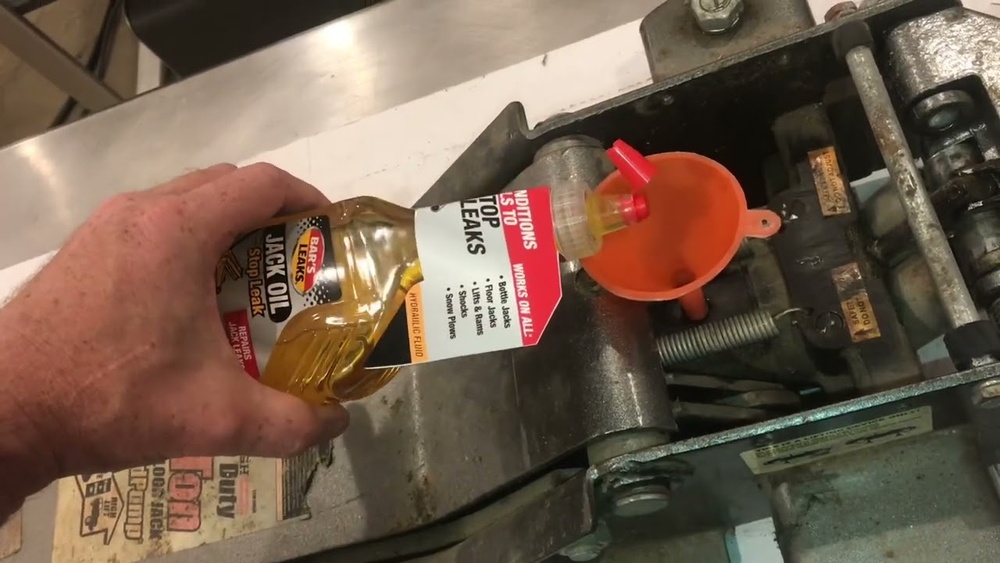
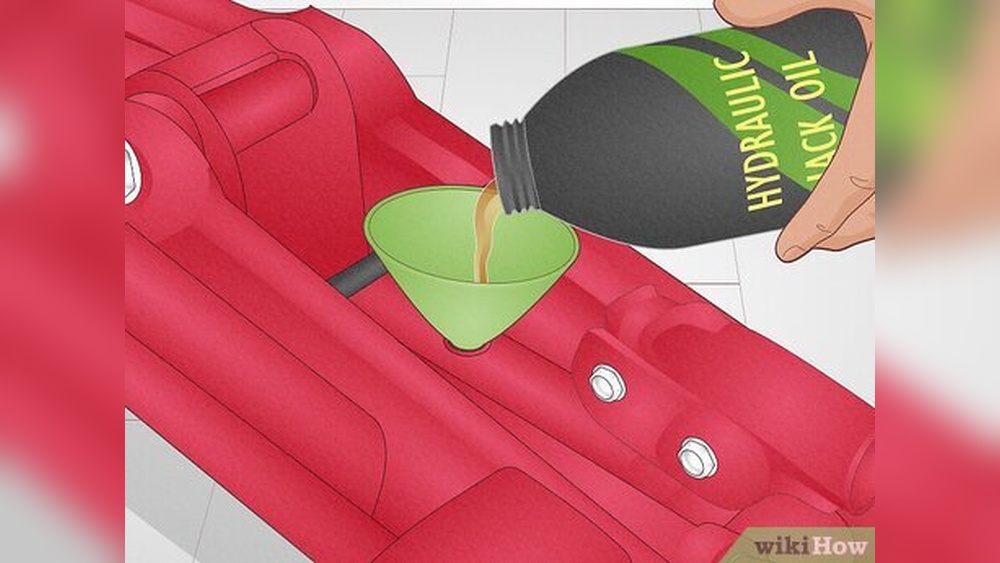
Refill the reservoir with the right hydraulic fluid. Use only fluid recommended for Craftsman jacks. Pour slowly to avoid spills. Fill until the fluid reaches the recommended level. Replace the cap tightly. Test the jack by lifting and lowering a few times.

Credit: www.youtube.com
Fixing Hydraulic Leaks
Fixing hydraulic leaks in a Craftsman floor jack is essential for safe and smooth operation. Leaks reduce the jack’s lifting power and can cause damage. Identifying and repairing leaks quickly keeps the jack reliable. The process involves finding the leak source, replacing worn seals and O-rings, and testing for leaks after the repair. This guide breaks down each step clearly.
Identifying Leak Sources
Start by cleaning the jack to see leaks clearly. Look for oil around the pump, cylinder, and seals. Check the hydraulic fluid level for drops. Leaks often occur at seals, the release valve, or the piston. Inspect hoses and fittings for cracks or damage. Finding the exact leak spot saves time and parts.
Replacing Seals And O-rings
Wear and tear cause seals and O-rings to fail. Remove the old seals carefully to avoid damage. Use a seal kit made for Craftsman floor jacks. Apply a small amount of hydraulic oil to new seals before installing. Fit them in place without forcing. Proper installation prevents future leaks and keeps pressure steady.
Testing For Leaks After Repair
Refill the jack with the correct hydraulic fluid. Pump the jack slowly and watch for oil drips. Check all repaired areas carefully. If leaks appear, tighten fittings or reseat seals. Test by lifting a load to ensure full pressure. No leaks mean the jack is ready for safe use again.
Bleeding Air From The Hydraulic System
Bleeding air from the hydraulic system is a key step in fixing a Craftsman floor jack. Air trapped inside stops the jack from lifting smoothly. This causes poor performance and can damage the jack.
Removing air from the system ensures the jack works with full power. The process is simple and needs only a few tools. Knowing the signs of air in the system helps catch issues early. Follow the steps carefully to bleed the air and restore your jack’s strength.
Signs Of Air In The System
The jack feels spongy or soft when lifting. It may not hold weight well. Pumping the handle feels loose or uneven. The jack might lower suddenly without warning. These signs show air bubbles inside the hydraulic fluid.
Check for jerky movements or slow lifting speed. Noise from the pump can also indicate air presence. Spotting these signs early avoids bigger repairs later.
Step-by-step Bleeding Process
First, place the jack on a flat surface and lower it fully. Find the bleed valve near the hydraulic cylinder. Open the valve slightly to let air escape.
Next, pump the handle slowly to push air out. Watch for bubbles coming from the valve. Close the valve tightly once no bubbles appear. Check the hydraulic fluid level and refill if needed.
Repeat the process if the jack still feels soft. Test the jack by lifting a small load. The jack should lift smoothly and hold steady. This simple bleeding process restores your jack’s power.

Credit: www.martinispa.com
Repairing Or Replacing The Release Valve
The release valve is a key part of your Craftsman hydraulic floor jack. It controls the flow of hydraulic fluid, allowing the jack to lift and lower safely. Repairing or replacing this valve can fix many common problems, such as the jack not holding pressure or lowering too fast. Understanding how to work with this valve helps keep your jack in good shape.
Locating The Release Valve
Find the release valve near the base of the jack’s handle. It usually looks like a small screw or knob. This valve controls the hydraulic pressure inside the jack. Before starting any repairs, make sure the jack is fully lowered. Use a wrench or pliers to access the valve if needed. Knowing its exact location makes repairs easier and safer.
Cleaning And Adjusting
Start by cleaning the release valve with a cloth. Dirt and debris can stop it from working well. Turn the valve gently to see if it moves freely. Adjust it by turning clockwise to tighten and counterclockwise to loosen. Test the jack after each adjustment. This can fix minor leaks or pressure problems without replacing parts.
When To Replace
Replace the release valve if it is cracked or heavily worn. Also, if adjustments do not fix leaks, a new valve is needed. Use a valve made for Craftsman jacks for best results. Replacing the valve involves removing the old one carefully with a wrench. Screw the new valve in place securely but don’t over-tighten. Test the jack fully after replacement to ensure safety.
Handle And Pump Maintenance
Maintaining the handle and pump of your Craftsman hydraulic floor jack keeps it working smoothly. These parts face regular stress and need care. Proper upkeep prevents damage and extends the jack’s life. Focus on cleaning, lubricating, and fixing any issues early. This helps avoid costly repairs and keeps the jack safe to use.
Lubricating Moving Parts
Lubricate the handle pivot and pump parts often. Use light machine oil or grease to reduce friction. Apply oil where metal parts move against each other. Wipe off old grease and dirt before adding new lubricant. This keeps movements smooth and prevents rust. Avoid using heavy grease as it can attract dust.
Fixing Handle Binding
Handle binding happens when parts stick or resist movement. Check for dirt, rust, or worn parts causing the problem. Clean the handle and pump area thoroughly. Lubricate joints and check if the handle moves freely. Tighten loose bolts but do not overtighten. Replace any damaged parts for better function.
Replacing Broken Handles
Broken handles need quick replacement to keep the jack safe. Remove the old handle by loosening bolts or pins. Match the replacement handle with your jack model. Install the new handle securely and test its movement. Proper fit ensures safe pumping and lifting. Keep the handle clean and lubricated after replacing it.
Testing The Jack After Repairs
Testing the Craftsman hydraulic floor jack after repairs is crucial. It ensures the jack works safely and effectively. This step helps avoid accidents and further damage. Follow these checks and tests carefully before using the jack again.
Safety Checks
Start by inspecting the jack visually. Look for leaks in the hydraulic system. Check if the release valve moves smoothly. Make sure the saddle and lifting arm have no cracks. Confirm that all bolts and nuts are tight. Test the handle for easy pumping action. Never skip these basic safety checks.
Load Testing Procedures
Next, test the jack’s lifting ability. Place the jack under a stable, heavy object. Pump the handle slowly to lift the load. Watch for any unusual noises or jerks. Hold the load lifted for at least five minutes. Check if the jack holds the weight without dropping. Lower the load carefully using the release valve. Repeat this process two or three times. This confirms the jack lifts and holds weight safely.
Tips For Preventing Future Problems
Preventing future problems with your Craftsman hydraulic floor jack saves time and money. Simple care steps keep it working well. Follow these tips to avoid common issues and extend the jack’s life.
Regular Maintenance Schedule
Check your jack regularly for leaks or damage. Clean dirt and debris from moving parts. Lubricate all joints and hinges once a month. Inspect the hydraulic fluid level and refill if low. Replace worn seals immediately to prevent leaks. A consistent routine keeps the jack safe and reliable.
Proper Storage Practices
Store the jack in a dry place to avoid rust. Keep it off the ground on a sturdy shelf or pallet. Lower the jack completely before storage to protect the hydraulic system. Cover the jack with a cloth to keep dust away. Good storage prevents damage and keeps the jack ready to use.
Avoiding Overloading
Check the jack’s weight limit before use. Never lift more than the rated capacity. Overloading stresses the hydraulic system and causes failure. Use the jack only on stable, flat surfaces. Correct use prevents accidents and costly repairs.

Credit: us.amazon.com
Frequently Asked Questions
How Do I Fix A Craftsman Hydraulic Floor Jack Leak?
To fix a leak, first identify the source. Replace worn seals or gaskets carefully. Refill hydraulic oil and test the jack for proper pressure and operation.
Why Is My Craftsman Floor Jack Not Lifting Properly?
Low hydraulic fluid or air trapped in the system often causes lifting issues. Bleed the jack and refill with recommended oil for smooth lifting.
How Often Should I Service A Craftsman Hydraulic Floor Jack?
Service your jack every 6 to 12 months. Regular checks include oil level, seals, and moving parts to ensure safety and optimal performance.
Can I Replace The Hydraulic Oil Myself Safely?
Yes, you can replace the hydraulic oil safely. Use the correct oil type, drain old fluid completely, and refill as per manufacturer instructions.
Conclusion
Repairing a Craftsman hydraulic floor jack can save you money and time. Follow each step with care and patience. Check all parts for wear or damage before fixing. Use the right tools and fluids to keep it working well. Regular maintenance helps the jack last longer and stay safe.
Try small repairs first to avoid bigger problems. Keep your workspace clean and organized during the process. With practice, you can fix common issues confidently. A well-maintained jack makes your work easier and safer every time.