If you own a floor jack, you know how important it is to keep it working smoothly. But do you know how to fill oil in your floor jack the right way?
Getting this step wrong can damage your jack or make it unsafe to use. In this guide, you’ll learn exactly how to fill oil in your floor jack quickly and easily. By following these simple steps, you’ll keep your jack in top shape and ready whenever you need it.
Keep reading to make sure you never make a costly mistake with your floor jack again.

Credit: www.youtube.com
Choosing The Right Oil
Choosing the right oil is key to keeping a floor jack working well. The oil helps the jack lift heavy loads smoothly and safely. Using the wrong oil can cause damage or poor performance. Understanding the types and qualities of hydraulic oil helps you pick the best one for your floor jack.
Types Of Hydraulic Oil
Hydraulic oil comes in different types, each with its own use. Mineral-based oil is common and works well in most floor jacks. Synthetic oil lasts longer and works better in extreme temperatures. Some oils have additives to prevent rust and wear. Always check the floor jack manual to see which type fits best.
Oil Viscosity And Specifications
Viscosity means how thick or thin the oil is. Thicker oil can protect parts better but may slow movement. Thinner oil flows faster but may not protect as well. Look for the viscosity grade listed in the jack’s manual. Also, check for oil specifications like ISO or SAE ratings to ensure compatibility.

Credit: www.wikihow.com
Preparing The Floor Jack
Preparing the floor jack before filling it with oil is important. Proper preparation ensures safety and helps the jack work well. Taking the right steps makes the process easier and prevents damage or injury. Follow clear instructions to get started.
Safety Precautions
Wear gloves to protect your hands from oil and dirt. Use safety goggles to keep your eyes safe. Work in a well-ventilated space to avoid fumes. Keep children and pets away from the area. Make sure the jack is cool before you start. Avoid wearing loose clothes that can get caught. Have a clean cloth handy to wipe spills quickly.
Positioning The Jack
Place the floor jack on a flat, stable surface. Avoid soft or uneven ground that can cause tipping. Lower the jack completely before adding oil. Make sure the release valve is closed tightly. Position the jack so you can reach the oil fill port easily. Keep the area around the jack clear of tools and debris.
Draining Old Oil
Draining old oil from a floor jack is important for its proper function. Over time, the oil gets dirty and loses its ability to lubricate. Removing old oil helps keep the jack working smoothly and prevents damage. Follow these steps carefully to drain the oil safely and correctly.
Locating The Drain Plug
First, find the drain plug on the floor jack. This plug is usually at the base or side of the jack’s oil reservoir. Look for a small bolt or screw that seals the oil chamber. Use a wrench or screwdriver to open it. Place a container under the plug to catch the old oil. Open the plug slowly to avoid spills.
Proper Disposal Methods
Collect the drained oil in a sealed container. Do not pour it down drains or on the ground. Old oil harms the environment and water supplies. Take the oil to a recycling center or auto shop that accepts used oil. Use local hazardous waste facilities if available. Proper disposal keeps your area safe and clean.

Credit: www.wikihow.com
Filling New Oil
Filling new oil in your floor jack keeps it working smoothly. Fresh oil helps lift heavy loads safely. It also prevents rust and wear inside the jack.
Follow clear steps to add the right amount of oil. Avoid spills and overfilling for best results.
Opening The Fill Port
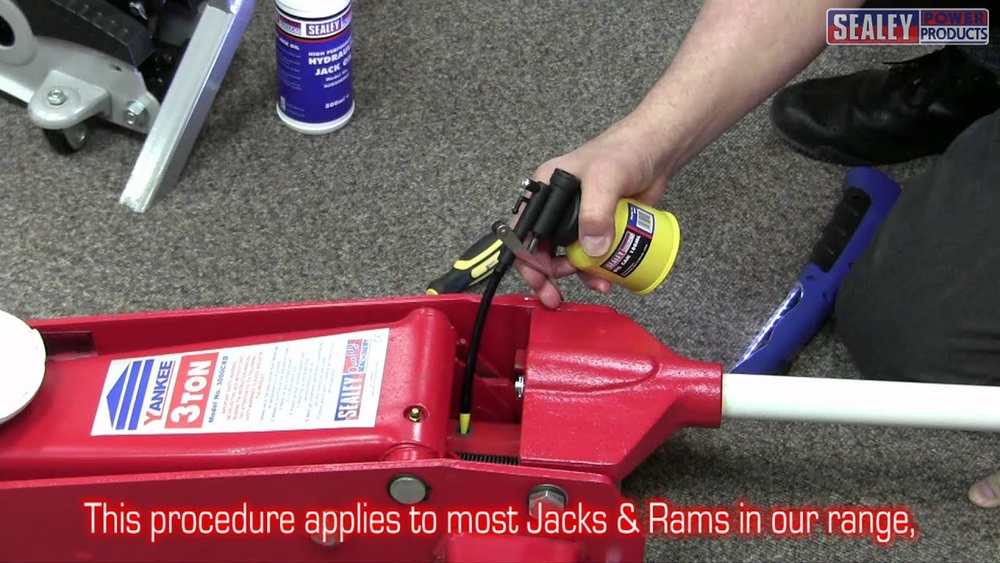
Locate the fill port on your floor jack. It is usually near the pump or handle base. Use a wrench or screwdriver to open the port cap carefully. Clean around the port before opening. This stops dirt from entering the oil reservoir.
Pouring Oil Correctly
Use the recommended hydraulic oil for your jack. Slowly pour the oil into the fill port. Fill until the oil level reaches the bottom of the fill hole. Do not overfill; this can cause leaks or damage. After filling, replace the cap tightly. Wipe any spilled oil to keep the jack clean.
Bleeding Air From The Jack
Bleeding air from a floor jack is a key maintenance step. Air trapped inside the jack can cause poor lifting performance. This happens because air compresses, unlike hydraulic oil. Removing air ensures smooth and steady jack operation. It also prevents jerky movements that can be unsafe. Regular bleeding keeps the jack reliable and extends its life.
Why Bleeding Is Important
Air in the hydraulic system reduces lifting power. The jack may feel soft or spongy. It might not reach its full height. This can make lifting heavy objects risky. Air pockets cause uneven pressure inside the jack. This leads to slower or uneven lifting. Bleeding removes these air pockets. The jack works more efficiently and safely after bleeding.
Step-by-step Bleeding Process
Begin by locating the bleed valve on the floor jack. Usually, it’s near the oil fill plug. Open the valve slightly to allow air out. Pump the jack handle slowly several times. This pushes air out through the valve. Close the valve once no more air escapes. Check the oil level and add if needed. Test the jack to ensure smooth lifting. Repeat the process if the jack still feels soft.
Testing The Floor Jack
Testing the floor jack after filling oil is important. It helps ensure the jack works safely and correctly. Check the jack carefully to find any problems early. This saves time and prevents accidents later. Follow these steps to test your floor jack properly.
Checking For Leaks
Start by inspecting the jack for oil leaks. Look around the oil fill cap and hydraulic parts. Any wet spots or drops mean leaks are present. Leaks reduce jack pressure and cause failure. Tighten caps or seals if needed. Replace damaged parts to stop leaks and keep the jack safe.
Ensuring Smooth Operation
Next, test the jack’s lifting and lowering action. Pump the handle slowly and feel the resistance. The jack should rise steadily without jerks. Lower the jack gently and watch for smooth descent. Any sticking or uneven motion means air or dirt inside. Bleed the system or clean parts for better performance.
Maintenance Tips
Maintaining your floor jack is key to its long life and safe use. Simple care steps keep the jack working smoothly. Regular checks and proper storage protect it from damage. Follow these tips to keep your floor jack ready for use.
Regular Oil Checks
Check the oil level often. Low oil can cause the jack to fail. Use the correct oil type for your jack. Clean the oil fill area before opening. Remove old oil with a pump or cloth. Refill slowly to avoid spills. Wipe away any excess oil after refilling. Test the jack after oiling to ensure smooth action.
Storage Recommendations
Store the floor jack in a dry place. Avoid areas with high humidity to prevent rust. Keep the jack lowered when not in use. This reduces pressure on seals and parts. Cover the jack with a cloth to block dust. Check oil levels before long storage. Proper storage extends the jack’s lifespan and reliability.
Frequently Asked Questions
How Often Should I Change Oil In A Floor Jack?
Change the oil in your floor jack every 6 to 12 months. Regular oil changes ensure smooth lifting and prevent rust or corrosion inside the jack. Check the manufacturer’s manual for specific recommendations based on usage frequency.
What Type Of Oil Is Best For Floor Jacks?
Use high-quality hydraulic jack oil or SAE 10W hydraulic fluid. Avoid engine oils or other lubricants, as they can damage seals and reduce jack efficiency. Always refer to your jack’s manual for the recommended oil type.
How Much Oil Do I Need To Fill A Floor Jack?
Typically, floor jacks require about 6 to 12 ounces of hydraulic oil. Overfilling can cause leaks or damage, so add oil gradually while checking the fluid level. Follow your jack’s manual for the exact oil capacity.
Can I Use Motor Oil Instead Of Hydraulic Oil?
No, motor oil is not suitable for floor jacks. Hydraulic oil has specific properties needed for pressure resistance and smooth operation. Using motor oil can damage seals and reduce jack performance.
Conclusion
Filling oil in your floor jack keeps it working safely and smoothly. Always use the right oil type and check the level often. Clean the area before opening the jack to avoid dirt inside. Take your time and follow each step carefully for best results.
Proper maintenance helps your jack last longer and lift better. Simple care makes a big difference in performance and safety. Keep your tools ready for any job.