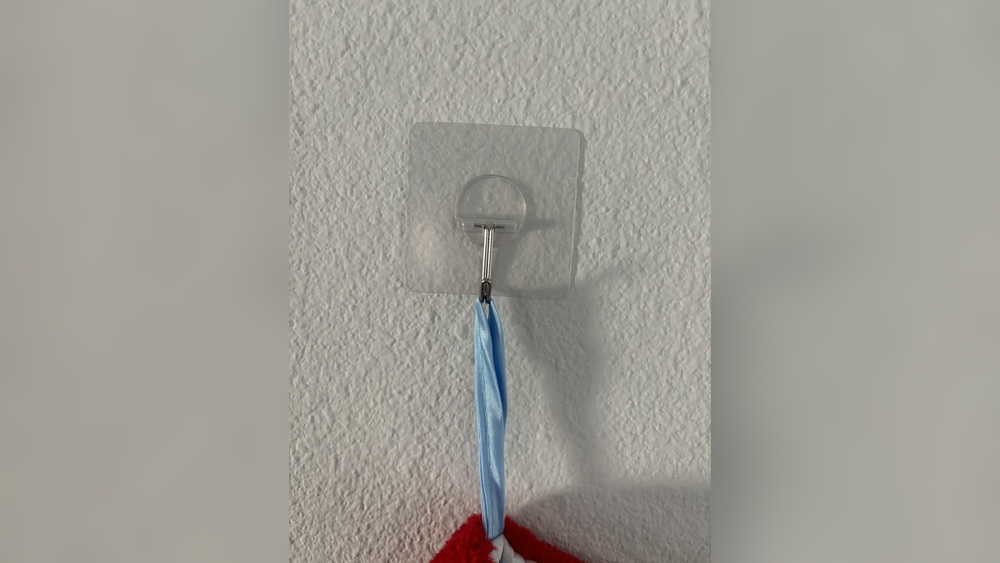
Looking for a simple way to keep your towels neat and within reach? Hanging towel hooks on your wall is an easy fix that adds both style and function to your space.
But if you’ve never done it before, you might wonder where to start or worry about making mistakes. Don’t worry—this guide breaks down every step clearly, so you can hang your towel hooks securely and quickly. By the end, you’ll have a tidy, organized bathroom or kitchen that feels just a little more like home.
Ready to get started? Let’s dive in.
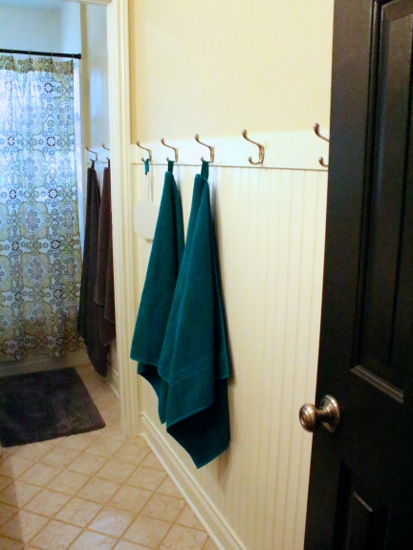
Credit: www.houseofhepworths.com
Choose The Right Hooks
Choosing the right spot for your towel hooks is key. It affects both use and look. A good location keeps towels dry and easy to reach. It also protects your walls from damage. Think about daily habits and space in your bathroom. This helps find the best place to hang the hooks.
Consider the size of towels and how many hooks you need. A well-placed hook keeps towels neat and ready to use. Avoid spots that make towels hard to hang or remove. Pick a wall area free from water splashes and obstacles.
Ideal Height For Towel Hooks
Place towel hooks at a height everyone can reach. Usually, 48 to 52 inches from the floor works well. This height suits both adults and children. For kids, lower hooks around 36 inches help them reach towels. Avoid placing hooks too high or too low. It makes towels hard to grab and hang.
Spacing Between Hooks
Leave enough space between hooks for towels to dry well. At least 6 to 8 inches apart is good. Crowded hooks cause towels to overlap and stay damp. Proper spacing stops mildew and keeps towels fresh. If you hang bigger towels, increase the distance between hooks.
Avoiding Obstacles And Moisture
Keep hooks away from areas that get wet often. Water spots damage walls and make hooks fall off. Avoid hanging near the shower or sink splash zones. Check for light switches, shelves, or towel racks nearby. Place hooks where towels won’t block or bump into these items.
Pick walls with good airflow. This helps towels dry faster and stay clean. Using moisture-resistant hooks and anchors also protects your walls. A smart spot makes your bathroom tidy and your towels last longer.
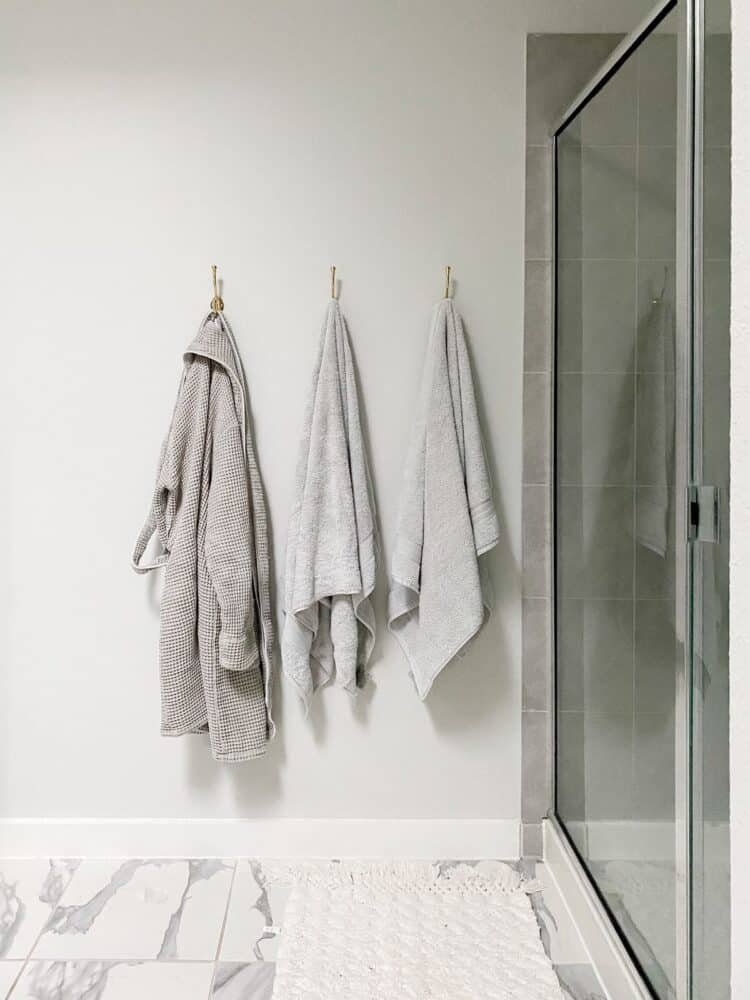
Credit: www.loveandrenovations.com
Pick The Best Location
Gathering the right tools before hanging towel hooks saves time and effort. It ensures a smooth, safe installation. Prepare everything before starting the project. This way, you avoid trips back and forth.
Tools Required For Installation
First, you need a drill with a suitable drill bit. A screwdriver is essential for tightening screws. A level helps keep hooks straight and even. Use a measuring tape to mark the right spot. Pencil or marker for marking drill points on the wall. Anchors and screws come with most towel hooks, but check before starting. A stud finder helps locate wall studs for secure mounting.
Safety Gear To Use
Safety matters during any wall project. Wear safety goggles to protect your eyes from dust and debris. Gloves protect your hands from sharp tools and rough surfaces. Use a dust mask if drilling creates a lot of dust. Ear protection is helpful if using a loud drill. Always clear the work area to avoid trips or falls.
Gather Necessary Tools
Preparing the wall surface is a key step before hanging towel hooks. A clean and solid surface ensures hooks hold strong and last longer. Taking time to prepare also prevents damage to your wall.
Follow these simple steps to get your wall ready for towel hooks.
Cleaning And Drying The Wall
Start by removing dust and dirt from the wall area. Use a damp cloth or sponge for cleaning. Avoid harsh chemicals that can damage paint or wallpaper.
After cleaning, dry the wall completely. Use a dry cloth or let it air dry. Moisture can weaken the hook’s hold and cause slipping.
Checking For Studs Or Using Anchors
Find studs behind the wall for the strongest support. Use a stud finder to locate them easily. Hooks attached to studs hold more weight safely.
If no studs are available, use wall anchors. Choose anchors suitable for your wall type, like drywall or plaster. Anchors help hooks stay secure without damaging the wall.
Mark And Measure Accurately
Drilling holes and inserting anchors is a key step to hang towel hooks securely. This process ensures the hooks stay firmly on the wall. Proper drilling and anchor use prevent damage and keep the towel hooks stable.
Choosing The Right Drill Bit
Select a drill bit that matches the size of your wall anchors. The bit should create a hole just big enough for the anchor to fit tightly. Use a masonry bit for brick or concrete walls. For drywall, a standard twist bit works well. Check the anchor package for recommended drill bit size. Using the wrong bit can cause loose anchors or wall damage.
Proper Anchor Installation
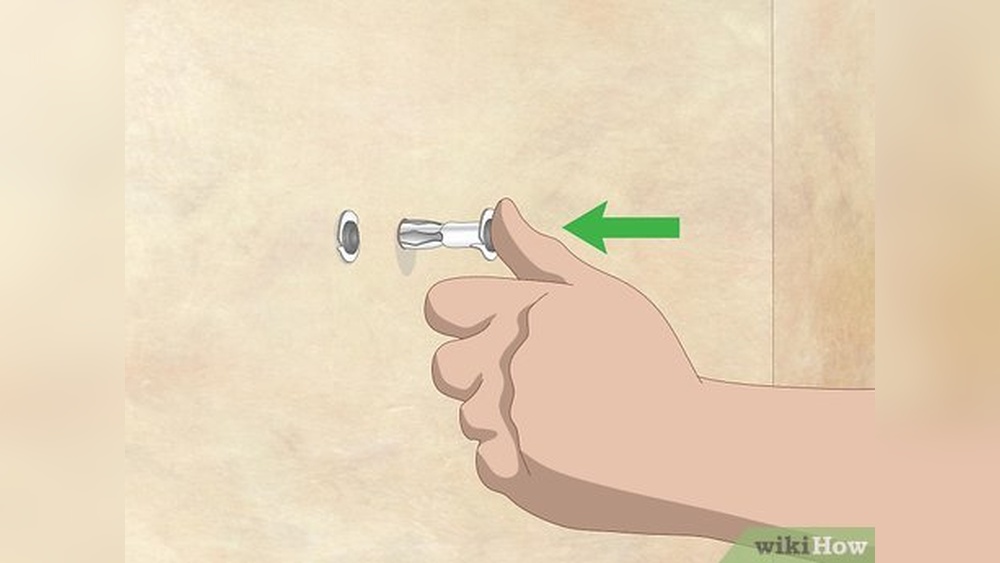
After drilling, clean out dust from the hole with a brush or cloth. Insert the anchor gently, tapping it with a hammer if needed. The anchor should sit flush with the wall surface. Do not force the anchor too deep or it may lose grip. Screw the hook into the anchor firmly but avoid overtightening. Proper anchor installation holds weight and prevents the hook from pulling out.
Prepare The Wall Surface
After installing your towel hooks, checking their strength is important. This step ensures they hold towels without falling off. Testing helps avoid damage to walls and keeps towels secure. Follow simple steps to test and adjust your hooks for best results.
Hanging Towels Safely
Start by hanging a light towel on the hook. Pull gently to check if the hook holds firm. Add a heavier towel to test the strength more. If the hook stays tight, it is safe to use. Loose hooks need fixing before daily use.
Adjusting If Needed
If the hook feels weak, remove the towel carefully. Tighten screws or replace anchors to improve grip. Use a level to check if the hook is straight. Re-test after adjustments to confirm strength. Proper adjustment prevents hooks from falling and keeps towels safe.

Credit: stylebyemilyhenderson.com
Frequently Asked Questions
How Do I Choose The Right Wall For Towel Hooks?
Select a sturdy wall near your bathroom or kitchen. Avoid drywall without studs for heavy towels. Use a stud finder for precise placement and better support.
What Tools Are Needed To Hang Towel Hooks?
You need a drill, screws, wall anchors, a screwdriver, a level, and a pencil. These tools ensure secure and level installation.
Can I Hang Towel Hooks On Tile Walls?
Yes, use a masonry drill bit and wall anchors designed for tile. Drill carefully to avoid cracking tiles and ensure firm support.
How High Should Towel Hooks Be Installed?
Install towel hooks about 48 to 52 inches from the floor. This height is comfortable for most users and allows towels to hang freely.
Conclusion
Hanging towel hooks on the wall is simple and useful. You need just a few tools and some careful measuring. Choose the right spot to keep towels within easy reach. Drill holes, insert anchors, and screw in the hooks tightly.
This small project adds convenience and keeps your space neat. Take your time and follow steps one by one. Soon, your towels will hang neatly and dry faster. Enjoy the neatness and ease every day.