Are you tired of cluttered walls and searching for a simple way to organize your space? Installing wall hooks could be the perfect solution for you.
Whether you want to hang coats, keys, or decorations, knowing how to install wall hooks correctly can save you time and frustration. In this guide, you’ll discover easy steps that anyone can follow, even if you’ve never picked up a drill before.
By the end, you’ll have the confidence to add practical and stylish hooks to your walls, making your home neater and more welcoming. Ready to transform your space? Let’s get started!

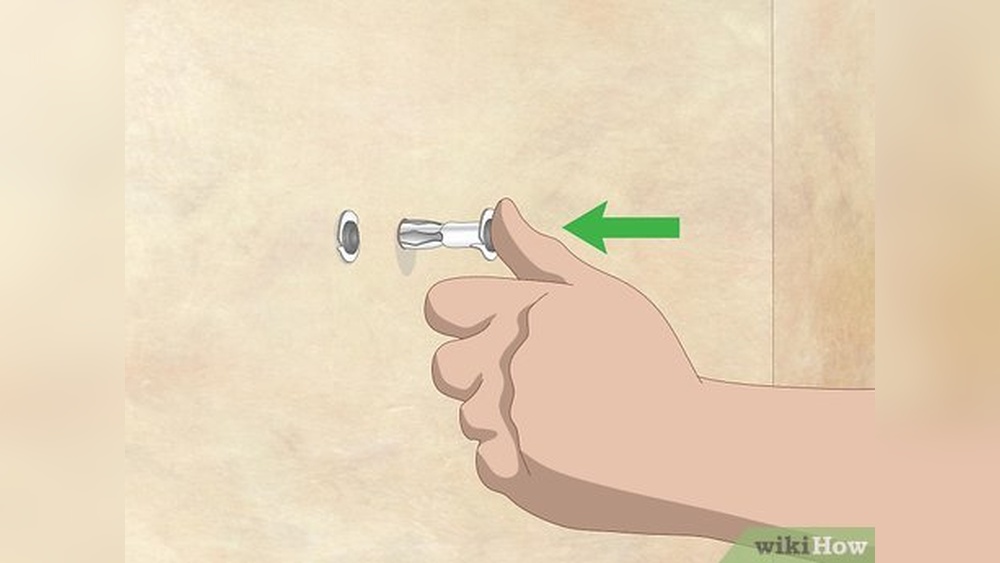
Credit: www.wikihow.com
Choosing The Right Wall Hooks
Choosing the right wall hooks is important for a neat and safe space. The wrong hook can damage your wall or fail to hold your items. Consider the type, material, and weight capacity before buying. This helps ensure your hooks last long and work well.
Types Of Wall Hooks
Wall hooks come in many styles. Some are single hooks, others have multiple prongs. There are adhesive hooks that stick to the wall without nails. Over-the-door hooks hang on the top of doors. Choose a type that fits your wall and the items you want to hang.
Material Considerations
Wall hooks are made from metal, plastic, wood, or a mix. Metal hooks are strong and last long. Plastic hooks work well for light items. Wooden hooks add a natural look but may not hold heavy things. Pick a material that matches your room’s style and the hook’s use.
Weight Capacity
Every hook has a weight limit. Light-duty hooks hold small items like keys or hats. Heavy-duty hooks carry coats, bags, or tools. Check the weight capacity on the package. Choose hooks that can safely hold your items without bending or falling.

Credit: lelloliving.com
Tools And Materials Needed
Installing wall hooks is simple with the right tools and materials. This section lists what you need to get started. Having these items ready saves time and avoids mistakes. You can hang hooks securely and safely.
Essential Tools
You need a drill to make holes in the wall. A screwdriver helps to tighten screws firmly. A tape measure checks the correct height and spacing. Use a pencil to mark spots on the wall. A level makes sure hooks hang straight and even.
Additional Supplies
Wall anchors keep hooks stable on drywall or plaster. Choose anchors that match the hook size and weight. Sandpaper smooths rough wall spots before drilling. A stud finder finds wooden studs behind the wall. Studs provide strong support for heavy hooks.
Preparing The Wall
Preparing the wall is a key step before installing wall hooks. It ensures the hooks are secure and safe. Taking time here prevents damage to your walls and keeps your items from falling.
Selecting The Mounting Spot
Pick a spot that suits your needs and looks good. Choose a place where the hook will hold weight well. Avoid areas too close to corners or edges. The spot should be easy to reach and use.
Marking The Position
Use a pencil to mark exactly where the hook will go. Measure carefully to keep the hook straight. Mark the points for screws or nails clearly. This step helps you install the hook cleanly and accurately.
Checking For Studs And Wiring
Use a stud finder to check for studs behind the wall. Hooks fixed into studs hold much better. Avoid drilling near electrical wires. Use a wire detector to find hidden wiring. This prevents accidents and keeps your home safe.
Mounting Wall Hooks On Drywall
Mounting wall hooks on drywall requires care to ensure they hold strong. Drywall alone cannot support heavy weight. Using the right tools and methods helps secure the hooks safely. This guide covers the key steps for a firm installation.
Using Anchors
Anchors prevent hooks from pulling out of drywall. Choose anchors designed for drywall use. Plastic or metal anchors work well. Insert the anchor into a pre-drilled hole. Push or tap it gently until flush with the wall surface.
Drilling Pilot Holes
Mark the spot for the hook first. Use a pencil to mark the exact point. Drill a small pilot hole using a drill bit. The hole size should match the anchor diameter. This step avoids drywall cracking and eases anchor insertion.
Securing The Hook
Place the hook over the anchor. Align the screw hole with the anchor. Insert the screw and tighten it using a screwdriver. Stop tightening as soon as the hook feels secure. Avoid over-tightening to prevent wall damage.
Mounting Wall Hooks On Tile Or Concrete
Mounting wall hooks on tile or concrete needs special care. These surfaces are hard and can crack or break if drilled wrongly. Use the right tools and techniques for a strong hold. This guide helps you install hooks safely and securely.
Drilling Into Hard Surfaces
Use a drill with a carbide-tipped masonry bit. Mark the spot clearly before drilling. Start drilling slowly to avoid slipping. Keep the drill steady and apply light pressure. Drill a hole slightly smaller than the anchor size. Clean out dust from the hole to ensure proper fit.
Choosing Appropriate Anchors
Select anchors made for tile or concrete. Plastic expansion anchors work well for light loads. For heavier hooks, use metal or sleeve anchors. Check the weight limit on the anchor package. Match anchor size to the drill bit and hook screw. Good anchors prevent hooks from falling off.
Installing The Hook
Insert the anchor fully into the drilled hole. Tap gently with a hammer if needed. Place the hook over the anchor and screw it in. Tighten until secure but avoid over-tightening. Test the hook by gently pulling on it. A well-installed hook holds items firmly and lasts long.
Tips For A Secure Mount
Mounting wall hooks securely is important for safety and durability. A strong mount holds your items without damage or falling off. Follow these tips to make sure your wall hooks stay in place.
Small details can make a big difference. Using the right tools and careful steps ensures a firm hold on your wall.
Avoiding Common Mistakes
Do not use weak anchors for heavy items. Avoid drilling into drywall alone. Choose the right wall anchor for your wall type. Check that screws fit the hook size. Do not rush; take time to measure and mark spots accurately.
Ensuring Level Placement
Use a spirit level or a smartphone level app. Mark the spots lightly with a pencil. Place the hook so it hangs straight. Uneven hooks may cause items to fall. Double-check before drilling or nailing.
Testing Stability
After installation, gently pull on the hook. Check if it feels loose or wobbly. Test with the weight you plan to hang. Tighten screws or anchors if needed. A stable hook lasts longer and keeps your items safe.
Maintaining And Removing Wall Hooks
Maintaining and removing wall hooks is important to keep your walls clean and damage-free. Proper care helps hooks last longer and prevents marks on your walls. Removing hooks carefully avoids holes and peeling paint. Follow simple steps to clean around hooks, remove them safely, and fix any wall damage.
Cleaning Around Hooks
Dust and dirt gather around wall hooks over time. Use a soft cloth to wipe the area gently. Mild soap and water work well for cleaning. Avoid harsh chemicals that can damage paint or hook finish. Clean regularly to keep hooks looking neat and fresh.
Safe Removal Techniques
Remove hooks slowly to protect your wall. Pull hooks straight out instead of twisting. For adhesive hooks, warm the area with a hairdryer. This softens glue and eases removal. Use dental floss or fishing line to slide behind adhesive hooks. Be gentle to avoid peeling paint or drywall damage.
Repairing Wall Damage
Small holes or marks may appear after hook removal. Use spackling paste to fill holes. Smooth the surface with a putty knife. Let it dry fully before sanding lightly. Paint over the repaired spot to match the wall color. Quick repairs keep walls clean and ready for new hooks.
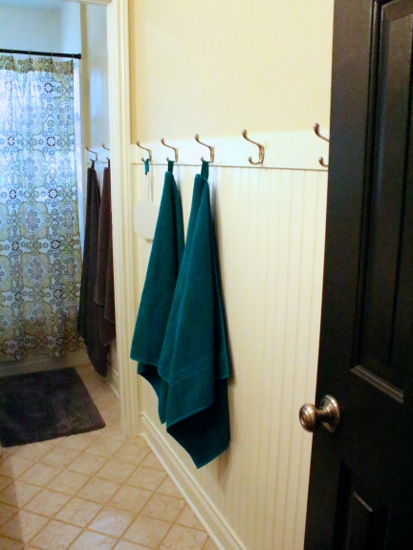
Credit: www.houseofhepworths.com
Frequently Asked Questions
What Tools Do I Need To Install Wall Hooks?
You need a drill, screws, wall anchors, a screwdriver, a pencil, and a level. These tools ensure secure and accurate installation.
How Do I Choose The Right Wall Hook For My Wall?
Select hooks based on wall type and weight capacity. Plastic hooks suit drywall; metal hooks fit brick or concrete.
Can I Install Wall Hooks Without Drilling Holes?
Yes, use adhesive or suction hooks for light items. Avoid heavy loads as they require drilled anchors.
How High Should I Install Wall Hooks?
Install hooks at eye level or convenient reach, typically 5 to 6 feet high. Adjust based on hook use.
Conclusion
Installing wall hooks is simple with the right tools and steps. Choose the right spot and use a drill or screwdriver carefully. Make sure hooks are strong enough for your items. Proper installation keeps walls safe and hooks steady. Enjoy organized spaces and easy access to your things.
Small effort brings big changes to your home. Try it yourself and see the difference.