Are you tired of drilling holes in your walls or dealing with messy nails? Adhesive wall hooks might be the simple solution you’ve been looking for.
They’re easy to use, damage-free, and perfect for organizing your space quickly. But how do you make sure they stick properly and hold up over time? Keep reading, and you’ll discover the best tips and tricks to use adhesive wall hooks like a pro—so your walls stay clean and your things stay secure.
Choosing The Right Hooks
Choosing the right adhesive wall hooks is key for a neat, strong hold. Picking hooks that match your needs stops damage and keeps your items safe. Think about hook type, weight, and wall surface before buying.
Types Of Adhesive Hooks
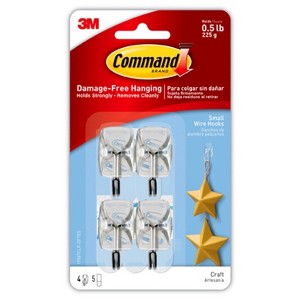
Adhesive hooks come in many styles. Some have clear plastic, others metal or colored designs. Small hooks hold keys or light items. Large hooks carry bags or coats. Choose a style that fits your room and purpose.
Weight Capacity Considerations
Every hook has a weight limit. Check the package for this information. Light hooks carry a few pounds. Heavy-duty hooks hold up to 10 pounds or more. Use stronger hooks for heavier items to avoid falls.
Surface Compatibility
Not all hooks stick well on every surface. Smooth, clean walls like tile or glass work best. Avoid rough or porous walls like brick or textured paint. Clean the surface before applying hooks for better grip.
Preparing Your Wall
Preparing your wall correctly is key to making adhesive wall hooks stick well. A clean, dry surface helps the adhesive bond tightly. Taking time to prep ensures hooks hold strong and last longer. Follow these simple steps for a perfect setup.
Cleaning The Surface
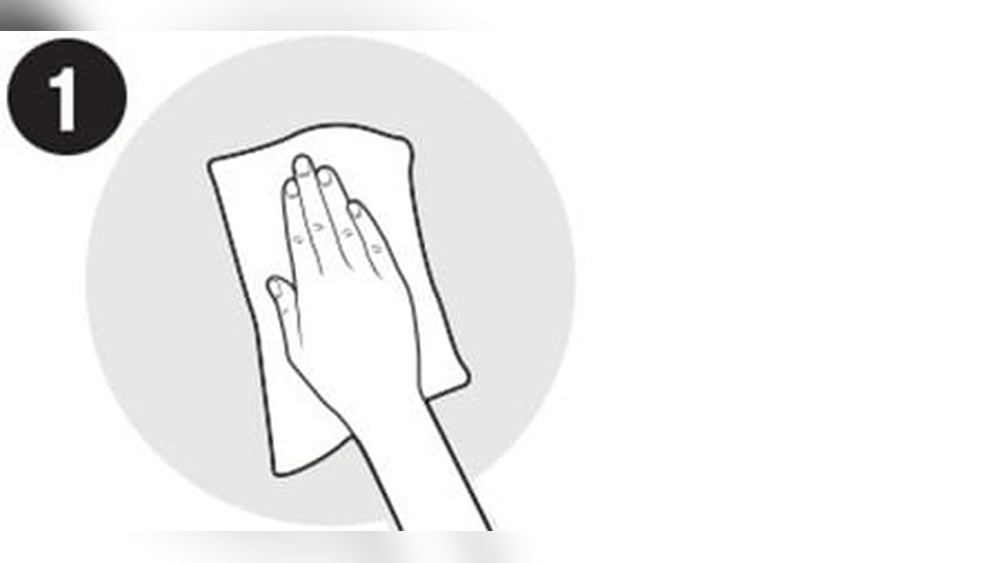
Start by removing dirt, dust, and grease from the wall. Use a mild soap and water solution to clean the area. Avoid harsh chemicals that can damage the paint or wall finish. Wipe the surface gently with a soft cloth. Let the wall dry completely before moving on.
Drying And Temperature Tips
Make sure the wall is fully dry before applying hooks. Moisture can weaken the adhesive and cause hooks to fall. Check the room temperature too. The best range is between 50°F and 90°F (10°C to 32°C). Avoid cold or very hot surfaces for better adhesion.
Applying Adhesive Hooks
Applying adhesive wall hooks is simple and quick. Follow clear steps to ensure a strong hold on your wall. Proper application helps the hook stay secure and hold weight without falling.
Peeling The Backing
Start by carefully peeling the backing off the adhesive strip. Avoid touching the sticky surface. Keep the adhesive clean for the best grip.
Positioning The Hook
Place the hook in the exact spot you want it. Check the surface is smooth and dry. Press lightly to hold the hook in place before securing.
Pressing For Secure Bond
Press the hook firmly against the wall for 30 seconds. Apply even pressure on the adhesive area. This step makes sure the hook sticks well and holds strong.
Credit: www.target.com
Hanging Items Safely
Hanging items safely on adhesive wall hooks keeps your walls and belongings secure. Proper use helps avoid damage and accidents. It also extends the life of your hooks. Follow simple steps to ensure safety and strength.
Distributing Weight Evenly
Spread the weight across multiple hooks for heavy items. This reduces pressure on each hook. Use more hooks for larger or heavier objects. Even weight distribution helps hooks hold better. It also prevents hooks from falling off the wall.
Avoiding Overloading
Check the weight limit on each hook before use. Do not hang items heavier than the hook’s capacity. Overloading weakens the adhesive and causes hooks to fail. Use stronger hooks for heavier items. Always choose hooks suitable for your hanging needs.
Removing Hooks Without Damage
Removing adhesive wall hooks without causing damage is important. It keeps your walls clean and smooth. Taking the right steps helps avoid peeling paint or leaving sticky residue. This guide explains how to remove hooks safely and easily.
Loosening The Adhesive
Start by loosening the glue that holds the hook. Gently heat the adhesive with a hairdryer. Use low heat to avoid wall damage. Warm the area for about 30 seconds. This softens the glue, making removal easier. Avoid using sharp tools to pry the hook off.
Safe Pulling Techniques
Hold the hook firmly. Pull the hook slowly and straight down. Do not pull it outward or at an angle. Stretch the adhesive strip slowly to release it. If the strip breaks, reheat and try again. This method helps keep walls intact and clean.

Credit: www.amazon.com
Tips For Long-lasting Hold
Adhesive wall hooks offer a simple way to organize spaces without drilling holes. To keep these hooks attached firmly for a long time, apply a few smart tips. Proper care and attention extend their hold and prevent damage to your walls.
Avoiding Moisture And Heat
Keep adhesive hooks away from wet areas like bathrooms or kitchens. Moisture can weaken the glue, causing hooks to fall off. Avoid placing hooks near heaters or in direct sunlight. Heat softens the adhesive, reducing its stickiness. Choose dry, cool spots for the best results.
Checking Adhesive Regularly
Check your hooks often to ensure they stay secure on the wall. Gently press the hook to test its grip. If it feels loose, remove and replace it. Clean the wall surface before reapplying to improve adhesion. Regular checks stop accidents and keep your items safe.

Credit: www.amazon.com
Frequently Asked Questions
How Do I Apply Adhesive Wall Hooks Properly?
Clean the surface thoroughly before applying. Peel off the backing and press the hook firmly. Hold for 30 seconds to ensure strong adhesion. Avoid using on rough or uneven surfaces for best results.
Can Adhesive Wall Hooks Hold Heavy Items?
Most adhesive hooks support light to medium weights, typically up to 5 pounds. Check the packaging for weight limits. For heavier items, use wall anchors or screws instead to avoid damage or falling.
How Do I Remove Adhesive Wall Hooks Without Damage?
Slowly peel the hook off at a low angle. Use dental floss or a plastic card to help release the adhesive. Avoid pulling too hard to prevent paint or wall damage.
Are Adhesive Wall Hooks Reusable?
Generally, adhesive hooks are designed for one-time use. Removing them usually weakens the adhesive. For reusable options, consider hooks with replaceable adhesive strips or suction-based hooks.
Conclusion
Adhesive wall hooks offer a simple way to organize your space. They stick firmly without damaging walls. You can hang light to medium items easily. Always clean the surface before applying hooks. Press the hook firmly for a few seconds.
Wait before hanging anything heavy. Remove hooks carefully to avoid marks. These hooks save space and keep things tidy. Try them in your kitchen, bathroom, or bedroom. Small changes can make a big difference. Enjoy a neat home with less effort.