Is your floor jack leaking oil and causing a mess? You’re not alone, and fixing it might be simpler than you think.
A leaking floor jack can not only damage your tools but also put your safety at risk. Imagine lifting your car smoothly and confidently every time, without worrying about leaks or drops. You’ll discover easy, practical steps to stop your floor jack from leaking and keep it working like new.
Keep reading—you’ll save time, money, and avoid frustration with these straightforward tips.
Common Causes Of Floor Jack Leaks
Floor jacks often leak due to a few common problems. These issues affect how well the jack holds hydraulic fluid. Leaks reduce lifting power and can make the jack unsafe. Understanding these causes helps keep the jack working longer.
Worn Seals And O-rings
Seals and O-rings stop fluid from escaping the jack. Over time, they wear out or crack. Old seals lose their tight fit. This allows fluid to leak out during use. Regular inspection can catch worn seals early.
Damaged Hydraulic Cylinder
The hydraulic cylinder moves fluid to lift the jack. Damage like scratches or dents can cause leaks. Even small cracks let fluid escape. This lowers the jack’s pressure and strength. Protect the cylinder from sharp tools and impacts.
Loose Or Damaged Fittings
Fittings connect the hydraulic parts inside the jack. They must be tight and intact. Loose or broken fittings cause fluid to drip or spray. Check fittings often and tighten them if needed. Replace damaged fittings to stop leaks.
Contaminated Hydraulic Fluid
Clean hydraulic fluid keeps the jack working smooth. Dirt or water in the fluid harms seals and parts. Contaminated fluid can cause blockages and leaks. Change the fluid regularly to avoid problems. Use the right type of fluid for your jack.
Tools And Materials Needed
To keep a floor jack from leaking, you need the right tools and materials. Having everything ready makes the repair smoother. This guide lists what you need to fix and maintain your floor jack properly.
Basic Repair Tools
Start with simple tools like wrenches and screwdrivers. A set of pliers helps with gripping small parts. Use a clean cloth to wipe surfaces. A small hammer can assist in removing stuck parts. A flashlight is useful for seeing inside tight spaces.
Replacement Seals And Parts
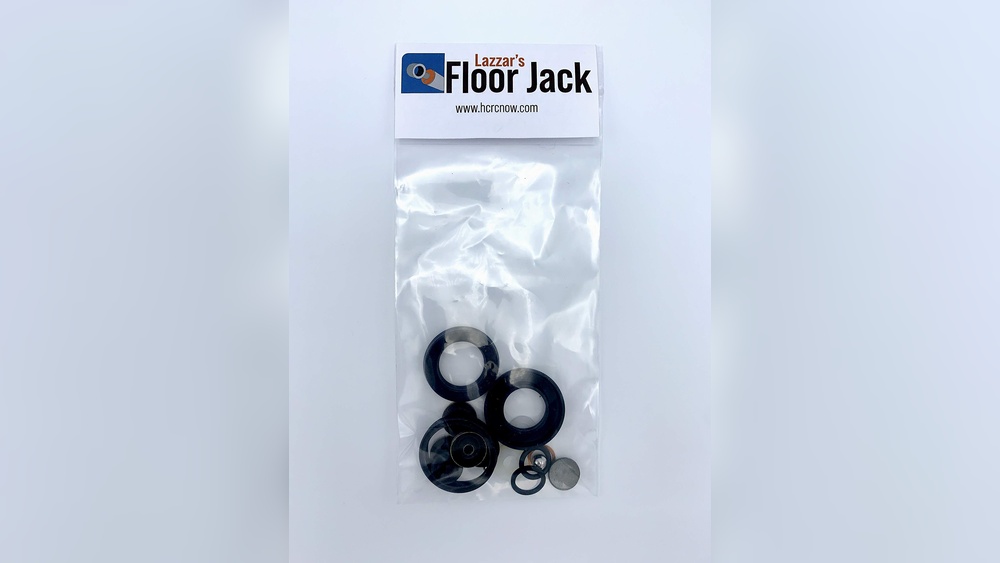
Old seals wear out and cause leaks. Get new rubber seals made for your floor jack model. Buy O-rings and gaskets too. Check your jack’s manual for exact part numbers. Using the right parts ensures a good seal and stops leaks.
Hydraulic Fluid Types
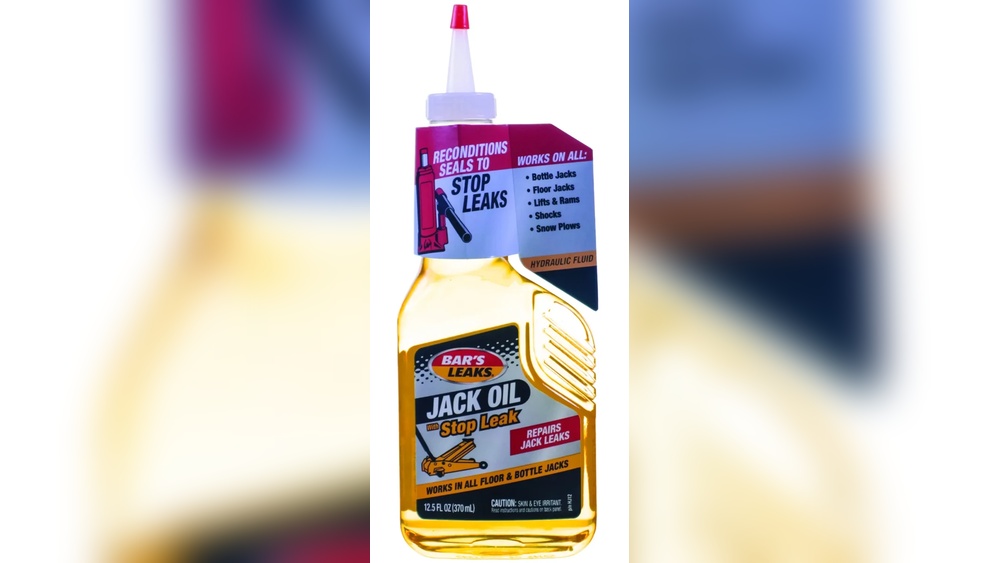
Hydraulic fluid powers the floor jack. Use the fluid recommended by the manufacturer. Most jacks need a special hydraulic oil. Avoid motor oil or other liquids that can damage seals. Clean fluid keeps the jack working well and prevents leaks.
Cleaning Supplies
Clean parts before repairs. Use a degreaser or mild soap with water. Soft brushes help remove dirt from small areas. Dry parts with a lint-free cloth. Clean surfaces allow new seals to stick properly and prevent future leaks.
Step-by-step Leak Repair
Fixing a leak in a floor jack keeps it working well and safe to use. Follow clear steps to stop leaks and maintain your jack. This guide shows easy actions anyone can do.
Draining Old Hydraulic Fluid
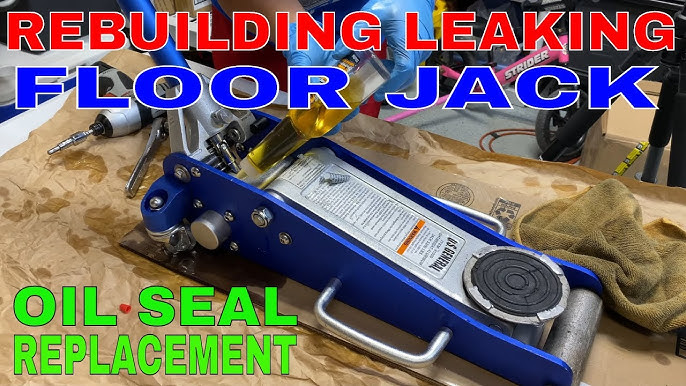
Start by placing a container under the jack. Open the drain valve or remove the plug. Let all old fluid flow out carefully. Dispose of the old fluid safely. Clean the drain area before closing it again.
Inspecting And Replacing Seals
Check seals for cracks, breaks, or wear signs. Remove damaged seals using a small tool. Buy new seals that fit your jack model. Install new seals carefully to avoid damage. Proper seals stop fluid from leaking out.
Checking And Tightening Fittings
Look at all bolts and connectors around the jack. Use a wrench to tighten any loose fittings. Avoid overtightening, which can cause damage. Tight fittings keep the hydraulic system sealed well. This step stops leaks from joints and connections.
Refilling And Bleeding The System
Pour fresh hydraulic fluid into the jack reservoir. Fill to the recommended level shown in the manual. Pump the jack slowly to remove air bubbles. Open the bleed valve if your jack has one. Keep pumping until fluid flows smoothly without air. This step ensures strong lifting power without leaks.
Credit: www.youtube.com
Preventing Future Leaks
Preventing future leaks in your floor jack helps keep it safe and working well. Leaks lower its lifting power. They also cause damage over time. Simple habits can stop leaks before they start. Regular care and correct use protect your jack. Follow these easy steps to keep it leak-free.
Regular Maintenance Tips
Clean your floor jack after each use. Wipe dirt and oil from all parts. Check seals and joints for cracks or wear. Replace damaged parts quickly. Lubricate moving parts with proper oil. This keeps seals soft and tight. Regular maintenance stops small problems from growing.
Proper Storage Practices
Store the floor jack in a dry place. Avoid wet or humid spots that cause rust. Keep it on a flat surface to prevent fluid leaks. Lower the jack completely before storing. Cover it with a cloth or plastic sheet. This protects it from dust and dirt.
Avoiding Overloading
Do not lift more weight than the jack’s limit. Overloading causes seals to break and leak. Check the jack’s capacity before use. Use a larger jack for heavy vehicles. Correct weight limits keep the jack safe and leak-free.
Periodic Fluid Checks
Check the hydraulic fluid level every few months. Low fluid causes poor lifting and leaks. Use the correct fluid type for your jack. Replace old or dirty fluid regularly. Clean fluid helps seals work properly and prevents leaks.
When To Seek Professional Help
Knowing when to get professional help for a leaking floor jack saves time and effort. Some problems need expert tools and skills. Ignoring serious damage can cause accidents or bigger repairs. Watch for clear signs that show your jack needs expert care.
Signs Of Major Damage
Fluid leaks that do not stop are a major sign. The jack might not lift properly or feels weak. Strange noises during use can mean internal damage. Cracks or bends on the frame also need attention. These signs show the jack is unsafe to use alone.
Cost Vs. Replacement Considerations
Repairing a floor jack can be cheaper than buying new. But some damages cost more to fix than replace. Calculate repair costs including parts and labor. Compare them with the price of a new jack. Choose the safer and more cost-effective option for you.
Finding A Reliable Repair Service
Look for repair shops with good reviews and experience. Check if they specialize in hydraulic tools or floor jacks. Ask about warranties on their repairs. A trustworthy service uses quality parts and offers clear pricing. This ensures your jack works well and lasts longer.

Credit: barsleaks.com

Credit: www.youtube.com
Frequently Asked Questions
How Can I Prevent My Floor Jack From Leaking Oil?
Regularly check and tighten all seals and bolts. Replace worn-out O-rings promptly. Keep the jack clean to avoid dirt damage. Store it upright to prevent oil seepage. Use the recommended hydraulic fluid to maintain optimal performance.
What Causes A Floor Jack To Leak Hydraulic Fluid?
Leaks often result from worn or damaged seals, loose fittings, or cracks in the hydraulic cylinder. Dirt and debris can also harm seals. Overfilling the fluid reservoir may cause leaks. Regular maintenance helps detect and fix these issues early.
How Often Should I Inspect My Floor Jack For Leaks?
Inspect your floor jack before each use and during routine maintenance. Frequent checks help catch leaks early and prevent damage. Pay close attention to seals, hoses, and fluid levels. Early detection ensures safety and extends the jack’s lifespan.
Can Improper Storage Cause Floor Jack Leaks?
Yes, storing the jack improperly can cause leaks. Always store it upright to keep hydraulic fluid in place. Avoid exposure to extreme temperatures or moisture. Proper storage maintains seal integrity and prevents fluid from seeping out.
Conclusion
Keeping a floor jack from leaking takes regular care and simple steps. Check seals and oil levels often. Clean dirt and debris to avoid damage. Tighten loose parts to stop leaks quickly. Small problems can grow if ignored. A well-maintained floor jack works safely and lasts longer.
Follow these tips to save money and avoid trouble. Your tools deserve good care for better performance. Easy habits make a big difference in the long run. Stay safe and keep your floor jack leak-free.