Are you staring at those stubborn Command hooks on your wall, wondering how to remove them without leaving a mess? You’re not alone.
Many people struggle with taking these hooks off cleanly, worried about damaging their paint or leaving sticky residue behind. The good news? You don’t need special tools or a lot of effort to do it right. You’ll discover simple, proven steps that make removing Command hooks quick and hassle-free.
Keep reading, and you’ll learn exactly how to protect your walls while getting those hooks off safely.
Credit: www.commandbrand.com.au
Types Of Command Hooks
Command hooks come in different types to suit various needs. Each type has a unique design and function. Knowing these types helps you choose the right hook for your wall and items.
Plastic Strips
Plastic strips are the base of many Command hooks. They stick to the wall with strong adhesive. The hook part snaps onto the strip. This design lets you remove the hook without damage.
Plastic strips come in different sizes and strengths. Some hold light items like keys. Others hold heavier items like kitchen tools. They leave no marks after removal.
Metal Hooks
Metal hooks offer extra strength and durability. They hold heavier items like coats and bags. The metal design looks simple and clean. They also use plastic strips to stick to walls.
Metal hooks are great for areas needing strong support. They resist bending and breaking easily. These hooks keep your space organized with style.
Decorative Styles
Decorative Command hooks add style to function. They come in shapes like flowers, animals, or geometric forms. These hooks match room decor and add charm.
They work well in bedrooms, living rooms, or offices. Decorative hooks hold light to medium items. They make hanging things more fun and attractive.
Credit: premiumdoorstripping.co.uk
Tools You’ll Need
Removing Command hooks without damaging your walls is simple with the right tools. These items help soften the adhesive and allow easy removal. Gather them before starting to make the process smooth and quick.
Warm Water
Warm water helps loosen the glue on the Command hook strip. Use a damp cloth soaked in warm water. Press the cloth gently on the adhesive strip for a few minutes. This softens the glue and makes pulling easier.
Hair Dryer
A hair dryer heats the adhesive, making it less sticky. Set it to medium heat and blow warm air on the strip. Keep the dryer moving to avoid overheating the wall. Heat helps the strip peel off without tearing paint.
Dental Floss
Dental floss works like a tiny saw to cut through the adhesive. Slide the floss behind the hook’s base. Use a gentle back-and-forth motion to separate the hook from the wall. This method prevents damage and keeps your wall clean.
Step-by-step Removal Process
Removing Command Hooks is simple if you follow the right steps. This guide breaks down the process clearly. It helps protect your walls from damage. Use these steps to remove hooks cleanly and easily.
Prepare The Area
Clear items from the hook and nearby wall. Make sure the wall is dry and clean. Avoid pulling the hook off quickly. This preparation helps prevent wall damage.
Stretch The Adhesive Strip
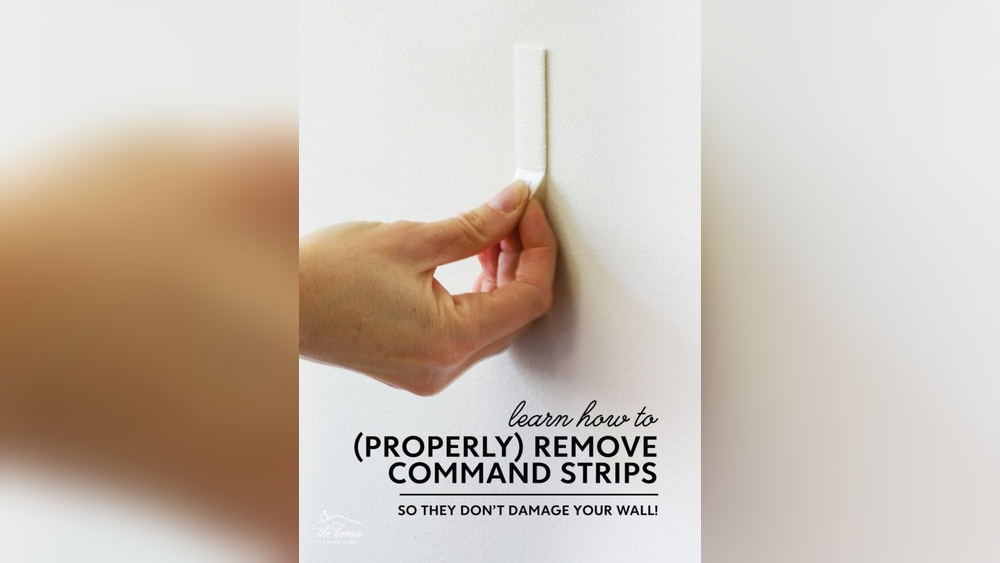
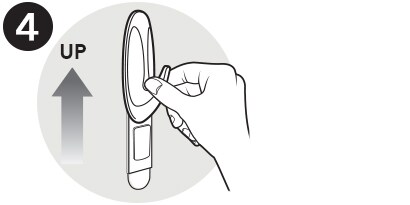
Find the adhesive tab at the bottom of the hook. Hold the hook gently with one hand. With the other hand, pull the tab straight down. Stretch the strip slowly along the wall. Keep pulling until the strip releases completely.
Use Heat For Stubborn Hooks
For hooks that do not come off easily, use heat. Warm the adhesive with a hairdryer on low heat. Heat softens the glue and makes removal easier. After heating, try stretching the strip again. Repeat if needed, but avoid overheating the wall.
Common Mistakes To Avoid
Removing Command Hooks can be tricky without the right approach. Many people make common mistakes that damage walls or make removal harder. Avoid these errors to keep your walls safe and remove hooks easily.
Pulling Too Hard
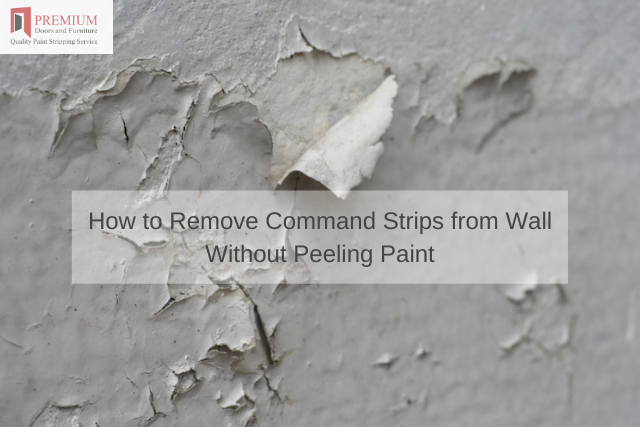
Pulling the hook off quickly can cause paint or drywall to peel. Command Hooks have a special strip that stretches slowly. Pull the tab downwards gently and steadily for best results. Rushing or yanking can ruin your wall finish.
Removing From Painted Walls
Painted walls need extra care. Some paints are delicate and can come off with the hook. Test a small area first or follow product instructions carefully. Pulling too fast or at the wrong angle can remove paint along with the hook.
Ignoring Surface Type
Command Hooks stick differently on various surfaces. Smooth surfaces like glass work best. Rough or porous walls may not hold the adhesive well. Check the wall type before applying or removing hooks to avoid damage or poor adhesion.
Tips For Clean Removal
Removing Command Hooks without harming your wall can be tricky. Follow some simple tips for clean removal. This keeps your walls neat and ready for new decorations. Taking your time and using the right steps makes a big difference.
Cleaning Residue
After you remove the hook, sticky residue may remain. Use warm, soapy water and a soft cloth to clean it. Avoid harsh scrubbing to protect paint or wallpaper. For tougher residue, try rubbing alcohol on a cotton ball. Test a small spot first to avoid damage.
Wall Repair Suggestions
Minor wall marks can appear after hook removal. Use a light sanding block to smooth rough spots. Fill small holes with spackling paste using a putty knife. Let the paste dry fully before painting. Match the paint color to hide repairs well.
Preventing Damage Next Time
Choose the right Command Hook size for your item. Follow package instructions carefully. Peel the adhesive strip slowly and pull straight down. Avoid pulling at an angle to prevent paint lifting. Test a small wall area before full use.
Alternatives To Command Hooks
Command hooks are great for hanging items without damage. Still, other options suit different needs and surfaces. These alternatives offer strong hold and easy removal for various spaces.
Suction Hooks
Suction hooks stick to smooth surfaces like glass or tiles. They use suction cups to hold light objects. No nails or adhesives needed. Ideal for bathrooms or kitchens. They leave no marks after removal. Best for temporary hanging.
Nails And Screws
Nails and screws provide strong, permanent support. Perfect for heavy items or rough walls. They require tools like hammers or drills. Can leave holes in walls. Good choice for long-term use. Make sure to use the right size.
Magnetic Hooks
Magnetic hooks attach to metal surfaces easily. No tools or adhesives required. Great for refrigerators, lockers, or metal doors. They hold moderate weight well. Easy to move and reposition. A practical option for metal areas.
:max_bytes(150000):strip_icc()/how-to-remove-command-strips-5089679-08-f1a503a270af4f05a47e576b957c8f6b.jpg)
Credit: www.thespruce.com
Frequently Asked Questions
How Do You Remove Command Hooks Without Damage?
To remove Command Hooks without damage, gently pull the adhesive strip downward. Keep the strip parallel to the wall. This method prevents paint peeling or wall marks. Always follow the product instructions for best results.
Can Heat Help In Taking Off Command Hooks?
Yes, applying gentle heat with a hairdryer can soften the adhesive. This makes the strip easier to stretch and remove. Use moderate heat to avoid damaging the wall or hook.
What Is The Best Way To Pull Off Command Hook Strips?
Pull the adhesive strip slowly and straight down, not outward. Stretching the strip releases the adhesive bond safely. Avoid pulling too fast to prevent wall damage or strip breaking.
Are Command Hooks Reusable After Removal?
No, Command Hooks are designed for one-time use. Once removed, the adhesive loses strength. For reuse, replace with a new hook and adhesive strip.
Conclusion
Removing Command Hooks does not have to be hard. Gently pull the tab straight down. Take your time to avoid wall damage. Clean the area with warm, soapy water after. This keeps your walls smooth and ready for new hooks.
Simple steps make the process quick and safe. You can change your hooks anytime without worry. Try it yourself and see how easy it is.


