Have you ever wondered how to climb a wall using a grappling hook? Whether you’re aiming to boost your outdoor skills, add an exciting new trick to your adventure toolkit, or simply impress your friends, mastering this technique can open up a whole new world of possibilities.
In this guide, you’ll discover clear, step-by-step instructions that make climbing a wall with a grappling hook easier and safer than you might think. Ready to learn how to reach new heights? Keep reading, and by the end, you’ll have the confidence and know-how to tackle walls like a pro.

Credit: www.youtube.com
Choosing The Right Grappling Hook
Choosing the right grappling hook is important for a safe and successful climb. The right hook fits your needs, the wall, and your strength. Picking the best type, material, and safety features makes climbing easier and safer.
Types Of Grappling Hooks
There are several types of grappling hooks. Some have three or four hooks that catch onto edges. Others use a single hook for easier throwing. Folding hooks save space and are good for travel. Each type works best in different climbing situations.
Material And Weight Considerations
Grappling hooks come in steel, aluminum, and titanium. Steel is strong but heavy. Aluminum is lighter but less strong. Titanium is light and strong but costs more. Choose a hook that balances weight and strength for your climb. A heavy hook can tire you quickly.
Safety Features To Look For
Good grappling hooks have sharp but safe edges to catch well. Look for hooks with secure locking mechanisms. Check if the hook has a good grip on the rope. Strong welds and solid construction prevent breaks during climbs. Safety means trust in your gear.
Essential Gear For Wall Climbing
Climbing a wall with a grappling hook requires the right gear for safety and success. Using proper equipment helps you climb easier and avoid injuries. Choosing the right tools is important before you start your climb.
Ropes And Harnesses
Strong ropes hold your weight and keep you safe. Use climbing ropes made of durable materials like nylon. The ropes must be long enough to reach the top of the wall.
A good harness fits snugly around your waist and legs. It distributes your weight evenly and connects you to the rope. Always check for secure buckles and strong stitching.
Climbing Gloves And Footwear
Gloves protect your hands from rope burns and rough surfaces. Choose gloves with a good grip and padding. They help you hold the rope and grappling hook firmly.
Wear climbing shoes with sticky soles for better grip. Shoes should fit tightly to avoid slipping. Good footwear helps you stand on small ledges and rough walls.
Helmet And Protective Equipment
A helmet protects your head from falling debris or accidents. Pick a lightweight helmet with a secure strap. It keeps you safe without blocking your view.
Other protective gear like knee pads and elbow guards prevent scrapes. They add comfort and shield your joints during tough climbs.
Preparing For The Climb
Preparing for the climb is the most important step. It helps you stay safe and climb with confidence. You need to check the wall, the grappling hook, and your anchor points. Taking time to prepare can prevent accidents. It also makes the climb smoother and easier.
Inspecting The Wall Surface
Look closely at the wall you want to climb. Check for cracks, loose bricks, or weak spots. A rough surface with good grip is best. Avoid walls that are wet or slippery. Make sure the area around the wall is clear of obstacles.
Testing The Grappling Hook
Before climbing, test your grappling hook carefully. Throw it at a sturdy part of the wall. Check if it holds firmly without slipping. Pull on the hook with your weight gently. Make sure it does not bend or break. A strong hook keeps you safe during the climb.
Setting Up Anchor Points
Anchor points hold your ropes and hooks steady. Find solid spots like beams or strong branches. Attach your anchors tightly and double-check them. Use good knots that won’t come loose. Secure anchors give you support and balance as you climb.
Credit: www.latimes.com
Techniques For Throwing The Grappling Hook
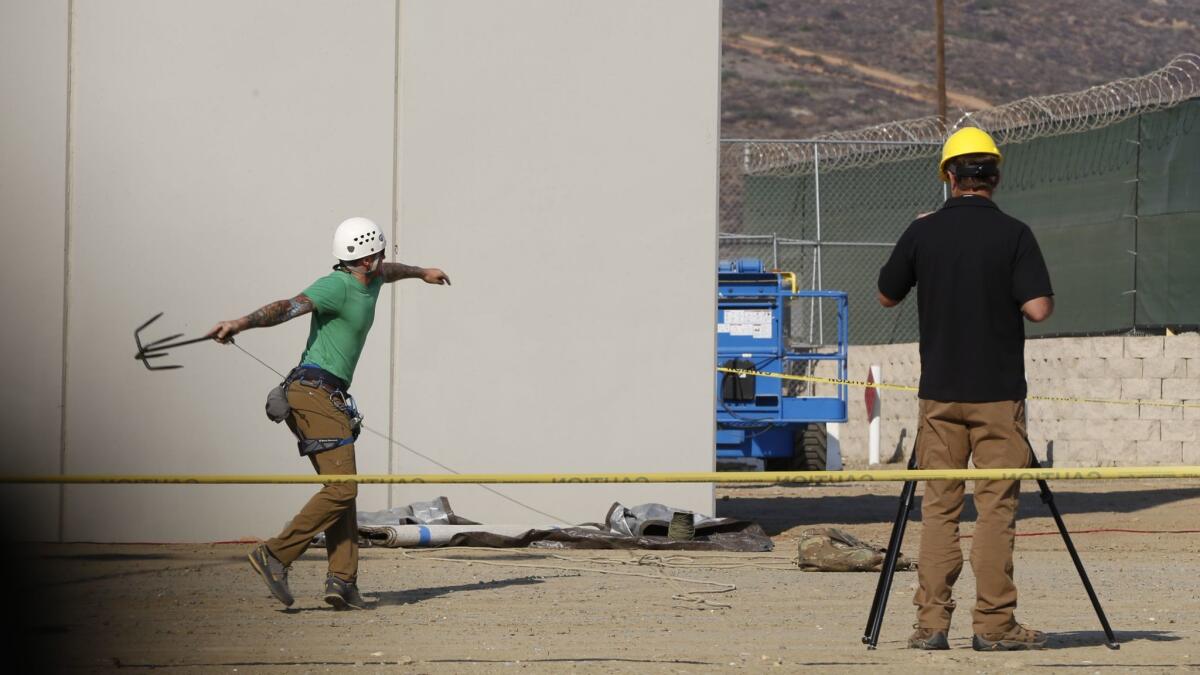
Throwing a grappling hook is a key skill for climbing walls safely and effectively. This step needs focus and practice. The right technique helps the hook catch securely. It reduces the risk of slipping or falling. Here are simple tips to improve your throwing skills and boost your confidence.
Choosing The Right Throwing Angle
Select an angle that allows the hook to catch firmly. Aim slightly above the target spot. This helps the hook hang securely on ledges or cracks. Avoid throwing too flat or too high. A 45-degree angle often works best for balanced force and accuracy.
Proper Grip And Release
Hold the rope and hook firmly with your dominant hand. Use your fingers, not your palm, for better control. Swing the hook back smoothly and then forward in one motion. Let go of the hook at the peak of your forward swing. This release point improves distance and precision.
Correcting Missed Throws
Stay calm if the hook misses the target. Pull the rope back gently to avoid tangles. Adjust your throwing angle slightly higher or lower. Check your grip to ensure it is steady. Practice small changes to find what works best for you.
Securing The Grappling Hook
Securing the grappling hook is a key step before climbing a wall. It ensures your safety and helps the hook hold strong. Without a secure anchor, the rope can slip or the hook can fall.
Follow simple steps to make sure the grappling hook stays in place. Check the hook’s grip on the wall and test its strength. Adjust the rope so you can climb smoothly and safely.
Ensuring Stable Anchor Placement
Place the grappling hook on a solid surface like a ledge or beam. Avoid loose bricks or weak spots. Make sure the hook’s claws catch firmly. A stable anchor stops the hook from moving or falling.
Tug Test For Stability
Pull the rope down hard to check the hook’s hold. Give short, strong tugs to see if it shifts. If the hook moves, reposition it and test again. Only climb when the anchor feels strong and steady.
Adjusting Rope Tension
Keep the rope tight but not too tight. Too loose means you can slip. Too tight can pull the hook out. Find the right balance for smooth climbing. Check tension often and adjust as you go.

Credit: www.amazon.com
Climbing The Wall Safely
Climbing a wall with a grappling hook requires focus and care. Safety should always be your top priority. Proper techniques reduce the risk of falling or injury. Use the right tools and methods for a secure climb. Understanding how to move and hold the rope makes a big difference.
Using The Rope And Hook For Support
First, ensure the grappling hook is firmly attached to the wall. Give it a strong pull to test its grip. Keep the rope tight but not too stiff. Use the rope to support your body weight gently. Avoid relying on the hook alone; combine it with your own strength.
Foot And Hand Placement Tips
Place your feet on stable spots on the wall. Look for small ledges or rough areas for better grip. Use your hands to hold the rope or parts of the wall. Move one hand or foot at a time to stay steady. Keep your movements slow and controlled to avoid slipping.
Maintaining Balance And Control
Keep your body close to the wall to maintain balance. Shift your weight evenly between your hands and feet. Stay calm and focused during the climb. Avoid sudden moves or jerks that can cause loss of grip. Breathing steadily helps maintain control and focus.
Common Mistakes To Avoid
Climbing a wall with a grappling hook is exciting but risky. Many beginners make simple mistakes that cause failure or injury. Avoiding these errors improves your chance of success and keeps you safe. Learn the common mistakes to avoid before you start your climb.
Improper Hook Placement
Placing the hook wrong makes it fall or slip. Aim for strong edges or solid objects. Avoid loose stones, thin branches, or weak surfaces. Test the hook by pulling it before climbing. Secure placement holds your weight and prevents accidents.
Overloading The Equipment
Using too much weight or force can break the rope or hook. Check the equipment limits before climbing. Do not carry heavy gear on the rope. Overloading causes damage and puts you in danger.
Ignoring Safety Precautions
Skipping safety steps leads to serious injuries. Wear gloves and a helmet. Use a harness and secure knots. Have a partner watch or help you. Always double-check your setup before climbing. Safety is the key to a safe climb.
Advanced Tips For Efficient Climbing
Advanced tips help you climb walls faster and safer with a grappling hook. They focus on smart techniques that save energy and time. These tips improve your control and make climbing smoother.
Practice these methods to climb like a pro and avoid common mistakes.
Using Momentum To Your Advantage
Swing your body gently to build momentum before climbing. This helps the hook catch firmly and reduces effort. Use your legs to push off the wall and create a smooth motion. Avoid sudden moves that can unbalance you. Controlled swings make climbing easier and safer.
Quick Release Techniques
Learn to release the grappling hook fast when needed. Quick release prevents getting stuck or tangled. Practice with your gear to find the release point by feel. Use both hands for better control and speed. This skill saves time and helps in emergencies.
Multi-hook Strategies
Use two or more hooks to increase stability and safety. Attach hooks at different points to spread your weight. This reduces the chance of slipping or hook failure. Switch between hooks as you climb to maintain balance. Multi-hook setups work well on rough or high walls.
Emergency Procedures And Troubleshooting
Climbing a wall with a grappling hook is exciting but can be risky. Knowing how to handle emergencies and fix problems is very important. This knowledge can keep you safe and help you climb with confidence. Here are some key steps to handle common issues.
Dealing With Hook Slippage
Hook slippage happens when the hook loses its grip. Stay calm and hold the rope tight. Check if the hook is caught on a strong spot. Try to pull it gently to set it better. Avoid sudden moves that could make it slip more. If it keeps slipping, lower yourself carefully and try again.
Rescue Techniques
If you get stuck or fall, you need quick rescue steps. Use your rope to secure yourself firmly. Signal for help by shouting or using a whistle. If climbing with a partner, they can pull you up slowly. Keep your body relaxed to avoid injury. Know how to lower yourself safely if needed.
Handling Equipment Failure
Equipment can fail, like broken ropes or hooks. Inspect your gear before climbing every time. Carry backup tools if possible. If failure happens, stop climbing immediately. Stay calm and find a safe spot to rest. Use your backup gear or call for help. Do not try risky moves with broken equipment.
Frequently Asked Questions
What Equipment Is Needed To Climb A Wall With A Grappling Hook?
You need a sturdy grappling hook, strong rope, gloves, and safety harness. Proper gear ensures safety and effectiveness when climbing.
How Do You Properly Throw A Grappling Hook?
Aim above the wall edge, swing the hook, and throw it firmly. Practice accuracy to secure a good hold on the surface.
Can Anyone Learn To Climb Walls Using A Grappling Hook?
Yes, with practice and proper guidance, most people can learn. Start with small heights and use safety measures during training.
What Safety Tips Should I Follow When Climbing Walls?
Always check equipment integrity, use a harness, and climb with a partner. Avoid risky surfaces and never climb without proper training.
Conclusion
Climbing a wall with a grappling hook takes practice and care. Always check your gear before starting. Choose a strong wall and a secure spot to hook. Pull yourself up slowly and stay balanced. Remember to stay safe and go step by step.
With patience, you can improve your skills. Keep trying, and soon you will climb with confidence. This method can help in many situations. Stay calm, focused, and enjoy the challenge.