Have you ever stuck a hook on your wall, only to wonder how to get it off without leaving a mess? Removing wall stick hooks can be tricky, especially if you want to keep your paint or wallpaper intact.
But don’t worry—this guide will show you simple, effective ways to take those hooks down cleanly. Keep reading, and you’ll learn the secrets to saving your walls while making your space look fresh again. Your walls will thank you!
Credit: www.youtube.com
Types Of Wall Stick Hooks
Wall stick hooks come in different types. Each type has a unique design and material. Knowing the types helps in removing them safely. Here are the main types you may find at home.
Plastic Hooks
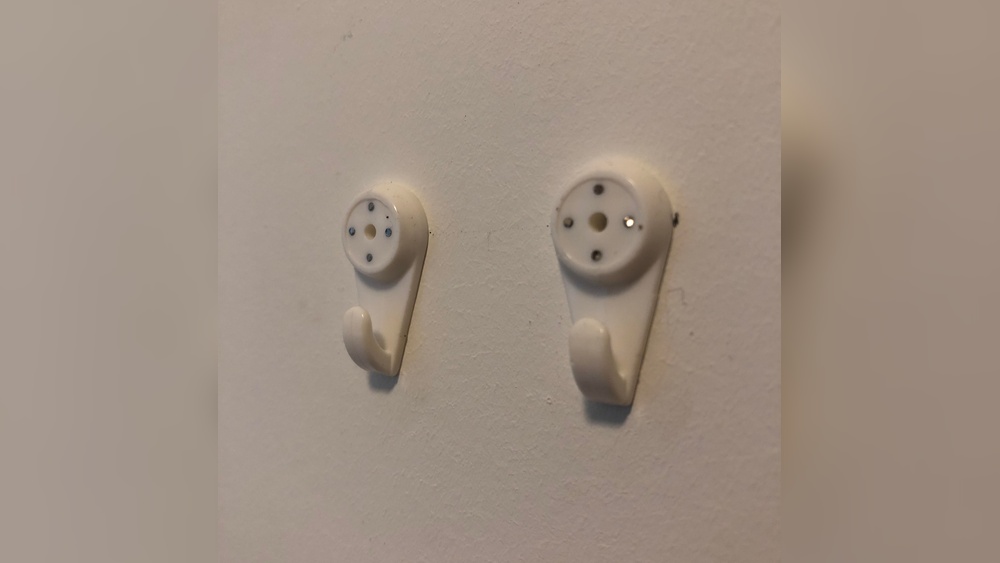
Plastic hooks are light and often clear or white. They stick to walls with a sticky pad or suction. These hooks hold light items like keys or small decorations. Removing them needs care to avoid wall damage.
Metal Hooks
Metal hooks are stronger and can hold heavier items. They often have a shiny or matte finish. Some metal hooks use adhesive strips, while others have suction cups. Removing metal hooks may require gentle pulling or sliding.
Adhesive Pads
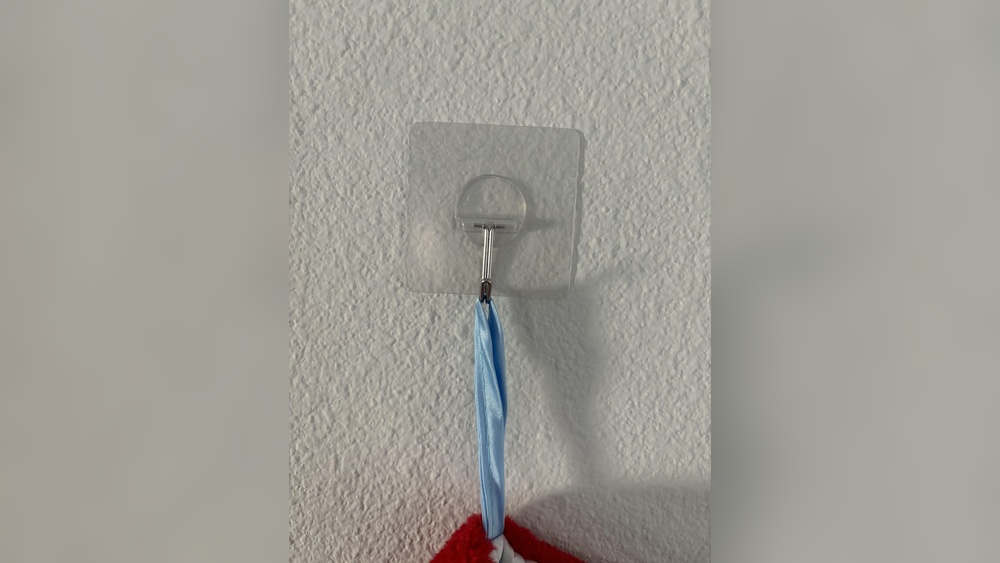
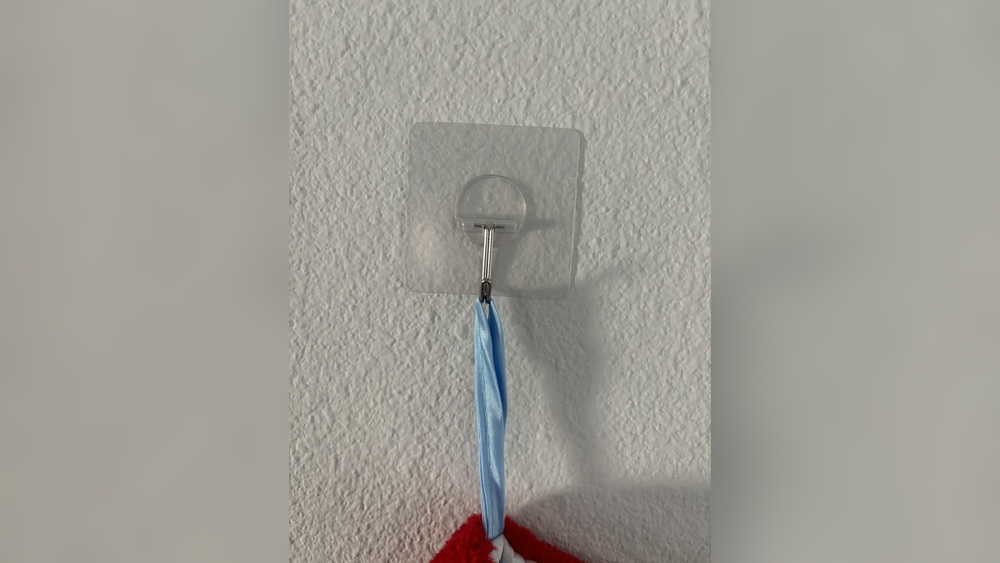
Adhesive pads are sticky strips used to attach hooks. They are thin and flexible. These pads stick well but can leave marks if pulled too hard. Removing adhesive pads slowly helps protect the wall surface.
Tools Needed For Removal
Removing wall stick hooks is easier with the right tools. These tools help protect your walls and make the process smooth. You do not need many items to start. Some tools are common in most homes. Others are made for specific tasks. Understanding what to use can save time and effort.
Common Household Items
Many wall stick hooks come off with simple tools. A hairdryer helps soften the adhesive. Warm air loosens the glue for easy removal. Use a plastic card to lift the edge gently. Avoid metal tools that can damage paint or walls. A clean cloth or sponge helps wipe away sticky residue. Soap and water can clean the surface afterward.
Specialized Tools
Some hooks need special tools for removal. An adhesive remover spray breaks down strong glue. Use it carefully to protect paint. A plastic scraper is designed to lift stuck hooks without damage. Rubber gloves protect your hands during the process. These tools are helpful for tough or old hooks. They make removal safer and cleaner.
Step-by-step Removal Methods
Removing wall stick hooks without damaging the paint or wall surface is important. These methods help take off hooks safely and cleanly. Follow each step carefully to avoid marks or residue. Choose a method that fits your wall type and the hook’s strength.
Peeling Off Slowly
Start by lifting the edge of the hook gently. Pull the hook slowly straight down. Keep the angle close to the wall. Do not pull outwards or too fast. This prevents paint from peeling off. Take your time to avoid damage.
Using Heat To Loosen Adhesive
Use a hairdryer to warm the hook’s adhesive. Hold it a few inches away from the hook. Heat softens the glue and makes removal easier. Warm the area for about 30 seconds. Then try peeling the hook off slowly. Repeat heating if needed.
Applying Soapy Water
Mix warm water with a few drops of dish soap. Soak a cloth in the soapy water. Press the cloth gently on the hook’s base for a minute. The water helps soften the adhesive. Try peeling the hook after wetting. This method works well on painted walls.
Using Dental Floss Or Fishing Line
Take a piece of dental floss or fishing line. Slide it behind the hook’s base. Move it back and forth like a saw. This action cuts through the adhesive gently. Keep pulling floss slowly until the hook comes off. This method reduces wall damage risk.
Preventing Wall Damage
Removing wall stick hooks can risk damage to your walls. Taking steps to protect the surface keeps walls looking fresh. Careful removal reduces paint peeling and surface marks. Follow these simple tips to prevent damage.
Avoiding Paint Peeling
Pulling hooks off too quickly can peel paint. Gently warm the adhesive with a hairdryer first. Heat softens the glue and makes removal easier. Slowly peel the hook from the wall at a low angle. Avoid pulling straight out to protect paint layers.
Minimizing Surface Marks
Sticky residue often stays after hook removal. Use a soft cloth with warm, soapy water to clean gently. Avoid harsh scrubbing that can scratch walls. For tougher glue, try rubbing alcohol on a cotton ball. Test a small spot first to prevent damage.
Cleaning Residue After Removal
After removing wall stick hooks, sticky residue often remains on the surface. This leftover adhesive can attract dust and dirt. It also makes your wall look messy. Cleaning this residue carefully is important to keep your wall smooth and clean.
Removing Sticky Residue
Start by gently rubbing the sticky area with your fingers or a soft cloth. Use warm soapy water to soften the glue. Avoid scrubbing hard to prevent wall damage. For tough residue, try a small amount of cooking oil or peanut butter. Let it sit for a few minutes, then wipe away with a clean cloth. Repeat if needed.
Using Household Cleaners Safely
Use mild household cleaners like dish soap or vinegar diluted with water. Test the cleaner on a small hidden spot first. This prevents wall discoloration or damage. Apply the cleaner with a soft cloth. Avoid harsh chemicals that can harm paint or wallpaper. Rinse the area with clean water and dry with a towel. This keeps your wall fresh and residue-free.

Credit: www.youtube.com
Tips For Reusing Hooks
Reusing wall stick hooks saves money and reduces waste. Proper care keeps hooks strong and ready for use. Simple steps help maintain their stickiness and shape. Follow these tips to get the most from your hooks.
Refreshing Adhesive
Old adhesive loses strength after use. Clean the sticky side with rubbing alcohol. Let it dry fully before reapplying. Use double-sided tape as a quick fix. Press firmly to ensure good contact. Avoid touching the adhesive with fingers. This keeps the surface clean and sticky.
Proper Storage
Store hooks in a cool, dry place. Avoid direct sunlight or heat sources. Keep hooks in a sealed bag to protect them. Lay hooks flat to stop bending or warping. Group small hooks together to prevent loss. Proper storage keeps hooks ready for reuse.
Alternatives To Wall Stick Hooks
Wall stick hooks are popular for hanging items without drilling holes. Yet, they can sometimes damage walls or lose stickiness over time. Several alternatives offer strong holding power without the same risks. These options suit different wall types and needs.
Magnetic Hooks
Magnetic hooks work well on metal surfaces like refrigerators or metal doors. They hold items without any glue or nails. Easy to move and reuse, they do not harm walls. Perfect for lightweight items such as keys or small tools.
Command Strips
Command strips use adhesive but remove cleanly without leaving marks. They hold more weight than stick hooks. Ideal for pictures, decorations, or light shelves. The strips peel off gently, protecting paint and wallpaper.
Nail And Screw Options
Nails and screws provide the strongest hold for heavy objects. They require small holes but last long. Use wall anchors for added support in drywall. Best for hanging shelves, mirrors, or heavy frames.

Credit: www.reddit.com
Frequently Asked Questions
How Do I Remove Wall Stick Hooks Without Damage?
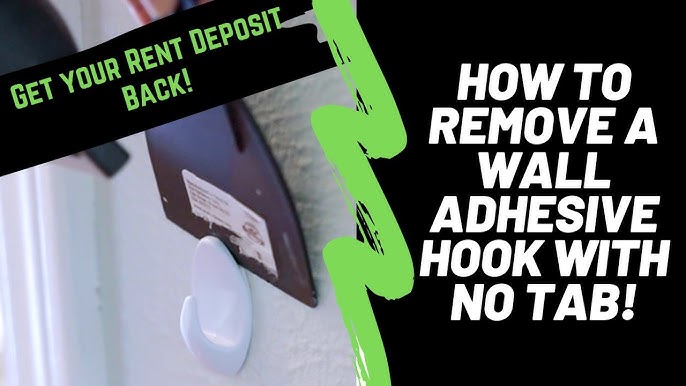
Gently pull the hook’s tab slowly and steadily. Use heat from a hairdryer to soften the adhesive. Avoid sudden force to prevent paint peeling or wall damage.
Can I Reuse Wall Stick Hooks After Removal?
Most wall stick hooks lose adhesive strength after removal. Clean the surface and apply new adhesive strips for reuse. Original hooks rarely stick well without fresh adhesive.
What Tools Help In Removing Wall Stick Hooks Safely?
A hairdryer, dental floss, and adhesive remover are helpful. Heat softens glue; floss slides behind to separate hook; remover cleans residue without harming paint.
How To Prevent Wall Damage When Removing Stick Hooks?
Heat the adhesive area first. Pull the tab slowly and parallel to the wall. Avoid sharp tools and sudden pulling to protect the paint and drywall.
Conclusion
Removing wall stick hooks does not have to be hard. Gently pull the hook or use heat to loosen the adhesive. Take your time to avoid damaging the wall surface. Clean any leftover sticky residue with warm soapy water or rubbing alcohol.
With these simple steps, you can keep your walls looking neat and clean. A little patience and care go a long way. Try these tips next time you want to remove hooks without leaving marks. Easy and effective.