Are you ready to brighten up your space and take control of your lighting? Adding a new ceiling light and switch might seem tricky, but with the right steps, you can do it yourself and save money.
Imagine flipping a switch and instantly transforming your room’s mood and function. In this guide, you’ll learn exactly how to install a ceiling light and switch safely and easily—even if you’re not an expert. Stick with me, and by the end, you’ll have the confidence to light up your home the way you want.
Let’s get started!

Credit: diy.stackexchange.com
Tools And Materials Needed
Adding a new ceiling light and switch requires careful preparation. You need specific tools and materials to complete the job safely and correctly. Having everything ready makes the work easier and faster. This section lists the items you need before starting.
Essential Tools
- Voltage tester to check electrical current
- Screwdrivers: flathead and Phillips
- Wire stripper for removing insulation
- Drill with bits for making holes
- Pliers for gripping and bending wires
- Measuring tape to mark locations
- Utility knife for cutting wires and insulation
Required Materials
- Ceiling light fixture of your choice
- Light switch compatible with your wiring
- Electrical wire (usually 14/2 or 12/2 gauge)
- Wire nuts for connecting wires safely
- Electrical box for the switch and light
- Mounting brackets or screws
- Electrical tape to secure wire connections
Safety Gear
- Insulated gloves to avoid electric shocks
- Safety goggles to protect your eyes
- Dust mask if drilling creates dust
- Non-slip shoes for stable footing
- Flashlight or headlamp for better visibility
Planning Your Installation
Planning your installation is the first step in adding a new ceiling light and switch. Proper planning ensures a smooth process and safe results. It helps you avoid costly mistakes and saves time. Start by choosing the right light fixture and switch type. Next, find the power source and check the wiring. This plan keeps the project organized and clear.
Choosing The Light Fixture
Select a light fixture that fits your room size and style. Measure the space to avoid a fixture that is too big or small. Think about the light’s brightness and type. LED lights save energy and last longer. Choose a fixture with easy installation instructions. Pick one that matches your ceiling type, such as flush mount or pendant lights.
Selecting The Switch Type
Decide on the switch type for your light. A simple on/off switch works for most rooms. Dimmer switches let you adjust light brightness. Consider smart switches for remote control via phone. Choose a switch that fits your wall box size. Check compatibility with your wiring system to avoid problems.
Locating Power Source And Wiring
Find the power source for your new light and switch. Look for existing wiring in the ceiling or walls. Use a voltage tester to check if wires have power. Plan the route for new wiring if needed. Ensure the power is off before working on electrical wires. Follow local electrical codes for safe installation.
Preparing The Work Area
Preparing the work area is the first step in installing a new ceiling light and switch. This step ensures safety and makes the installation easier. Taking time to set up the space helps avoid mistakes and accidents.
Turning Off Power
Always turn off the power at the circuit breaker before starting work. This prevents electric shock and keeps you safe. Use a voltage tester to confirm the power is off. Double-checking is better than risking injury.
Clearing The Ceiling Space
Remove any furniture or items under the ceiling area. Cover the floor with a drop cloth to catch dust and debris. Clear space helps you move freely and protects your belongings. Good lighting in the room also helps you see better.
Marking Installation Points
Use a pencil and measuring tape to mark where the light and switch will go. Mark the ceiling and wall clearly. Accurate marks make drilling and wiring easier. Take time to measure twice before cutting or drilling.
Credit: www.youtube.com
Wiring The Ceiling Light
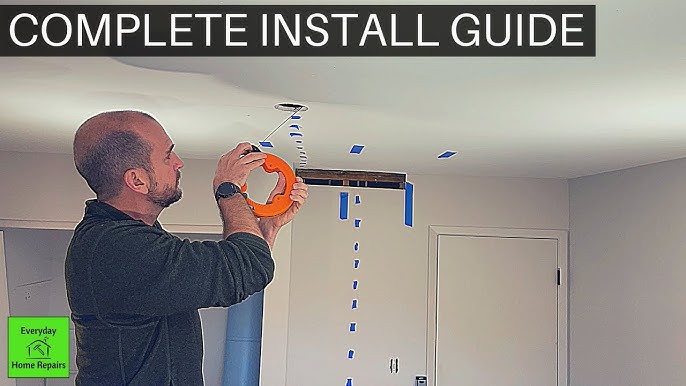
Wiring the ceiling light is a key step in installing a new fixture and switch. It connects the light to your home’s electrical system. Proper wiring ensures the light works safely and efficiently. This section explains the steps clearly and simply.
Running Electrical Cable
Start by turning off the power at the breaker box. Use a voltage tester to confirm no electricity flows. Run a new electrical cable from the switch box to the ceiling light location. Secure the cable along the joists or inside the walls. Leave enough cable length at both ends for connections.
Connecting Wires To Fixture
Strip about half an inch of insulation from each wire end. Match the black (hot) wire from the cable to the black wire on the fixture. Connect the white (neutral) wires together. Join the green or bare copper ground wires. Use wire nuts to secure each connection tightly.
Securing The Light Fixture
Attach the mounting bracket to the electrical box in the ceiling. Lift the fixture and connect its wires to the house wires. Push the wires into the box carefully. Screw the fixture base onto the mounting bracket firmly. Check the fixture is stable before restoring power.
Installing The Switch
Installing the switch is a key step in adding a new ceiling light. It controls the power to the light and makes it easy to turn on or off. This process involves cutting an opening in the wall, wiring the switch correctly, and mounting the switch plate securely. Each task requires care to ensure safety and proper function.
Cutting Wall Opening
Start by marking the spot where the switch will go. Use a pencil to draw the outline of the switch box. Check the wall for any pipes or wires before cutting. Use a drywall saw to cut along the outline carefully. Keep the hole clean and smooth to fit the switch box easily.
Wiring The Switch
Turn off the power at the breaker box before touching wires. Pull the electrical wires through the switch box opening. Strip the ends of the wires to expose about half an inch of metal. Connect the black (hot) wire to the switch terminal. Attach the white (neutral) wire to the wire nut or leave it in the box. Connect the ground wire to the green screw on the switch. Tighten all connections and tuck wires neatly inside the box.
Mounting The Switch Plate
Align the switch with the box and secure it using screws. Make sure the switch is straight and flush with the wall. Attach the switch plate over the switch and tighten the screws. The plate should sit flat without gaps. Restore power and test the switch to confirm it works properly.
Testing And Troubleshooting
Testing and troubleshooting are crucial after installing a new ceiling light and switch. This step ensures the system works safely and correctly. It helps find any issues before final use. Follow these simple steps to confirm your installation is successful and safe.
Restoring Power
First, turn the main power back on at the circuit breaker. This restores electricity to the room. Check that the breaker stays in the “on” position. If it trips again, turn it off and review your wiring. Never force the breaker on if it keeps tripping.
Checking Light Operation
Next, test the light switch by flipping it on and off. The ceiling light should turn on smoothly. If the light flickers or stays off, switch it off immediately. Double-check your connections in the switch box and light fixture. Tighten any loose wires carefully.
Common Issues And Fixes
If the light does not work, check the bulb first. Replace it with a new one if needed. A faulty bulb is a frequent problem. Loose wires can cause the switch to fail. Make sure all wires are connected to the right terminals. Also, confirm the ground wire is secure. If the breaker trips, look for short circuits or wrong wiring. Always use a voltage tester for safety. Fixing these small issues ensures your light and switch work perfectly.
Safety Tips And Best Practices
Working with electricity can be risky. Following safety tips keeps you safe and prevents accidents. These best practices help avoid damage and ensure a smooth installation.
Avoiding Electrical Hazards
Always turn off the power at the breaker box before starting. Use a voltage tester to double-check the wires are not live. Never touch wires with wet hands or metal tools. Keep your workspace dry and clean to reduce risks. Avoid loose clothing or jewelry that can catch on wires or tools.
Using Proper Tools
Use insulated screwdrivers and pliers made for electrical work. Choose a sturdy ladder to reach the ceiling safely. Have a voltage tester and wire strippers ready. Using the right tools makes the job easier and safer. Avoid makeshift tools that can cause slips or damage.
When To Call A Professional
Call an electrician if you see damaged wires or old wiring. If unsure about wiring connections, get expert help. Complex electrical systems need professional skills and knowledge. It is safer and saves time to hire a pro. Never risk your safety by guessing or rushing the work.

Credit: diy.stackexchange.com
Frequently Asked Questions
How Do I Safely Turn Off Power Before Installation?
Always switch off the circuit breaker for the room. Use a voltage tester to confirm no electricity flows. This step prevents electric shocks during ceiling light and switch installation.
What Tools Are Needed To Add A Ceiling Light And Switch?
You’ll need a voltage tester, wire strippers, screwdriver, drill, electrical tape, wire nuts, and a ladder. These tools help ensure a safe and efficient installation process.
Can I Install A Ceiling Light Without Existing Wiring?
Yes, but you must run new electrical wires from the breaker or existing junction box. This may require drilling and fishing wires through walls or ceilings.
How Do I Connect Wires To The New Ceiling Light And Switch?
Match wire colors: black (hot), white (neutral), and green or copper (ground). Secure connections with wire nuts and electrical tape. Follow manufacturer instructions carefully for safety.
Conclusion
Adding a new ceiling light and switch can brighten any room quickly. Follow each step with care and check your work twice. Safety matters most, so turn off power before starting. Using simple tools makes the task easier and faster.
With patience, you will enjoy a well-lit space soon. Small upgrades like this add comfort and style to your home. Keep practicing, and you will gain confidence in home projects. Light up your room, and enjoy the cozy atmosphere you create.


