When you’re working with threaded fasteners, knowing which ones you can reuse—and which ones you can’t—can save you time, money, and even prevent serious damage. You might think all bolts and screws are good to go after a quick check, but that’s not always true.
Some fasteners lose their strength or shape once removed, making them unsafe to use again. If you want to avoid costly mistakes and keep your projects strong and secure, understanding which threaded fasteners cannot be reused is crucial. Keep reading to find out exactly which ones you should replace every time.
Credit: www.nord-lock.com
Common Types Of Threaded Fasteners
Threaded fasteners come in many types, each designed for specific uses. Knowing which fasteners cannot be reused helps maintain safety and performance. Some fasteners lose strength or thread shape after removal. This makes them unsafe for reuse. Understanding common fasteners helps identify those that should be replaced every time.
Bolts And Screws
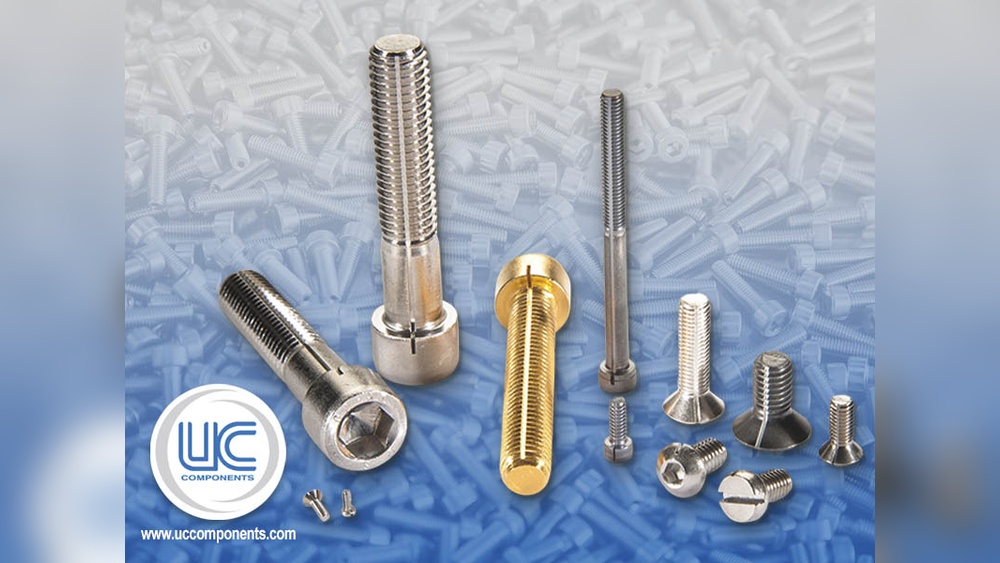
Bolts and screws are popular fasteners with external threads. Bolts usually need nuts to hold parts together. Screws often thread directly into materials. Both can lose thread integrity after being tightened once. Some bolts and screws stretch or deform under pressure. These should not be reused in critical applications.
Nuts And Washers
Nuts are fasteners with internal threads. Washers sit under nuts or bolt heads to spread pressure. Nuts can suffer thread damage after removal. Some types, like lock nuts, lose their locking ability. Washers may bend or wear out, reducing their effectiveness. Replace nuts and washers if they show wear or damage.
Studs And Threaded Rods
Studs are threaded rods fixed in place with nuts on both ends. Threaded rods are long, fully threaded bars. Both can twist or wear during use. Threads may strip or flatten after removal. Reusing damaged studs or rods risks joint failure. Always inspect these fasteners carefully before reuse.
Factors Affecting Reusability
Threaded fasteners are common in many machines and structures. Not all fasteners can be reused safely. Several factors affect their reusability. Understanding these helps prevent failures and maintain safety.
Material Fatigue And Wear
Material fatigue happens after many uses. The fastener metal weakens and cracks may form. Wear occurs as threads rub against surfaces. This reduces the fastener’s strength and grip. Reusing fatigued or worn fasteners risks failure.
Thread Damage And Deformation
Threads can get damaged by over-tightening or cross-threading. Deformed threads do not fit properly. This causes poor holding power and loosening. Fasteners with damaged or bent threads should not be reused.
Corrosion And Contamination
Rust and corrosion eat away at metal threads. Contaminants like dirt or oil can affect thread engagement. Corroded or dirty fasteners lose strength and reliability. Avoid reusing fasteners with visible corrosion or heavy contamination.
Fasteners That Should Never Be Reused
Some threaded fasteners lose their strength after use. Reusing these can cause serious problems. They may fail under pressure or cause damage. Knowing which fasteners to discard is key for safety and reliability.
Fasteners designed for one-time use should never be reused. They are made to stretch or lock in place permanently. Reusing them reduces their holding power. This can lead to accidents or costly repairs.
Torque-to-yield Bolts
Torque-to-yield bolts stretch during installation. This stretching creates a tight hold. Once stretched, they cannot return to their original shape. Reusing these bolts means they cannot grip properly. This risks loosening and failure under stress.
Self-locking Nuts
Self-locking nuts have a special insert to prevent loosening. This insert wears out after the first use. Reusing these nuts reduces their locking ability. It can cause the nut to come loose over time. Always replace self-locking nuts after removal.
Cracked Or Deformed Threads
Threads that are cracked or bent lose strength. Damaged threads cannot hold fasteners tightly. Reusing fasteners with damaged threads risks stripping and failure. Always inspect threads before reuse. Discard any fastener with visible damage.
Credit: www.hellermanntyton.com
Safety Risks Of Reusing Fasteners
Reusing threaded fasteners might seem like a good idea to save money and time. Yet, it carries serious safety risks. These risks can lead to accidents and costly repairs. Understanding these dangers helps ensure safe and reliable connections in machines and structures.
Loss Of Clamping Force
Fasteners rely on tight clamping force to hold parts together. Reused fasteners often lose this force. Threads can wear out or deform during removal. This reduces their ability to grip properly. Weak clamping can cause parts to loosen or separate.
Structural Failures
Fasteners support loads and stresses in structures. Using damaged or worn fasteners raises the chance of failure. Cracks or metal fatigue may go unnoticed. This can lead to sudden breaks or collapses. The risk is high in critical structures like bridges or vehicles.
Equipment Damage
Loose or broken fasteners can cause machines to malfunction. Parts may shift, rub, or break. This leads to expensive repairs and downtime. In some cases, damaged fasteners can cause injury to operators. Maintaining fastener integrity protects both equipment and people.
Inspection Techniques Before Reuse
Before reusing threaded fasteners, proper inspection is essential. This step ensures safety and performance. Fasteners can wear out or get damaged during use. Inspecting them helps avoid failure in future applications.
Visual Inspection
Start with a close look at the fastener. Check for cracks, corrosion, or dents. Look for thread damage like flattening or stretching. Any visible flaw means the fastener should not be reused. Clean the fastener first to see details clearly.
Thread Gauging
Use a thread gauge to measure the threads’ size and shape. This tool helps identify worn or stripped threads. Proper thread engagement is crucial for a secure fit. If the gauge does not fit well, the fastener must be discarded.
Non-destructive Testing
Non-destructive testing (NDT) finds hidden cracks or defects. Methods include magnetic particle inspection and dye penetrant testing. These tests do not harm the fastener. NDT is important for critical applications where failure is dangerous.
Best Practices For Fastener Replacement
Replacing threaded fasteners correctly is key to safety and durability. Damaged or worn fasteners can cause parts to fail. Follow best practices to ensure strong, reliable connections every time.
Proper replacement extends the life of your equipment. It also prevents costly repairs and accidents. Focus on guidelines from the manufacturer, correct torque use, and effective locking methods.
Manufacturer Recommendations
Always follow the manufacturer’s advice for fastener replacement. They know the exact type and grade needed. Using the wrong fastener can lead to damage or failure. Check the manual or product label for specific instructions.
Some fasteners are designed for single use only. Replace these as instructed to maintain safety. Ignoring these rules can void warranties and cause risks.
Proper Torque Application
Applying the right torque is crucial. Too much torque can strip threads or break fasteners. Too little torque allows loosening and leaks. Use a calibrated torque wrench for accuracy.
Follow torque specifications exactly. Tighten fasteners in the correct sequence to spread pressure evenly. This ensures a secure and lasting hold.
Use Of Thread Locking Compounds
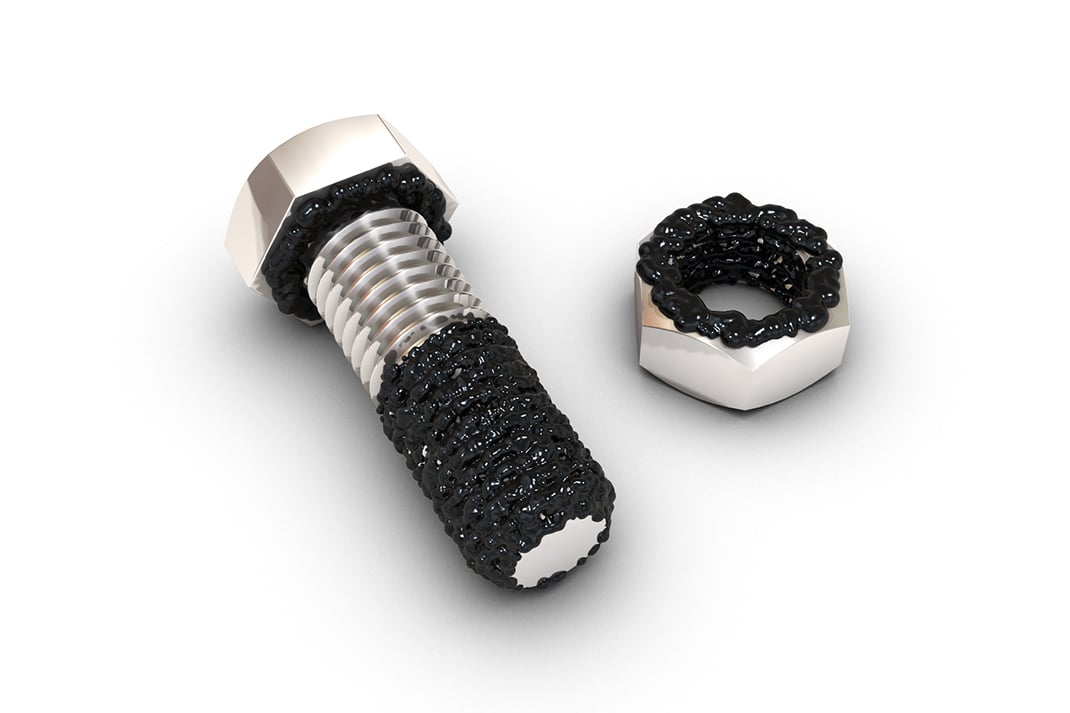
Thread locking compounds prevent fasteners from loosening due to vibration. Choose the correct type for your application—permanent or removable. Clean threads before applying the compound for better adhesion.
Use sparingly; too much compound can cause problems. Allow the compound to cure fully before use. This step improves fastener reliability and safety.
Credit: www.hellermanntyton.com
Frequently Asked Questions
Which Threaded Fasteners Should Never Be Reused?
Fasteners like self-locking nuts, prevailing torque nuts, and some nylon-insert lock nuts should never be reused. Their locking mechanisms degrade after removal, reducing effectiveness and safety. Always replace these to ensure secure fastening and avoid potential mechanical failures.
Can Torque-to-yield Bolts Be Reused Safely?
No, torque-to-yield bolts are designed for single use only. They stretch during installation and lose their strength after removal. Reusing them can cause improper clamping force, leading to joint failure. Always replace torque-to-yield bolts to maintain structural integrity.
Why Are Nylon-insert Lock Nuts Not Reusable?
Nylon inserts in these nuts deform when tightened, providing a locking action. Once removed, the insert loses elasticity and can’t secure properly again. Reusing them reduces locking ability and increases the risk of loosening under vibration.
Are Damaged Threaded Fasteners Safe To Reuse?
Damaged fasteners, such as those with stripped threads or corrosion, should never be reused. They compromise joint strength and safety. Always inspect fasteners carefully and replace any that show visible wear or damage to ensure reliable performance.
Conclusion
Threaded fasteners can wear out after use and lose strength. Some types, like torque-to-yield bolts, must never be reused. Reusing damaged or stretched fasteners can cause safety issues. Always check fasteners carefully before deciding to reuse them. Using new fasteners ensures a secure and safe connection.
Remember, saving money on fasteners can lead to costly repairs later. Better to be safe than sorry. Choose quality and follow guidelines for best results.