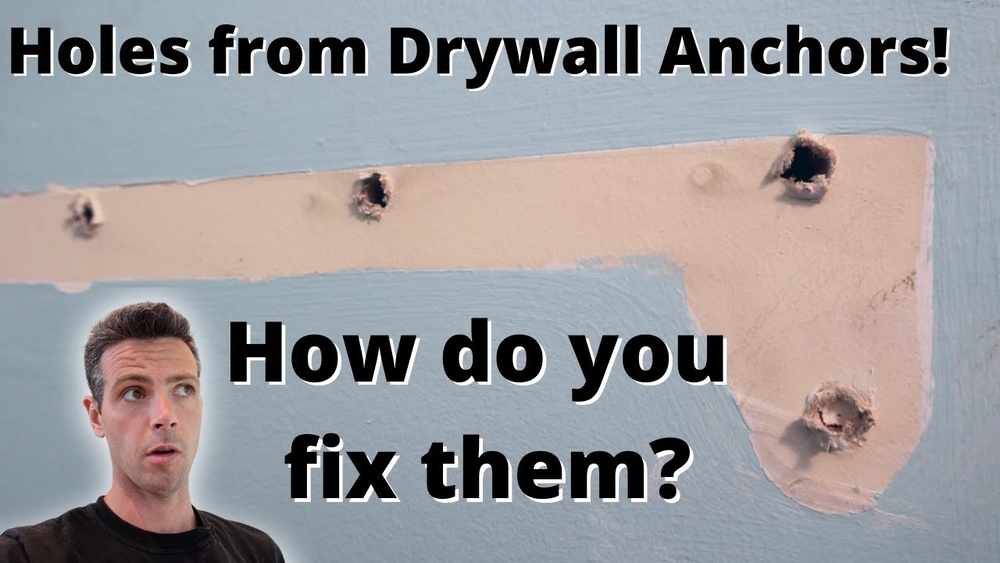
Have you ever removed a wall anchor and been left staring at an unsightly hole? Filling those holes might seem tricky, but with the right steps, you can restore your wall to a smooth, flawless finish.
Whether you’re preparing to repaint, redecorate, or just want your walls to look their best, this guide will show you exactly how to fill holes from wall anchors quickly and easily. Keep reading, and you’ll learn simple techniques that save you time and effort—giving your walls a fresh, clean look you’ll be proud of.
Tools And Materials Needed
Fixing holes left by wall anchors requires the right tools and materials. Using proper supplies makes the repair strong and neat. Prepare your workspace with these items for a smooth process.
Common Wall Anchors
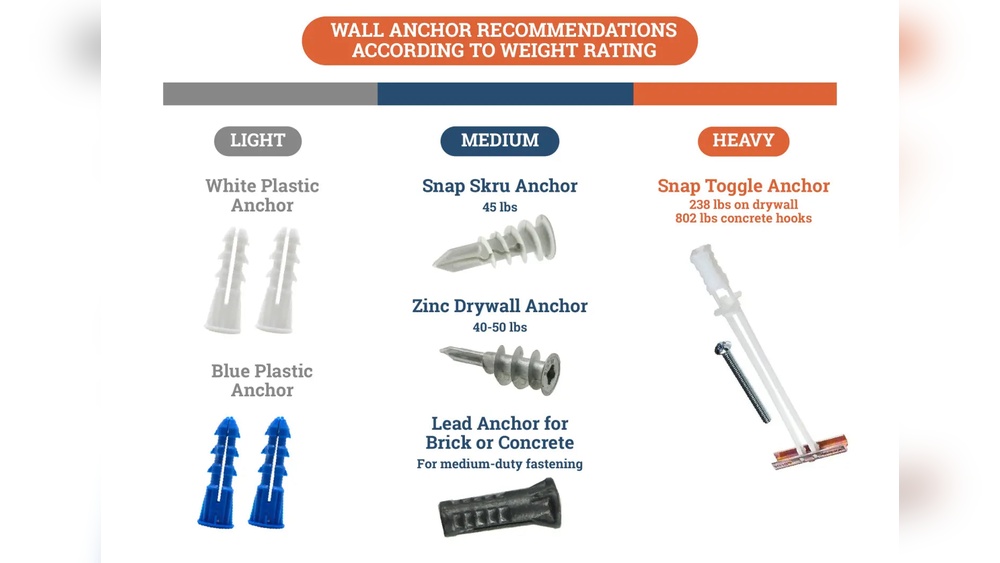
Wall anchors come in different types and sizes. Plastic expansion anchors are the most common for light loads. Metal anchors offer more strength for heavier items. Toggle bolts work well in drywall for strong hold. Knowing the type helps choose the right patching method.
Essential Repair Supplies
Gather spackle or wall filler to fill the holes. A putty knife helps spread the filler evenly. Sandpaper smooths the surface after drying. Primer and paint restore the wall’s original look. A damp cloth cleans dust before painting. These supplies ensure a clean, professional finish.
Preparing The Damaged Area
Preparing the damaged area is the first step to fix holes left by wall anchors. This step makes sure the patch will stick well and look smooth. Take your time here to get the best results.
Removing Loose Debris
Start by removing any loose bits around the hole. Use a small brush or your fingers to clear away dust and crumbling pieces. Loose debris can stop the patch from sticking properly. Make sure the edges of the hole are solid and clean.
Cleaning The Hole
Next, clean inside the hole to remove dirt and oil. Use a damp cloth or a cotton swab with mild soap. Let the hole dry completely before filling it. Clean holes help the filler stick better and last longer.
Choosing The Right Filler
Choosing the right filler for holes left by wall anchors is important. The filler must match the wall type and size of the hole. Using the wrong filler can cause cracks or poor finishes. This guide helps you pick the best filler for a smooth, clean wall.
Spackling Vs. Joint Compound
Spackling is best for small holes and quick repairs. It dries fast and sands easily. Joint compound is thicker and used for larger holes. It takes longer to dry but creates a stronger patch. Both work well on drywall, but spackling is simpler for beginners.
Using Wood Putty For Wooden Walls
Wood putty fills holes in wooden walls perfectly. It sticks well to wood and blends with the surface. Some wood putties can be stained or painted to match wood color. Use wood putty only on wood, not drywall or plaster. It keeps wooden walls smooth and natural-looking after repair.

Credit: www.youtube.com
Step-by-step Repair Process
Fixing holes from wall anchors is simple with the right steps. Follow this easy guide to repair the holes quickly. The process involves applying filler, shaping it smooth, and letting it dry. Each step helps restore your wall to its original look.
Applying The Filler
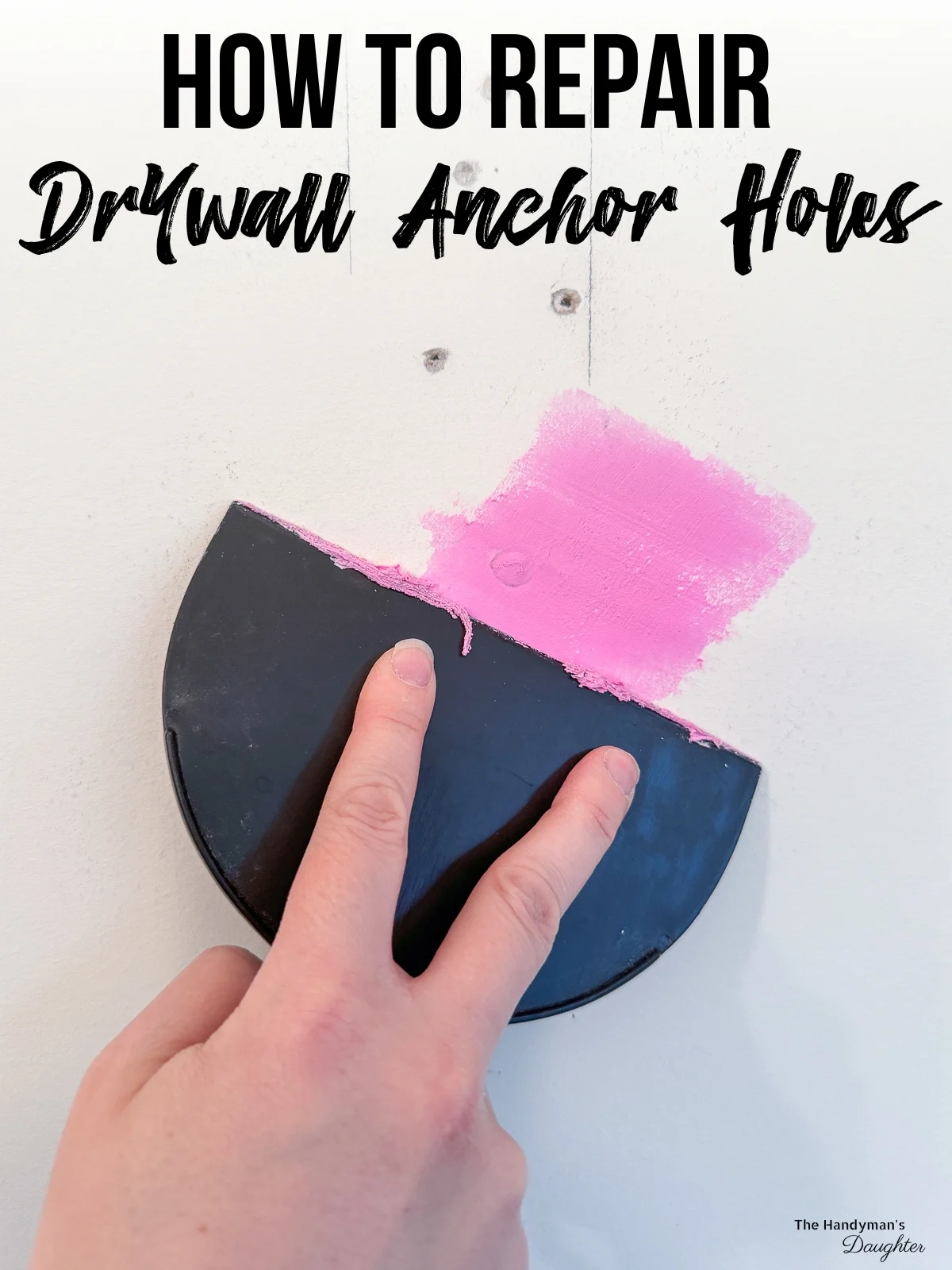
Start by choosing a good wall filler or spackle. Use a putty knife to scoop some filler. Press it firmly into the hole. Fill the hole completely, leaving a small mound above the surface. This extra filler will help in the next step.
Smoothing And Shaping
Use the putty knife to smooth the filler. Spread it evenly around the hole. Remove any excess filler from the wall surface. Shape the filler to match the wall’s flatness. This step creates a clean, even patch.
Letting It Dry
Allow the filler to dry fully. Drying time depends on the product used, usually 1 to 3 hours. Avoid touching the patch during this time. Once dry, the patch will be hard and ready for sanding or painting.
Sanding And Finishing Touches
After filling holes from wall anchors, sanding and finishing touches make the repair look perfect. This step smooths the surface and prepares it for painting. The right sanding and painting techniques help the wall blend seamlessly.
Sanding For A Smooth Surface
Start sanding with fine-grit sandpaper. Sand gently in small circles over the filled hole. This removes bumps and rough edges. Check by running your finger over the surface. It should feel flat and smooth. Wipe away dust with a clean cloth. Avoid sanding too hard to prevent damage.
Painting Tips
Choose paint that matches your wall color. Use a small brush for better control. Apply thin layers of paint over the patched area. Let each layer dry before adding the next. Blend the edges carefully to avoid visible lines. Finish by checking the wall under different lights.
Preventing Future Wall Damage
Preventing future wall damage is key after filling holes from wall anchors. Choosing the right anchor and installing it correctly helps keep walls strong. It also avoids extra repairs and saves time.
Choosing Appropriate Anchors
Pick anchors that match the wall type. Drywall needs different anchors than brick or concrete. Use lightweight anchors for small items. Heavy objects need stronger, more durable anchors.
Check the weight limit on the anchor package. Do not guess. Using anchors too weak causes holes to grow bigger over time. Choose anchors designed for your specific use.
Proper Installation Techniques
Drill holes the correct size for anchors. Too big or too small holes cause loose fitting. Use a level to mark spots carefully. This keeps items straight and reduces stress on anchors.
Insert anchors gently, avoiding cracks or wall damage. Tighten screws slowly to prevent wall cracking. Stop tightening once the object feels secure. Over-tightening can cause new holes or wall damage.
Quick Fixes For Large Holes
Large holes from wall anchors need a strong and fast repair. These holes can look ugly and may weaken the wall. Fixing them quickly helps keep your walls smooth and safe. Here are some simple ways to fill big holes with easy steps and common tools.
Using Patch Kits
Patch kits are ready-made solutions for big holes. They come with a mesh patch and spackle or joint compound. First, clean the hole edges to remove loose debris. Then, stick the mesh patch over the hole. Apply the spackle smoothly using a putty knife. Let it dry fully before sanding it flat. Finally, paint over the patch to match the wall color. Patch kits save time and give a neat finish.
Alternative Repair Methods
For larger holes, try cutting a drywall piece to fit. Trace the hole size on a new drywall patch. Cut out the shape with a utility knife. Fix wooden strips inside the hole for support. Attach the drywall patch to these strips using screws. Cover the seams with joint compound and tape. Smooth the surface with sanding once dry. Paint the area to blend with the rest of the wall. This method gives a strong, lasting repair.

Credit: diy.stackexchange.com
Credit: www.thehandymansdaughter.com
Frequently Asked Questions
How Do I Remove Wall Anchors Without Damaging Walls?
To remove wall anchors, first unscrew or pull them gently. Use pliers for stubborn anchors. Avoid force to prevent wall damage. If holes remain, fill them with spackle for a smooth finish.
What Materials Are Best For Filling Holes From Wall Anchors?
Use lightweight spackle or joint compound to fill wall anchor holes. These materials dry quickly and sand easily. They provide a smooth surface for painting or wallpapering.
Can I Paint Directly Over Filled Wall Anchor Holes?
Yes, after the filler dries and is sanded smooth, apply primer. Once primed, you can paint over the patched area for a uniform look.
How Long Does It Take For Filler To Dry In Wall Holes?
Drying time varies by filler but typically takes 1-2 hours. For thicker layers, it may take longer. Always check manufacturer instructions for accurate drying times.
Conclusion
Filling holes from wall anchors is easy with the right steps. Use the right filler and a putty knife for a smooth finish. Let the filler dry completely before sanding it down gently. Painting over the repair helps it blend with the wall.
This simple fix makes your walls look neat and clean again. Keep these tips in mind for future repairs. Small repairs like this save time and money. Your walls will look great and stay strong.