Have you ever thought about the small parts that keep your car running smoothly? Fasteners may seem tiny and unimportant, but they play a huge role in your vehicle’s safety and performance.
If these little pieces wear out or break, it could lead to bigger problems down the road. So, does your car’s fasteners need replacement? Keep reading to find out how to spot the signs and why timely action can save you money and keep you safe on the road.

Credit: maiamidwifery.com
Role Of Fasteners In Cars
Fasteners hold many parts of a car together. They keep the engine, body panels, and interior parts secure. Without fasteners, a car would fall apart quickly. They allow parts to stay in place despite road vibrations and movements. Fasteners also make repairs and maintenance easier. Understanding their role helps in knowing why they might need replacement.
Types Of Automotive Fasteners
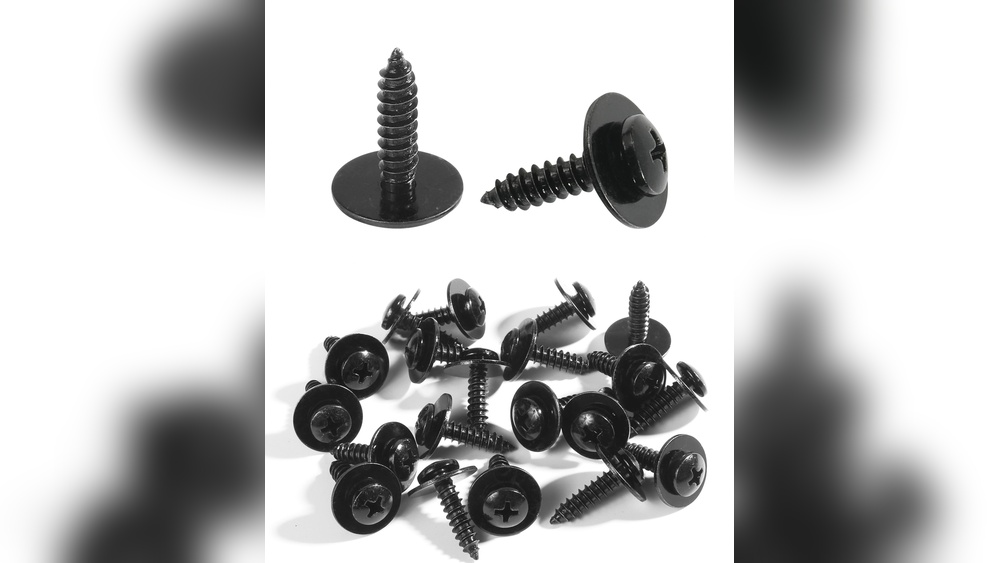
Cars use various fasteners like bolts, nuts, screws, and clips. Bolts and nuts are common for strong joints. Screws hold lighter parts or trim pieces. Clips secure panels and covers without damage. Each fastener fits a specific purpose in a car’s design.
Materials Used For Fasteners
Fasteners come in steel, aluminum, and plastic. Steel is strong and resists wear well. Aluminum is lighter and prevents rust. Plastic fasteners are flexible and protect delicate parts. Material choice affects durability and performance under stress.
Fasteners And Vehicle Safety
Fasteners keep critical parts from moving or falling off. Loose fasteners can cause engine or brake failure. Properly tightened fasteners ensure structural integrity. Safety depends on inspecting and replacing worn fasteners. They play a key role in protecting passengers on the road.

Credit: www.ebay.com
Common Causes Of Fastener Wear
Fasteners hold many parts of a car together. Over time, these small components can wear out. Understanding common causes of fastener wear helps keep a car safe and reliable.
Environmental Factors
Fasteners face many outside conditions daily. Heat from the engine and cold from winter affect their strength. Dirt and dust can build up around them. Water exposure causes swelling or damage. Sunlight can also weaken some materials. These factors reduce fasteners’ lifespan.
Mechanical Stress And Vibration
Cars move and shake a lot during driving. This constant motion puts pressure on fasteners. Tight spots can cause fasteners to loosen or crack. Heavy loads add extra strain on bolts and screws. Over time, mechanical stress breaks down fasteners.
Corrosion And Rust Effects
Moisture and salt cause rust to form on fasteners. Rust eats away metal, making fasteners weak. Corrosion can cause threads to strip or break. Rusty fasteners lose their grip and fail. Regular checks help spot corrosion early.
Signs Fasteners Need Replacement
Fasteners hold many parts of your car together. Over time, they can wear out or get damaged. Knowing the signs fasteners need replacement helps keep your car safe. Watch for clear clues around your vehicle. Acting early can prevent bigger problems later.
Visible Damage And Deformation
Check fasteners for cracks, rust, or bends. Damaged fasteners may break under pressure. Look closely around wheels, engine mounts, and body panels. Any visible change means the fastener might fail soon. Replace fasteners showing these signs immediately.
Looseness And Movement
Fasteners should hold parts tightly without wobbling. If parts shake or move, fasteners might be loose or worn. Test by gently pushing or pulling parts near fasteners. Loose fasteners can cause unsafe driving conditions. Tighten or replace them to fix the issue.
Unusual Noises During Driving
Listen for rattling or clunking sounds inside the car. These noises often come from loose fasteners. Noise usually increases on bumps or rough roads. Strange sounds mean fasteners are not holding parts firmly. Check and replace any suspect fasteners quickly.
Fluid Leaks Near Fastened Parts
Look for oil, coolant, or brake fluid near fasteners. Leaks can appear if fasteners fail to seal parts properly. Fluid leaks reduce car performance and cause damage. Fix leaks by inspecting and replacing faulty fasteners. This keeps your car running smoothly.

Credit: www.amazon.com
Tools For Inspecting Fasteners
Fasteners hold many parts of your car together. They need regular checks to keep your vehicle safe. Using the right tools helps find problems early. These tools show if fasteners are loose, worn, or damaged. Proper inspection can stop bigger car troubles later.
Basic Inspection Tools
Start with simple tools like a flashlight and a mirror. They help you see fasteners in hard-to-reach spots. A magnet can test if fasteners are metal and secure. Visual checks spot rust, cracks, or missing parts quickly. These tools need no special skills and are easy to use.
Torque Wrenches And Their Use
Torque wrenches measure how tight fasteners are. Tightening fasteners too much can cause damage. Too loose can make parts fall off. Torque wrenches help keep the right tightness. They are essential for bolts on wheels and engine parts. Using them ensures fasteners hold safely and last longer.
When To Seek Professional Help
Some fastener problems need expert care. If you notice stripped threads or broken bolts, call a mechanic. Professionals have tools to fix or replace hard fasteners. They ensure your car stays safe on the road. Do not ignore strange noises or loose parts. Expert help saves money and avoids accidents.
Replacing Fasteners Safely
Replacing fasteners safely ensures your car stays secure and functional. Fasteners hold many parts together. Using the wrong fasteners or poor installation can cause damage or accidents. Safety must come first during replacement. Follow clear steps for a proper job.
Choosing The Right Replacement Fasteners
Use fasteners that match the original size and type. Check the material and strength grade. Steel, stainless steel, or alloy may be needed. Avoid cheap or generic fasteners. They can fail under stress. Refer to the car manual or manufacturer for exact specs.
Step-by-step Replacement Process
Start by removing the old fasteners carefully. Clean the area to remove dirt and rust. Place the new fasteners in the correct holes. Hand-tighten them first. Use the right tools for tightening. Replace any damaged washers or clips along with fasteners.
Ensuring Proper Torque And Fit
Use a torque wrench to tighten fasteners to the correct level. Too tight can strip threads or break parts. Too loose can cause parts to come apart. Check the fit by moving parts gently after tightening. Recheck torque after driving a short distance.
Maintaining Fasteners For Longevity
Fasteners hold many parts of a car together. Keeping them in good shape helps your car stay safe and last longer. Proper care of fasteners prevents damage and costly repairs. Simple steps can extend their life and keep your vehicle running smoothly.
Regular checks and small fixes make a big difference in fastener health. Using the right products and methods protects them from rust and wear. Avoiding common mistakes keeps fasteners strong and reliable over time.
Regular Inspection Routines
Check fasteners often for rust, looseness, or damage. Tighten any loose bolts and replace broken ones quickly. Use a flashlight to see hidden fasteners clearly. Regular inspections catch problems early, saving time and money.
Protective Coatings And Lubricants
Apply anti-rust coatings to prevent corrosion on fasteners. Use lubricants to reduce friction and wear. Choose products made for automotive use to ensure safety. These coatings help fasteners last longer and work better.
Avoiding Common Mistakes
Do not overtighten or force fasteners; it can strip threads. Avoid mixing different metals that cause rust and damage. Use the correct tools to prevent slipping or rounding fasteners. These simple actions protect fasteners and keep them strong.
Frequently Asked Questions
Do Car Fasteners Wear Out Over Time?
Yes, car fasteners can wear out due to rust, corrosion, or repeated stress. Regular checks help ensure safety.
When Should You Replace Car Fasteners?
Replace fasteners if they show signs of damage, rust, or looseness. Timely replacement prevents vehicle issues.
Can Damaged Fasteners Affect Car Safety?
Absolutely, damaged fasteners can loosen parts, causing safety risks. Proper maintenance keeps your vehicle secure.
How To Identify Faulty Car Fasteners?
Look for rust, cracks, or looseness. If a fastener feels weak or damaged, consider replacing it.
Conclusion
Fasteners hold many parts of your car together. Over time, they can wear out or loosen. This can cause safety problems or car damage. Regularly check and replace fasteners if needed. Doing this keeps your car safe and working well.
Small fixes now can prevent big repairs later. Stay alert to any unusual sounds or movements. Your car’s fasteners matter more than you think. Keep them tight and in good shape.