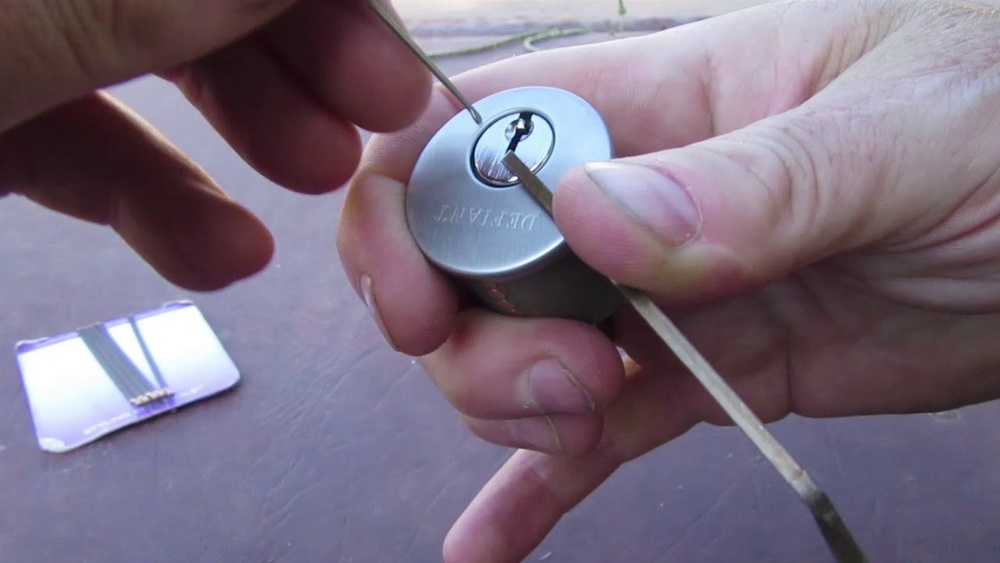
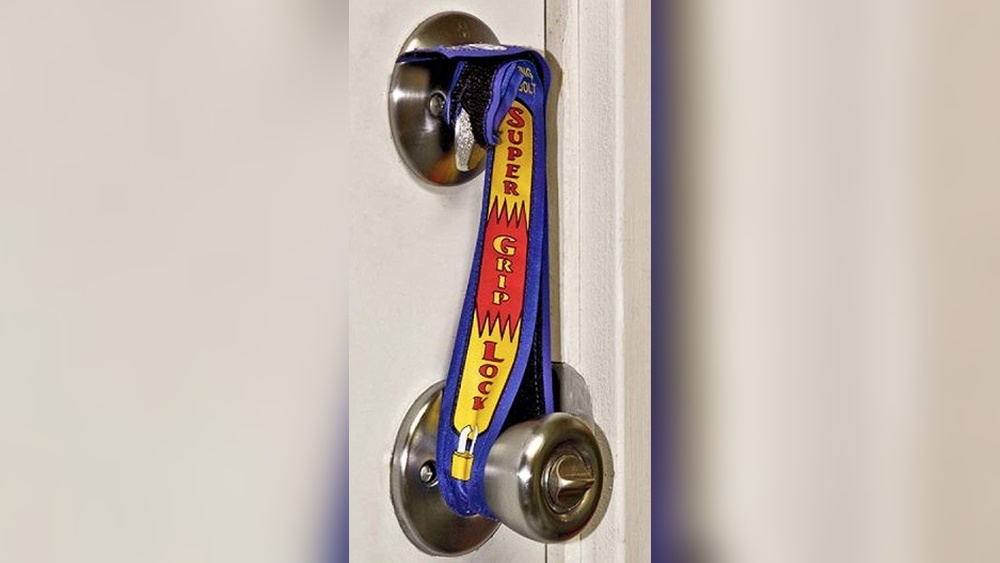
Have you ever found yourself standing in front of a deadbolt lock, key in hand, but struggling to open it? It’s frustrating and can make you feel stuck—literally.
Whether you’re dealing with a stubborn lock or just want to understand how to open a deadbolt smoothly and confidently, this guide is for you. Keep reading, and you’ll discover simple, effective steps that will help you unlock your deadbolt with ease every time.
Don’t let a tricky lock slow you down—take control and learn how to get through your door hassle-free.

Credit: www.youtube.com
Types Of Deadbolt Locks
Deadbolt locks come in different types. Each type offers a unique way to secure doors. Knowing these types helps you understand how to open them with a key. This section explains the most common deadbolt locks.
Single Cylinder Deadbolts
Single cylinder deadbolts have a keyhole on the outside. Inside, there is a thumb turn to lock or unlock. This type is common in homes. It is easy to use and install. The key operates the lock from the outside only.
Double Cylinder Deadbolts
Double cylinder deadbolts have keyholes on both sides. You need a key to open the door from inside and outside. This lock adds extra security. It is used on doors with glass near the lock. This prevents someone from breaking the glass and turning the lock.
Keyless Deadbolts
Keyless deadbolts use a code or fingerprint to open. No physical key is needed. They offer convenience and quick access. Some models also have a backup key. These locks are popular for modern homes and offices.
Tools Needed
Opening a deadbolt lock with a key requires the right tools. Having these tools ready makes the process smooth. This section covers the essential tools needed.
Choosing The Right Key
Start with the correct key. The key must fit the lock perfectly. A key that is too big or small will not work. Check the key for any damage or wear. Clean the key if it is dirty. A smooth key slides easily into the lock.
Additional Helpful Tools
Besides the key, some tools can help. A flashlight helps see inside the lock clearly. A lubricant spray can make the lock turn smoothly. Use a cloth to wipe off dirt from the lock. A small screwdriver helps to remove the lock cover if needed. These tools make the task easier and safer.
Preparing The Lock
Preparing the lock is the first step to open a deadbolt with a key. It helps the key fit and turn smoothly. Taking time here saves effort later.
Start by checking the lock’s condition. Look for dirt or damage. Clean and fix small problems early to avoid bigger ones.
Inspecting The Lock
Look closely at the deadbolt. Check for rust, dirt, or worn parts. A dirty lock can block the key from entering.
Notice if the keyhole looks bent or broken. This can stop the key from turning. If you see damage, consider repair before trying.
Test the key by gently pushing it into the lock. It should slide in easily. Force can cause damage.
Clearing Obstructions
Remove dirt or dust from the keyhole. Use a small brush or compressed air. This clears the path for the key.
Check for anything stuck inside, like debris or old grease. Clean it out carefully. Avoid liquids that can cause rust.
Lubricate the lock with a dry graphite powder if it feels stiff. Avoid oil-based products that attract dust.
Step-by-step Unlocking Process
Opening a deadbolt lock with a key is simple if you follow the right steps. The process requires care and attention to avoid damaging the key or the lock. This guide breaks down the unlocking process into easy parts. Each step helps you use your key smoothly and safely.
Inserting The Key Properly
Hold the key firmly by the head. Make sure the key’s teeth face the correct direction. Gently push the key straight into the keyhole. Avoid forcing it, as this can bend the key or damage the lock. Insert the key until it stops or feels fully inside.
Turning The Key Correctly
Grip the key with your fingers. Slowly turn the key in the direction the lock opens. Usually, this is clockwise, but some locks turn counterclockwise. Do not use too much force. The key should turn smoothly. Stop if you feel resistance. Turning too hard can break the key inside the lock.
Handling Stuck Keys
If the key won’t turn, don’t panic. Try gently moving the key back and forth a little. Sometimes, this loosens the pins inside the lock. Applying a small amount of graphite or silicone spray can help lubricate the lock. Avoid oil-based lubricants, as they attract dust. If the key is stuck firmly, call a professional locksmith to avoid damage.
Troubleshooting Common Issues
Deadbolt locks can sometimes cause problems, even with the right key. Troubleshooting common issues helps you open the lock without damage. Understanding simple fixes saves time and stress.
Dealing With A Jammed Deadbolt
A jammed deadbolt often happens from dirt or rust inside the lock. Spray a small amount of lubricant into the keyhole. Insert the key gently and try to turn it several times. Avoid forcing the key to prevent breaking it inside the lock. Repeating this process can loosen the jam.
Fixing A Misaligned Lock
A misaligned lock means the deadbolt does not slide smoothly into the strike plate. Check if the door or frame has shifted. Tighten screws on the lock and strike plate to hold parts in place. Sometimes, adjusting the strike plate slightly solves the problem. Use a screwdriver to move it up or down for better alignment.
When The Key Won’t Turn
The key may not turn due to a worn or bent key. Inspect the key for visible damage. Try a spare key if available. Cold weather can cause the lock to freeze. Warm the key with your hands and try again. Never force the key as it may break inside the lock.

Credit: rapidlocksmith.ca
Maintaining Your Deadbolt
Keeping your deadbolt in good shape helps it work smoothly every time. Regular care stops problems before they start. It also makes your home safer.
Simple steps like cleaning and checking your lock can save you trouble. These small actions keep your deadbolt strong and easy to use.
Regular Lubrication Tips
Use a graphite or silicone spray to lubricate the lock. Avoid oil-based lubricants; they attract dust and dirt.
Apply a small amount to the keyhole and the bolt mechanism. Insert and turn the key several times to spread the lubricant inside.
Do this every six months to keep the lock moving smoothly. Proper lubrication prevents sticking and jamming.
Periodic Inspections
Check your deadbolt regularly for signs of wear or damage. Look for loose screws or parts that don’t move well.
Test the key’s fit and turn the lock to ensure it works easily. Tighten any loose screws with a screwdriver.
Replace worn or broken parts quickly to avoid lock failure. Regular inspections help catch issues early.
When To Call A Locksmith
Knowing when to call a locksmith is important for your safety and peace of mind. Some lock problems need expert help. Trying to fix them yourself might cause more damage or waste your time. A locksmith has the tools and skills to handle tough lock issues quickly and safely.
Signs You Need Professional Help
If your key won’t turn in the deadbolt, it could mean the lock is jammed or broken. Forcing the key might break it inside the lock. Strange noises when you try to open the lock also signal trouble. Keys that feel stuck or locks that turn with difficulty need a locksmith’s attention. If you lost your keys or locked them inside, calling a locksmith is the safest choice.
Choosing A Reliable Locksmith
Pick a locksmith with good reviews and local presence. A trustworthy locksmith should be licensed and insured. Ask about their experience with deadbolt locks. Clear pricing and no hidden fees matter too. Quick response time is key in emergencies. Always keep contact details of a reliable locksmith handy for peace of mind.
Credit: www.youtube.com
Frequently Asked Questions
How Do I Open A Deadbolt Lock With A Key?
Insert the correct key into the deadbolt lock’s keyhole. Turn the key gently clockwise until the bolt retracts. Avoid forcing the key to prevent damage. Once unlocked, turn the door handle to open.
What If My Key Won’t Turn In The Deadbolt?
Check for dirt or debris inside the lock. Apply graphite lubricant to ease the turning. Wiggle the key gently while turning. If it still won’t turn, the lock or key may be damaged.
Can I Open A Deadbolt Without A Key?
Opening a deadbolt without a key requires specialized tools or locksmith skills. Picking or bumping can damage the lock. It’s best to contact a professional locksmith for safe entry.
How To Maintain A Deadbolt Lock For Easy Opening?
Regularly clean the lock keyhole with compressed air. Apply graphite lubricant every six months. Avoid using oil-based lubricants that attract dust. Proper maintenance ensures smooth key turning and prolongs lock life.
Conclusion
Opening a deadbolt lock with a key is simple and safe. Always use the right key and turn it gently. Avoid forcing the lock to prevent damage. Practice patience and stay calm during the process. Knowing this skill helps in daily life and emergencies.
Keep your keys organized to save time. Remember, careful steps lead to quick results. Stay confident and handle locks with care. This knowledge can make small tasks easier every day.