Want to hang a wall mirror that stays safe and secure? You’re in the right place.
A mirror can brighten your space and make it look bigger, but if it’s not anchored properly, it can fall and cause damage or injury. You might be wondering how to anchor your wall mirror the right way, without hassle or mistakes.
This guide will show you simple steps to get it done quickly and confidently. Keep reading to learn the easy tricks to hang your mirror perfectly every time.
Choosing The Right Mirror
Choosing the right mirror for your wall is an important step. It affects the look and safety of your space. Picking the right style and size makes hanging easier. The right mirror adds charm and fits your room perfectly. This guide helps you understand what to consider before buying.
Types Of Wall Mirrors
Wall mirrors come in many shapes and styles. Round, square, and rectangular are common shapes. Some mirrors have decorative frames, others are frameless. Frameless mirrors give a modern, clean look. Framed mirrors add a classic or artistic touch. Some mirrors have extra features like shelves or lights. Choose a type that fits your room’s style and use.
Weight And Size Considerations
Weight matters a lot for wall mirrors. Heavier mirrors need stronger anchors to stay safe. Large mirrors also need secure mounting to avoid falling. Measure your wall space before buying a mirror. Leave some space around the mirror for balance. Small mirrors are easier to hang but may not fill big walls. Match the mirror size to your wall and room size. Always check the mirror’s weight before buying anchors.

Credit: www.reddit.com
Selecting Wall Anchors
Choosing the right wall anchors is key to hanging your mirror safely and securely. Anchors hold the mirror’s weight and protect your wall. Picking the wrong type may cause damage or accidents. Understanding different anchor types and their weight limits helps you make the best choice.
Anchor Types For Different Walls
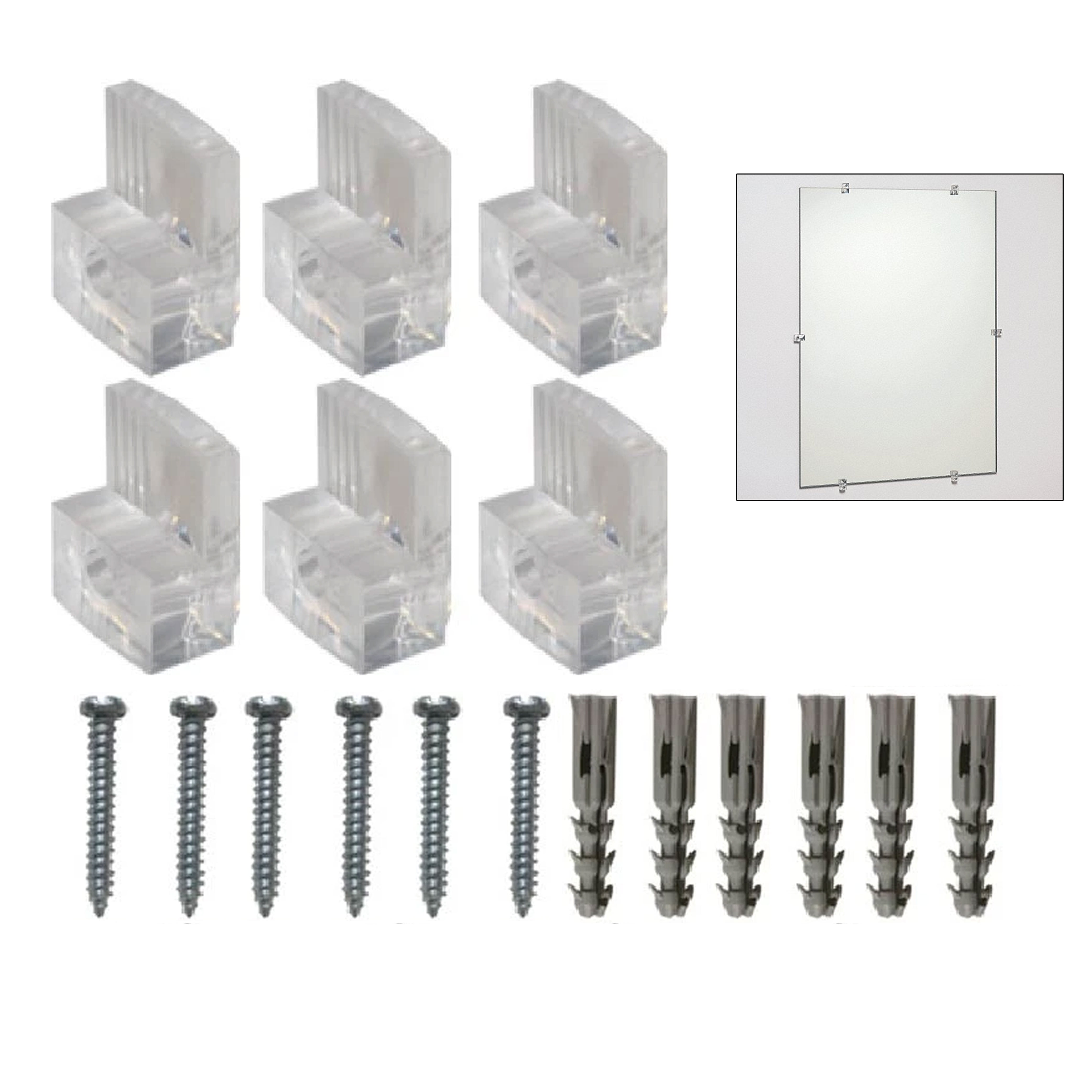
Drywall, plaster, and concrete all need different anchors. Plastic expansion anchors work well for drywall with light loads. Metal anchors give stronger support for medium weights. For heavy mirrors on concrete or brick, use sleeve anchors or wedge anchors. Each anchor fits a specific wall type and weight range.
Weight Capacity And Safety
Check the anchor’s weight rating before use. Always select anchors that hold more than your mirror’s weight. This ensures the mirror stays secure and prevents accidents. Safety comes first. Using anchors with low weight limits can cause the mirror to fall.
Gathering Tools And Materials
Gathering the right tools and materials is the first step to anchor a wall mirror safely and securely. Having everything ready helps you work smoothly and avoid mistakes. It also saves time and reduces frustration during the project. Before starting, check your mirror size and wall type to choose the proper supplies.
Essential Tools List
- Measuring tape – for accurate placement
- Level – to keep the mirror straight
- Drill – to make holes in the wall
- Screwdriver – to tighten screws
- Wall anchors – to support the mirror weight
- Screws – to attach the mirror brackets
- Pencil – to mark the wall
- Stud finder – to locate wall studs
Safety Gear Recommendations
- Safety goggles – protect your eyes from dust and debris
- Work gloves – protect your hands from sharp edges
- Dust mask – avoid inhaling dust particles
- Closed-toe shoes – protect feet from dropped tools
Preparing The Wall
Preparing the wall is the first step to hang a mirror safely. A well-prepared wall holds the mirror firmly and avoids damage. Take time to check the wall and mark the right spots. This work ensures the mirror stays secure and looks good.
Locating Studs And Marking Spots
Studs are wooden beams inside the wall. They give the strongest support for heavy mirrors. Use a stud finder to locate these beams. Move the finder slowly across the wall to detect studs.
Mark the stud locations with a pencil. These marks guide where to place the mirror hooks or screws. Measure the mirror’s back brackets to match the stud marks. Mark these exact points for drilling.
Checking Wall Surface Conditions
Look closely at the wall’s surface before hanging. Check for cracks, holes, or soft spots. These flaws can make the mirror unstable. Fix damaged areas with spackle or filler and let dry.
For plaster or drywall, test strength by pressing gently. If it feels weak, use special anchors or consult a professional. Clean the wall surface to remove dust and dirt. This helps hooks and anchors stick better.
Installing Wall Anchors
Installing wall anchors is a key step to hang your mirror safely. Anchors hold the screws firmly in the wall. They prevent the mirror from falling or damaging the wall. This step works well on drywall or plaster walls where screws alone won’t hold.
Follow these steps carefully. Use the right tools and anchors for your wall type. This helps the mirror stay secure and steady for years.
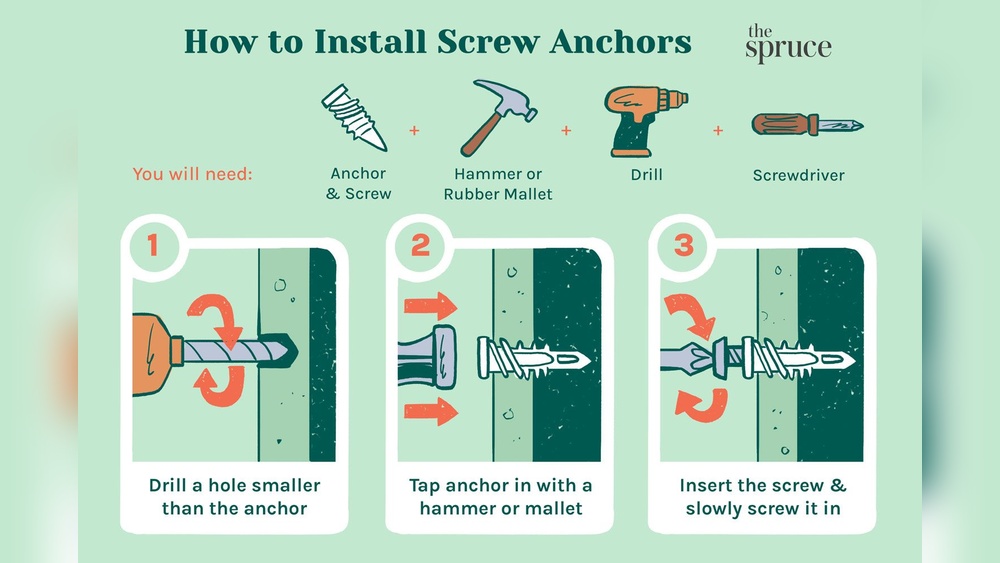
Drilling Pilot Holes
Start by marking the spots for the anchors. Use a pencil to mark where the screws will go. Measure twice to get the placement right.
Pick a drill bit slightly smaller than the anchor size. This keeps the anchor tight in the hole. Drill straight into the wall at your marks. Drill slowly to avoid cracking the wall.
Inserting And Securing Anchors
Push the anchors gently into the holes. Tap lightly with a hammer if needed. The anchors should fit snugly without too much force.
Next, insert the screws into the anchors. Turn screws by hand or with a screwdriver. Stop when the screw feels tight and secure.
Do not overtighten. This can damage the anchor or wall. The anchor should hold the screw firmly without spinning.
Hanging The Mirror
Start by choosing the right anchors for your wall type. Drill holes carefully and insert anchors before hanging the mirror. This ensures the mirror stays secure and safe on the wall.
Attaching Hanging Hardware
Start by choosing the right hanging hardware for your mirror. Use D-rings, wire, or keyhole brackets based on the mirror’s size and weight. Attach the hardware securely to the back of the mirror frame. Make sure screws or hooks are tight to avoid slipping. Use a tape measure to place hardware evenly on both sides. This keeps the mirror balanced and safe on the wall.
Aligning And Leveling The Mirror
Mark the wall where you want the mirror to hang. Use a pencil and a level to draw a straight line. Measure the distance between the hanging points on the mirror. Transfer these measurements to the wall marks. Install hooks or anchors at the marked spots. Hang the mirror and check if it is level. Adjust the position slightly until the mirror sits straight. A level mirror improves the room’s look and prevents accidents.
Ensuring Stability
Ensuring the stability of a wall mirror is crucial for safety and durability. A securely anchored mirror stays in place and avoids accidents. Proper steps help your mirror hold firm over time.
Testing The Anchor Strength
After installing the anchor, gently pull the mirror forward. Check if the anchor holds without moving or loosening. Use light pressure first, then increase gradually. A strong anchor will not shift or feel loose. This test prevents future falls or damage.
Adjusting For Extra Security
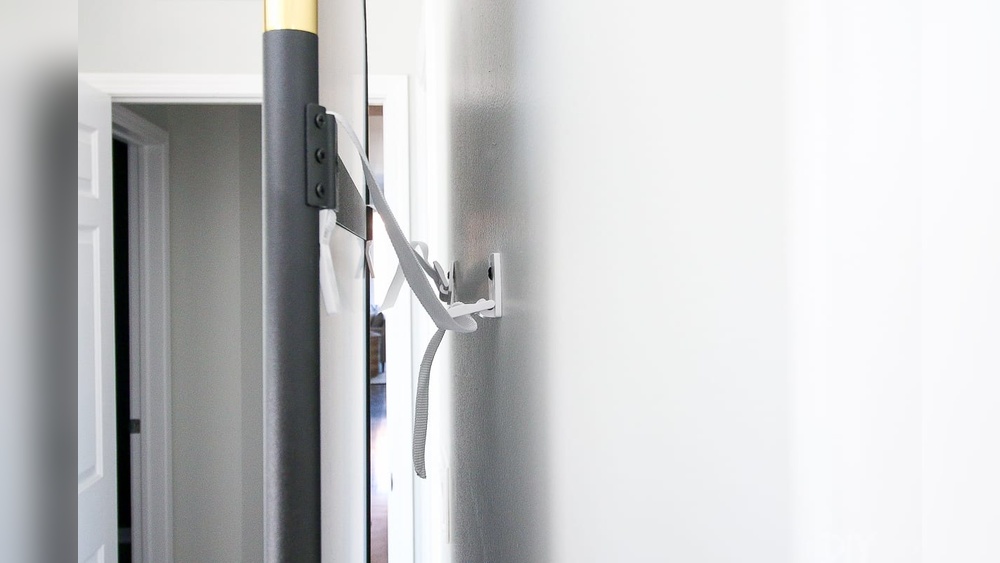
If the anchor feels weak, tighten the screws carefully. Add wall anchors designed for heavy items if needed. Use multiple anchors for large or heavy mirrors. This spreads the weight and increases stability. Double-check all fittings before hanging the mirror fully.

Credit: thediyplaybook.com
Troubleshooting Common Issues
Anchoring a wall mirror can sometimes lead to small problems. These issues can stop your mirror from looking perfect or staying safe on the wall. Knowing how to fix common problems saves time and effort.
Here are simple tips for common troubles when hanging a mirror.
Dealing With Wall Damage
Wall damage can happen from drilling or nails. Small holes or cracks look bad and weaken the wall. Use wall putty or spackle to fill holes. Let it dry fully, then sand it smooth.
For bigger damage, use a patch kit. It strengthens the area before you hang the mirror again. Always check the wall type. Drywall and plaster need different care.
Fixing Uneven Hanging
An uneven mirror catches the eye for the wrong reasons. It may lean or tilt down on one side. Measure carefully before hanging. Use a level tool for accuracy.
If the mirror is off, adjust the hooks or anchors. Adding small pads or shims behind the mirror can help balance it. Double-check with the level until it looks right.
Credit: www.walmart.com
Frequently Asked Questions
How Do I Anchor A Wall Mirror Safely?
Use appropriate wall anchors for your wall type. Mark drill points, drill holes, insert anchors, then screw brackets securely. Always check weight limits to prevent damage or accidents.
What Tools Do I Need To Anchor A Mirror?
You need a drill, screws, wall anchors, a screwdriver, a measuring tape, and a level. These tools ensure precise placement and a secure hold.
Can I Anchor A Mirror On Drywall?
Yes, use drywall anchors or toggle bolts. These provide strong support and prevent the mirror from falling or damaging the wall.
How High Should I Hang A Wall Mirror?
Position the mirror at eye level, typically 57-60 inches from the floor. This height offers the best viewing angle and aesthetic balance.
Conclusion
Anchoring a wall mirror is simple with the right tools and steps. Choose the correct anchors for your wall type. Measure carefully to place the mirror evenly and safely. Use a level to avoid crooked hanging. Secure the mirror firmly to prevent falls.
Taking time to anchor properly protects your mirror and walls. Enjoy your beautifully hung mirror with confidence. Small efforts make a big difference in home decor.