
Are you looking to make your pallet racks safer and more stable? Anchoring pallet racks to a wall can prevent accidents, protect your inventory, and give you peace of mind.
But how do you do it right without wasting time or money? You’ll discover simple, step-by-step tips to securely anchor your pallet racks. By the end, you’ll feel confident that your storage setup is both strong and safe. Keep reading to learn exactly what you need to do.
Credit: www.concretefasteners.com
Choosing The Right Pallet Rack
Anchoring pallet racks to a wall requires the right tools and materials. These help secure the racks safely and firmly. Using proper items makes the job easier and ensures stability. Here is a list of essential tools and materials needed for this task.
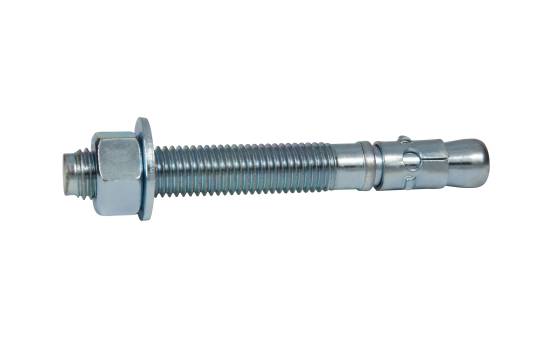
Anchors And Fasteners
Choose strong anchors designed for your wall type. Concrete walls need heavy-duty anchors. Drywall requires special anchors that hold weight well. Use bolts or screws that fit the anchors tightly. Select rust-resistant fasteners for long-lasting support. Make sure anchors and fasteners match the rack’s weight capacity.
Drills And Measuring Tools
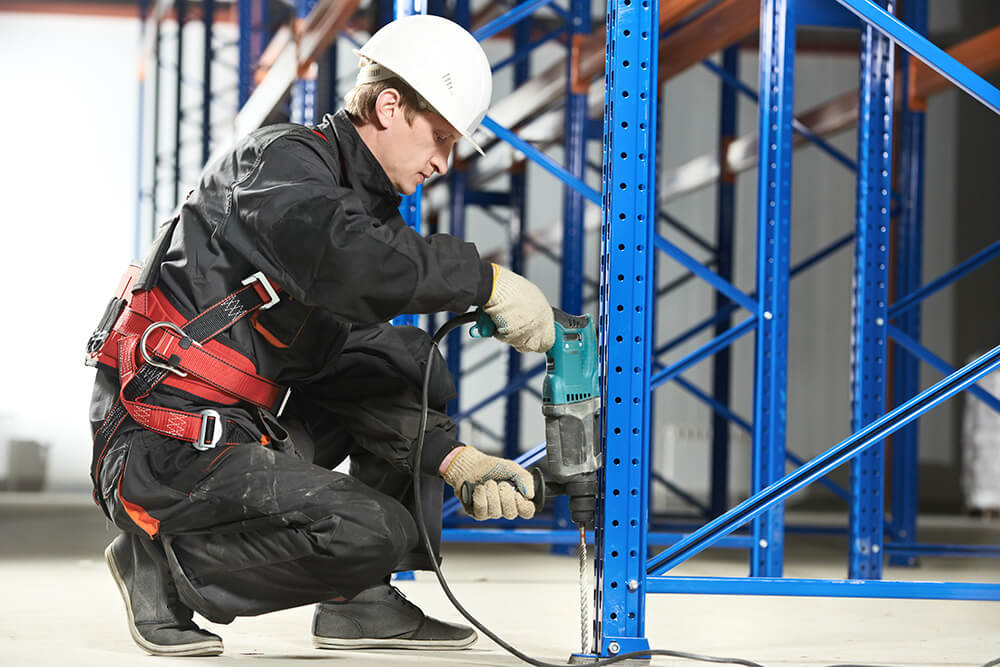
Use a power drill with the correct drill bit size. A hammer drill works best for concrete or brick walls. Measure twice before drilling. A tape measure helps find the exact spot to place anchors. A level ensures the racks are straight. Mark drill points with a pencil for accuracy.
Safety Equipment
Wear safety goggles to protect your eyes from dust and debris. Gloves protect hands from sharp edges and tools. Use ear protection if using loud drills for long periods. Keep a first aid kit nearby for minor injuries. Work in a well-ventilated space to avoid dust inhalation.
Tools And Materials Needed
Preparing the wall and rack is a key step before anchoring pallet racks. This step ensures the racks stay safe and strong. Taking time to prepare helps avoid damage and accidents. Follow clear steps to get ready.
Locating Studs Or Solid Surfaces
Find studs or solid parts in the wall first. Studs hold the rack firmly and stop it from falling. Use a stud finder tool to locate them easily. Mark the spots with a pencil. Avoid weak areas like drywall alone. Solid surfaces keep the rack stable and safe.
Measuring And Marking Anchor Points
Measure where the rack will sit on the wall. Mark the anchor points clearly at stud locations. Use a tape measure for exact placement. Mark points at rack base height for balance. Double-check marks before drilling. Correct marks make installation quick and accurate.
Cleaning And Inspecting Surfaces
Clean the wall and rack surfaces before anchoring. Remove dust, dirt, and grease with a cloth. Check for cracks or damage on the wall. Inspect the rack for rust or weak spots. Clean, strong surfaces hold anchors better. This step improves safety and rack life.
Preparing The Wall And Rack
Anchoring pallet racks to a wall keeps them stable and safe. This step-by-step process helps you do it right. Follow each step carefully for a secure setup.
Positioning The Pallet Rack
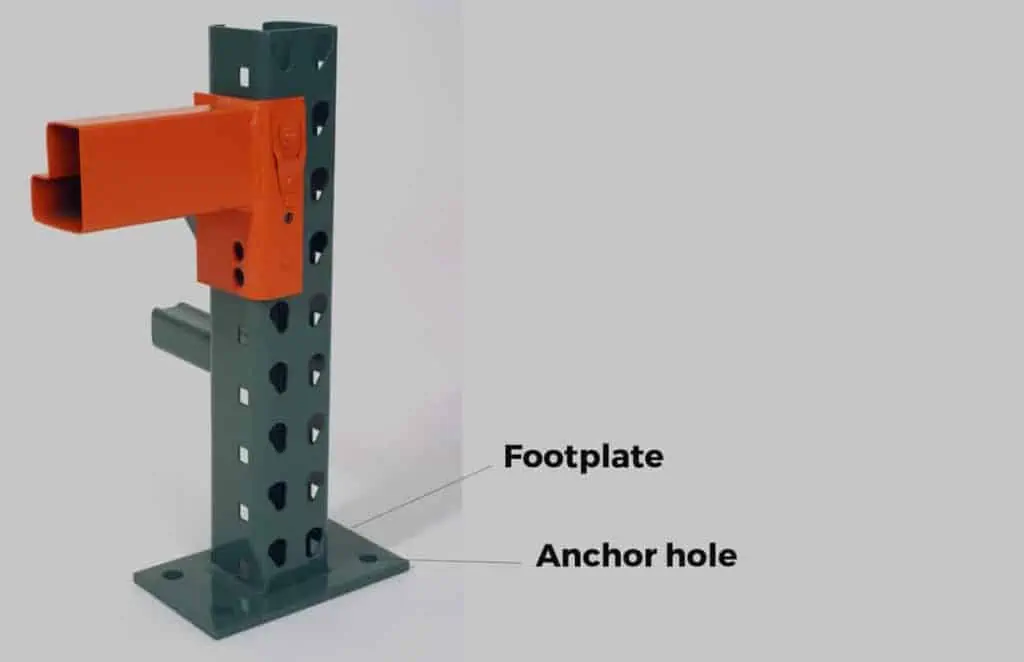
Place the pallet rack close to the wall. Make sure it stands straight and even. Check that the base touches the floor firmly. Adjust the rack until it does not wobble.
Drilling Pilot Holes
Mark spots on the wall where you will drill. Use a pencil to mark through the rack holes. Pick a drill bit that fits the anchors. Drill holes carefully into the wall at the marks.
Installing Anchors
Insert wall anchors into the drilled holes. Tap them gently until they sit flush with the wall. Anchors hold the screws tightly and prevent damage. Choose anchors that match your wall type.
Securing Rack To Wall
Align the rack holes with the anchors. Insert screws through the rack into the anchors. Tighten screws with a screwdriver or drill. Check that the rack is firmly fixed and stable.
Credit: www.industrialshelving.com
Step-by-step Anchoring Process
Ensuring stability and safety is the key to anchoring pallet racks to a wall. A secure rack prevents accidents and protects stored items. Proper steps keep your warehouse or storage area safe and organized.
Tightening And Checking Fasteners
Start by tightening all bolts and screws firmly. Loose fasteners can cause racks to wobble or fall. Use a wrench or screwdriver to secure each bolt. Check every fastener after installation. Tighten any that feel loose or weak. This simple step improves rack stability and safety.
Load Testing Tips
Test the rack’s strength before full use. Place a small load on the shelves first. Observe any signs of bending or movement. Increase the load gradually while watching for problems. Never exceed the rack’s weight limit. Load testing helps catch issues early and keeps racks reliable.
Regular Maintenance And Inspections
Inspect racks regularly for wear and damage. Look for rust, cracks, or loose bolts. Schedule checks at least every few months. Replace broken parts immediately. Keep racks clean and free of debris. Regular care extends rack life and maintains safety standards.
Ensuring Stability And Safety
Anchoring pallet racks to a wall needs care and attention. Many people make simple errors that can cause serious problems. These mistakes reduce rack strength and increase safety risks. Avoid these common errors to keep your racks secure and stable.
Using Incorrect Anchors
Choosing the wrong anchors is a frequent error. Not all anchors fit every wall type or rack weight. Weak anchors can fail and cause racks to fall. Use anchors designed for pallet racks and your wall material. Always check the anchor weight limits before installation.
Ignoring Wall Material
Every wall type needs different anchors. Concrete, drywall, and brick walls do not hold anchors the same way. Using the wrong anchor for your wall reduces rack stability. Test the wall material before anchoring. Match anchors to the specific wall type for safety.
Overloading The Rack
Overloading racks is a serious mistake. Pallet racks have weight limits set by manufacturers. Exceeding these limits stresses anchors and racks. This can lead to collapse and damage. Always follow weight guidelines and distribute loads evenly on racks.
Common Mistakes To Avoid
Adding extra security measures can make pallet racks safer and more stable. These tips help prevent accidents and protect your goods. Use simple tools and techniques to increase rack strength and durability.
Using Braces And Supports
Braces add strength to the racks by reducing movement. Install diagonal braces between the rack frames. This stops side-to-side sway and keeps racks steady. Use metal supports for heavy loads and wooden braces for lighter racks. Secure braces tightly with bolts or screws to avoid loosening over time.
Securing Multiple Racks Together
Link racks side by side for better stability. Connect frames using crossbars or metal plates. This creates a single, strong unit that resists tipping. Make sure all racks are level before joining them. Tighten all connections firmly to keep racks aligned and secure.
Choosing Professional Help When Needed
Some rack installations require expert skills and tools. Professionals ensure racks are anchored properly and safely. They know the right anchors and fasteners for your wall type. Hire experts if racks hold heavy loads or if walls are uneven. This reduces risks and guarantees safe storage.
Credit: ecseco.com
Frequently Asked Questions
How Do You Anchor Pallet Racks To A Wall Safely?
To anchor pallet racks safely, use heavy-duty wall anchors or bolts. Ensure the wall is sturdy, like concrete or brick. Measure and mark rack positions precisely. Use a drill to make holes, then fasten racks tightly to avoid movement or tipping.
What Tools Are Needed To Anchor Pallet Racks?
You need a drill, wall anchors or bolts, a wrench, a tape measure, and a level. These tools help you securely fasten the racks to the wall and ensure they are straight and stable.
Can Pallet Racks Be Anchored To Drywall?
Anchoring pallet racks to drywall alone is not recommended. Drywall lacks the strength to support heavy loads. Use studs behind drywall or anchor racks to solid walls like concrete for safety and stability.
Why Is Anchoring Pallet Racks To A Wall Important?
Anchoring pallet racks prevents tipping and improves safety. It stabilizes the racks during loading or seismic activity. Proper anchoring protects workers and inventory, reducing accident risks in warehouses or storage areas.
Conclusion
Anchoring pallet racks to a wall keeps them safe and steady. Use the right tools and follow the steps carefully. Check the wall type before choosing anchors. Secure racks prevent accidents and protect your goods. Take your time and work with care.
A strong anchor means a safer workspace. Keep your storage organized and stable. Easy to do, but important to get right. Safety first, always.

