Are you tired of struggling to hang shelves, mirrors, or decorations on hollow walls without worrying they’ll fall? You’re not alone.
Hanging items securely on hollow walls can feel tricky, but once you master the right technique, it becomes simple and stress-free. In this guide, you’ll discover exactly how to use hollow wall anchors to keep your things firmly in place.
By the end, you’ll have the confidence to tackle any hollow wall project with ease. Ready to get started and avoid those annoying holes and slips? Let’s dive in!
Credit: www.martinispa.com
Choosing The Right Anchor
Choosing the right hollow wall anchor is key to a strong hold. Different anchors suit different walls and weights. Picking the right one makes your project safer and easier. Know what to look for before you start.
Types Of Hollow Wall Anchors
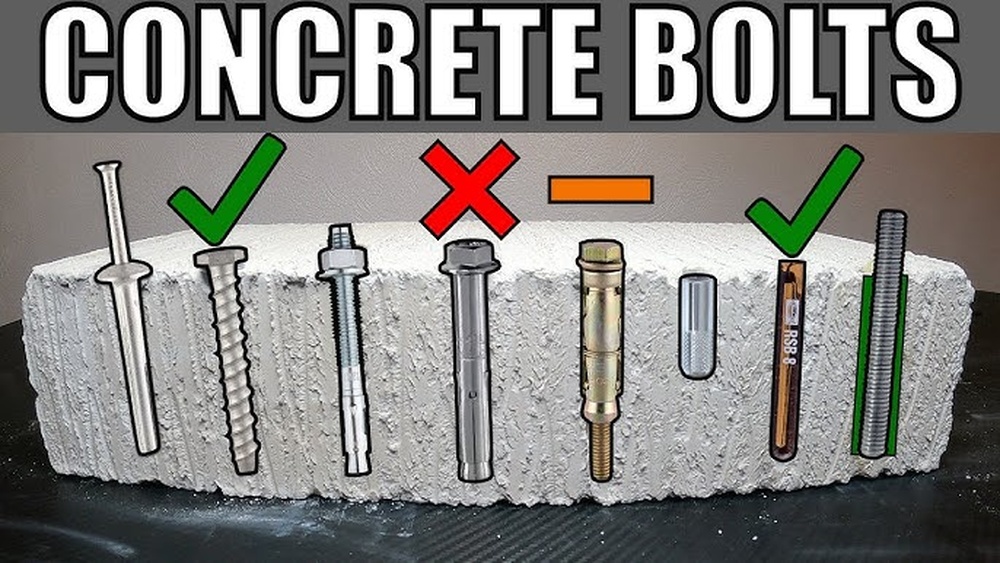
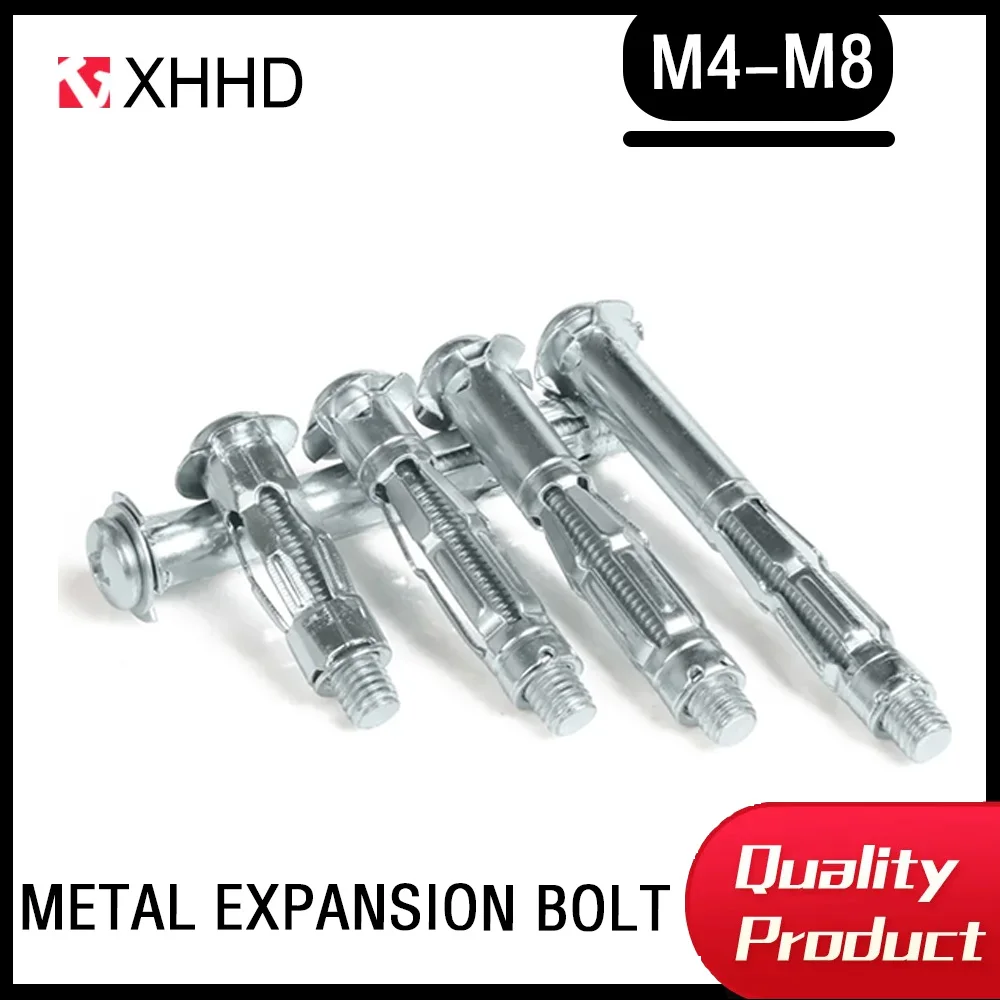
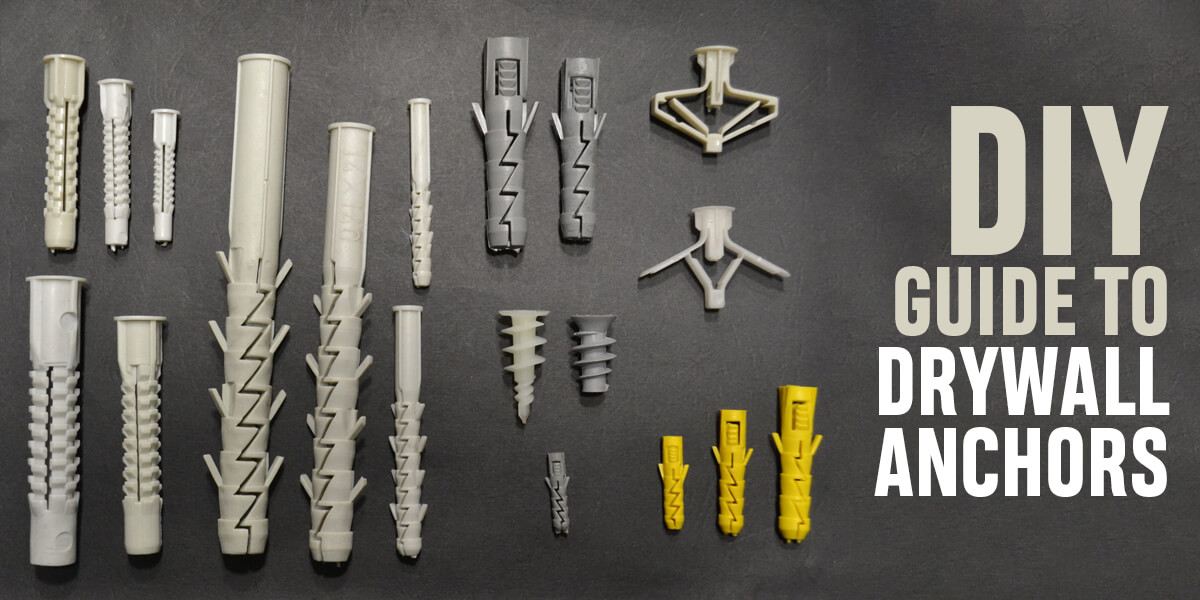
There are several types of hollow wall anchors. Toggle bolts have wings that open inside the wall. Molly bolts expand behind the wall for a secure fit. Plastic anchors are simple but best for light loads. Each type fits certain tasks and walls.
Selecting Based On Wall Material
Wall material affects the anchor choice. Drywall needs anchors that spread weight over a large area. Plaster walls require anchors that do not crack the surface. Hollow concrete blocks need heavy-duty anchors. Match the anchor to your wall for better support.
Weight Capacity Considerations
Check the weight you plan to hang. Light items need small anchors. Heavy objects require anchors with higher load ratings. Always choose an anchor that holds more than your item’s weight. This prevents damage and keeps things safe.
Gathering Necessary Tools
Gathering the right tools makes hanging hollow wall anchors easier and safer. It helps avoid mistakes and saves time. Prepare all necessary items before starting the work. This section explains the essential tools needed for a smooth process.
Drill And Drill Bits
A drill is vital for making holes in hollow walls. Choose a drill with adjustable speed for better control. Use drill bits that match the anchor size. Sharp bits create clean holes, ensuring the anchor fits well.
Screwdrivers And Screws
Use screwdrivers to insert screws into anchors. A Phillips head screwdriver works for most screws. Keep screws handy that fit the anchors perfectly. The right screwdriver and screws provide strong support for hanging.
Measuring And Marking Tools
Measure carefully to place anchors in the right spots. Use a tape measure for accurate distances. Mark spots with a pencil or marker before drilling. Proper measuring and marking prevent errors and keep items level.
Preparing The Wall
Preparing the wall is a key step before hanging hollow wall anchors. It helps ensure the anchors hold tight and the item stays secure. Careful preparation saves time and prevents damage to the wall.
Locating Studs And Avoiding Obstacles
Find studs behind the wall using a stud finder. Anchors work best away from studs. Avoid electrical wires and pipes inside the wall. These obstacles can cause danger or damage. Mark areas to steer clear of them.
Marking Anchor Positions
Decide where to place each anchor. Use a pencil to mark spots on the wall. Measure carefully for even spacing. Clear marks help guide drilling and keep holes straight.
Drilling Pilot Holes
Use a drill bit sized for the anchor. Drill small pilot holes at the marked spots. Pilot holes make it easier to insert anchors. Drill straight and stop at the right depth. Clean out dust from holes before inserting anchors.
Installing Hollow Wall Anchors
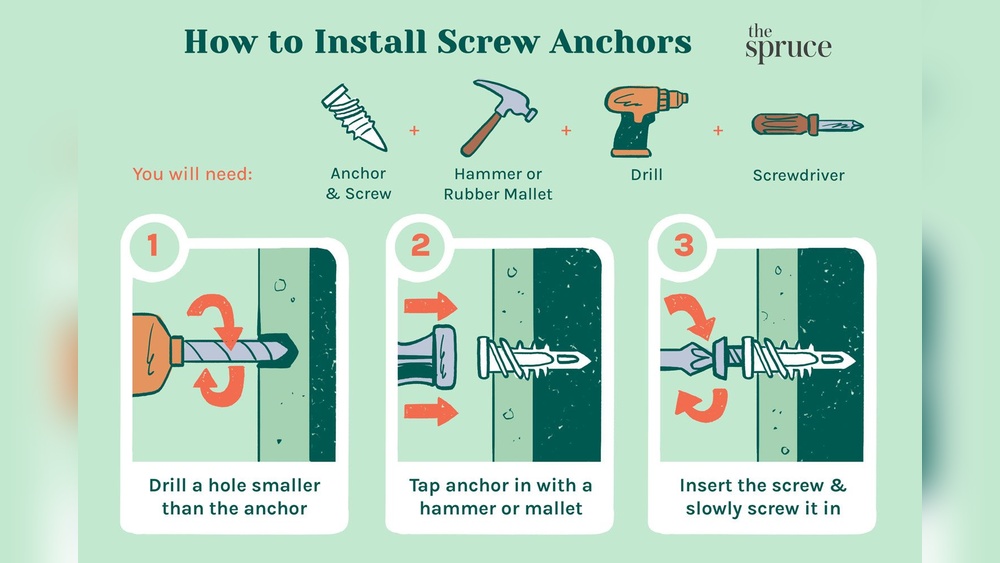
Installing hollow wall anchors is a simple way to hang items on drywall or hollow walls. These anchors provide strong support by gripping inside the wall. Follow a clear process to ensure the anchor holds well and your items stay secure.
Inserting The Anchor
First, drill a hole in the wall. The hole size should match the anchor size. Push the hollow wall anchor gently into the hole. It should fit snugly without too much force. The anchor’s wings fold back inside the wall cavity.
Expanding The Anchor For Grip
Next, use a screwdriver to turn the anchor. This action expands the wings behind the wall. The wings open wide and press against the back of the drywall. This grip keeps the anchor from pulling out easily.
Securing With Screws
Finally, insert the screw into the anchor. Turn the screw slowly to tighten it. The screw holds your item firmly on the wall. Check that the screw is secure but avoid over-tightening, which can damage the wall.
Testing For Stability
Testing for stability is a vital step after hanging hollow wall anchors. It ensures the anchor holds well and supports the weight safely. Without this check, the mounted item might fall or cause damage. Follow simple steps to confirm stability and adjust if needed.
Checking Anchor Firmness
After installing the anchor, gently pull or push it. The anchor should not move or wiggle. Try to twist it slightly with your hand. A firm anchor stays in place without shifting. If the anchor feels loose, it may not hold the weight properly.
Adjusting If Necessary
If the anchor is loose, remove it carefully. Check the hole size and wall condition. Use a larger anchor or a different type if needed. Reinsert the anchor and test it again. Repeat until the anchor feels solid and stable.
Credit: www.indahpuri.com
Tips For Strong Support
Strong support is key when hanging hollow wall anchors. It keeps your items safe and secure. Follow simple tips to get the best hold and avoid damage.
Avoiding Common Mistakes
Choose the right anchor size for your wall and item weight. Drill a hole that matches the anchor size exactly. Do not force the anchor into a smaller hole. Insert the anchor gently and fully flush with the wall. Avoid over-tightening screws, which can break the anchor or wall. Use anchors only on hollow walls, not solid surfaces like concrete.
Maintenance And Inspection
Check anchors regularly for any looseness or damage. Tighten screws if they start to feel loose. Replace anchors that show cracks or wear. Remove heavy items carefully to prevent wall damage. Keep the wall area clean and dry to avoid weakening the anchor hold.

Credit: www.youtube.com
Frequently Asked Questions
What Tools Do I Need To Hang Hollow Wall Anchors?
You need a drill, drill bit, screwdriver, and hollow wall anchors. A level and pencil help with precise placement. These tools ensure a secure and accurate installation.
How Do I Choose The Right Size Hollow Wall Anchor?
Select an anchor size based on the weight of the item and wall thickness. Check the anchor packaging for weight limits and drill bit size. Using the correct size prevents damage and ensures a strong hold.
Can I Hang Heavy Items With Hollow Wall Anchors?
Yes, but only lightweight to medium-weight items. Hollow wall anchors support moderate loads but not very heavy objects. For heavy items, consider toggle bolts or wall studs.
How Far Apart Should Hollow Wall Anchors Be Spaced?
Spacing depends on the item’s size and weight. Generally, place anchors at least 16 inches apart for balanced support. Proper spacing prevents wall damage and distributes weight evenly.
Conclusion
Hollow wall anchors hold items firmly on drywall or hollow walls. Choose the right type based on wall material and weight. Always drill a hole carefully, then insert the anchor straight. Tighten screws gently to avoid damage. This simple process helps secure shelves, pictures, and more.
Practice a few times to gain confidence. Now, hanging items feels safer and easier. Try these steps for your next project.