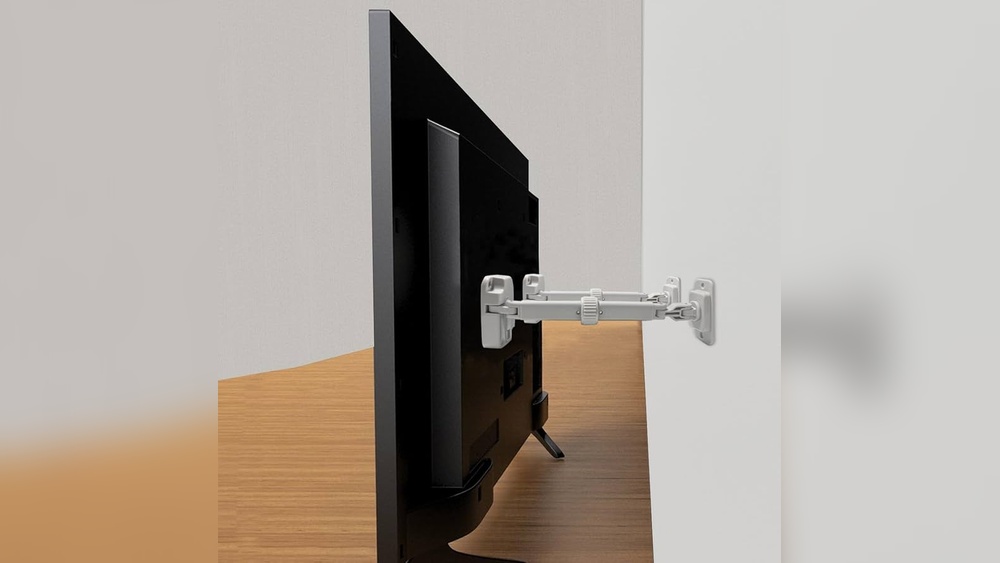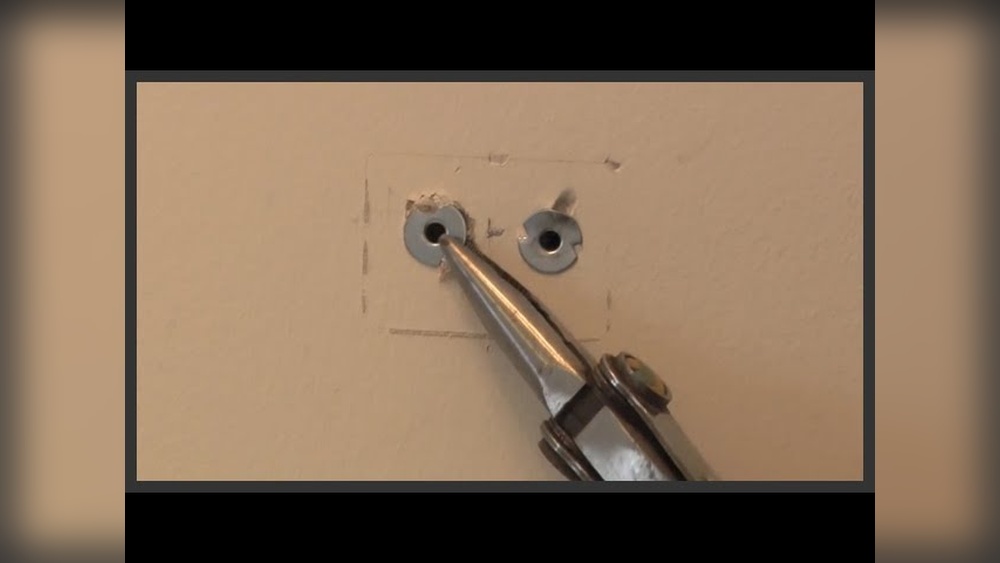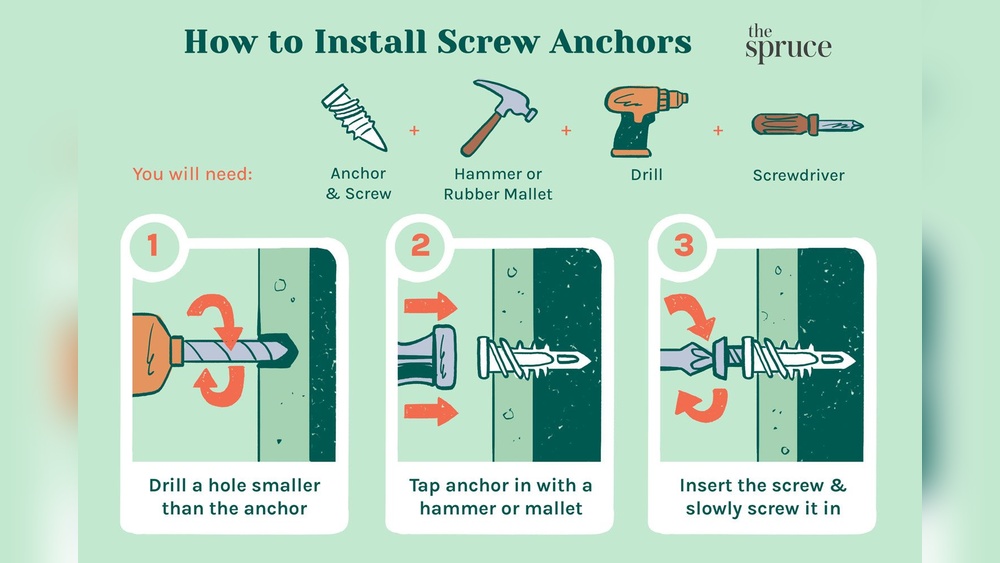
Are you struggling to hang shelves, pictures, or heavy decorations securely on your wall? Knowing how to screw anchors in your wall can make all the difference between a stable hold and a falling mess.
You might think it’s tricky, but with the right steps, you can do it yourself quickly and confidently. This guide will walk you through the simple process, saving you time, frustration, and potential damage. Keep reading to learn the easy way to get your anchors in place like a pro.

Credit: www.fmwfasteners.com
Types Of Wall Anchors
Wall anchors hold screws in place when walls cannot support weight alone. Different anchors suit different wall types and weights. Choosing the right anchor ensures strong, secure mounting.
Plastic Expansion Anchors
Plastic expansion anchors are common and easy to use. They work well in drywall and plaster. Insert the anchor into a pre-drilled hole. The screw expands the anchor, gripping the wall tightly. Best for light to medium loads.
Molly Bolts
Molly bolts are metal anchors for hollow walls. Insert the anchor into a drilled hole. Tighten the screw to expand the anchor behind the wall. This creates a strong hold. Ideal for medium to heavy loads.
Toggle Bolts
Toggle bolts have spring-loaded wings that open inside the wall. Drill a hole large enough for the folded wings. Push the bolt through the hole. The wings open and grip the back of the wall. Perfect for heavy items on hollow walls.
Self-drilling Anchors
Self-drilling anchors screw directly into drywall without a pilot hole. They have sharp threads that cut into the wall. Insert the anchor and screw the fastener in. Great for light to medium loads. Saves time and effort.
Tools Needed
To screw anchors in a wall, having the right tools is important. Using proper tools makes the job easier and safer. It also helps to make sure the anchors hold well. Below are the main tools you will need to get started.
Drill And Drill Bits
A drill is essential for making holes in the wall. Choose a drill bit that matches the anchor size. The bit should be slightly smaller than the anchor. This helps the anchor fit tightly in the wall. Use a power drill for faster and cleaner holes.
Screwdriver
A screwdriver is needed to insert screws into the anchors. Pick a screwdriver that matches the screw head type. Common types include flathead and Phillips. A cordless screwdriver can save time and effort.
Hammer
A hammer helps to tap the anchors gently into the drilled holes. Use light taps to avoid damaging the wall or anchor. Hammering ensures the anchor sits flush with the wall surface.
Measuring Tape And Pencil
Measure the exact spot to place the anchor with a tape measure. Mark the spot clearly using a pencil. This prevents mistakes and keeps your work neat. Accurate marking helps to align items properly on the wall.
Preparing The Wall
Preparing the wall is the first step before screwing anchors. This step ensures strong support and prevents damage. Taking time to prepare saves effort later and helps the anchors hold firmly.
Locating Studs And Obstacles
Find studs by using a stud finder or tapping the wall. Studs provide solid support for screws. Avoid drilling into pipes or wires hidden inside the wall. Mark spots where no obstacles appear for safety.
Marking Anchor Spots
Measure and mark exact spots for the anchors on the wall. Use a pencil to make small, clear marks. Double-check spacing to keep anchors level and balanced. Correct placement keeps your items steady.
Drilling Pilot Holes
Drill small pilot holes at each marked spot. Use a drill bit smaller than the anchor size. Pilot holes make it easier to insert anchors. They also prevent the wall from cracking or breaking.

Credit: www.picturehangsolutions.com
Installing Plastic Expansion Anchors
Installing plastic expansion anchors is a simple way to hang items on drywall or masonry. These anchors hold screws tightly and prevent damage to your walls. Follow these easy steps to install them correctly and ensure a strong hold.
Inserting The Anchor
First, drill a hole in the wall. Use a drill bit that matches the anchor size. Clean out dust from the hole. Push the plastic anchor into the hole gently. Tap it lightly with a hammer if needed. The anchor should fit snugly and sit flush with the wall surface.
Driving The Screw
Choose a screw that fits the anchor size. Place the screw in the anchor opening. Turn the screw slowly using a screwdriver or drill. Stop when the screw feels tight and secure. Avoid over-tightening to prevent damage to the anchor or wall. The item you hang will now stay firmly in place.
Installing Molly Bolts
Installing molly bolts is a reliable method for securing heavy objects to drywall or hollow walls. These anchors provide strong support by expanding behind the wall. The process involves a few clear steps that anyone can follow.
Inserting The Bolt
First, drill a hole in the wall matching the bolt size. Push the molly bolt into the hole until the flange sits flush with the surface. Make sure it fits snugly without forcing it.
Expanding The Anchor
Next, tighten the bolt slowly using a screwdriver. This action pulls the sleeve inside the wall, causing it to expand. The expansion locks the anchor securely behind the drywall.
Securing The Screw
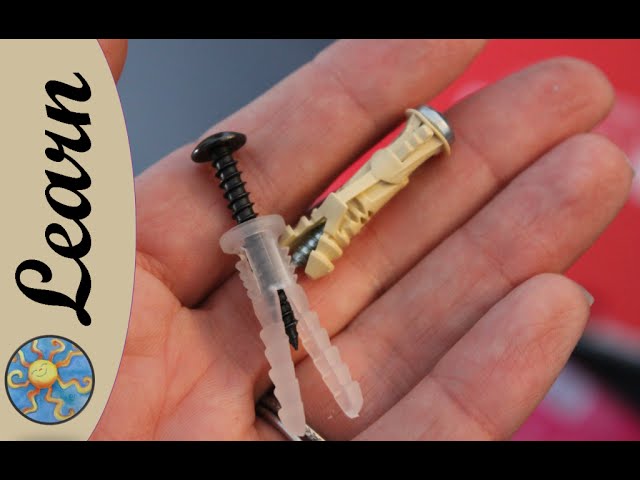
Finally, remove the bolt to leave the expanded anchor in place. Insert the screw or fixture into the anchor’s sleeve. Tighten it firmly to hold your object securely on the wall.
Credit: www.youtube.com
Installing Toggle Bolts
Installing toggle bolts is a reliable way to hang heavy items on drywall or hollow walls. Toggle bolts provide strong support by spreading the weight across a wider area behind the wall. This method works well for shelves, mirrors, and large frames.
The process involves folding the toggle, inserting it through a hole, and then tightening the screw. Each step must be done carefully to ensure the bolt holds securely.
Folding The Toggle
Start by folding the toggle wings. The wings are spring-loaded and fold flat against the bolt. Hold them firmly so they stay folded. This makes the toggle small enough to fit through the hole in the wall.
Inserting Through The Hole
Push the folded toggle through the pre-drilled hole. Slide it all the way in until the wings open inside the wall. You will feel a slight resistance when the wings spread out. This helps the toggle lock behind the drywall.
Tightening The Screw
Begin tightening the screw slowly. As you turn, the wings pull tight against the inside of the wall. Keep tightening until the bolt feels secure. Avoid over-tightening to prevent damage to the wall or toggle.
Installing Self-drilling Anchors
Installing self-drilling anchors is a simple way to secure items on walls without pre-drilling holes. These anchors have a sharp, threaded tip that cuts into drywall or plaster easily. They hold firmly, making them perfect for hanging pictures, shelves, or light fixtures.
Self-drilling anchors save time and effort. They need only a screwdriver or a drill with a screwdriver bit. The process is straightforward and does not require special tools.
Screwing The Anchor In
Start by positioning the anchor where you want to place it on the wall. Hold it steady and begin turning it clockwise with a screwdriver. Apply firm, even pressure to help the anchor dig into the wall.
The anchor will cut threads into the drywall as you screw it in. Keep turning until the anchor is flush with the wall surface. Avoid pushing too hard to prevent damage to the wall.
Adding The Screw
Once the anchor is secure, take the matching screw and place it inside the anchor’s opening. Use a screwdriver to turn the screw clockwise. Tighten it until the screw is firmly seated but not over-tightened.
The screw will expand the anchor inside the wall, creating a strong grip. This holds the screw securely and supports the weight of the item you plan to hang. Check that the screw feels solid before hanging your object.
Tips For Strong Support
Strong support is key to keeping your wall anchors secure and stable. Poor support can cause anchors to loosen or fail. Follow simple tips to ensure your anchors hold tight and last long.
Choosing The Right Anchor Size
Select an anchor size that matches your screw and load needs. A small anchor with a large screw will not hold well. Check the weight of the item you want to hang. Use a bigger anchor for heavier items. This prevents damage and keeps the anchor firm.
Avoiding Over-tightening
Stop tightening the screw as soon as you feel resistance. Over-tightening can strip the anchor or damage the wall. This weakens the hold and may cause the anchor to fall out. Tighten screws gently and test the firmness before adding more force.
Checking Wall Material
Know what type of wall you have before installing anchors. Drywall, plaster, brick, and concrete all need different anchors. Using the wrong anchor can lead to poor support. Test the wall by tapping or drilling a small hole first. Choose anchors designed for your wall type.
Common Mistakes To Avoid
Many people make simple mistakes when screwing anchors into walls. These errors can cause damage or weak hold. Avoiding them helps your project last longer and stay safe.
Ignoring Wall Type
Different walls need different anchors. Drywall, plaster, and brick require unique methods. Using the wrong anchor weakens the hold. Check your wall type before starting.
Using Wrong Tools
Using the right tools makes work easier and safer. A drill, screwdriver, and level help place anchors correctly. Wrong tools can strip screws or damage walls.
Skipping Pilot Holes
Pilot holes guide screws and prevent wall cracks. Skipping this step may split the wall or break anchors. Always drill a small hole first for a strong fit.
Frequently Asked Questions
What Tools Are Needed To Screw Anchors In Wall?
You need a drill, screwdriver, wall anchors, and screws. A level and measuring tape help ensure precise placement. These tools make installation easier and secure.
How Do I Choose The Right Wall Anchor?
Select anchors based on wall type and load weight. Plastic anchors suit drywall, metal anchors support heavier items, and toggle bolts work for hollow walls. Proper choice ensures stability.
Can I Screw Anchors Into Concrete Walls?
Yes, but use masonry anchors and a hammer drill with a masonry bit. Pre-drill holes to secure anchors firmly in concrete surfaces.
How Deep Should I Drill For Wall Anchors?
Drill a hole slightly deeper than the anchor length. This ensures the anchor fits fully and holds securely without resistance.
Conclusion
Screwing anchors into walls is easy with the right steps. Choose the correct anchor for your wall type. Drill a hole, insert the anchor, then screw it in firmly. Take your time and avoid rushing. This method keeps your items secure and your wall safe.
Now, you can hang shelves, pictures, or decorations with confidence. Practice a few times to build your skill. Simple tools and clear steps make the job quick and neat. Enjoy your strong, stable wall fixtures every day.