Are you ready to hang shelves that stay strong and secure? Installing wall anchors might sound tricky, but it’s easier than you think.
Whether you want to display your favorite books, plants, or decorations, using the right wall anchors will make sure your shelves hold steady without damaging your walls. In this guide, you’ll learn simple steps to choose and install the perfect anchors for your shelves.
Keep reading, and you’ll gain the confidence to tackle this project like a pro. Your walls—and your stuff—will thank you!
Choosing The Right Wall Anchors
Choosing the right wall anchors is key for strong, safe shelves. The right anchor holds weight and fits your wall type. Wrong choices can cause damage or make shelves fall. Learn about anchors, match them to your walls, and check weight limits.
Types Of Wall Anchors
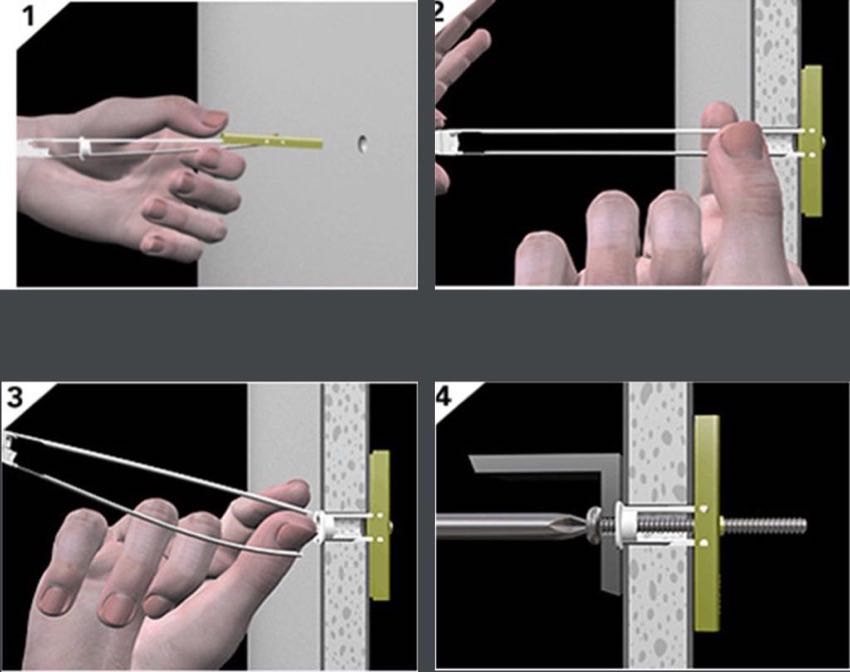
Plastic anchors are good for light loads and drywall. Metal anchors hold more weight and work well in drywall or plaster. Toggle bolts have wings that open behind the wall for strong support. Molly bolts expand inside the wall for medium to heavy loads. Choose anchors based on the job size.
Matching Anchors To Wall Material
Drywall needs anchors that spread the load over a wide area. Concrete or brick walls require anchors that can drill into hard surfaces. Plaster walls are fragile; use anchors designed to avoid cracks. Use anchors made for your wall type to avoid damage and ensure safety.
Weight Capacity Considerations
Check the anchor’s weight limit before buying. Add the weight of the shelf and all items you will place on it. Choose anchors that hold more than this total weight. Safety means choosing anchors with extra strength, not just the minimum needed.
Credit: moriasi3d.com
Gathering Necessary Tools
Gathering the right tools is the first step to install wall anchors for shelves safely. Having all necessary equipment ready saves time and helps you work with ease. Each tool has a specific role in making the installation strong and precise. Prepare your workspace and check your tools before starting.
Drill And Drill Bits
A drill is essential for making holes in the wall. Choose drill bits that match the size of your wall anchors. Using the correct drill bit ensures a snug fit for the anchors. A power drill makes the job faster and easier, but a hand drill can work too.
Screwdrivers And Screws
Screwdrivers help you drive screws into the wall anchors. Use screwdrivers that fit your screws properly to avoid stripping. Flathead and Phillips screwdrivers are the most common types. Pick screws that match your anchors for strong support.
Measuring And Marking Tools
Measuring tools like tape measures help you place shelves accurately. Marking tools such as pencils or markers guide your drilling points. Accurate measurements prevent mistakes and keep shelves level. Double-check all marks before drilling.
Preparing The Wall
Preparing the wall is the first step before installing wall anchors for shelves. It ensures the shelf will be secure and straight. Taking time to prepare the wall carefully saves effort later. Follow these simple steps to get the wall ready.
Locating Studs And Marking Spots
Use a stud finder to locate studs behind the drywall. Studs provide strong support for heavy shelves. Mark the stud locations lightly with a pencil. If no studs are available where you want the shelf, plan to use wall anchors. Mark the spots where you will drill holes for the anchors or screws.
Measuring Shelf Placement
Decide the height for the shelf based on what you will place on it. Measure from the floor to the desired height. Mark the measurement on the wall with a pencil. Measure the width of the shelf and mark the ends on the wall. These marks show where the brackets or anchors will go.
Ensuring Level Marks
Use a level tool to draw a straight line between the marks. This line helps keep the shelf horizontal. Check the line from left to right for accuracy. Adjust marks if the line is not level. Level marks ensure the shelf looks good and holds items safely.

Credit: www.wikihow.com
Installing The Anchors
Installing wall anchors is a key step for strong shelf support. The anchors hold screws tightly in the wall. This stops the shelf from falling or loosening over time.
Follow clear steps to place anchors correctly. Careful installation makes your shelves safe and steady.
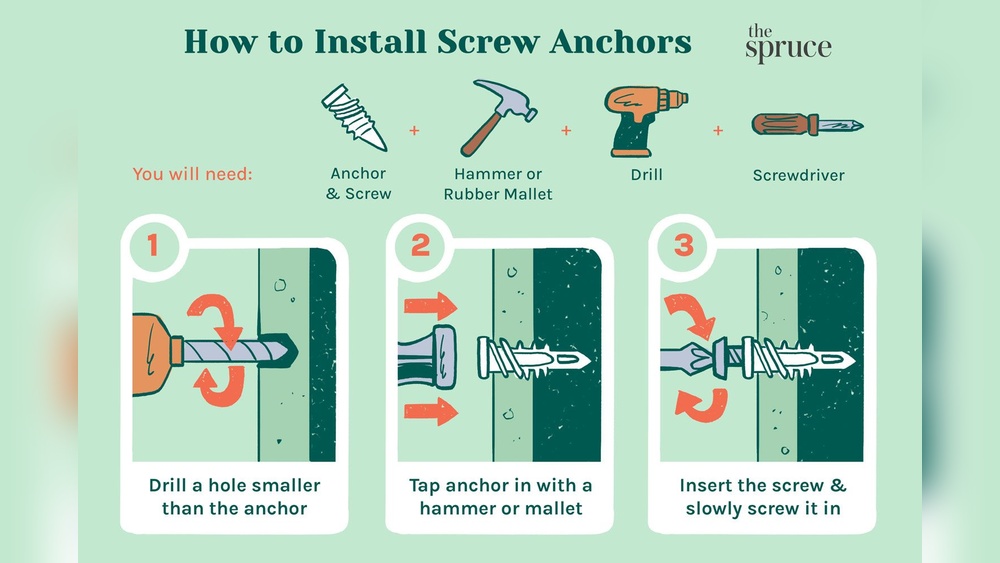
Drilling Pilot Holes
Start by marking the spot for each anchor. Use a pencil to make small dots. Choose a drill bit that matches the anchor size. Drill straight holes at the marked spots. Drill gently to avoid cracking the wall. Clean dust out of each hole before inserting anchors.
Inserting The Anchors
Push the anchors into the drilled holes. Tap them lightly with a hammer if needed. Make sure anchors sit flush with the wall surface. Avoid forcing anchors too deep. Proper placement helps anchors grip the wall firmly.
Securing Anchors Firmly
Use a screwdriver to tighten screws into the anchors. Turn screws slowly and evenly. Do not overtighten to prevent damage. Feel resistance as the anchor expands inside the wall. Anchors will hold tightly when screws are snug. Test by gently pulling on the screw before adding shelves.
Mounting The Shelves
Mounting shelves securely is important for safety and appearance. Proper installation ensures shelves hold weight without damage. Follow these steps carefully to mount shelves on walls with anchors.
Aligning Brackets With Anchors
Start by holding the bracket against the wall. Match the bracket holes with the wall anchors. Use a level to keep brackets straight. Mark the spots where screws will go. This helps place brackets correctly on anchors.
Attaching Brackets To Wall
Insert screws through the bracket holes into the anchors. Use a screwdriver or drill to tighten screws firmly. Avoid overtightening to prevent damage. The bracket should feel solid and not wiggle. Secure brackets on all marked anchor points.
Checking Stability And Adjustments
Place the shelf on the brackets carefully. Press down gently to test stability. Check if the shelf moves or tilts. Tighten screws if any part feels loose. Adjust brackets slightly for level alignment. Confirm the shelf is stable before placing items.
Tips For Stronger Support
Installing wall anchors correctly is key for shelf strength and safety. Simple steps can boost the support your shelves provide. Follow these tips to keep your shelves steady and secure over time.
Using Multiple Anchors
Place more than one anchor along the shelf. This spreads the weight evenly across the wall. It reduces stress on a single point, preventing damage or failure. Use two or more anchors for longer shelves.
Avoiding Overloading Shelves
Know the weight limit of your anchors and shelves. Do not put heavy items that exceed this limit. Heavy loads can pull anchors out or break the shelf. Use lighter items or add more anchors for extra support.
Regular Maintenance Checks
Check your shelves often for any signs of wear or loosening. Tighten screws and replace damaged anchors quickly. This stops small problems from becoming bigger. Regular checks keep shelves safe and strong over time.

Credit: www.uglyducklinghouse.com
Frequently Asked Questions
What Are The Best Wall Anchors For Heavy Shelves?
Heavy shelves require strong anchors like toggle bolts or molly bolts. These anchors provide excellent support in drywall and plaster. Always check the weight rating before installation to ensure safety. Properly installed anchors prevent shelves from falling or damaging walls.
How Do You Choose The Right Size Wall Anchor?
Select an anchor size based on the shelf weight and wall thickness. The anchor should fit snugly in the drilled hole. Too small anchors won’t hold weight, and too large can damage the wall. Refer to packaging guidelines for precise size recommendations.
Can I Install Wall Anchors Without A Stud Finder?
Yes, you can use drywall anchors where studs are unavailable. Anchors like toggle bolts work well in hollow walls. However, installing shelves on studs is more secure. A stud finder helps locate studs but is not mandatory for anchors.
How Deep Should I Drill For Wall Anchors?
Drill a hole slightly deeper than the anchor length. This ensures the anchor fits fully without resistance. A hole too shallow prevents full anchor insertion. Use the anchor package instructions for exact drilling depth.
Conclusion
Installing wall anchors for shelves keeps your shelves steady and safe. Choose the right anchor for your wall type. Drill carefully and insert the anchor firmly. Tighten screws to secure the shelf properly. Take your time, and double-check each step.
Strong shelves mean less worry about falling items. Now, you can hang your shelves with confidence. Simple steps lead to great results. Enjoy your organized and sturdy space!