Are you struggling to securely attach something to a concrete wall? Whether you’re hanging heavy shelves, mounting a TV, or installing outdoor fixtures, knowing how to anchor in concrete walls is crucial.
Without the right technique, your project might not hold up—and that can be frustrating or even dangerous. You’ll discover simple, step-by-step methods to make sure your anchors are strong and reliable. Keep reading to learn the secrets that will make your next project a solid success.

Credit: www.youtube.com
Types Of Concrete Anchors
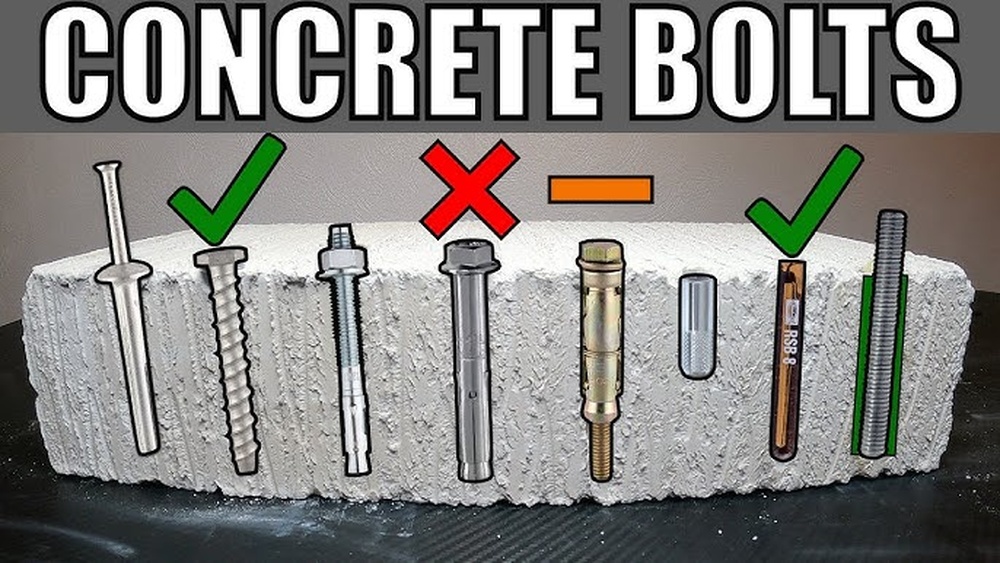
Anchoring in concrete walls requires the right type of anchor for a strong hold. Different anchors suit different tasks and wall conditions. Choosing the correct anchor ensures safety and durability. Below are common types of concrete anchors used in various projects.
Expansion Anchors
Expansion anchors work by expanding inside the concrete hole. They create a tight grip as the anchor expands. These anchors are strong and ideal for medium to heavy loads. They are easy to install with basic tools.
Sleeve Anchors
Sleeve anchors have a metal sleeve that expands with the bolt. The sleeve presses against the hole’s wall for a firm hold. These anchors suit heavy-duty fixtures. They provide stability in cracked or solid concrete.
Wedge Anchors
Wedge anchors use a wedge-shaped end to secure in concrete. When tightened, the wedge pulls into the concrete for a strong grip. These anchors handle heavy loads well. They are common in structural applications.
Drop-in Anchors
Drop-in anchors sit flush inside the hole. They use an internal expansion mechanism activated by a setting tool. These anchors are good for overhead attachments. They offer a clean finish on concrete surfaces.
Chemical Anchors
Chemical anchors rely on adhesive resin to bond with concrete. The resin fills gaps and hardens to lock the bolt in place. These anchors hold very heavy loads. They work well in cracked or hollow concrete.
Choosing The Right Anchor
Choosing the right anchor for concrete walls is essential for a strong hold. The wrong anchor can cause damage or fail to support the load. Different anchors suit different situations. Think about the weight you need to support, the wall’s condition, and the environment. This helps pick an anchor that lasts and holds well.
Load Capacity Considerations
Each anchor has a load capacity. This means how much weight it can safely hold. Check the weight of the object you want to hang. Choose an anchor with a capacity higher than this weight. It is safer to allow extra strength. Overloading anchors can cause accidents or damage.
Concrete Thickness And Condition
Concrete walls vary in thickness and quality. Thicker concrete can handle bigger anchors. Thin or cracked concrete needs anchors designed for weak walls. Inspect the wall before choosing an anchor. Avoid anchors that require deep drilling if the wall is thin. Good wall condition improves anchor strength.
Environmental Factors
Environmental factors affect anchor choice. Outdoor walls face rain, sun, and temperature changes. These conditions can weaken some anchors over time. Choose anchors made for outdoor use if needed. Indoor anchors do not need special coatings. Consider moisture, heat, and chemicals near the wall.
Anchor Material And Coating
Anchor materials include steel, zinc, and plastic. Steel anchors are strong and durable. Zinc coating prevents rust on metal anchors. Plastic anchors work well for light loads and dry areas. Use coated anchors in moist or outdoor places. The right material extends the life of the anchor.
Tools And Materials Needed
Anchoring in concrete walls requires the right tools and materials. Using proper equipment ensures strong and secure attachments. Prepare all items before starting your project. This saves time and avoids mistakes.
Drill And Bits
A power drill is essential for making holes in concrete. Use a hammer drill for easier drilling. Choose masonry drill bits that fit your anchor size. Sharp, quality bits make clean holes. Change bits if they get dull.
Hammer And Wrench
A hammer helps to tap anchors into the holes. A wrench tightens bolts or screws firmly. Use the correct size wrench to avoid damage. These tools ensure anchors hold tight in the wall.
Anchors And Fasteners
Select anchors designed for concrete walls. Common types include sleeve anchors, wedge anchors, and plastic anchors. Match anchors to the weight and load you need. Use appropriate screws or bolts with anchors for strong fixing.
Measuring And Marking Tools
Accurate measurements keep your anchors in the right place. Use a tape measure and pencil to mark drilling spots. A level helps maintain straight lines. Mark clearly to avoid errors during drilling.
Preparing The Wall Surface
Preparing the wall surface is the first step to anchor in concrete walls. It sets the stage for strong and lasting support. A clean, well-marked, and properly drilled surface ensures the anchor will hold well. This section covers the key tasks to prepare your wall.
Cleaning The Area
Remove dust, dirt, and loose particles from the wall. Use a brush or vacuum to clear the surface. Clean walls help anchors grip better. Avoid moisture or oil on the concrete. A dry, clean surface leads to better anchoring.
Marking Anchor Points
Measure and mark exact points where anchors will go. Use a pencil or chalk for clear marks. Check spacing to avoid cracks or weak spots. Proper marks guide accurate drilling. Correct placement improves anchor strength.
Drilling Proper Holes
Use a hammer drill with a masonry bit sized to the anchor. Drill straight holes to the correct depth. Avoid making holes too big or shallow. Clear dust from holes before inserting anchors. Proper holes ensure a tight, secure fit.
Step-by-step Anchoring Process
Anchoring in concrete walls requires a clear process. Follow each step carefully for a strong hold. This guide breaks down the process into simple parts.
Drilling To Correct Depth
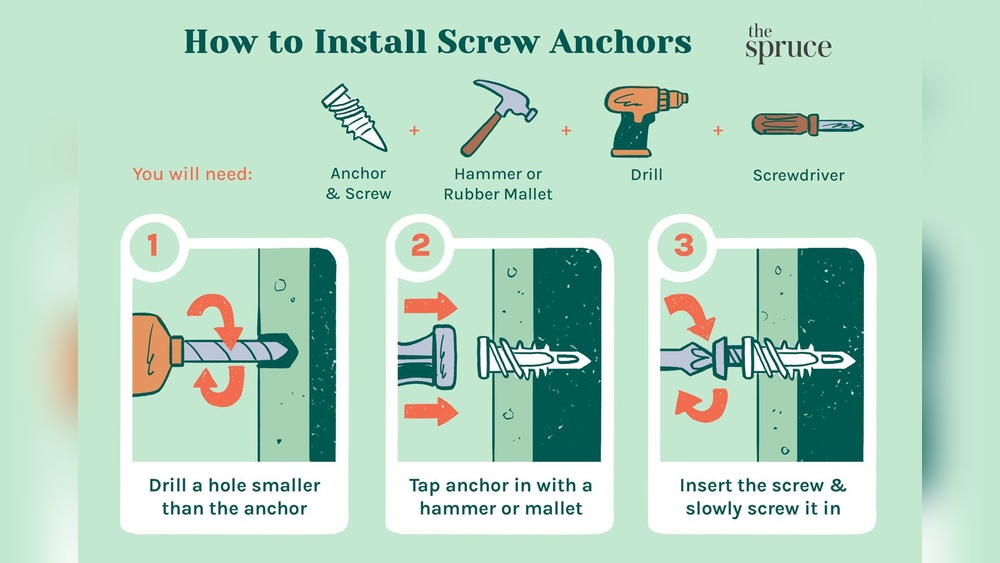
Start by marking the exact spot on the wall. Use a hammer drill with a masonry bit. Drill straight into the concrete. Make sure the hole is deep enough for the anchor. Avoid drilling too shallow or too deep. Clean out dust from the hole for better grip.
Inserting The Anchor
Choose the right anchor for your task. Push or tap the anchor gently into the hole. It should fit snugly without extra force. The anchor must sit flush with the wall surface. This ensures even pressure and stability.
Securing The Fixing
Place the fixture over the anchor. Insert the screw or bolt through the fixture into the anchor. Tighten slowly to avoid cracking the concrete. Stop once the fixture feels firm and secure. Do not overtighten to prevent damage.
Checking Stability
Test the anchor by gently pulling or pushing the fixture. It should not move or wiggle. Check all fixings for tightness. A stable anchor means safety and durability. Recheck after some days to ensure firmness.

Credit: www.frontierbasementsystems.com
Common Mistakes To Avoid
Anchoring in concrete walls requires care and attention. Avoiding common mistakes saves time and ensures safety. Many errors come from rushing or poor planning. Knowing these pitfalls helps you do the job right.
Incorrect Hole Size
Using the wrong hole size weakens the anchor’s hold. A hole too big causes the anchor to slip. A hole too small can crack the concrete. Always match the drill bit to the anchor size.
Insufficient Depth
Drilling too shallow leaves the anchor loose. The anchor needs enough depth to grip firmly. Check the anchor’s length before drilling. Drill deeper than the anchor length for a secure fit.
Over-tightening
Turning the anchor too tight can damage the wall. Over-tightening may strip the hole or break the anchor. Stop tightening when the anchor feels secure but not forced.
Ignoring Load Limits
Each anchor has a weight limit. Exceeding this limit risks failure and damage. Use anchors rated for the weight of your object. Check packaging or instructions for load details.
Maintenance And Inspection
Maintaining and inspecting anchors in concrete walls ensures safety and long-lasting support. Regular checks catch problems early. This helps avoid accidents or costly repairs. A good routine keeps anchors secure and reliable.
Regular Tightness Checks
Check anchor tightness often. Use a wrench to test if bolts feel loose. Tighten bolts that move easily. Loose anchors can damage walls or fall out. Consistent checks keep the anchor firm and safe.
Signs Of Wear Or Damage
Look closely for cracks, rust, or bends on anchors. Rust weakens metal and can cause failure. Cracks in the wall near anchors show stress. Bent anchors do not hold well. Spot these signs early to prevent accidents.
When To Replace Anchors
Replace anchors if they show rust, cracks, or bending. Also, swap anchors if they loosen quickly after tightening. Old anchors may lose grip in the concrete. Using new anchors keeps the wall strong and secure.

Credit: www.amazon.com
Frequently Asked Questions
What Tools Do I Need To Anchor In Concrete Walls?
You need a hammer drill, masonry bit, anchors, screws, and a hammer. Safety gear like goggles is essential too. These tools ensure a secure and precise installation.
How Do I Choose The Right Anchor For Concrete?
Select anchors based on load requirements and wall thickness. Common types include wedge, sleeve, and drop-in anchors. Proper choice ensures safety and durability.
Can I Anchor Into Drywall Over Concrete?
No, drywall alone cannot support heavy anchors. You must drill into the concrete behind it for a strong hold. Use proper anchors designed for concrete walls.
How Deep Should I Drill Holes For Anchors?
Drill holes slightly deeper than the anchor length. This allows full anchor expansion and secure fitting. Check anchor packaging for exact depth recommendations.
Conclusion
Anchoring in concrete walls takes careful steps and the right tools. Choose the proper anchor type for your wall and load needs. Drill holes carefully and clean out dust before inserting anchors. Tighten anchors securely but avoid over-tightening to prevent damage.
Following these tips helps ensure strong, lasting support for your fixtures. Simple actions lead to safe and stable results every time. Keep practicing to build confidence in your skills.