Are you struggling to hang heavy items on your concrete wall? Knowing how to put anchors in a concrete wall can make all the difference.
Whether you want to mount shelves, pictures, or hooks, the right anchors will keep everything secure and safe. In this guide, you’ll learn simple, step-by-step methods to choose and install anchors like a pro. By the end, you’ll feel confident tackling your project without worry.
Ready to transform your space with strong, reliable wall anchors? Let’s dive in!

Credit: www.youtube.com
Types Of Concrete Anchors
Concrete anchors secure objects to concrete walls. Choosing the right anchor depends on the job and wall type. Different anchors offer different strength and installation methods. Understanding each type helps pick the best one for your project.
Expansion Anchors
Expansion anchors work by expanding inside the hole. They create a tight grip as you tighten the bolt. These anchors are good for medium loads in solid concrete. Easy to install with basic tools and drills.
Sleeve Anchors
Sleeve anchors have a metal sleeve around a bolt. When tightened, the sleeve expands against the hole walls. They hold well in concrete, brick, and block walls. Suitable for heavy objects and outdoor use.
Wedge Anchors
Wedge anchors are strong and reliable for heavy loads. They use a wedge-shaped end that locks inside the concrete. Install by hammering the anchor in and tightening the nut. Ideal for structural supports and safety equipment.
Drop-in Anchors
Drop-in anchors sit flush inside a drilled hole. Use a setting tool to expand the anchor inside the hole. They offer a clean look with no protruding parts. Best for overhead fixtures and heavy machinery.
Chemical Anchors
Chemical anchors use resin to bond the anchor in the hole. Mix the resin and insert the anchor into the hole. The resin hardens and holds the anchor firmly. Perfect for uneven holes and very heavy loads.
Tools And Materials Needed
Putting anchors in a concrete wall requires specific tools and materials. These items help you work safely and get strong, lasting results. Preparing all tools before starting saves time and effort.
Drill And Drill Bits
A drill is essential to make holes in concrete. Use a hammer drill for the best performance. Choose drill bits made for masonry. They are strong and designed to cut through hard surfaces. The drill bit size depends on the anchor size.
Hammer And Chisel
A hammer and chisel help clear debris from drilled holes. Use the chisel to remove loose concrete and dust. This step ensures the anchor fits tightly and stays secure. A small hammer works well for this task.
Measuring Tools
Measuring tools help mark the right spot for drilling. A tape measure or ruler works fine. Mark the exact place with a pencil or marker. Accurate measurement prevents mistakes and weak anchor placement.
Safety Gear
Safety gear protects you during the job. Wear safety glasses to shield your eyes from dust. Use gloves to protect your hands. A dust mask helps prevent inhaling concrete dust. Keep ear protection handy if the drill is loud.
Preparing The Concrete Surface
Preparing the concrete surface is the first step to secure anchors properly. A clean, well-marked area ensures the anchors hold tight and last long. This part focuses on two important tasks: cleaning the area and marking anchor points. Both steps need care and accuracy for the best results.
Cleaning The Area
Start by removing dust, dirt, and loose particles from the concrete. Use a wire brush or broom to sweep the surface well. This helps the anchor stick better and prevents slipping. If there is oil or grease, clean it with a mild detergent and water. Rinse and let the surface dry completely before moving on. A clean area means a stronger hold for your anchors.
Marking Anchor Points
Use a pencil or marker to spot where each anchor will go. Measure carefully to keep equal spacing and proper alignment. Double-check your marks to avoid mistakes. Clear marks guide you during drilling and help place anchors exactly where needed. Correct marking saves time and prevents damage to the concrete.
Drilling The Hole
Drilling the hole is a key step when installing anchors in a concrete wall. The hole must be the right size and depth for the anchor to hold strong. Proper drilling also prevents damage to the wall and ensures a secure fit. Follow the steps below to drill accurately and safely.
Choosing The Right Drill Bit Size
Select a drill bit that matches the anchor size exactly. Too small a bit will not fit the anchor. Too large will make the anchor loose. Check the anchor package for recommended drill bit size. Use a masonry bit designed for concrete. This bit type cuts through hard surfaces without breaking.
Drilling Techniques
Hold the drill steady and start slowly to make a guide hole. Increase speed once the bit is stable. Keep the drill perpendicular to the wall for a straight hole. Avoid pushing too hard; let the bit do the work. Pull the bit out occasionally to clear dust and debris. This keeps the hole clean and drilling easier.
Ensuring Proper Depth
Measure the anchor length before drilling. Mark the drill bit with tape to show the correct depth. Stop drilling once the mark reaches the wall surface. A hole too shallow will not fit the anchor fully. Too deep can reduce anchor grip. Use a depth gauge or tape for accuracy.
Installing The Anchor
Installing anchors in a concrete wall requires careful steps to ensure strong hold. The right technique depends on the type of anchor used. Follow each step closely to set the anchors correctly and safely.
Inserting Expansion And Sleeve Anchors
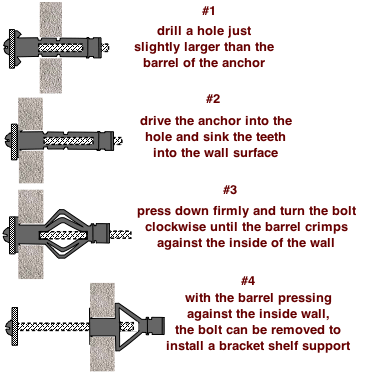
Start by drilling a hole in the concrete. Use a drill bit matching the anchor size. Clean the hole to remove dust and debris. Insert the expansion or sleeve anchor into the hole. Tap it gently with a hammer until it sits flush. Tighten the anchor bolt to expand the anchor inside the hole. The expansion locks the anchor firmly in place.
Setting Wedge Anchors
Drill a hole slightly deeper than the wedge anchor length. Clean the hole thoroughly. Insert the wedge anchor through the fixture into the hole. Tap the anchor down with a hammer until the washer and nut touch the fixture. Tighten the nut with a wrench. As you tighten, the wedge expands inside the hole. This expansion secures the anchor firmly.
Applying Chemical Anchors
Drill a clean hole in the concrete. Remove all dust using a brush or compressed air. Inject the chemical adhesive into the hole. Fill it about halfway to two-thirds full. Insert the threaded rod or anchor into the hole. Twist it slightly to spread the adhesive evenly. Allow the chemical to cure fully before applying any load. This method offers very strong and durable anchoring.

Credit: www.picturehangsolutions.com
Testing Anchor Strength
Testing anchor strength in a concrete wall is important for safety and durability. It ensures the anchors hold well and support the load. Proper testing helps avoid accidents and damage. Two main ways to test anchor strength are visual inspection and load testing. Both methods show if the anchor is secure.
Visual Inspection
Visual inspection is the first step in checking anchor strength. Look for cracks or chips around the anchor. Check if the anchor is properly set in the concrete. Loose or corroded anchors can fail under pressure. Make sure the anchor does not move or wobble. This quick check can reveal obvious problems early.
Load Testing Methods
Load testing puts weight on the anchor to test its strength. Use a pull tester to apply force slowly. Measure how much load the anchor can handle before it moves. Compare the results with the anchor’s rated capacity. Load testing confirms the anchor’s ability to hold heavy weights safely.
Common Mistakes To Avoid
Placing anchors in a concrete wall may seem simple, but mistakes often weaken the hold. Avoiding common errors ensures your anchors stay firm and safe. Many people overlook small details that lead to problems later.
Understanding these common mistakes helps improve your work quality. Focus on the steps below to avoid issues and get strong, reliable anchor points.
Incorrect Drill Size
Using the wrong drill bit size is a frequent error. A bit too large makes the hole loose. Too small, and the anchor won’t fit properly. Always check the anchor’s size before drilling. Use the exact drill size recommended by the anchor manufacturer.
Improper Cleaning
Not cleaning the hole after drilling causes weak anchoring. Dust and debris stop the anchor from gripping the concrete. Use a brush or compressed air to clear out all dust. A clean hole helps the anchor bond better with the concrete surface.
Insufficient Depth
Drilling a hole too shallow reduces anchor strength. Anchors need enough depth to hold firmly. Measure the anchor length and drill slightly deeper. This allows the anchor to expand fully and stay secure in the wall.
Credit: www.do-it-yourself-help.com
Tips For Stronger Holds
Strong holds are essential when installing anchors in concrete walls. They keep objects secure and prevent damage or accidents. Using the right techniques and materials can make a big difference in hold strength. Small steps can improve the durability and safety of your project.
Using Quality Anchors
Choose anchors made from strong materials like steel. Cheap anchors may break or loosen over time. Match the anchor size with the load it must carry. Quality anchors fit tightly and resist rust. This ensures they stay firm in the concrete longer.
Following Manufacturer Instructions
Read and follow the instructions provided with anchors. Each type needs a different installation method. Drilling the right hole size is important. Insert anchors carefully without forcing them. Proper installation boosts the hold and prevents failures.
Regular Maintenance
Check anchors regularly for signs of wear or rust. Tighten any loose anchors to keep them secure. Clean around the anchor to prevent dirt buildup. Early repairs stop small issues from becoming big problems. Regular care keeps anchors strong and safe.
Frequently Asked Questions
What Tools Are Needed To Put Anchors In Concrete Walls?
You need a hammer drill, masonry bit, anchors, hammer, and screwdriver. These tools help drill holes and secure anchors firmly in the concrete wall.
How Deep Should I Drill Holes For Concrete Anchors?
Drill holes slightly deeper than the anchor length, usually 1 to 2 inches. This ensures a tight fit and strong hold for the anchor in the concrete.
Can I Use Any Type Of Anchor For Concrete Walls?
No, use anchors designed for concrete, like wedge, sleeve, or drop-in anchors. These provide the best grip and strength for concrete surfaces.
How Do I Ensure Anchors Hold Firmly In Concrete?
Clean the drilled hole from dust and debris before inserting the anchor. Properly sized anchors and correct installation techniques guarantee a strong hold in concrete.
Conclusion
Putting anchors in a concrete wall is simple with the right steps. Use the correct tools and measure carefully. Drill holes straight and clean for a strong hold. Choose the right anchor type for your project. Tighten anchors slowly to avoid cracking the wall.
Follow these tips to ensure a safe, secure fit. Practice makes perfect, so don’t rush the job. This guide helps you complete your task with confidence.