Are you struggling to hang something heavy on your wall without it falling down? Knowing how to get screw anchors in the wall is the key to making sure your pictures, shelves, or decorations stay secure.
If you’ve ever drilled a hole only to find your screw slipping or the anchor not holding, this guide is for you. By the time you finish reading, you’ll have simple, clear steps that anyone can follow to get strong, reliable support from your walls.
Ready to learn the secrets to perfect screw anchoring? Let’s dive in.
Credit: www.familyhandyman.com
Choosing The Right Screw Anchors
Choosing the right screw anchors is key for strong, lasting wall mounts. Using the wrong anchor can cause damage or make the item fall. Understanding different types, materials, and weight limits helps pick the best anchor for your project.
Types Of Screw Anchors
Plastic anchors are common and work well in drywall. They expand when the screw is driven in. Metal anchors offer more strength for heavy items. Toggle anchors use a spring mechanism to grip behind the wall. Each type fits different wall materials and weight needs.
Material Considerations
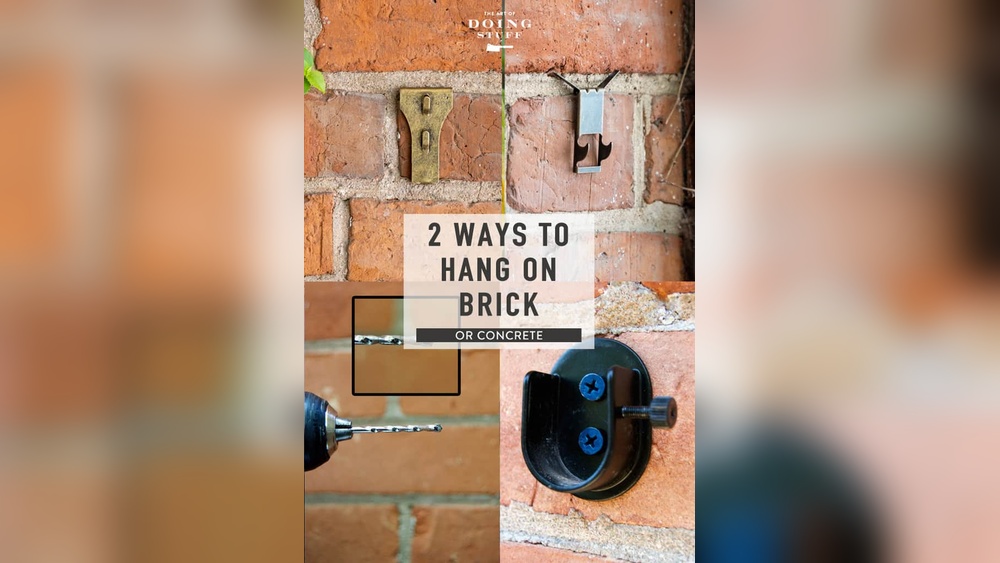
Plastic anchors suit light loads and dry walls. Metal anchors resist corrosion and hold heavier objects. Choose anchors made for your wall type. Concrete and brick require anchors made for masonry. Matching the anchor material with the wall avoids damage and failure.
Weight Capacity
Every anchor has a weight limit. Check the package for maximum weight. Always pick an anchor that supports more than your item’s weight. Overloading anchors can cause them to pull out or break. Proper weight capacity keeps your items safe and secure.

Credit: www.picturehangsolutions.com
Tools And Materials Needed
Preparing to install screw anchors requires the right tools and materials. Having everything ready makes the job faster and safer. Each tool plays a vital role in the process. Knowing what you need helps avoid mistakes and damage to your walls.
Drill And Bits
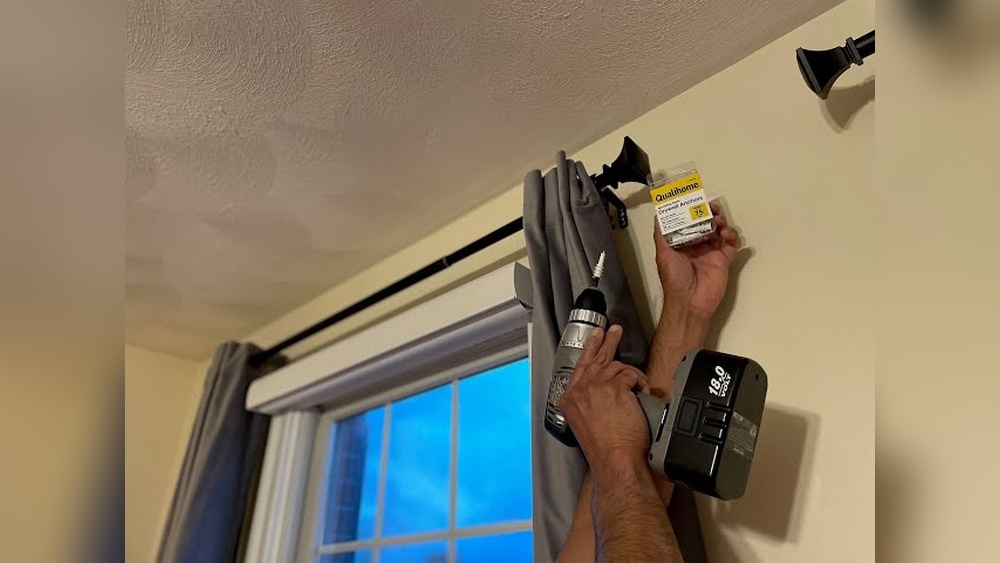
A drill is essential to create holes for the anchors. Use a drill bit that matches the anchor size. This ensures a snug fit and strong hold. Choose a drill with adjustable speed for better control. A cordless drill adds convenience and mobility.
Screwdriver
A screwdriver drives screws into the anchors securely. Use a screwdriver that fits your screw heads perfectly. This prevents stripping and slipping. Both manual and electric screwdrivers work well. An electric screwdriver saves time on many screws.
Measuring Tools
Measuring tools help mark the exact spot for the anchors. A tape measure and pencil are basic essentials. A level ensures your marks are straight and even. Accurate measuring avoids crooked or uneven installations. Take your time measuring to get perfect results.
Preparing The Wall
Preparing the wall is a crucial first step before installing screw anchors. It ensures a secure hold and avoids damage. This process involves finding the right spots, marking them clearly, and drilling the holes carefully. Each step helps the anchor fit perfectly and hold strong.
Locating Studs And Obstacles
Start by finding the studs behind the wall. Studs provide solid support for screws. Use a stud finder to locate them quickly. Avoid drilling into pipes or wires hidden inside the wall. Check for any obstacles before you proceed.
Marking Anchor Points
Mark the spots where you want to place the anchors. Use a pencil to make small, clear marks. Make sure the marks are level and spaced correctly. This helps keep your installation neat and balanced.
Drilling Pilot Holes
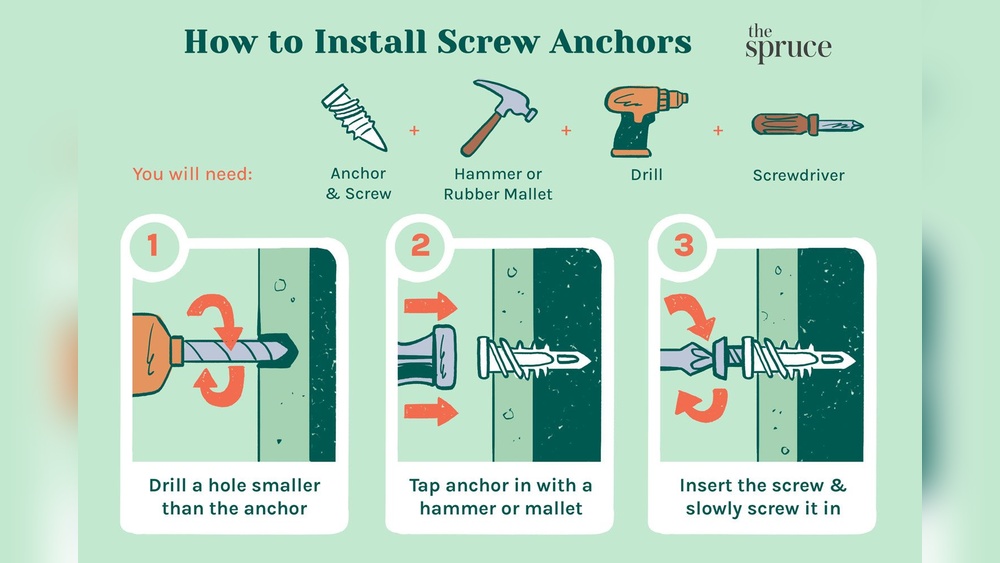
Drill small pilot holes at the marked points. Use a drill bit slightly smaller than the anchor size. Drill straight and steady to avoid wall damage. Pilot holes guide the anchor and make insertion easier.

Credit: www.tjlituo.com
Installing Screw Anchors
Installing screw anchors is a key step to secure objects on walls safely. Anchors hold screws tightly, preventing damage to walls. Proper installation ensures strong support for shelves, frames, or fixtures. This section explains how to insert plastic and metal anchors and tighten screws properly.
Inserting Plastic Anchors
Plastic anchors work well in drywall and plaster. Start by drilling a hole slightly smaller than the anchor. Push the plastic anchor into the hole until it is flush with the wall. Use a hammer gently if needed. The anchor expands inside the wall when the screw goes in, providing grip.
Using Metal Anchors
Metal anchors are stronger and fit for heavier loads. Drill a hole that matches the anchor size. Insert the metal anchor fully into the hole. Some metal anchors need to be screwed in or tapped with a hammer. They hold better in drywall and masonry.
Tightening Screws Properly
Insert the screw into the anchor carefully. Tighten screws slowly to avoid stripping the anchor. Stop once you feel resistance and the screw is secure. Over-tightening can weaken the hold and damage the wall. Use a screwdriver or drill with low torque setting for best results.
Testing Anchor Strength
Testing the strength of screw anchors is key for safe and secure wall attachments. It ensures your anchor can hold the weight without slipping or falling. This step helps avoid damage to your walls and keeps your items secure.
Checking Stability
Start by gently pulling or pushing the attached item. Watch for any movement or wobbling. The anchor should feel firm and not shift in the wall. Slight movement means the anchor might not be secure enough. Test with different directions to cover all forces.
Adjusting If Necessary
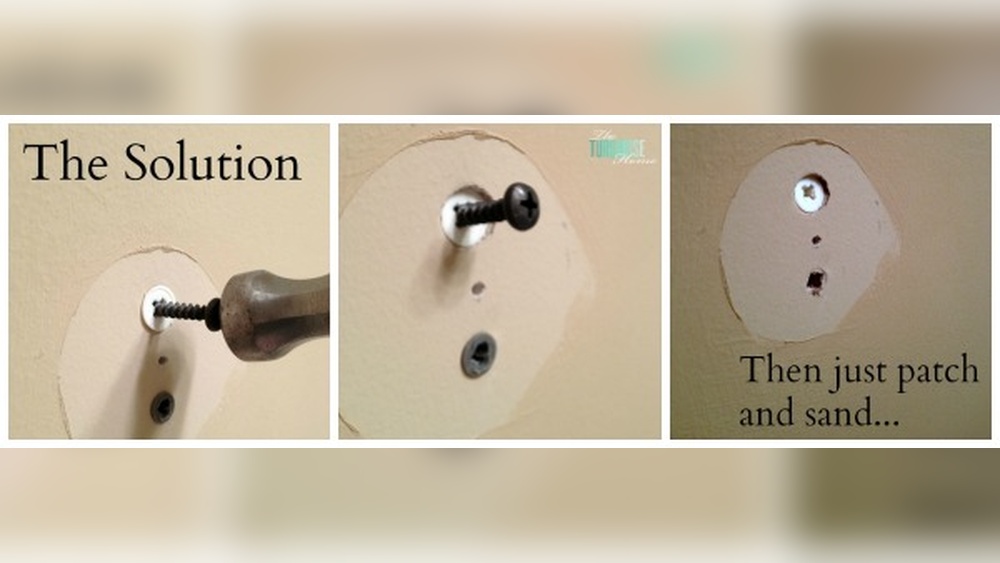
If the anchor moves, remove the item and try tightening the screw. Use a screwdriver to make sure the screw is fully set. If it still feels loose, remove the anchor and check the hole size. You may need a larger anchor or a different type for your wall material. Repeat the test after adjustments to confirm stability.
Common Mistakes To Avoid
Using screw anchors in walls can be tricky. Many people make simple mistakes that cause anchors to fail. Avoiding these errors saves time and prevents damage to your walls. Here are common mistakes to watch out for.
Choosing Wrong Anchor Type
Different walls need different anchors. Using the wrong type leads to weak support. Drywall anchors won’t hold well in concrete. Plastic anchors can break in heavy loads. Match the anchor type to your wall and load.
Over-tightening Screws
Turning screws too tight can damage anchors. Over-tightening strips the anchor or breaks it. Tighten screws just enough to hold firmly. Stop as soon as the anchor feels secure.
Ignoring Wall Material
Walls vary in strength and texture. Ignoring the wall type causes poor anchor performance. Hollow walls need special anchors. Solid walls require different drilling and anchors. Identify the wall material before starting.
Tips For Heavy-duty Support
Heavy items need strong support to stay safely on walls. Using the right screw anchors is key. Some anchors work better for light loads, while others hold heavy weights. Here are useful tips to ensure your anchors provide heavy-duty support.
Using Toggle Bolts
Toggle bolts are great for heavy loads on drywall. They have metal wings that open inside the wall. This spreads the weight over a large area. Drill a hole big enough for the closed wings. Push the toggle bolt through the hole. The wings open up and grip the back of the wall. Tighten the bolt to secure the anchor firmly. Toggle bolts hold strong because they use wall space behind the surface.
Reinforcing With Multiple Anchors
Sometimes one anchor is not enough for heavy items. Use several anchors spaced evenly for better support. Spread the weight across all anchors to avoid stress on one point. Mark the spots carefully before drilling. Install each anchor securely and check their hold. Multiple anchors reduce the chance of wall damage and keep heavy items stable for a long time.
Frequently Asked Questions
What Are Screw Anchors And Why Use Them?
Screw anchors are fasteners used to secure objects to walls. They provide strong support in drywall, plaster, or masonry. Anchors prevent screws from pulling out and distribute weight evenly. They are essential for hanging heavy items safely and securely.
How Do I Choose The Right Screw Anchor?
Select anchors based on wall type and item weight. Use plastic anchors for light loads, metal for medium, and heavy-duty anchors for heavy objects. Check the anchor’s size matches your screw diameter. Proper choice ensures secure and lasting hold.
Can I Install Screw Anchors Without A Drill?
Yes, some anchors can be installed by hand. Plastic expansion anchors can be pushed or tapped into a pre-drilled hole. However, a drill ensures precise holes and easier installation, especially in hard walls like concrete or brick.
How Deep Should I Drill For Screw Anchors?
Drill a hole slightly deeper than the anchor length. This allows the anchor to fit fully without obstruction. Proper depth ensures the anchor expands correctly and holds firmly in the wall.
Conclusion
Getting screw anchors in the wall is easier than you think. Choose the right anchor for your wall type. Drill a hole carefully and insert the anchor firmly. Screw in slowly to avoid damage. This simple process makes hanging things secure.
With practice, you will gain confidence and skill. Remember, patience and the right tools help a lot. Try these steps next time you need strong support. Your walls will hold items safely and steadily.