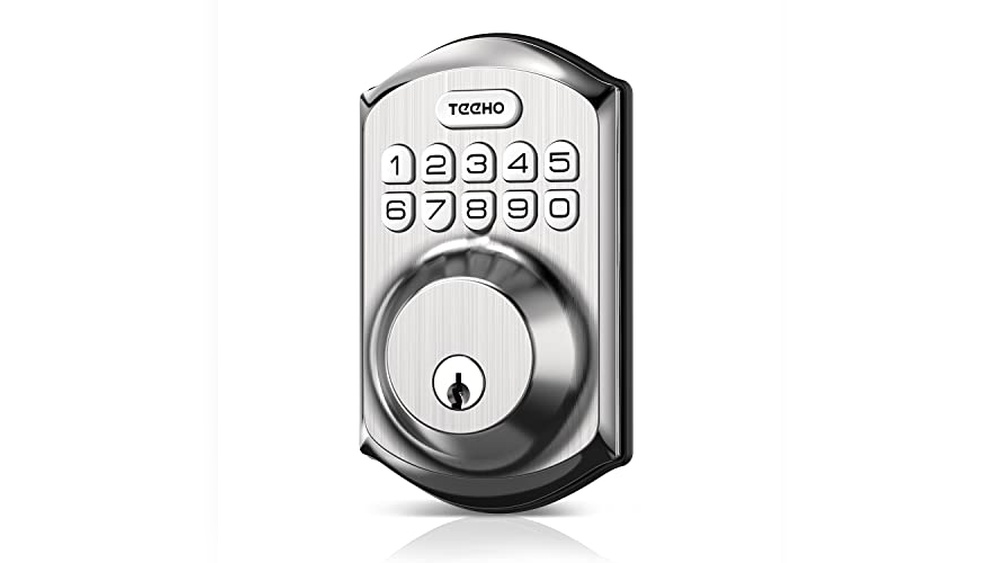
Locked out with a deadbolt and no key in sight? It’s frustrating, stressful, and can feel like a problem with no easy fix.
But don’t panic just yet. You have options to get that deadbolt open without a key—whether it’s an emergency or just a moment of forgetfulness. You’ll discover simple, practical methods to regain access quickly and safely. Keep reading, and you’ll be back inside before you know it.

Credit: securitylocksmithokc.com
Tools Needed
Getting a deadbolt open without a key requires the right tools. The tools help you work with the lock’s mechanism. Some tools are easy to find around the house. Others are made specifically for lock picking. Knowing what you need is the first step to success.
Common Household Items
Simple household items can sometimes help open a deadbolt. A bobby pin or a paperclip can act as a pick. A flathead screwdriver may help turn the lock. Thin, stiff items work best. These tools are easy to find and use.
Keep in mind, these items may not work on all locks. They work better on older or less complex deadbolts. Trying these tools first saves time and money.
Specialized Lock Picking Tools
Specialized tools make lock picking easier and more effective. A tension wrench applies pressure to the lock cylinder. A pick is used to manipulate the pins inside the lock. These tools come in sets and are designed for deadbolts.
Using these tools requires patience and skill. They are more reliable than household items. Many locksmiths use these tools daily. Investing in a basic set can improve your chances of success.
Assessing The Deadbolt Type
Knowing the type of deadbolt is the first step in opening it without a key. Different deadbolts have unique designs and security features. This affects how to handle them if you do not have the key.
Assessing the deadbolt type helps decide the best way to open it. It also prevents damage to the door and lock. Below are the main deadbolt types found in homes.
Single Cylinder Deadbolts
Single cylinder deadbolts have a keyhole on the outside. Inside, they use a thumb turn to lock or unlock. This type is common for residential doors. It is easier to open without a key from the inside using the thumb turn.
Outside, opening a single cylinder deadbolt without a key is tricky. Tools like lock picks or bump keys might work. But these require some skill and care.
Double Cylinder Deadbolts
Double cylinder deadbolts need a key on both sides. They do not have a thumb turn inside. This type adds security by preventing unlocking from the inside without a key.
Opening a double cylinder deadbolt without a key is harder. It usually requires professional tools or locksmith help. Attempting to force it can damage the door or lock.
Using Credit Card Method
The credit card method is a simple way to open a door with a spring bolt lock. It works by pushing the latch back into the door frame. This method does not work on deadbolts that extend deep into the door frame. Use a plastic card that you do not mind damaging. This technique can save time when you are locked out of a door with a simple latch.
Step-by-step Process
First, choose a flexible plastic card. Avoid your bank or credit cards to prevent damage. Hold the card firmly and slide it between the door and the frame above the latch.
Push the card towards the latch while bending it back slightly. Wiggle the card up and down to move the latch. Apply steady pressure to push the latch inside the door. Once the latch moves, push the door open slowly.
Limitations And Precautions
This method works only on spring bolt locks, not on deadbolts. Doors with tight frames or metal reinforcements may block the card. Using a card may damage it or the door frame. Be careful to avoid injury or damage to property. Always try other options if this method fails.
Lock Picking Basics
Lock picking is a skill that lets you open a deadbolt without a key. It needs patience and a gentle touch. Understanding the basics helps you try simple methods safely. Knowing how locks work makes the process easier. Let’s explore two common techniques used by beginners.
Raking Technique
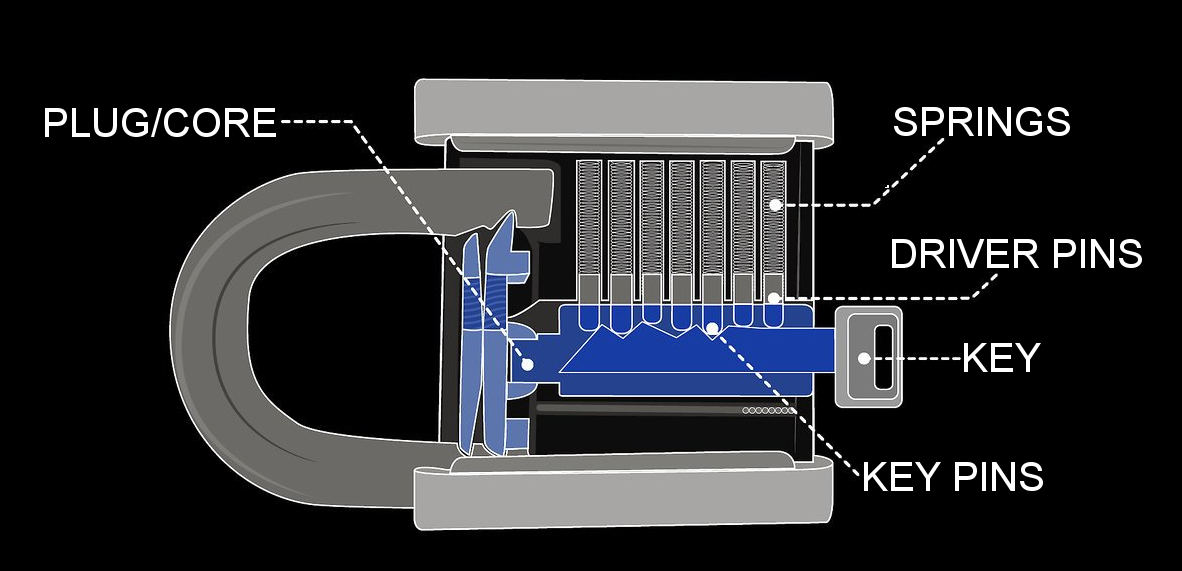
The raking technique is quick and simple. It uses a tool called a rake pick. You insert it into the lock and move it back and forth. This movement pushes the pins inside the lock up and down. The goal is to set all pins at the right height to open the lock. It works best on locks with less security. This method is a good start for those new to lock picking.
Single Pin Picking
Single pin picking is more precise than raking. It uses a hook pick to lift each pin one by one. You feel for the pins that are stuck and gently push them up. This technique takes more time but works on tougher locks. It needs patience and a steady hand. Single pin picking helps you understand how each pin affects the lock. It’s a useful skill for more challenging deadbolts.
Bypassing With A Bump Key
Bypassing a deadbolt with a bump key is a technique used to open locks without the original key. It requires a special key designed to fit many locks of the same type. This method can help in emergencies or when keys are lost. Understanding how bump keys work and how to use them safely is important.
What Is A Bump Key?
A bump key is a modified key that fits into many pin tumbler locks. It has all its cuts set to the lowest depth. When inserted and tapped, it causes the pins inside the lock to jump. This allows the lock to turn and open.
Bump keys are made for specific lock brands or types. They do not require the original key to work. Many locksmiths use bump keys as a quick way to open doors.
How To Use A Bump Key Safely
Insert the bump key fully into the lock. Apply slight pressure to turn the key. Use a small tool to tap the key gently. The tapping causes the pins to jump and unlock.
Do not use excessive force to avoid damage. Practice on your own locks to learn the right pressure. Only use bump keys on locks you own or have permission to open.
Using bump keys without permission is illegal and unethical. Always respect others’ property and privacy when using this method.
Drilling The Lock
Drilling the lock is a last option to open a deadbolt without a key. It damages the lock but lets you get inside. This method works when other ways fail. You need the right tools and care to avoid injury or damage to the door.
When To Drill
Drill the lock only if picking or bumping does not work. Use this method if you have no spare key and no help nearby. Drilling is best for emergency access or when the lock is broken. Check local laws before drilling, as it may be illegal in some areas.
Drilling Procedure And Safety Tips
Start with a small drill bit to make a pilot hole. Drill directly into the lock cylinder, aiming for the pins inside. Use steady pressure and low speed to avoid overheating. Wear safety goggles and gloves to protect eyes and hands. Keep the drill straight to prevent door damage. After drilling, use a screwdriver to turn the lock and open the door.
Using A Screwdriver Or Tension Wrench
Using a screwdriver or tension wrench is a simple way to open a deadbolt without a key. These tools help you apply pressure and move the lock parts inside. With care and patience, you can turn the lock open.
Applying Tension Correctly
Hold the tension wrench firmly in the bottom part of the keyhole. Apply light pressure in the direction the key would turn. Too much force can make the lock jam. Too little pressure will not move the pins. The right tension lets the pins hold in place one by one.
Manipulating The Lock Pins
Insert the screwdriver or a small pick into the top of the keyhole. Gently lift each pin inside the lock. Feel for pins that move freely and those that resist. Push the pins up until they stay in the lifted position. When all pins are set, the lock will turn open with the tension wrench.
When To Call A Locksmith
Knowing when to call a locksmith can save time and avoid damage. Some lock problems need expert help. Trying to fix these yourself might make things worse. Recognize the signs that show it is time to call a professional. This ensures your door stays safe and your lock works well.
Signs You Need Professional Help
The lock is stuck or very hard to turn. You tried several times but the deadbolt won’t move. The key breaks inside the lock. Your lock looks old or damaged. The key does not fit or turns without opening the door. You lost your keys and cannot enter your home. These problems mean a locksmith should handle the job. They have tools and skills for safe lock opening.
Choosing A Reliable Locksmith
Pick a locksmith with good reviews and local presence. Check if they have proper licenses or certifications. Ask about their experience with deadbolt locks. Get a clear price estimate before they start work. Avoid locksmiths who ask for full payment upfront. Confirm they offer emergency services if needed. A trustworthy locksmith protects your home and your wallet.
Preventing Future Lockouts
Getting locked out of your home can be stressful and time-consuming. Preventing future lockouts saves effort and avoids frustration. Taking simple steps helps you stay prepared and safe. Here are practical ideas to keep your door accessible without a key.
Spare Keys And Key Storage
Keep spare keys in safe, easy-to-remember places. Trusted neighbors or family members can hold a spare key. Use a secure lockbox outside your home for extra protection. Avoid hiding keys in obvious spots like under the mat. Change spare key locations occasionally to stay secure.
Smart Lock Alternatives
Smart locks offer keyless entry with codes or apps. They reduce the risk of losing physical keys. Choose models with backup power options for reliability. Set up temporary codes for visitors or service people. Regularly update your lock’s software to keep it secure.
Credit: www.lockpickworld.com

Credit: www.youtube.com
Frequently Asked Questions
How Can I Open A Deadbolt Without A Key Safely?
You can use a bump key, a credit card, or a lock pick set. Always try non-destructive methods first to avoid damage. If unsure, contact a locksmith for professional help.
What Tools Are Needed To Unlock A Deadbolt Without A Key?
Common tools include a bump key, tension wrench, lock pick set, or a credit card. These tools help manipulate the lock mechanism. Use them carefully to avoid harming the lock.
Is It Legal To Open A Deadbolt Without A Key?
Opening a deadbolt without a key is legal only on locks you own or have permission to open. Unauthorized entry is illegal and punishable by law. Always ensure you have proper authorization before attempting.
Can I Unlock A Deadbolt Using A Credit Card?
A credit card can open spring bolt locks but usually not deadbolts. Deadbolts have stronger mechanisms that resist card methods. For deadbolts, use other tools or call a locksmith.
Conclusion
Getting a deadbolt open without a key can be tricky but not impossible. Trying simple tools and gentle methods often helps. Stay calm and patient to avoid damage. If these tips don’t work, calling a professional is wise. Remember, safety matters most when dealing with locks.
Keep your keys safe to prevent future issues. Now you have basic ideas to handle this problem smartly and carefully.