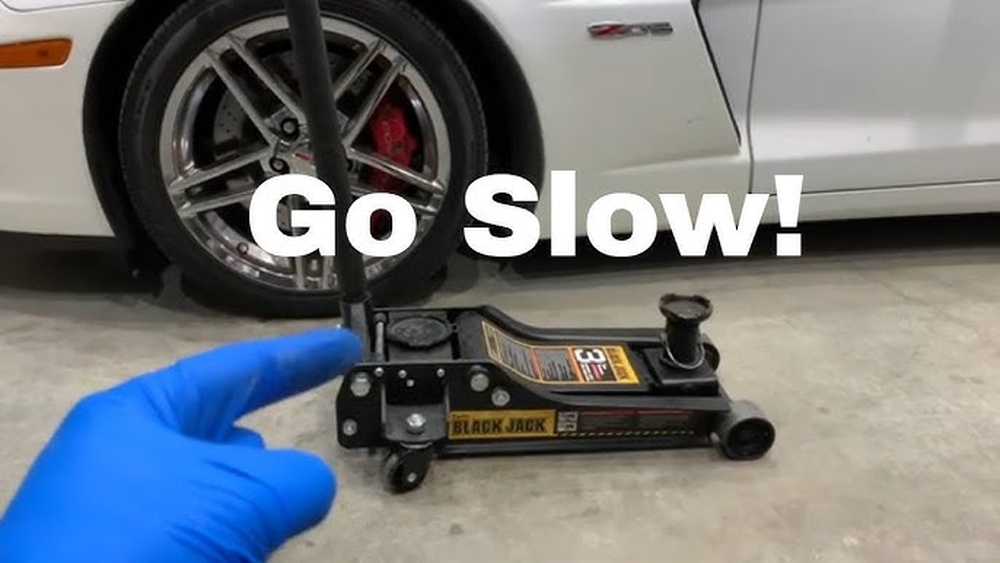
If you use a floor jack regularly, knowing how to put hydraulic fluid in it can save you time and money. Without the right fluid level, your jack won’t lift properly and could even get damaged.
In this guide, you’ll learn simple steps to refill your floor jack’s hydraulic fluid quickly and safely. By the end, you’ll feel confident maintaining your jack so it works like new every time you need it. Keep reading to make sure your floor jack stays strong and reliable.
Tools And Materials Needed
Before adding hydraulic fluid to a floor jack, gather all necessary tools and materials. This preparation makes the process smooth and safe. Having everything ready avoids mistakes and saves time.
Use clean and suitable items to protect the jack and yourself. Understanding each tool’s role helps you work with confidence.
Hydraulic Fluid
Choose the correct hydraulic fluid for your floor jack. Check the user manual for the recommended type. Using the wrong fluid can damage the jack or reduce performance.
Clean Cloth Or Rag
Keep a clean cloth handy for wiping spills and cleaning the filler area. This prevents dirt from entering the jack. Cleanliness helps maintain the jack’s function.
Funnel
A funnel guides the fluid into the jack without spilling. It fits easily into small openings. This tool makes pouring neat and efficient.
Wrench Or Screwdriver
Use a wrench or screwdriver to open the fluid filler plug. The tool type depends on your jack’s design. Having the right tool avoids damage to the plug.
Gloves
Wear gloves to protect your hands from hydraulic fluid. Fluid can irritate skin or cause stains. Gloves keep your hands clean and safe.
Safety Glasses
Safety glasses shield your eyes from splashes. Hydraulic fluid can harm your eyes. Use glasses to prevent accidents.
Safety Precautions
Wear gloves and eye protection to avoid contact with hydraulic fluid. Work on a flat surface and keep the jack stable. Clean any spills immediately to prevent slipping or damage.
Wear Protective Gear
Always wear gloves to protect your hands from hydraulic fluid. Safety glasses shield your eyes from splashes. Wear old clothes or a protective apron to avoid stains.
Work In A Well-ventilated Area
Hydraulic fluid can produce harmful fumes. Open windows or work outside to keep fresh air flowing. Avoid enclosed spaces to reduce inhaling any vapors.
Keep The Jack Stable
Place the floor jack on a flat, solid surface. Make sure it cannot roll or move during the refill. Stability prevents accidents and ensures safe handling.
Avoid Open Flames
Hydraulic fluid is flammable. Do not smoke or use open flames nearby. Keep sparks and heat sources away from your work area.
Clean Up Spills Immediately
Wipe any spilled fluid right away. Hydraulic fluid makes surfaces slippery and dangerous. Use absorbent cloths and dispose of waste properly.
Check For Leaks Before Use
Inspect the jack after filling the fluid. Look for any leaks or damage. Fix leaks to keep the jack working safely and correctly.
Locating The Hydraulic Fluid Reservoir
Start by locating the hydraulic fluid reservoir, usually found near the jack’s pump. It often has a small cap or plug that you can open easily. Check this area carefully before adding any fluid.
What Is The Hydraulic Fluid Reservoir?
The hydraulic fluid reservoir holds the fluid that powers the floor jack. It is essential for lifting heavy objects safely. Without enough fluid, the jack will not work properly. Knowing where this reservoir is helps with maintenance and refilling.
Where To Find The Reservoir On A Floor Jack
Look near the base of the jack. The reservoir is often a small metal or plastic container. It usually has a cap or plug on top. This cap can be unscrewed to add fluid. The reservoir may be marked with a label or symbol.
How To Identify The Reservoir Cap
The cap is often round and fits tightly. It might have grooves or ridges for easy gripping. Some caps have a small vent hole. Avoid forcing the cap open to prevent damage. Use a cloth to clean around the cap before opening.

Credit: www.wikihow.com
Draining Old Hydraulic Fluid
Draining old hydraulic fluid is a key step before adding new fluid to your floor jack. Removing the old fluid helps keep the jack working smoothly. It also stops dirt and debris from damaging the system.
Old hydraulic fluid can become thick or dirty over time. This lowers the jack’s performance and may cause leaks. Clearing out the old fluid lets you refill with fresh, clean hydraulic oil.
Prepare Your Work Area
Find a flat, stable surface to work on. Place a drip tray or container under the jack to catch the fluid. Wear gloves to protect your hands. Keep paper towels or rags nearby for spills.
Locate The Drain Plug
Look at the bottom or side of the jack to find the drain plug. It is usually a small bolt or screw. Use the right size wrench or screwdriver to avoid damage. Make sure the jack is lowered fully before draining.
Drain The Old Fluid
Slowly loosen the drain plug to let the fluid flow out. Allow all the fluid to drain into your container. Avoid tipping the jack to prevent spills. After draining, clean the drain plug and the area around it.
Dispose Of Used Hydraulic Fluid Properly
Take the old fluid to a recycling center or hazardous waste facility. Do not pour it down drains or on the ground. Proper disposal protects the environment and follows local laws.
Selecting The Right Hydraulic Fluid
Selecting the right hydraulic fluid is key to keeping your floor jack working well. The fluid helps move power through the jack smoothly. Using the wrong fluid can cause damage or poor performance. Choosing the correct fluid protects the jack and extends its life.
Hydraulic fluids come in different types. Each type has a special formula for certain uses. It is important to pick one that fits your floor jack’s needs. Check the jack’s manual for the recommended fluid type before adding any fluid.
Understanding Hydraulic Fluid Types
There are three main types of hydraulic fluids. Mineral oil-based fluids are common and cost-effective. Synthetic fluids last longer and work better in extreme temperatures. Water-based fluids are less common but used in some special jacks.
Checking Fluid Compatibility
Not all fluids mix well with floor jack parts. Some fluids can damage seals or metal components. Always match the fluid to your jack’s material. Using wrong fluid causes leaks and wear.
Considering Viscosity And Temperature
Viscosity means how thick the fluid is. The right thickness helps the jack work smoothly. Fluids that are too thick or thin reduce performance. Also, choose a fluid that works well in your area’s temperature range.
Following Manufacturer Recommendations
The best guide is your floor jack’s manual. It lists the exact type and grade of fluid to use. Following these instructions ensures safe and effective use. Avoid guessing or substituting fluids to prevent damage.
Filling The Floor Jack With Fluid
Filling the floor jack with hydraulic fluid is a key step to keep it working well. The right fluid level helps the jack lift heavy objects safely. Filling the reservoir is simple but needs care to avoid spills and damage. Follow these steps for a smooth process.
Opening The Reservoir Cap
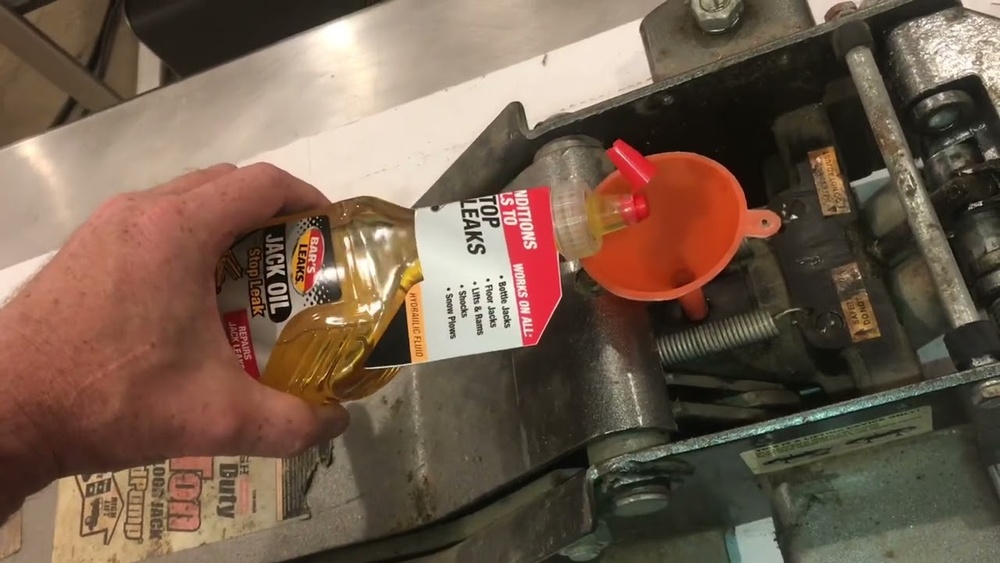
First, find the reservoir cap on the floor jack. It is usually a small round cover. Clean around the cap to stop dirt from entering. Use a wrench or your hand to loosen the cap. Remove it slowly to avoid any fluid splash.
Adding Fluid Carefully
Use the proper hydraulic fluid as recommended by the jack’s manual. Pour the fluid slowly into the reservoir. Avoid filling too fast to prevent bubbles or overflow. Stop adding fluid when it reaches just below the reservoir’s edge.
Checking Fluid Level
Check the fluid level with a dipstick or sight glass if your jack has one. The fluid should be at the full mark, not above or below. Add more fluid if the level is low, but do not overfill. Replace the cap securely to keep the fluid inside.
Bleeding Air From The Jack
Bleeding air from a floor jack is an important step after adding hydraulic fluid. Air trapped inside the jack causes poor lifting performance. It makes the jack feel spongy or weak. Removing the air restores smooth, strong operation. This process is simple and quick. It helps the jack work safely and efficiently.
Prepare The Jack For Bleeding
Start by placing the jack on a flat surface. Lower the jack completely to release pressure. Open the hydraulic fluid reservoir carefully. Keep a cloth handy to catch any spills. Make sure you have the right hydraulic fluid ready.
Open The Bleed Valve
Locate the bleed valve on the jack body. Use a wrench or screwdriver to open it slightly. This allows trapped air to escape. Do not open the valve too much to avoid fluid leaks. Keep the valve open during the next step.
Pump The Jack Handle Slowly
Pump the jack handle up and down slowly. This action pushes air bubbles out through the bleed valve. Watch for air bubbles in the fluid. Continue pumping until no more bubbles appear. This means air is fully removed.
Close The Bleed Valve
Once no air bubbles come out, close the bleed valve tightly. Wipe any spilled fluid to keep the area clean. Check the fluid level in the reservoir again. Add more fluid if needed to reach the full mark.
Test The Jack Performance
Raise and lower the jack several times. It should move smoothly and feel firm. If it still feels soft or weak, repeat the bleeding process. Proper bleeding improves safety and extends the jack’s life.
Testing The Floor Jack
Testing the floor jack after adding hydraulic fluid is crucial. It ensures the jack works safely and correctly. This step prevents accidents and equipment damage. Follow these simple tests to check your floor jack’s performance.
Check For Leaks
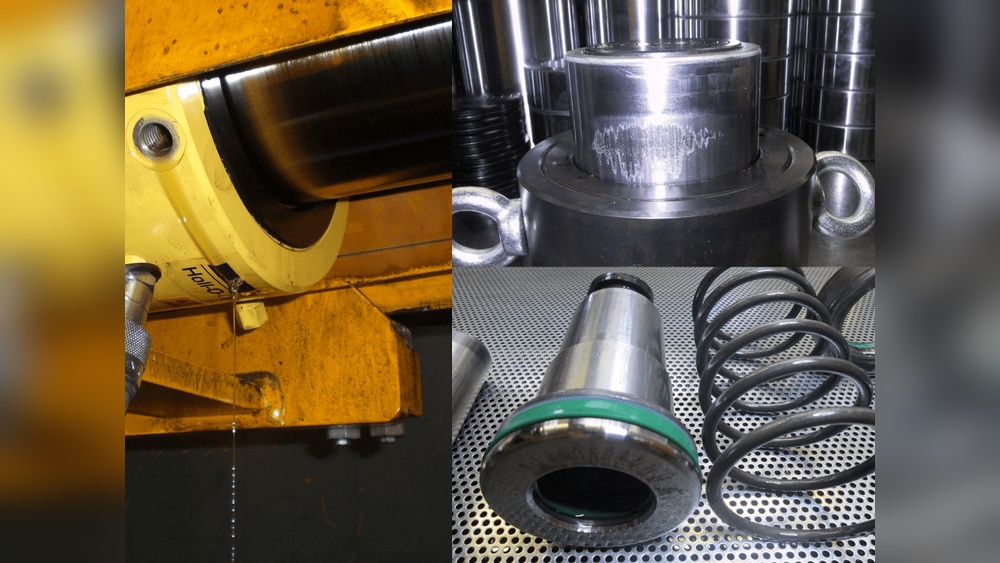
Inspect the jack closely for any signs of fluid leaks. Look around the hydraulic cylinder and connections. If you see fluid, tighten fittings or replace damaged seals. Leaks reduce jack pressure and cause failure.
Test The Lifting Action
Place the jack under a sturdy object. Pump the handle slowly to lift the load. The jack should lift smoothly without jerking or slipping. Stop if it feels weak or uneven.
Lower The Jack Slowly
Turn the release valve carefully to lower the load. The jack should lower steadily without sudden drops. If it lowers too fast or not at all, check the valve and fluid level again.
Listen For Unusual Noises
Operate the jack and listen closely. Grinding, squeaking, or hissing sounds mean a problem inside. These noises often indicate air trapped in the system or worn parts.
Repeat The Process
Test the jack several times to confirm consistent performance. Each lift and lower should feel smooth. Consistency proves the hydraulic fluid is working well inside the jack.
Maintenance Tips For Floor Jacks
Proper maintenance helps your floor jack work safely and last longer. Regular care avoids damage and keeps the jack ready. Small steps protect your investment and save money over time.
Check the jack often. Clean dirt and dust from moving parts. Keep the jack dry to prevent rust. Use light oil on joints to keep them smooth.
Check Hydraulic Fluid Levels Regularly
Low hydraulic fluid causes poor lifting power. Open the fill plug to inspect fluid levels. Top up with the correct hydraulic fluid when needed. Avoid overfilling to prevent leaks and damage.
Inspect For Leaks And Damage
Look under and around the jack for fluid leaks. Check seals and hoses for cracks or wear. Replace damaged parts right away. Leaks reduce performance and can be dangerous.
Store Floor Jack Properly
Keep the jack in a dry, clean place. Store it lowered to reduce stress on parts. Avoid leaving it outside or in wet areas. Proper storage stops rust and damage.
Test Jack Operation Before Use
Raise and lower the jack slowly to check smoothness. Listen for strange noises or resistance. If the jack feels stiff, inspect it closely. Timely checks help catch issues early.

Credit: www.wikihow.com

Credit: www.youtube.com
Frequently Asked Questions
How Do I Check Hydraulic Fluid Level In A Floor Jack?
To check the fluid level, locate the fill plug on the jack. Remove it and inspect the fluid inside. The fluid should be near the top. If low, add hydraulic fluid carefully to avoid overfilling and ensure smooth jack operation.
What Type Of Hydraulic Fluid Is Best For Floor Jacks?
Use high-quality jack or hydraulic oil recommended by the manufacturer. Avoid using brake fluid or motor oil, as they can damage seals. Proper fluid ensures efficient lifting and extends the jack’s lifespan.
How Often Should I Replace Hydraulic Fluid In A Floor Jack?
Replace hydraulic fluid every 12 months or after heavy use. Regular changes prevent contamination and maintain smooth jack performance. Always drain old fluid completely before refilling with fresh hydraulic oil.
Can I Use Automotive Transmission Fluid In A Floor Jack?
No, automotive transmission fluid is not suitable for floor jacks. It has different properties and may cause damage. Always use the specified hydraulic fluid to ensure proper function and safety.
Conclusion
Adding hydraulic fluid to your floor jack keeps it working well. Check the fluid level often to avoid damage. Use the right type of fluid for best results. Clean the jack before opening it to keep dirt out. Follow the steps carefully, and your jack will lift smoothly.
Taking care of your floor jack saves time and money. Keep your tools ready for any job. Simple maintenance goes a long way.