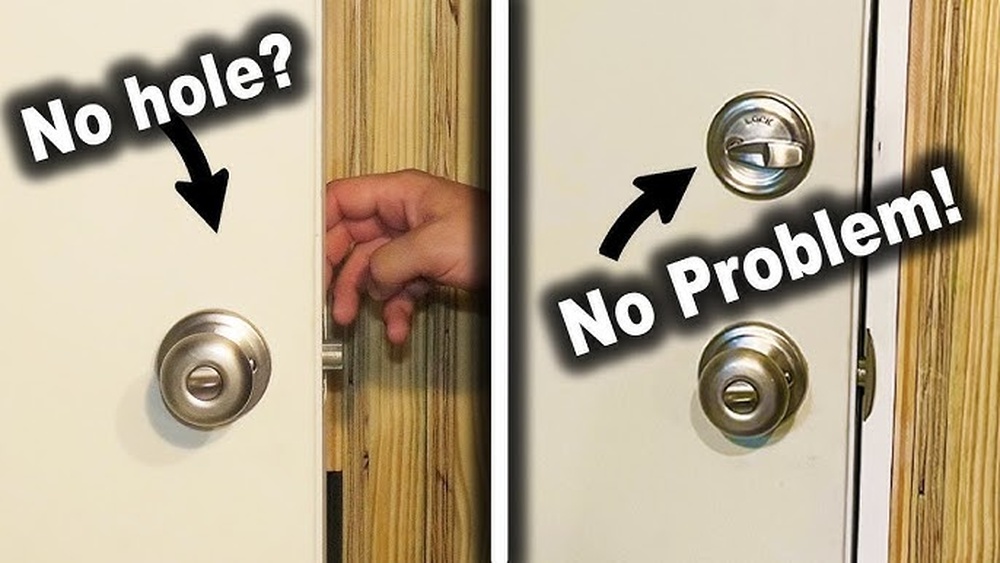
Are you looking to upgrade your home security or replace an old deadbolt? Knowing how to drill for a deadbolt is a skill that can save you time and money.
But if you’ve never done it before, the idea of drilling into your door might feel overwhelming. Don’t worry—this guide will walk you through every step, making the process simple and stress-free. By the end, you’ll have the confidence to install a strong, reliable deadbolt that keeps your home safe.
Ready to get started? Let’s dive in!

Credit: www.youtube.com
Choosing The Right Deadbolt
Choosing the right deadbolt is very important for home security. It helps protect your doors from unwanted entry. Picking the best deadbolt depends on your door type and security needs. Understanding the types, sizes, and quality ratings can guide you to the right choice.
Types Of Deadbolts
There are three common deadbolt types: single-cylinder, double-cylinder, and lockable thumb-turn.
Single-cylinder deadbolts use a key outside and a thumb-turn inside. They are easy to use and common.
Double-cylinder deadbolts need a key on both sides. They add extra security but can be tricky in emergencies.
Lockable thumb-turn deadbolts let you lock the thumb-turn with a key. They combine convenience and safety.
Selecting The Correct Size
Deadbolts come in different sizes to fit various doors. Most standard doors need a 2 1/8-inch hole for installation.
Check the thickness of your door before buying. Standard doors are usually 1 3/4 inches thick.
For thicker or thinner doors, find deadbolts designed to fit those sizes. Proper fit ensures better security and easier use.
Quality And Security Ratings
Look for deadbolts with high-quality materials like solid brass or steel. These last longer and resist tampering.
Check for ANSI or BHMA ratings. Grade 1 is the highest and offers the best protection.
Choose deadbolts with a good security rating to keep your home safe from forced entry.
Gathering Necessary Tools
Gathering the right tools is the first step to drilling for a deadbolt. Having everything ready helps the job go smoothly. It prevents delays and mistakes. The tools must match the task for safe and clean work. Below are the key items you need.
Essential Drilling Tools
A power drill is a must-have for this job. Choose one with adjustable speed settings. Drill bits are also important. Use a spade bit or hole saw bit sized for the deadbolt. A screwdriver helps with removing and installing screws. A tape measure ensures accurate marking. Marking tools like a pencil or marker are useful for precision.
Safety Equipment
Safety is crucial while drilling. Wear safety glasses to protect your eyes from dust and debris. Gloves shield your hands from sharp edges and splinters. Ear protection reduces noise from the drill. A dust mask prevents inhaling harmful particles. These simple items keep you safe during the job.
Additional Accessories
A clamp holds the door steady and prevents slipping. A level ensures the deadbolt aligns correctly. A flashlight helps see inside dark areas. Painter’s tape can mark drill spots clearly. A small vacuum or brush cleans up the dust after drilling. These extras improve accuracy and cleanliness.
Preparing The Door
Preparing the door is the first step before drilling for a deadbolt. This step ensures the lock fits perfectly and works well. Proper preparation helps avoid mistakes and saves time. The process includes marking drill points, measuring the backset and height, and checking the door material.
Marking Drill Points
Start by marking where you will drill. Use a pencil to mark the exact spots for the lock and latch. Check the instructions that come with your deadbolt for correct positions. Make sure marks are clear and easy to see. Double-check measurements before drilling.
Measuring Backset And Height
Measure the backset, the distance from the door edge to the center of the hole. Most deadbolts use a 2 3/8 or 2 3/4 inch backset. Also, measure the height from the floor to the lock hole. Standard height is about 36 inches. Accurate measurements help the deadbolt fit well and work properly.
Checking Door Material
Know what material your door is made of before drilling. Wood doors are easier to drill than metal or fiberglass. Use the right drill bit for the door type. A wrong drill bit can damage the door or make drilling hard. Checking material ensures a clean and safe installation.
Drilling The Door
Drilling the door is a key step in installing a deadbolt lock. It requires careful measuring and steady drilling. Accurate holes ensure the deadbolt fits well and works smoothly. This section explains how to drill the door correctly.
Drilling The Face Bore
The face bore is the large hole on the door’s flat side. It holds the lock’s main body. Use a hole saw drill bit sized for your deadbolt. Mark the center point carefully before drilling. Drill straight and steady to avoid splintering wood. Stop once you reach the right depth.
Creating The Edge Bore
The edge bore is the smaller hole on the door’s edge. It fits the deadbolt latch. Use a spade bit or hole saw sized for the latch. Mark the center point on the door edge clearly. Drill straight to connect with the face bore hole inside. Clean out wood chips for a smooth fit.
Avoiding Common Mistakes
Do not rush drilling. Moving the drill off-center can ruin the lock fit. Avoid drilling too deep or shallow. Check drill bit sizes before starting. Protect the door surface to stop splintering. Keep the drill steady and straight. These tips help create clean, precise holes.
Installing The Deadbolt
Installing the deadbolt is the next step after drilling the holes. It is important to place each part carefully. This ensures the lock works well and keeps your door secure.
Fitting The Bolt Mechanism
Start by sliding the bolt mechanism into the side hole. Make sure the bolt moves smoothly in and out. The bolt should extend when locked and retract when unlocked. Align it so the flat side faces the door frame.
Securing The Faceplate
Place the faceplate over the bolt on the edge of the door. The faceplate holds the bolt in place and gives a clean look. Use screws to fasten it tightly. Screws must go straight to avoid loosening over time.
Installing The Thumb Turn And Key Cylinder
Insert the thumb turn on the inside of the door first. It allows easy locking and unlocking from inside. Next, fit the key cylinder on the outside. Make sure the cylinder turns freely with the key. Tighten screws to hold both parts firmly.
Finishing Touches
After drilling and installing a deadbolt, the final steps ensure it works well and stays secure. These finishing touches help the lock last longer and keep your door safe. Taking time here saves trouble later.
Testing The Lock Operation
Turn the key or thumb turn several times. Check if the bolt moves smoothly in and out. Make sure the door locks and unlocks without force. Test both from inside and outside. If it sticks, note where it gets stuck.
Adjusting For Smooth Function
Loosen screws slightly if the lock feels tight. Move the lock or strike plate a little to align parts. Tighten screws again and test the lock. Repeat until the bolt slides easily. Proper alignment prevents damage and keeps the lock working well.
Adding Reinforcement Plates
Install metal plates around the lock area for extra strength. These plates protect the door from breaks and kicks. Use screws that are long and strong. Place plates on the door edge and frame. This step increases security and peace of mind.
Maintaining Your Deadbolt
Maintaining your deadbolt is key to keeping your home safe. A well-kept lock works smoothly and lasts longer. Simple care steps prevent problems and costly repairs. Below are easy ways to maintain your deadbolt.
Regular Lubrication
Lubricate your deadbolt twice a year. Use graphite powder or a silicone spray. Avoid oil-based lubricants. They attract dust and dirt. Apply a small amount inside the keyhole and on the bolt. This helps the lock move smoothly. It stops sticking and jamming issues.
Checking For Wear And Tear
Look at your deadbolt often. Check the key, bolt, and strike plate. Signs of wear include scratches, rust, or loose parts. Test the key for smooth turning. Listen for unusual sounds when locking or unlocking. Early detection of damage can prevent lock failure.
When To Replace Components
Replace parts if they show heavy wear or damage. If keys no longer turn easily, change the cylinder. Broken or bent bolts need immediate replacement. Also, replace the strike plate if it is cracked or loose. Using worn parts reduces security and lock function.

Credit: www.parkavenuelocks.com

Credit: www.familyhandyman.com
Frequently Asked Questions
How Do I Drill A Hole For A Deadbolt Lock?
Mark the door at the correct height, usually 6-12 inches above the doorknob. Use a hole saw bit to drill a 2 1/8-inch hole through the door face. Then drill a 1-inch hole on the door edge for the latch.
What Drill Bit Size Is Needed For Deadbolt Installation?
Use a 2 1/8-inch hole saw bit for the main hole. For the latch hole on the edge, use a 1-inch spade bit. These sizes fit standard deadbolt locks and ensure a secure installation.
How Deep Should I Drill For A Deadbolt Latch?
Drill a 1-inch diameter hole about 1 inch deep into the door edge. This depth accommodates the latch bolt fully and ensures smooth locking operation. Measure carefully before drilling to avoid damaging the door.
Can I Drill A Deadbolt Without A Template?
While a template helps, you can mark measurements manually. Use a tape measure and pencil to mark holes accurately. Double-check measurements to ensure proper alignment and avoid mistakes during drilling.
Conclusion
Drilling for a deadbolt requires patience and the right tools. Always measure carefully before starting. Keep the drill steady and work slowly. Safety is important; wear protective gear. Practice on scrap wood if unsure. With each step, focus on precision.
This helps ensure a strong, secure lock. Follow these tips for better results. Taking your time makes the job easier. Soon, you will have a safe, sturdy door lock.