If you own a hydraulic floor jack, you know how important it is for lifting heavy loads safely. But have you ever thought about how you store it when you’re not using it?
Proper storage can keep your jack working smoothly for years and save you from costly repairs. You’ll discover simple, effective ways to store your hydraulic floor jack so it stays in top shape. Keep reading to learn the tips that will protect your tool and make your work easier every time you need it.
Choosing The Right Storage Spot
Choosing the right spot to store your hydraulic floor jack helps keep it safe and working well. A good storage place protects the jack from damage and extends its life. Consider the environment and surface where you plan to keep the jack. Proper storage prevents rust, wear, and other common problems.
Avoiding Moisture And Humidity
Moisture can cause rust on your hydraulic floor jack. Store it in a dry place to protect metal parts. Avoid basements or areas that get damp. Use a cover or plastic sheet if needed to keep moisture away. Dry air helps keep the jack working smoothly.
Keeping Away From Direct Sunlight
Sunlight can damage the jack’s seals and paint. Store the jack indoors or in a shaded area. Heat from the sun can cause parts to crack or wear faster. A cool, shaded spot keeps the jack safe from sun damage. This helps maintain its strength and reliability.
Selecting A Stable Surface
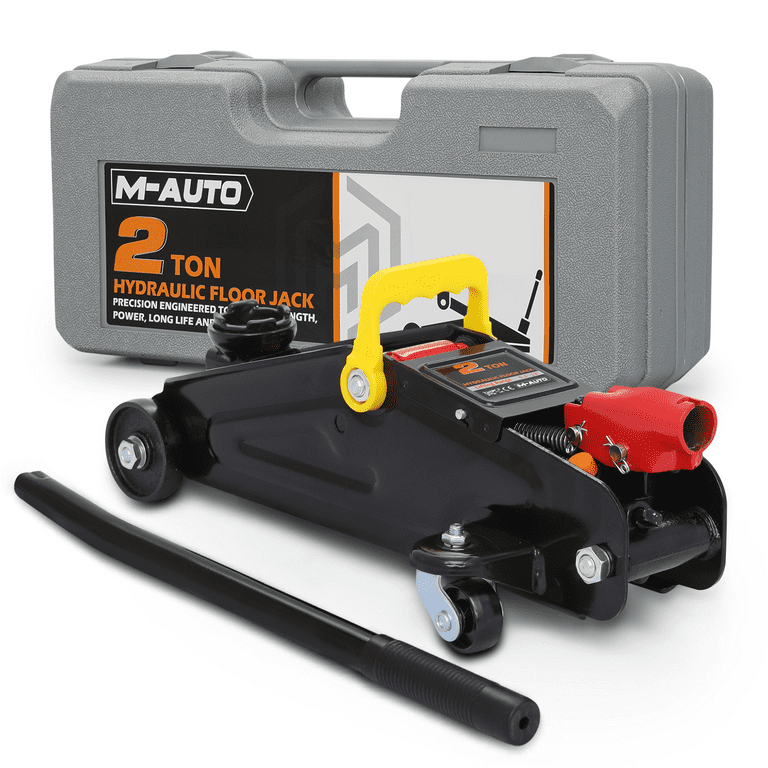
A flat and stable surface is best for storing the jack. Avoid uneven or soft ground that might cause tipping. Hard floors like concrete or wood work well. Stability prevents the jack from falling or getting damaged. It also makes it easier to use when needed.
Credit: www.walmart.com
Cleaning Before Storage
Cleaning your hydraulic floor jack before storage keeps it in good shape. Dirt, oil, and damage can cause problems later. Simple cleaning steps help your jack work well for a long time. Follow these easy tips to prepare your jack for storage.
Removing Dirt And Debris
Start by brushing off loose dirt and debris. Use a soft brush or cloth to clear dust. Pay close attention to the wheels and lifting arm. Dirt can cause parts to stick or wear out. Cleaning these areas prevents rust and damage.
Wiping Down Oil And Grease
Use a clean rag to wipe away oil and grease. Excess oil attracts more dirt and dust. Removing it helps keep the jack clean and safe. Check all moving parts and the base for oil buildup. Wipe gently but thoroughly for best results.
Inspecting For Damage
Look over your jack for any signs of damage. Check for cracks, leaks, or bent parts. Early detection stops small problems from growing. Fix or replace damaged parts before storing your jack. This step ensures your jack is ready to work next time.
Proper Jack Positioning
Proper jack positioning is key to keeping your hydraulic floor jack safe and ready for use. Storing it correctly helps prevent damage and extends its life. Follow simple steps to position your jack properly before storage. This ensures it stays in good condition and works smoothly every time.
Lowering The Jack Fully
Always lower the jack completely before storing it. This releases pressure inside the jack. It prevents parts from staying under stress. Lowering the jack also stops oil from leaking. It keeps the jack stable and saves space in your storage area.
Securing The Handle
Secure the handle in its resting position. This stops it from moving or falling. A loose handle can cause damage or accidents. Use a strap or clip if available. Keeping the handle steady protects both the jack and your storage space.
Using Protective Covers
Cover the jack with a protective cloth or cover. This blocks dust, dirt, and moisture. Dirt can clog moving parts and cause rust. A cover helps keep the jack clean and dry. It adds a layer of protection during storage.

Credit: www.amazon.ca
Routine Maintenance Tips
Proper routine maintenance keeps your hydraulic floor jack working well and safe. Regular checks prevent problems and extend the jack’s life. Simple steps can save you time and money.
Checking Hydraulic Fluid Levels
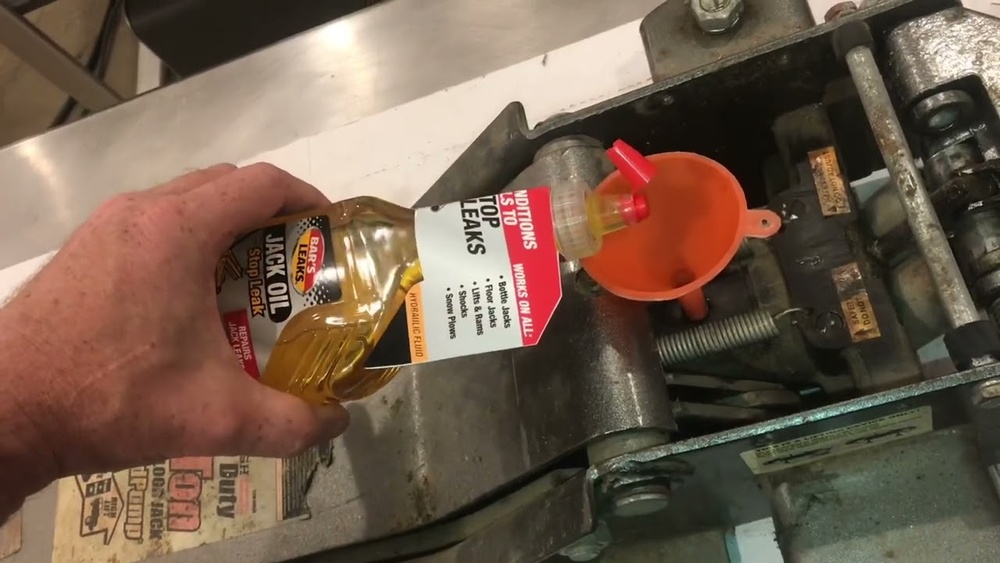
Hydraulic fluid powers the jack’s lifting ability. Check the fluid level often to keep it full. Low fluid can cause the jack to fail or lift poorly. Use the recommended fluid type for your jack. Open the fill plug and look inside. Add fluid slowly if needed, avoiding overfilling.
Lubricating Moving Parts
Moving parts need oil or grease to work smoothly. Lubricate the joints, hinges, and wheels regularly. This reduces friction and stops parts from wearing out fast. Use a light machine oil or grease. Wipe off old dirt before applying new lubricant. Smooth movement means safer operation and longer life.
Testing For Leaks
Leaks cause loss of hydraulic fluid and poor performance. Inspect the jack for wet spots or drips. Check hoses, seals, and fittings closely. If you find leaks, fix or replace damaged parts quickly. A leak-free jack stays reliable and safe to use.
Seasonal Storage Advice
Seasonal storage of a hydraulic floor jack protects it from damage. Proper care extends the jack’s life and keeps it ready for use. Store the jack in a clean, dry place away from extreme weather. Follow these tips to prepare your jack for long-term storage and ensure smooth operation after winter.
Preparing For Long-term Storage
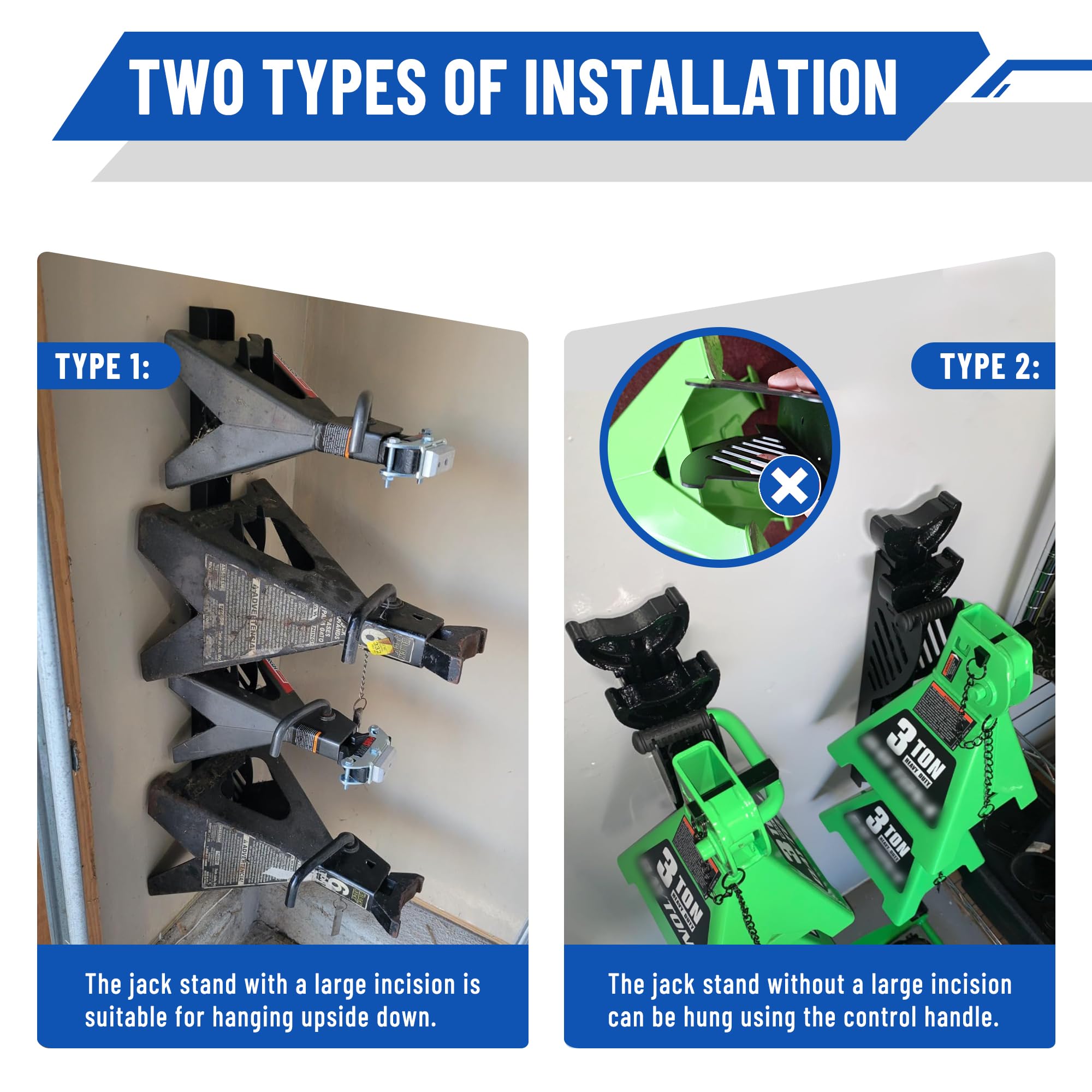
Clean the jack thoroughly before storing. Remove dirt, grease, and oil from all parts. Check for any leaks or damage. Lower the jack fully to release pressure on the hydraulic system. Lubricate moving parts lightly to prevent rust. Store the jack on a flat surface to avoid tipping.
Winter Storage Considerations
Keep the jack in a warm, dry area during winter months. Avoid places with freezing temperatures, which can damage hydraulic fluid. Cover the jack with a breathable cloth to stop dust buildup. Check fluid levels and top off if needed. Avoid leaving the jack raised for long periods.
Spring Reactivation Steps
Inspect the jack for any rust or damage before use. Clean it again to remove dust and debris. Test the hydraulic system by pumping the handle slowly. Check for leaks or unusual noises. Lubricate the joints if needed. Perform a safety check to ensure it lifts smoothly.
Credit: centrerest.com
Common Storage Mistakes To Avoid
Storing a hydraulic floor jack properly can extend its life and keep it working safely. Many users make simple mistakes that harm the jack over time. Avoiding these common errors helps you save money and effort.
Storing In Damp Areas
Storing your hydraulic floor jack in a damp place causes rust and corrosion. Moisture damages metal parts quickly. Keep the jack in a dry, well-ventilated area. Use a plastic cover to protect it from dust and water.
Leaving Jack Partially Raised
Never leave the jack partially raised during storage. This puts pressure on seals and valves. It can cause leaks or damage the hydraulic system. Lower the jack fully to release pressure and protect its parts.
Ignoring Regular Inspections
Skipping inspections leads to unnoticed damage or leaks. Check your jack regularly for cracks, rust, or oil leaks. Early fixes prevent bigger problems. Clean and lubricate parts to keep the jack in good shape.
Frequently Asked Questions
How To Clean A Hydraulic Floor Jack Before Storage?
Clean the jack with a dry cloth to remove dirt and grease. Avoid water or harsh chemicals. Proper cleaning prevents rust and ensures smooth operation.
What Is The Best Storage Position For A Hydraulic Floor Jack?
Store the jack in a lowered position to relieve pressure on seals. Keep it upright on a flat, dry surface to avoid fluid leaks.
How Often Should Hydraulic Floor Jack Fluid Be Checked?
Check hydraulic fluid every 6 months or before long storage. Low fluid levels affect performance and can damage the jack.
Can Temperature Affect Hydraulic Floor Jack Storage?
Yes, extreme temperatures can degrade seals and fluid. Store the jack in a cool, dry place away from direct sunlight or freezing conditions.
Conclusion
Storing a hydraulic floor jack properly keeps it safe and ready to use. Clean the jack after each use to avoid dirt build-up. Keep it in a dry place to stop rust and damage. Always lower the jack fully before storing.
Check the oil level and top it up if needed. These simple steps help your jack last longer and work well. Taking care of your jack saves money and effort. Follow these tips to keep your hydraulic floor jack in good shape.