Lifting the rear tire of your motorcycle with a floor jack might seem tricky at first. But once you know the right steps, it becomes quick and safe.
Whether you need to change a tire, clean your chain, or do some maintenance, using a floor jack correctly saves you time and effort. In this guide, you’ll learn exactly how to lift your motorcycle’s rear tire without risking damage or injury.
Keep reading, and you’ll be ready to handle your bike like a pro!
Choosing The Right Floor Jack
Choosing the right floor jack is important for lifting your motorcycle safely and easily. The correct jack makes the job faster and prevents damage. It also keeps you safe while working under the bike. Knowing the types, weight limits, and safety features helps you pick the best tool.
Types Of Floor Jacks
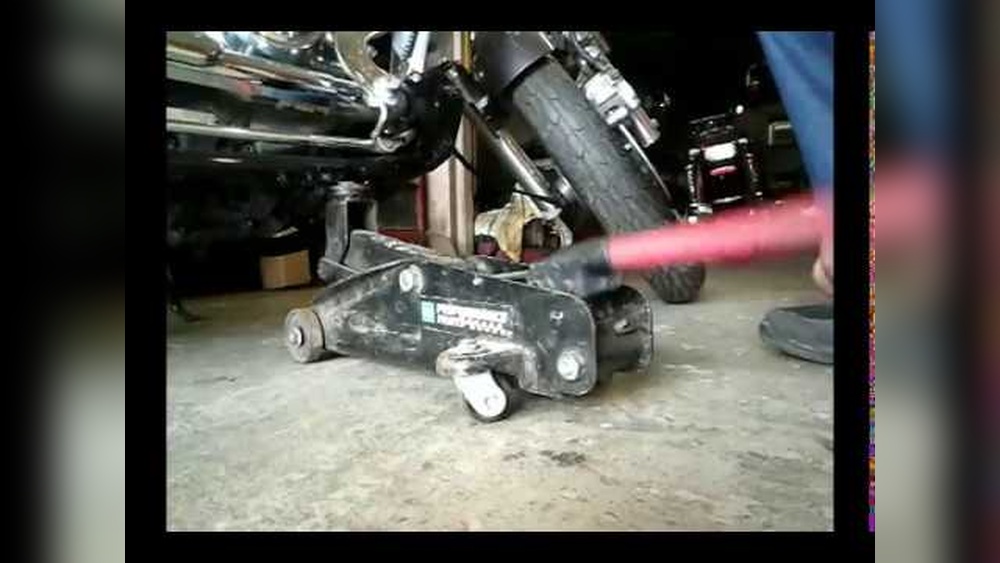
Hydraulic floor jacks are popular for lifting motorcycles. They use fluid pressure to raise heavy loads smoothly. Scissor jacks are smaller and lighter but may not lift as high. Bottle jacks work well for high clearance but can be bulky. Choose the type that fits your bike and workspace.
Weight Capacity Considerations
Check your motorcycle’s weight before buying a jack. The jack must hold more weight than your bike. This ensures stability and prevents accidents. A jack with at least 1,000 pounds capacity suits most motorcycles. Always choose a jack with a higher limit than your bike’s weight.
Safety Features To Look For
Look for safety locks to keep the jack steady while lifting. A wide base improves balance and stops tipping. Non-slip pads protect your motorcycle frame from scratches. Easy-to-use release valves give smooth lowering control. These features protect you and your bike during lifting.

Credit: www.motorcyclepowersportsnews.com
Preparing Your Motorcycle
Preparing your motorcycle before lifting the rear tire with a floor jack is crucial. It ensures safety and makes the process easier. Taking time to prepare helps avoid damage to your bike and reduces risks. Follow these steps carefully to get ready for the lift.
Securing The Motorcycle
Place your motorcycle on a flat, stable surface. Use the kickstand or center stand to keep it steady. If possible, have a friend hold the bike for extra support. Use straps or tie-downs to prevent the bike from tipping. Never lift the motorcycle without securing it first.
Locating The Lift Points
Find the correct spots to place the floor jack under the rear tire. Check your motorcycle’s manual for recommended lift points. These points are strong enough to support the bike’s weight. Avoid placing the jack on weak or painted parts. Proper lift points prevent damage and ensure a safe lift.
Clearing The Work Area
Remove tools, debris, and obstacles around your motorcycle. A clean area gives you space to work safely. It also prevents tripping or knocking over the bike. Make sure the floor jack is nearby and ready. Clear space helps keep the process smooth and secure.
Positioning The Floor Jack
Positioning the floor jack correctly is important for lifting the rear tire safely. A good position keeps the motorcycle steady and stops damage. Take your time to place the jack in the right spot. This step helps you lift the tire smoothly without risk.
Aligning Under The Rear Tire
Place the floor jack directly under the rear tire. Find the strongest part of the frame near the tire. Avoid soft or plastic parts that can break. The jack should line up with the bike’s center. This keeps the weight balanced during lifting.
Adjusting The Jack Height
Set the jack height to match the bike’s lift point. Use the jack’s handle to raise or lower it. The jack pad should touch the frame without pressure first. Slowly pump the handle to lift the bike. Stop when the tire is off the ground.
Ensuring Stability
Check that the motorcycle does not wobble on the jack. The bike must stand firm before you work on it. Use blocks or stands if needed for extra support. Never work under an unstable lifted bike. Safety comes first to avoid accidents.
Lifting The Rear Tire
Lifting the rear tire of your motorcycle with a floor jack requires care and focus. The process is simple but needs the right steps to keep the bike stable. Proper lifting helps with maintenance tasks like chain adjustments or tire changes. This section guides you through the key steps to lift the rear tire safely and effectively.
Operating The Jack Handle
Start by placing the jack handle into the slot on the floor jack. Turn the handle slowly to raise the jack’s lifting pad. Keep turning steadily to avoid sudden movements. The handle controls the height, so move it carefully. Watch the pad as it lifts to ensure it stays under the bike’s frame or swingarm.
Monitoring The Lift
Check the bike’s position often while lifting. The rear tire should begin to leave the ground evenly. Stop lifting if the bike feels unstable or tilts. Use your hands to steady the bike if needed. Keep an eye on the jack’s base to confirm it stays flat on the floor. This prevents slipping or accidents.
Stopping At The Correct Height
Lift the rear tire just enough to clear the ground by a few inches. This height allows wheel removal or chain work. Avoid lifting too high; it can cause imbalance. Ensure the bike rests securely on the jack before doing any work. Lower the jack carefully after completing your task.
Safety Tips While Lifting
Lifting the rear tire of your motorcycle with a floor jack needs care and attention. Safety is the top priority to stop accidents and damage. Follow simple rules to keep yourself and your bike safe during the lift.
Use the right tools and check everything before lifting. Always work on a flat surface and clear space around you. These steps make lifting easier and safer.
Using Jack Stands
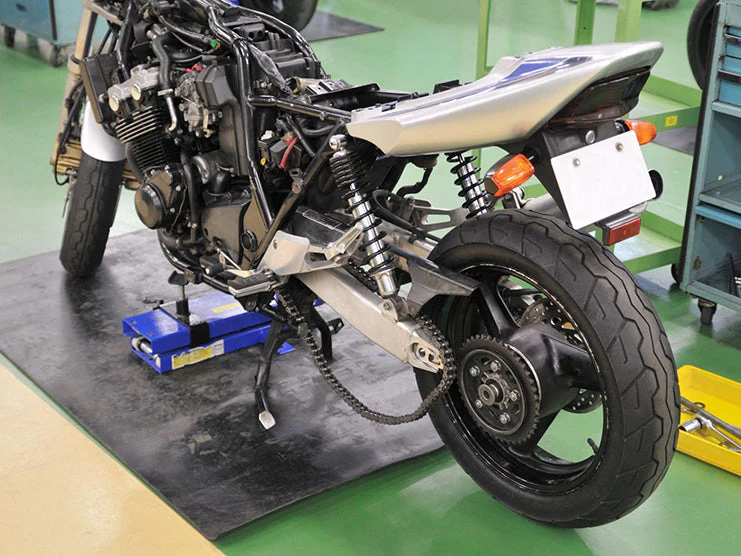
Never rely only on the floor jack to hold the motorcycle. Jack stands add extra support and keep the bike stable. Place the stands under strong parts of the frame. Make sure the stands are steady and locked in place. This prevents the bike from falling if the jack slips or lowers.
Avoiding Common Mistakes
Do not lift the bike too fast or too high. Slow, steady lifting is safer and prevents slipping. Avoid lifting on uneven ground or soft surfaces. Check the jack and stands for damage before use. Never work under the bike without proper support. These errors cause accidents and damage.
Protecting The Motorcycle Frame
Use soft pads or wood blocks between the jack and frame. This stops scratches and dents on the bike. Focus on lifting points suggested by the bike maker. Avoid placing the jack on plastic parts or cables. Protecting the frame keeps your motorcycle strong and looking good.
Credit: www.vikingbags.com
Lowering The Motorcycle
Lowering the motorcycle safely is a key step after lifting the rear tire with a floor jack. Taking care during this process helps avoid damage. It also keeps you safe from accidents. Follow each step carefully to ensure the bike settles down gently and correctly.
Releasing The Jack Slowly
Start by turning the jack handle slowly. This lowers the platform little by little. Avoid quick moves. Sudden drops can harm the bike or cause injury. Watch the motorcycle as it lowers. Stop if it looks unstable. Take your time to keep control.
Checking Tire Contact
Once near the ground, check the tire contact. The rear tire should touch the floor evenly. Make sure the bike sits straight. No tilting or wobbling is good. Adjust the jack slightly if the tire is not stable. Proper contact means the bike is safe to rest.
Removing The Floor Jack
After the tire is stable, remove the jack carefully. Pull it out gently from under the bike. Do not rush this step. Make sure the motorcycle does not move as you remove the jack. Keep your hands clear to avoid injury. The bike should stand firm on its own now.
Maintaining Your Floor Jack
Maintaining your motorcycle floor jack is key to safe and easy use. Proper care keeps it working longer and prevents breakdowns. Simple steps can protect your investment and ensure smooth lifting every time.
Regular Inspection
Check your floor jack before each use. Look for cracks, rust, or leaks. Test the handle and wheels for smooth movement. Catching problems early stops accidents and costly repairs.
Lubrication And Cleaning
Keep moving parts well-oiled to reduce wear. Use light machine oil on joints and hinges. Clean dirt and grease from the jack after use. A clean jack works better and lasts longer.
Proper Storage
Store the jack in a dry, cool place. Avoid damp areas that cause rust. Lower the jack to its resting position before storing. Cover it with a cloth to keep dust away.

Credit: www.motea-shop.com
Frequently Asked Questions
How Do I Position A Floor Jack For Lifting A Rear Motorcycle Tire?
Place the floor jack under the motorcycle’s frame near the rear tire. Ensure it contacts a sturdy, flat area to prevent damage and maintain stability during lifting.
What Safety Precautions Should I Take When Using A Floor Jack?
Always use the floor jack on a flat surface. Engage the motorcycle’s brakes and use jack stands for extra support to avoid accidents or injuries.
Can I Lift The Rear Tire Without Removing The Exhaust?
Yes, but ensure the floor jack does not touch the exhaust. Position the jack carefully to avoid damage to exhaust components while lifting.
How High Should I Lift The Rear Tire With A Floor Jack?
Lift the rear tire just enough to clear the ground for maintenance. Avoid raising it too high to maintain stability and safety.
Conclusion
Lifting your motorcycle’s rear tire with a floor jack is simple and safe. Follow each step carefully to avoid accidents. Always check the jack’s position before lifting. Keep your bike stable during the process. Regular practice helps build confidence and skill.
With patience, you can handle this task alone. This skill saves time and effort on repairs. Stay cautious and work slowly for best results. Your motorcycle will stay secure while you work. A reliable floor jack makes maintenance easier. Try these tips next time you need to lift your bike.