Have you ever found yourself locked out because of a stubborn deadbolt? It’s frustrating, and you might feel stuck with no easy way in.
But what if you could learn a simple, effective method to pop that deadbolt lock yourself? You’ll discover clear, step-by-step techniques to help you regain access quickly—without waiting for a locksmith or causing damage. Keep reading, and you’ll gain the confidence to handle deadbolt locks like a pro whenever you need to.

Credit: www.youtube.com
Tools Needed
To pop a deadbolt lock, you need the right tools. These tools help you work with the lock mechanism. Some tools are easy to find at home. Others are made specifically for lock picking. Choosing the right tool can make the job easier and faster.
Common Household Items
Many household items can help pop a deadbolt lock. A sturdy bobby pin can act as a tension wrench or pick. Paperclips work well too, after bending them into the right shape. A small flathead screwdriver can also help. These items are easy to find and can be used in simple lock picking attempts.
Specialized Lock Picking Tools
Special tools make lock picking more precise and effective. A tension wrench applies pressure inside the lock cylinder. Picks come in various shapes, like hooks or diamonds, to move pins inside the lock. Rake picks can quickly move multiple pins at once. These tools are designed for lock mechanics and offer better control than household items.

Credit: www.wikihow.com
Deadbolt Lock Basics
Deadbolt locks provide strong security for doors. They differ from regular locks by adding an extra layer of protection. Understanding how deadbolts work helps in handling them better.
Deadbolt locks come in different styles. Each type has unique features suited for various doors and security needs. Knowing these types is the first step to understanding deadbolt locks.
Types Of Deadbolts
Single-cylinder deadbolts use a key outside and a thumb turn inside. They are common and easy to use. Double-cylinder deadbolts need a key on both sides. These offer higher security but can be tricky in emergencies. Lockable thumb-turn deadbolts combine both types. They allow locking the thumb turn with a key, adding safety. Each type suits different security needs and door types.
How Deadbolts Work
Deadbolts use a solid metal bolt that slides into the door frame. This bolt is stronger than a spring latch. Turning the key or thumb turn moves the bolt. It locks the door tightly in place. The bolt resists force, making it hard to open without the key. This design provides better protection against break-ins.
Simple Techniques
Simple techniques to pop a deadbolt lock do not need special tools. These methods use common items and basic skills. They can help in emergencies or if you accidentally lock yourself out. Caution is important. Only try these on your own property.
Using A Credit Card
Pick a flexible plastic card, like an old credit card. Insert the card between the door and the frame where the latch is. Push the card firmly while sliding it down and back. The goal is to push the latch away from the strike plate. This may open the door without a key.
This method works best on spring bolt locks, not deadbolts with strong metal bolts. It requires patience and a steady hand. Avoid forcing the card to prevent damage.
Applying The Bump Key Method
A bump key is a specially cut key that fits many locks. Insert the bump key fully into the deadbolt lock. Use a small hammer or similar tool to tap the key gently. This action forces the pins inside the lock to jump.
Turn the key quickly after tapping. This might open the lock. The bump key method needs practice and care. It does not work on all deadbolts, especially high-security ones.
Advanced Methods
Advanced methods for popping a deadbolt lock require more skill and the right tools. These methods are useful when basic techniques do not work. They involve delicate movements and careful handling.
Using these techniques can be tricky but effective. Practice and patience increase success. Always stay calm and steady while working on the lock.
Lock Picking With Picks And Tension Wrenches
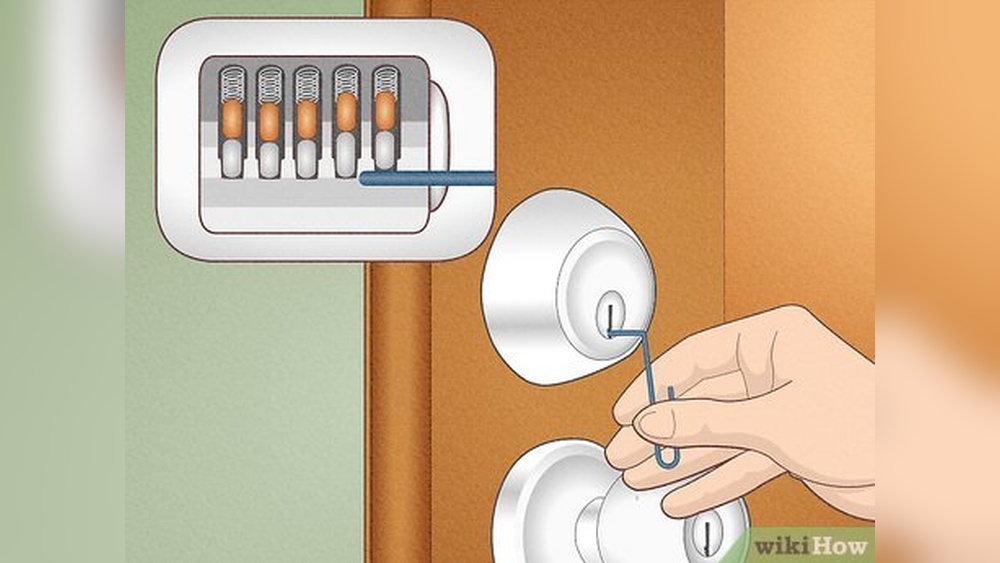
Lock picking uses a tension wrench and picks to move the lock pins. The tension wrench applies slight pressure inside the keyhole. Picks lift the pins one by one to the correct height.
Start by inserting the tension wrench at the bottom of the keyhole. Apply gentle, constant pressure. Next, insert the pick and feel for pins. Lift each pin carefully until it clicks into place.
Repeat this for all pins. The lock opens when all pins are set correctly. This method needs practice to feel the pins right. Use smooth, controlled movements to avoid breaking tools.
Using A Screwdriver Or Shim
A small flathead screwdriver or shim can sometimes open a deadbolt. Insert the tool between the door frame and bolt edge. Wiggle or slide the tool to push the bolt back.
This method works best if the bolt is loose or the door is old. It requires patience and gentle force. For shims, thin metal strips are ideal. Slide the shim to lift the bolt latch.
Be careful not to damage the door or lock. This method is less precise but can work in some cases. It helps to try different angles and pressure levels.
Safety Tips
Safety is the top priority when dealing with deadbolt locks. Popping a deadbolt requires care and respect for the property involved. Knowing the right safety tips helps avoid trouble and damage. This section covers important points to keep in mind.
Legal Considerations
Only attempt to pop a deadbolt if you own the property or have permission. Doing it without consent is illegal and can lead to serious penalties. Always check local laws before trying any lock techniques. Respect others’ property rights to avoid legal trouble.
Avoiding Damage To Locks
Use the correct tools designed for lock handling. Avoid using excessive force, which can break the lock or door. Gentle and precise movements increase the chance of success without harm. Damaging the lock means costly repairs or replacement.

Credit: www.youtube.com
When To Call A Professional
Knowing when to call a professional locksmith is important for safety and efficiency. Trying to pop a deadbolt lock without skills can cause damage. Some situations need expert help to avoid costly repairs.
Signs You Need Expert Help
The lock is old or rusty and won’t budge. Tools you use keep slipping or breaking. The key broke inside the lock. The door or frame looks damaged. You feel unsure about your ability to open it.
These signs mean a locksmith’s tools and knowledge are needed. Professionals can open the lock without harm. They also fix or replace locks safely.
Finding A Reliable Locksmith
Search for locksmiths with good reviews and local presence. Check their license and insurance to ensure trustworthiness. Ask about their experience with deadbolt locks. Request a clear price before work begins. A reliable locksmith arrives quickly and works cleanly.
Frequently Asked Questions
How Can I Safely Pop A Deadbolt Lock?
To safely pop a deadbolt lock, use a bump key or a lock pick set. These tools manipulate the pins inside without damage. Always practice on a spare lock first. Avoid forcing the lock to prevent breakage or injury.
What Tools Are Needed To Pop A Deadbolt Lock?
Essential tools include a bump key, lock picks, tension wrench, and sometimes a screwdriver. These help manipulate the lock’s pins and cylinder. Quality tools make popping easier and reduce damage risk. Always choose tools suited for your lock type.
Is Popping A Deadbolt Lock Legal?
Popping a deadbolt lock is legal only if you own the property or have permission. Unauthorized lock manipulation is illegal and considered breaking and entering. Always confirm ownership or get consent before attempting to pop a lock.
Can I Pop A Deadbolt Lock Without Damaging It?
Yes, using proper techniques and tools like bump keys or lock picks can avoid damage. Gentle manipulation is key to preserving the lock’s function. Avoid brute force methods that can break internal components or the door frame.
Conclusion
Popping a deadbolt lock takes patience and the right tools. Always practice on old locks before trying on real ones. Remember to respect others’ property and laws. With careful steps, you can understand how these locks work. Keep safety and legality in mind at all times.
This skill can help in emergencies or lost key situations. Stay calm, take your time, and learn steadily. Small efforts lead to better results over time.