Have you ever found yourself locked out with no key in sight? It’s a frustrating and stressful situation that can happen to anyone.
But don’t panic just yet. There are ways you can get into a deadbolt lock without a key, and you don’t need to be a locksmith to try them. You’ll discover simple, effective methods to regain access quickly and safely.
Keep reading—you might just find the solution you need right here.

Credit: www.art-of-lockpicking.com
Tools Needed
Getting into a deadbolt lock without a key needs the right tools. These tools help you work with the lock’s mechanism. Having the right items makes the task easier and less damaging.
Some tools are easy to find around the house. Others are made specifically for lock picking. Knowing what to use helps you prepare better.
Common Household Items
Many people use simple tools found at home. A flathead screwdriver can help turn the lock if the key is stuck inside. A paperclip, bent into a hook, can sometimes lift the lock pins. A butter knife can work like a pick for some locks. These items are easy to grab and can be used quickly in an emergency.
These tools are not always perfect. They might not work on all deadbolt types. Still, they are a good start without spending money.
Specialized Lock Picking Tools
Specialized tools make lock picking more precise. Tension wrenches help apply the right pressure inside the lock. Pick sets include different shapes to lift pins more effectively. A rake pick can quickly move several pins at once. These tools are designed for locks and give better control.
Lock picking sets cost money but increase success chances. They are useful for frequent use or if you want to learn more. Practice is important to use these tools well.
Assess The Lock Type
Assessing the type of deadbolt lock is the first step to gaining entry without a key. Different deadbolts have different mechanisms and security levels. Knowing the type helps you decide the best approach to open it.
Deadbolts mainly come in two types: single cylinder and double cylinder. Each type has unique features and challenges. Understanding these can save time and effort.
Single Cylinder Deadbolts
Single cylinder deadbolts use a key on the outside. Inside, they have a thumb turn for locking and unlocking. This type is common on most residential doors. It is easier to pick or manipulate from the outside. The thumb turn inside allows quick exit without a key. Tools like lock picks or bump keys may work here.
Double Cylinder Deadbolts
Double cylinder deadbolts need a key on both sides. No thumb turn is present inside. This design adds extra security against break-ins. It prevents unlocking the door from inside without a key. Opening this type without a key is harder. It may require drilling or specialized tools. Always assess carefully before attempting to open it.
Quick Entry Methods
Quick entry methods help you open a deadbolt lock fast without a key. These techniques work for simple locks and save time in emergencies. They need some skill but use common tools you may have at home. Practice safety and respect others’ property when trying these methods.
Using A Credit Card
Take a flexible card like a credit card or loyalty card. Slide it between the door and the frame near the lock. Push and wiggle the card while applying pressure on the latch. The card bends and may push the latch back. This method works best on spring latch locks, not heavy deadbolts.
Lock Bumping Technique
Lock bumping uses a special key called a bump key. Insert the bump key into the lock. Tap it lightly with a small tool like a screwdriver handle. This action moves the pins inside the lock to open it. It requires some practice to get the timing right. Bumping works on pin tumbler locks mostly.
Picking With A Hairpin
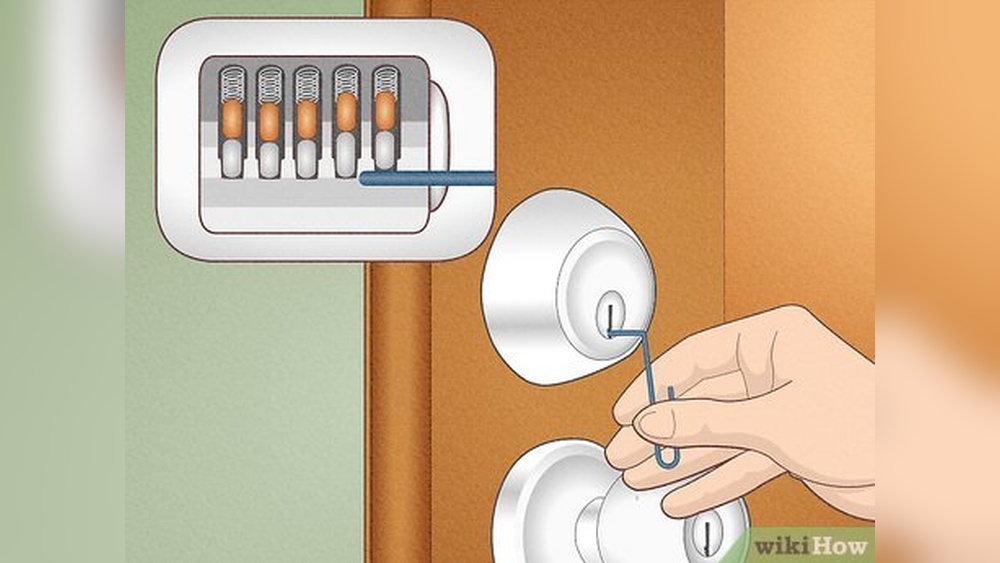
Straighten a metal hairpin to make a pick tool. Use another hairpin or small screwdriver as a tension wrench. Insert the wrench in the bottom of the keyhole and apply light pressure. Use the pick to lift the pins inside the lock one by one. Turn the wrench gently once pins set. This method takes patience but is effective on many locks.
Bypass Strategies
Bypass strategies help open a deadbolt lock without using a key. These methods focus on accessing the lock parts directly. They require basic tools and careful handling. Understanding these steps can save time and avoid damage.
Removing The Doorknob
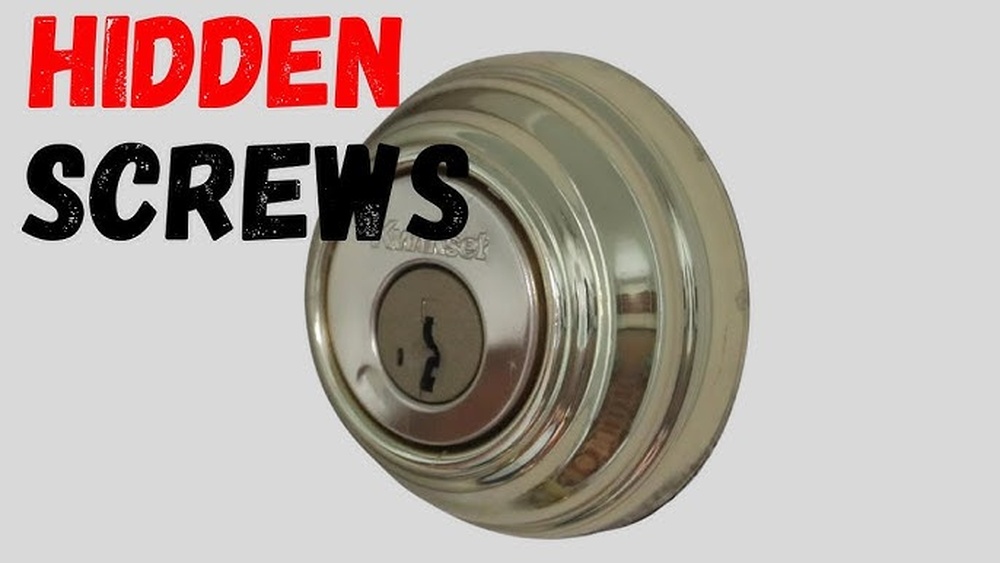
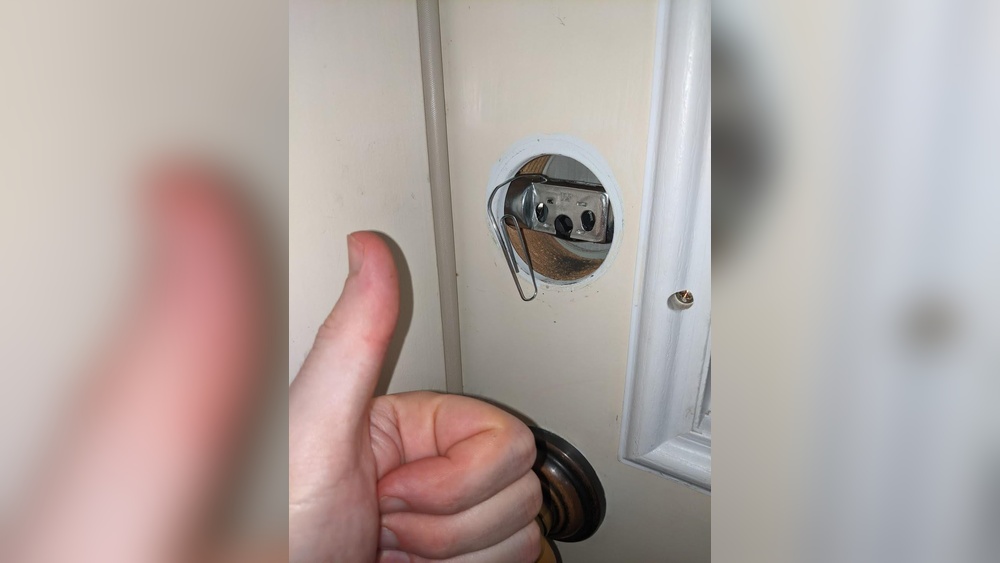
Start by locating the screws on the doorknob. Use a screwdriver to remove them carefully. Once loose, pull the doorknob off the door. This exposes the lock mechanism inside the door. Removing the doorknob gives better access to the deadbolt parts.
Accessing The Lock Mechanism
After removing the doorknob, look for the lock cylinder. Use a flat tool to pry around the lock faceplate. Sometimes, gentle tapping helps loosen stuck parts. Once exposed, you can manipulate the lock pins or turn the cylinder. This step requires patience and steady hands.
When To Call A Locksmith
Knowing when to call a locksmith can save time and prevent damage. Some lock problems need expert skills and tools. Trying to fix complex issues alone may cause more harm. Calling a professional ensures the job is done safely and quickly.
Situations Requiring Professional Help
Call a locksmith if the key is broken inside the lock. If the lock is jammed or frozen, a locksmith can fix it. Lost keys with no spare? A locksmith can make new keys. If the lock shows signs of forced entry, get expert help. A locksmith can replace or repair damaged locks efficiently.
Avoiding Damage To The Door
Trying to open a deadbolt without skills can harm the door. Tools used incorrectly can scratch or break the door frame. A locksmith uses proper tools to protect your door. Professional help keeps the lock and door intact. This saves money on repairs or replacements later.

Credit: www.thededicatedhouse.com
Preventive Tips
Getting locked out of your home can be stressful. Taking steps to prevent this problem saves time and worry. Simple actions help avoid the need to get into a deadbolt lock without a key.
Preventive tips focus on preparation and security. These tips protect your home and keep you ready for unexpected situations.
Spare Keys And Key Management
Keep spare keys in safe places outside your home. Give a spare key to a trusted neighbor or family member. Avoid hiding keys in obvious spots like under mats or flower pots.
Label your keys clearly and organize them. Use a key holder at home to keep track. This reduces the chance of losing your keys and being locked out.
Upgrading Your Lock System
Consider upgrading to smart locks or keyless entry systems. These locks allow access through codes or apps. They reduce the need for physical keys and improve security.
Choose locks with high security ratings. Strong locks make it harder for intruders to break in. Regularly check and maintain your locks to keep them working well.

Credit: www.youtube.com
Frequently Asked Questions
How Can I Open A Deadbolt Without A Key?
You can open a deadbolt without a key using lock picking tools, bump keys, or by removing the lock cylinder. These methods require practice and caution to avoid damage or legal issues.
Is It Legal To Pick A Deadbolt Lock?
Picking a deadbolt lock is legal only if you own the property or have permission. Unauthorized lock picking is illegal and can lead to criminal charges.
What Tools Are Needed To Unlock A Deadbolt?
Common tools include tension wrenches, lock picks, bump keys, and sometimes a screwdriver. Each tool serves a specific purpose in manipulating the lock mechanism.
Can A Locksmith Open A Deadbolt Without A Key?
Yes, professional locksmiths have specialized tools and skills to open deadbolts quickly without damage. Hiring a locksmith is often the safest and most efficient option.
Conclusion
Getting into a deadbolt lock without a key takes patience and care. Use the right tools and gentle pressure to avoid damage. Practice helps improve your skill over time. Always respect others’ property and follow the law. Knowing these methods can save time in emergencies.
Stay calm and focused during the process. Remember, safety comes first in every situation. Keep these tips handy for future reference.