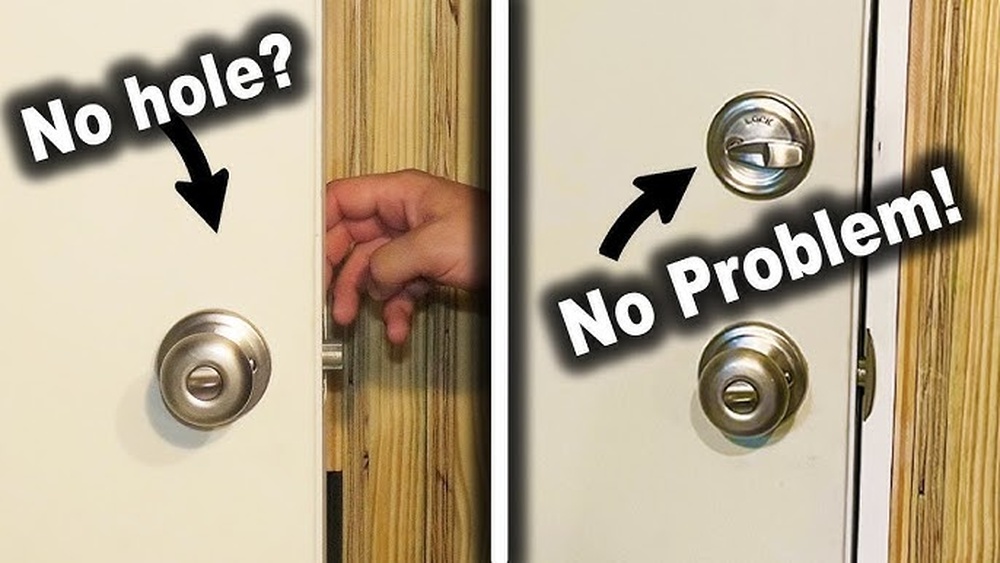
Is your deadbolt not locking properly or feeling loose? The problem might be with your strike plate.
Fixing a deadbolt strike plate may seem tricky, but with the right steps, you can secure your door quickly and easily. In this guide, you’ll learn simple ways to adjust or replace your strike plate to keep your home safe.
Keep reading, and you’ll have your deadbolt working like new in no time.
Credit: www.reddit.com
Tools And Materials Needed
Identifying strike plate issues is the first step to fix a deadbolt that does not work properly. The strike plate holds the bolt in place when the door locks. Problems here can cause the deadbolt to stick or not lock at all. Checking the strike plate carefully helps find the exact problem.
Check For Misalignment
Look at the strike plate and the deadbolt hole. They must line up perfectly. If the strike plate is too high, low, or sideways, the bolt will not fit well. Test by closing the door slowly and watching if the bolt goes smoothly into the hole. Misalignment is a common cause of deadbolt issues.
Inspect For Damage
Examine the strike plate for dents, cracks, or bends. Damage can stop the bolt from sliding in. Also check the door frame area around the strike plate. Wood may be chipped or worn out. These damages can make the strike plate loose or unstable, causing the deadbolt to fail.
Assess Screw Condition
Check the screws that hold the strike plate in place. Screws should be tight and not rusted. Loose or missing screws let the strike plate move. This movement can block the bolt from locking. Replace old screws with longer, stronger ones if needed to secure the plate firmly.
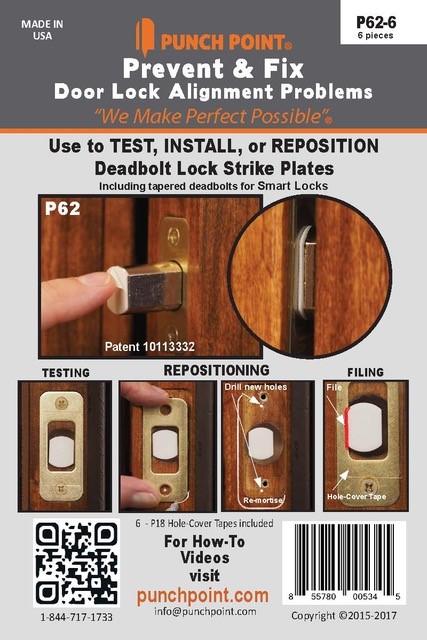
Credit: punchpoint.com
Identify Strike Plate Issues
Removing the old strike plate is the first step to fix a deadbolt strike plate. It helps prepare the door frame for a new, properly aligned plate. This process is simple and quick with the right tools.
Start by making sure the area around the strike plate is clean. Dirt and debris can make removal harder. Clear the surface to see screws and the plate clearly.
Gather Necessary Tools
Use a screwdriver that fits the screws. A flathead or Phillips screwdriver usually works. Have a flashlight ready to see inside the door frame better.
Unscrew The Strike Plate
Turn the screws counterclockwise to remove them. Keep the screws safe if you plan to reuse them. If screws are stuck, apply a little oil to loosen them.
Carefully Remove The Plate
Once screws are out, gently pull the strike plate away from the door frame. Avoid forcing it to prevent damage. If it sticks, use a flat tool to pry it loose carefully.
Inspect The Door Frame
Check the door frame for any damage or worn spots. Fix minor issues before installing the new strike plate. This ensures a secure fit and smooth locking action.
Remove The Old Strike Plate
Preparing the door frame is the first step to fix a deadbolt strike plate properly. A solid and clean frame ensures the strike plate fits well. It also helps the deadbolt work smoothly and keeps your door secure. Take your time to prepare the frame carefully before installing the strike plate.
Fill Old Screw Holes
Old screw holes can make the strike plate loose. Use wood filler or putty to fill these holes. Press the filler into each hole and smooth the surface. Let it dry completely. This gives the new screws a firm grip and stops the plate from moving.
Sand And Clean Surface
After filling the holes, sand the area gently. Use fine sandpaper to make the surface flat and smooth. Remove dust and dirt with a clean cloth. A smooth and clean surface helps the strike plate sit flush against the frame. This step is key for a strong, neat repair.
Prepare The Door Frame
Installing the new strike plate is a key step in fixing a deadbolt. It helps the lock catch securely and keeps your door safe. Proper installation ensures smooth locking and prevents damage.
Follow these steps carefully to place the strike plate correctly and secure it tightly.
Align Plate Correctly
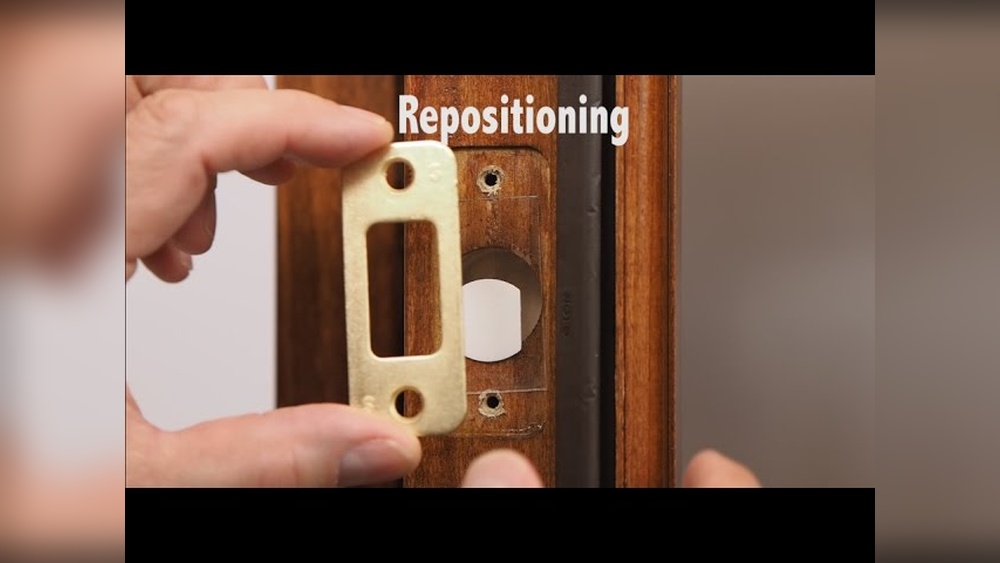
Place the new strike plate over the old spot. Make sure the holes match the door frame marks. Check that the plate sits flat against the wood. The deadbolt should fit inside the plate’s hole without extra space. Adjust the plate slightly if needed. Proper alignment helps the lock work smoothly every time.
Secure With Screws
Use the screws that come with the strike plate. Insert them into the holes and tighten with a screwdriver. Make sure the plate does not move or wiggle. Tight screws keep the strike plate strong and stable. Avoid overtightening to prevent wood damage. Secure screws improve your door’s security and lock function.
Install The New Strike Plate
Reinforcing your deadbolt strike plate boosts door security. It stops forced entry by making the plate stronger. Small changes here protect your home better. Use simple tools and parts for effective upgrades.
Use Longer Screws
Replace short screws with longer ones, at least 3 inches. Longer screws reach the wall frame, not just the door jamb. This holds the strike plate firmly in place. Stronger attachment prevents the door from being pushed in. Use screws made of steel for durability. Tighten screws well but avoid stripping the holes.
Add A Strike Plate Reinforcer
A strike plate reinforcer fits behind the existing plate. It spreads the force over a larger area of the door frame. This reduces damage risk during a break-in attempt. Reinforcers often come with longer screws included. Installation takes just a few minutes with a screwdriver. Choose a metal reinforcer for the best strength.
Reinforce For Extra Security
Testing the deadbolt operation is a key step after fixing the strike plate. This check ensures the lock works smoothly and secures your door properly. A well-functioning deadbolt gives you peace of mind.
Take your time to test the lock carefully. Watch how the bolt moves and feels. This helps spot any remaining issues early. Proper testing avoids future lock problems and keeps your home safe.
Check The Bolt Movement
Turn the key or thumb turn slowly. The bolt should slide out smoothly. It must not stick or jam in the strike plate. A smooth bolt means the strike plate is aligned well.
Test Locking And Unlocking
Lock and unlock the door several times. Each time, listen for unusual sounds. The bolt should fully extend and retract without force. If it resists, adjust the strike plate again.
Ensure Door Closes Fully
Close the door gently and try the deadbolt. The bolt should fit into the strike plate hole easily. The door must close all the way without pushing hard. This confirms the strike plate fits perfectly.
Look For Gaps Or Misalignment
Inspect the gap between the door and frame. The strike plate and bolt hole should line up exactly. Small gaps cause the bolt to miss the plate. Adjust screws or reposition the strike plate if needed.
Test The Deadbolt Operation
Troubleshooting common problems with a deadbolt strike plate helps keep your door secure. Many issues are simple to fix. Understanding these problems saves time and frustration.
Check your strike plate if the deadbolt does not work smoothly. Small adjustments can improve its function and extend its life. Here are some common problems you might face and how to solve them.
Deadbolt Not Latching
The deadbolt might not latch if it misses the strike plate hole. This often happens when the door or frame shifts. Test the door by slowly closing it. Watch if the bolt aligns with the hole.
Adjust the strike plate by loosening screws and moving it slightly. Tighten the screws once it fits well. Sometimes, you need to file the strike plate hole for better clearance.
Loose Strike Plate
A loose strike plate makes the deadbolt less secure. It can wiggle or pull out of the door frame. Check the screws holding the strike plate. Tighten them with a screwdriver.
If screws do not hold, replace them with longer ones. Use wood filler or toothpicks in the screw holes before reinserting screws for a stronger grip. This keeps the strike plate firmly in place.
Door Frame Damage
Damage to the door frame around the strike plate weakens security. Cracks or splits can stop the deadbolt from working properly. Inspect the frame carefully.
Repair small cracks with wood filler. For bigger damage, replace the damaged wood section. Sand it smooth before reinstalling the strike plate. A solid frame ensures the deadbolt works as it should.

Credit: www.thisoldhouse.com
Frequently Asked Questions
How Do I Align A Deadbolt Strike Plate?
To align a deadbolt strike plate, loosen the screws, adjust the plate until the bolt fits smoothly, then tighten screws securely.
What Tools Are Needed To Fix A Deadbolt Strike Plate?
You need a screwdriver, wood chisel, drill, pencil, and replacement screws or strike plate to fix a deadbolt strike plate.
Why Is My Deadbolt Strike Plate Loose?
A loose strike plate is often due to worn screws or damaged wood. Tighten screws or use longer ones to secure it.
How Can I Reinforce A Weak Deadbolt Strike Plate?
Reinforce by replacing screws with longer ones or installing a metal reinforcement plate for better security and durability.
Conclusion
Fixing a deadbolt strike plate keeps your door secure and working well. Check the alignment carefully before you start. Tighten or replace screws as needed for a firm hold. Use a chisel to adjust the door frame if the plate does not fit.
Regularly inspect the strike plate to avoid future problems. A little effort saves you time and money later. Stay safe with a properly installed deadbolt strike plate. Simple steps make a big difference in home security.