
Is your hydraulic floor jack not lifting like it used to? You rely on it to safely lift heavy loads, so when it stops working, it can be frustrating—and even dangerous.
But before you think about buying a new one, there’s a good chance you can fix it yourself. In this guide, you’ll learn simple, step-by-step ways to repair your hydraulic floor jack and get it working smoothly again. Stick with me, and by the end, you’ll save money and gain the confidence to handle future problems with ease.
Let’s dive in and bring your jack back to life!
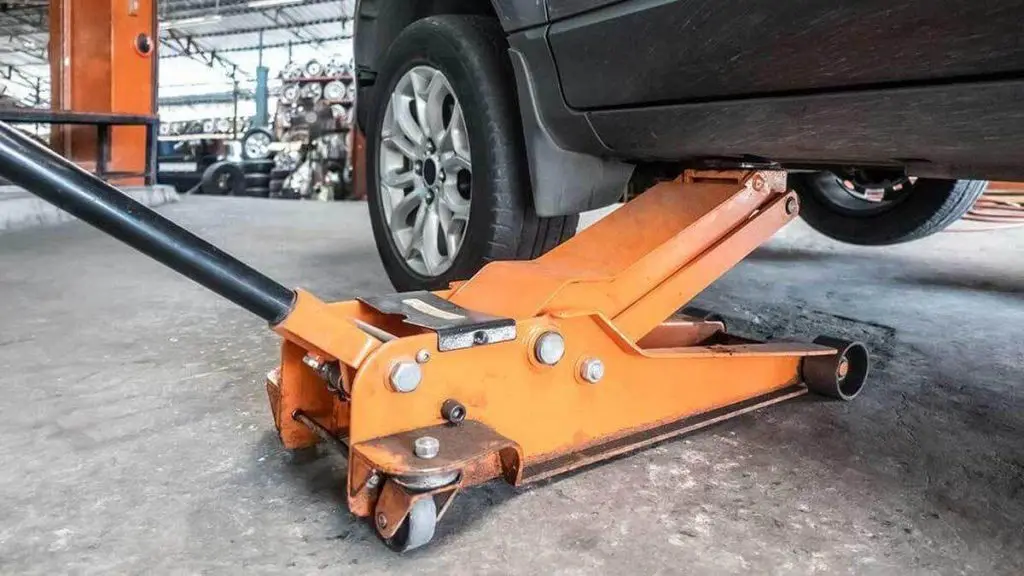
Credit: www.vevor.com
Common Hydraulic Jack Issues
Hydraulic floor jacks are reliable tools, but they can develop issues over time. Knowing common problems helps you fix the jack quickly. This saves time and keeps your work safe. Most problems relate to leaks, slow lifting, pressure loss, or handle troubles. Let’s explore these common hydraulic jack issues and how to spot them.
Leaks And Fluid Loss
Leaks are the most common issue in hydraulic jacks. Oil or hydraulic fluid escapes from seals or hoses. This reduces pressure inside the jack. Look for puddles or wet spots under the jack. Low fluid levels cause poor lifting performance. Check seals and replace any that look worn or cracked. Use the correct hydraulic fluid to refill the jack.
Slow Lifting Or No Lift
Slow lifting happens when air gets trapped inside the hydraulic system. It causes the jack to lift slowly or not at all. To fix this, release the air by opening the release valve and pumping the handle several times. Also, check the fluid level. Low fluid leads to weak lifting power. Clean or replace dirty fluid to improve performance.
Jack Won’t Hold Pressure
If the jack lowers after lifting, it cannot hold pressure. This happens when seals inside the jack leak air or fluid. Pressure escapes through cracks or worn parts. Inspect the seals and replace any damaged ones. Tighten all connections and test the jack before use. Proper maintenance keeps the jack stable and safe.
Handle Or Pump Problems
The handle or pump may feel stiff or fail to operate smoothly. This issue stops the jack from lifting properly. Dirt, rust, or lack of lubrication cause these problems. Clean the handle and pump parts carefully. Apply light oil to moving parts. Check for bent or broken components and replace as needed.
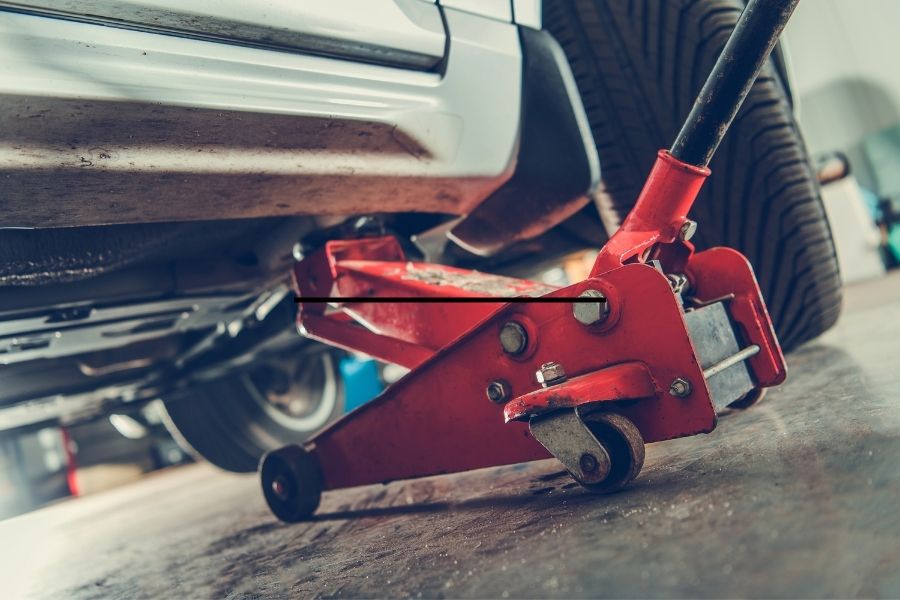
Credit: www.sviinternational.com
Tools And Materials Needed
Repairing a hydraulic floor jack needs the right tools and materials. Having everything ready makes the process smooth and safe. This section lists what you need to fix your jack effectively.
Essential Repair Tools
Gather basic hand tools like wrenches and screwdrivers. A socket set helps remove bolts easily. Pliers come in handy for gripping parts. You also need a clean cloth to wipe away dirt. A small brush can clean tight spaces well. Use a flashlight to see inside the jack. A hydraulic jack repair kit can be useful too.
Hydraulic Fluid Types
Hydraulic jacks use specific oil for smooth lifting. Choose the right hydraulic fluid based on your jack’s manual. Most use mineral oil or hydraulic jack oil. Avoid using engine oil or brake fluid. Check fluid level and top up as needed. Proper fluid keeps the jack working well and safe.
Replacement Parts
Some parts wear out and need replacing. Common parts include seals, O-rings, and valves. Look for parts made for your jack’s brand and model. Buying quality parts ensures long-lasting repair. Keep spare parts ready for quick fixes. Using correct parts keeps your jack strong and reliable.
Safety Precautions
Repairing a hydraulic floor jack can be risky without proper safety steps. Taking safety seriously helps avoid accidents and injuries. Follow clear rules to keep yourself safe during repairs. Always prepare your workspace and tools. Safety is the first step to successful jack repair.
Proper Jack Placement
Place the jack on a flat and solid surface. Avoid soft or uneven ground. This stops the jack from tipping over. Lock the wheels or use blocks to keep it steady. Check that the jack is fully lowered before starting work. Proper placement prevents sudden movements and accidents.
Personal Protective Equipment
Wear safety glasses to protect your eyes from debris. Use gloves to keep your hands safe from sharp parts. Wear closed-toe shoes to protect your feet. Avoid loose clothing that can catch on parts. Personal gear reduces the risk of injury during repairs.
Avoiding Injury During Repairs
Never work under the jack without extra support stands. Release pressure slowly to avoid sudden drops. Keep your hands clear of moving parts. Use the correct tools for each task. Take breaks if you feel tired to stay alert. Careful actions reduce the chance of harm while fixing the jack.
Step-by-step Repair Process
Repairing a hydraulic floor jack can save money and extend its life. Follow these clear steps to fix common problems and keep your jack working well. Each step guides you through the repair with simple actions.
Inspecting The Jack
Start by checking the jack for visible damage. Look for cracks, rust, or bent parts. Check the hydraulic fluid level and condition. Notice any leaks or worn seals. Make sure the jack moves smoothly without strange sounds.
Fixing Fluid Leaks
Find the source of the leak by cleaning the jack. Watch for fluid dripping from joints or seals. Tighten loose bolts or fittings carefully. Replace damaged seals or gaskets to stop leaks. Use the correct hydraulic fluid for refilling.
Bleeding Air From The System
Air in the hydraulic system causes poor lifting performance. Open the release valve to let out trapped air. Pump the handle several times slowly. Close the valve and test the jack’s pressure. Repeat until the jack lifts smoothly.
Replacing Seals And O-rings
Old seals and O-rings wear out and cause leaks. Remove the hydraulic cylinder carefully. Take out the old seals and O-rings using proper tools. Clean the parts before installing new seals. Lubricate the new seals lightly for easy fitting.
Repairing Or Replacing The Pump
The pump moves fluid to lift the jack. Check the pump for damage or wear. Clean the pump parts and replace broken components. If the pump is too damaged, replace it completely. Ensure all parts fit tightly to avoid leaks.
Testing The Jack After Repair
After repairs, test the jack on a flat surface. Pump the handle to raise the jack slowly. Check for leaks and smooth movement. Lower the jack carefully and check the release valve. Confirm the jack works safely before regular use.
Maintenance Tips To Prevent Future Issues
Maintaining your hydraulic floor jack is key to keeping it working well. Simple steps help avoid problems and extend its life. Regular care saves time and money on repairs later.
Regular Fluid Checks
Check the hydraulic fluid often. Low fluid causes the jack to work poorly or fail. Use the correct fluid type for your jack. Top up the fluid if it looks low. Avoid overfilling to prevent leaks and damage.
Cleaning And Lubrication
Keep the jack clean and free of dirt. Wipe it down after each use. Dirt can clog parts and cause wear. Apply lubricant to moving parts to reduce friction. Use oil or grease as recommended by the manufacturer.
Storage Recommendations
Store the jack in a dry place to stop rust. Avoid leaving it outside or in damp areas. Keep it on a flat surface to prevent fluid leaks. Lower the jack fully before storing to reduce pressure on parts.
When To Seek Professional Help
Knowing when to get professional help for your hydraulic floor jack saves time and ensures safety. Some problems need expert tools and skills. Trying to fix serious damage alone can cause more harm or risk injury. Watch for clear signs that show your jack needs expert care.
Signs Of Major Damage
Leaks that won’t stop are a big warning. The jack may lose pressure or fail to lift properly. Strange noises like grinding or banging suggest internal parts might be broken. If the jack does not hold weight or lowers unexpectedly, it could be unsafe to use. Bent or cracked parts also need expert attention. These signs mean repair is beyond simple fixes.
Cost Vs. Replacement Considerations
Fixing a badly damaged jack can cost a lot. Sometimes, the repair price is close to buying a new one. Consider how old the jack is and how often you use it. Newer jacks with minor issues may be worth fixing. Older jacks with major damage might be safer to replace. Professionals can help you decide the best option for your situation.
Credit: www.youtube.com
Frequently Asked Questions
How Do I Fix A Hydraulic Floor Jack That Won’t Lift?
Check the hydraulic fluid level and refill if low. Inspect for leaks or air trapped in the system. Bleed the jack by opening the release valve and pumping the handle multiple times to remove air bubbles.
Why Is My Hydraulic Floor Jack Slowly Lowering?
A slow descent usually indicates a worn or damaged seal. Inspect seals for cracks or leaks. Replacing faulty seals often resolves the issue and restores proper lifting and holding performance.
How Often Should I Maintain My Hydraulic Floor Jack?
Regular maintenance every 6 months is ideal. Check fluid levels, clean moving parts, and inspect seals. Proper upkeep extends jack life and ensures safe, efficient operation.
Can I Use Any Hydraulic Fluid For My Floor Jack?
Use only manufacturer-recommended hydraulic fluid or high-quality jack oil. Avoid engine oil or brake fluid, as they can damage seals and impair jack function.
Conclusion
Repairing your hydraulic floor jack saves money and extends its life. Regular checks prevent small issues from becoming big problems. Keep the jack clean and check fluid levels often. Tighten bolts and replace worn parts when needed. Simple steps make your jack safe and reliable.
Follow these tips to keep your jack working well. A well-maintained jack helps you lift with confidence every time. Don’t ignore signs of trouble. Act quickly to fix problems and stay safe. Your jack will thank you with smooth, steady performance.


