Have you ever stuck a wall hook up, only to worry about the mess it might leave behind when you take it down? Removing stick-on wall hooks can be tricky.
You want to keep your walls looking perfect, without peeling paint or ugly marks. The good news is, you don’t have to damage your paint to get those hooks off. You’ll discover simple, effective ways to remove stick-on wall hooks safely.
Keep reading, and you’ll learn the exact steps to protect your walls and say goodbye to stubborn hooks—without stress or damage.

Credit: www.reddit.com
Types Of Stick On Wall Hooks
Stick on wall hooks come in different types. Each type works best for certain uses and surfaces. Knowing the kinds helps you pick the right hook. It also makes removing them safer for your walls.
Adhesive Hooks
Adhesive hooks have sticky backs that attach directly to walls. They hold light to medium items like keys or small frames. The glue can be strong but may damage paint if pulled hard. Removing them slowly and carefully is important.
Command Strips
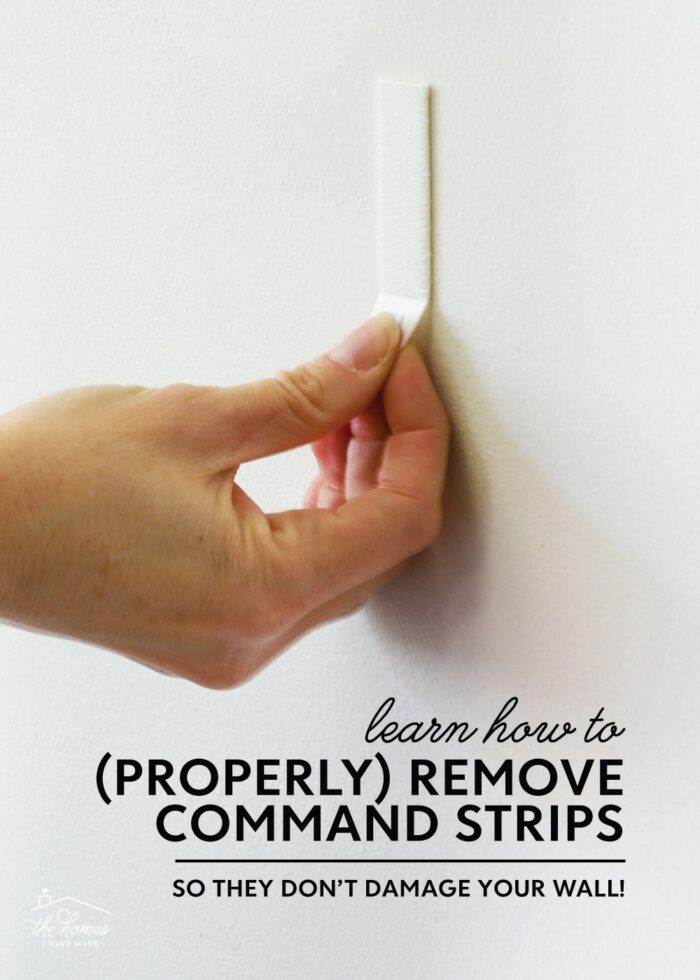
Command strips are popular for damage-free hanging. They use a special adhesive that stretches to release. This feature helps remove hooks without peeling paint. They come in different sizes for various weights. Perfect for renters or temporary displays.
Reusable Hooks
Reusable hooks use suction or removable adhesive. You can take them off and stick them again without losing grip. These hooks work well on smooth, non-porous surfaces. They reduce wall damage and are easy to reposition.
Common Challenges When Removing Hooks
Removing stick on wall hooks can be tricky. These hooks stick strongly to walls. Pulling them off carelessly may harm your paint and wall. Many people face common problems during removal. Knowing these challenges helps you avoid damage. Let’s explore the usual issues you might meet.
Paint Peeling
Paint peeling happens when the hook pulls off the paint layer. This usually occurs if the adhesive is very strong. Peeling leaves uneven patches on your wall. Fixing peeled paint takes time and effort. You need gentle removal methods to keep paint intact.
Wall Surface Damage
Wall damage happens if the hook pulls too hard. The surface can crack or chip easily. Drywall is especially sensitive to force. Rough removal can leave dents or holes. Protecting your wall surface means using soft, slow movements.
Residue Removal
Sticky residue often remains after the hook is off. This leftover glue can attract dirt and look messy. Removing residue can be hard without scrubbing. Some cleaning products may harm paint. Use safe methods to clean sticky spots without damage.
Tools Needed For Safe Removal
Removing stick-on wall hooks without damaging paint requires the right tools. These tools help soften adhesives and gently separate hooks from the wall. Using proper tools reduces the risk of peeling or chipping paint.
Gathering these tools before starting makes the process easier and safer. Each tool has a specific role to protect your walls.
Hair Dryer Or Heat Gun
A hair dryer or heat gun warms the adhesive under the hook. Heat softens the glue, making it easier to remove the hook. Keep the heat on low to avoid paint damage. Hold the dryer a few inches away and move it around the hook evenly.
Dental Floss Or Fishing Line
Dental floss or fishing line acts like a gentle saw. Slide it behind the hook and use a sawing motion to cut the adhesive. This method reduces pulling, which can peel paint. Choose a thin, strong floss or line for best results.
Adhesive Remover Solutions
Adhesive removers dissolve sticky residue left on walls. Use a small amount on a cloth or cotton ball. Test it on a hidden spot first to ensure it does not harm the paint. Gently rub the residue until it loosens and wipes away cleanly.
Step-by-step Removal Process
Removing stick on wall hooks without harming your paint is easy with the right steps. Follow this simple process for a smooth removal. Take your time and work carefully to keep your walls safe.
Softening The Adhesive
Start by softening the glue under the hook. Use a hairdryer on low heat. Hold it a few inches from the hook. Heat for about 30 seconds to loosen the adhesive. This makes the hook easier to remove.
Sliding The Hook Off
Next, gently slide the hook away from the wall. Hold the base and pull slowly. Use a thin, flat tool if needed. Move the tool under the edge to lift the hook. Avoid pulling too fast to protect the paint.
Cleaning Residue
After removing the hook, clean any leftover sticky spots. Dab a cloth with warm, soapy water. Rub gently until the residue disappears. For tougher glue, try rubbing alcohol. Finish by wiping the area dry with a clean cloth.
Tips To Protect Paint During Removal
Removing stick on wall hooks can be tricky without harming your paint. Protecting the paint is important to keep your walls looking fresh. Follow simple tips to reduce damage during removal.
Applying Heat Carefully
Heat softens the adhesive on the hook. Use a hairdryer on low heat. Hold it a few inches from the hook. Warm the area for about 30 seconds. This makes the glue easier to peel off. Avoid high heat to prevent paint bubbling.
Using Gentle Pressure
Pull the hook slowly and gently. Use your fingers or a soft cloth. Apply steady pressure without forcing. Stretch the adhesive sideways, not straight out. This helps the glue release without pulling paint. Patience is key to avoid damage.
Avoiding Sharp Tools
Sharp tools can scratch or peel paint. Avoid knives, screwdrivers, or metal scrapers. Use plastic cards or your fingernail instead. Slide them carefully under the edge of the hook. Work slowly to lift the adhesive. This keeps your wall safe and smooth.

Credit: www.reddit.com
How To Handle Stubborn Adhesive Residue
Stubborn adhesive residue can be tough to remove from painted walls. It often leaves sticky marks and can peel the paint if handled roughly. Patience and the right tools help clean the surface safely. Follow these simple methods to clear the residue without damage.
Using Vinegar Or Rubbing Alcohol
Vinegar and rubbing alcohol are gentle and effective at breaking down adhesive. Soak a cotton ball or cloth with either liquid. Dab it onto the sticky residue and wait a few minutes. The adhesive will start to soften and loosen. Wipe the area gently with a soft cloth. Repeat if needed, but avoid scrubbing hard to protect the paint.
Commercial Adhesive Removers
Special adhesive removers are designed to dissolve sticky glue safely. Choose a product labeled safe for painted walls. Apply a small amount to a cloth or sponge. Rub the residue carefully until it lifts off. These removers work fast but use them sparingly. Always follow the instructions on the label to avoid damage.
Testing On Small Areas First
Test any cleaning method on a hidden spot first. This check prevents surprises like paint discoloration or peeling. Apply the cleaner or remover and wait a few minutes. Look for any changes to the paint’s finish. If the test area looks fine, proceed with the full cleaning. This step keeps your walls safe and beautiful.
Preventing Damage For Future Hook Use
Preventing damage to your walls ensures they stay smooth and clean for future use. Using the right hooks and preparing the wall properly helps avoid paint peeling or marks. Careful placement of hooks also protects the paint from stress and damage. These steps keep your walls looking fresh and ready for new hooks anytime.
Choosing The Right Hook Type
Select hooks designed for your wall type. Some hooks work better on painted drywall, others on tile or wood. Use adhesive hooks with gentle glue to avoid peeling paint. Avoid heavy hooks that pull too much on the wall. Choosing the right hook reduces the risk of damage when you remove it.
Preparing The Wall Surface
Clean the wall surface before applying hooks. Use a mild cleaner and a soft cloth to remove dust and grease. Dry the wall completely to help the hook stick well. Avoid rough or uneven surfaces for better adhesion. Proper preparation helps the hook stay secure without harming the paint.
Proper Hook Placement
Place hooks on flat, smooth areas of the wall. Avoid corners and edges where paint is weaker. Give space between hooks to reduce stress on the paint. Hang items within the hook’s weight limit to prevent pulling. Careful placement keeps the wall paint intact and makes hook removal easier.
Credit: thehomesihavemade.com
Frequently Asked Questions
How Do I Safely Remove Stick On Wall Hooks?
To safely remove stick on wall hooks, gently pull the tab straight down. Avoid yanking or pulling outward to protect paint. Use heat from a hairdryer to soften adhesive if needed. Slowly stretch the adhesive strip to release without damaging the wall surface.
Will Stick On Hooks Damage My Paint?
Stick on hooks usually don’t damage paint when removed correctly. Use slow, steady pulling on the adhesive tab. Avoid peeling hooks off forcefully to prevent paint peeling. If paint is old or fragile, test removal on a small area first.
Can I Reuse Stick On Wall Hooks?
Most stick on wall hooks are designed for one-time use. Adhesive loses strength after removal, so reusing might cause poor stickiness. For best results, apply new adhesive strips when reattaching hooks to maintain strong hold and avoid wall damage.
What Tools Help Remove Stick On Hooks Easily?
Use a hairdryer to warm and soften the adhesive before removal. A plastic scraper or old credit card can gently lift edges. Avoid metal tools to prevent scratching. These tools make removal easier and reduce the risk of paint damage.
Conclusion
Removing stick-on wall hooks can be simple and safe. Use gentle heat or oil to loosen the adhesive. Pull hooks slowly to protect your paint. Clean any leftover residue carefully. These easy steps help keep your walls smooth and fresh.
You can change your decor without worry. Small efforts make a big difference in wall care. Try these tips next time you remove hooks. Your walls will thank you.