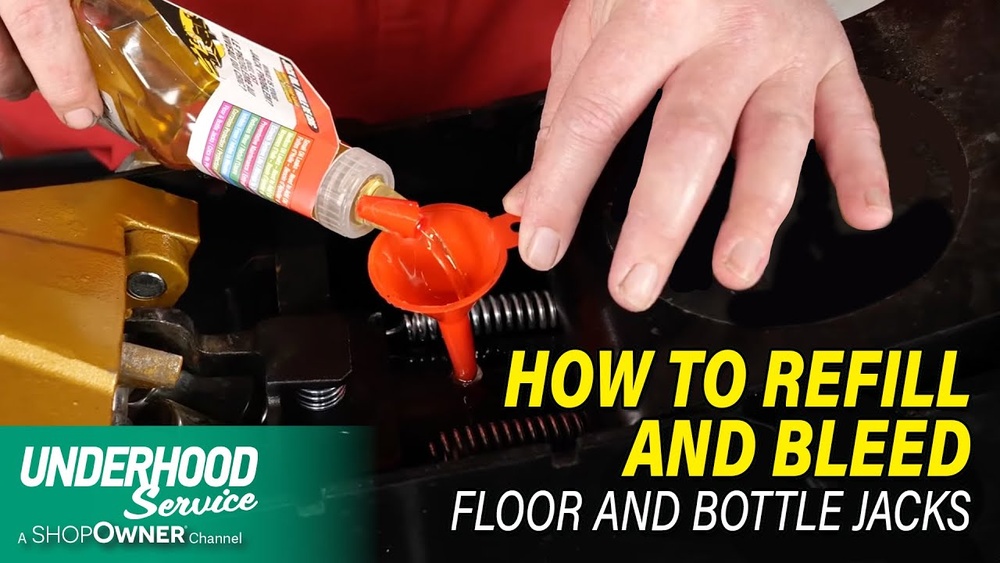
If you own a Larin floor jack, you know how important it is to keep it working smoothly and safely. But what happens when your jack starts to lose pressure or doesn’t lift as it should?
The answer is simple: it might be time to fill or refill your Larin floor jack. In this guide, you’ll learn exactly how to do that step-by-step, so your jack stays reliable every time you use it. Don’t risk damage or accidents—follow these easy instructions and get your floor jack back to peak performance.
Keep reading to make sure you’re doing it right!
Tools And Materials Needed
Filling a Larin floor jack needs the right tools and materials. Using proper items ensures safety and smooth operation. Prepare everything before starting the process.
Hydraulic Jack Oil
Choose the correct hydraulic oil for the Larin floor jack. Use only high-quality jack oil. Avoid motor oil or brake fluid. The right oil keeps the jack working well.
Clean Funnel
A clean funnel helps pour oil without spilling. It makes the filling process neat and easy. Avoid dirt or dust in the funnel to keep oil clean.
Rags Or Paper Towels
Use rags or paper towels to wipe spills. Keep the workspace clean and safe. Clean tools and hands after filling the jack.
Flat-head Screwdriver Or Wrench
This tool opens the oil fill plug on the jack. Use the correct size to avoid damage. Handle the plug gently to prevent stripping.
Gloves
Wear gloves to protect your hands from oil. Gloves keep hands clean and safe. Choose disposable or reusable gloves as needed.

Credit: www.wikihow.com
Preparing The Jack For Filling
Choosing the right hydraulic fluid is key to keep your Larin floor jack working well. The fluid helps the jack lift heavy loads smoothly. Using the wrong fluid can cause damage or reduce the jack’s performance. Understanding the types of fluids and their compatibility is important for proper maintenance and safety.
Types Of Hydraulic Fluids
Hydraulic fluids come in several types. The most common are mineral oils, synthetic oils, and water-based fluids. Mineral oils are widely used and cost-effective. Synthetic oils offer better temperature resistance and last longer. Water-based fluids cool quickly but may cause rust if not treated. Each type suits different working conditions and jack models.
Fluid Compatibility
Not all hydraulic fluids mix well with your floor jack’s seals and materials. Using incompatible fluid can cause leaks or seal damage. Always check your Larin floor jack manual for recommended fluids. Avoid mixing different types of fluids. Cleaning the reservoir before adding new fluid helps prevent contamination. Proper compatibility extends the life of your jack and keeps it safe to use.
Choosing The Right Hydraulic Fluid
Filling a Larin floor jack with hydraulic fluid is easy when you follow the right steps. This process helps keep your jack working safely and smoothly. Each step is simple and important. Taking your time ensures the best results and prevents damage.
Opening The Fill Plug
First, locate the fill plug on your Larin floor jack. It is usually a small, round cap on the side or top of the jack. Use a wrench or screwdriver to carefully remove the plug. Keep the plug in a safe place. Avoid losing it or letting dirt enter the jack.
Adding The Hydraulic Fluid
Use the correct hydraulic fluid made for floor jacks. Slowly pour the fluid into the fill hole. Do not rush or spill. Add the fluid until it reaches just below the fill hole edge. Filling too much can cause leaks or damage. Use a clean funnel to avoid dirt contamination.
Checking Fluid Levels
After adding fluid, check the level carefully. The fluid should sit near the fill hole but not overflow. Wipe off any spilled fluid with a clean cloth. Replace the fill plug tightly to seal the jack. Test the jack a few times to check smooth operation. Repeat the process if needed.
Credit: psauction.com
Step-by-step Filling Process
Bleeding air from a Larin floor jack is an important step. Air trapped inside the jack can cause it to lose pressure. This makes lifting heavy loads unsafe and difficult. Removing air restores smooth operation and strength. Follow careful steps to bleed the air properly. This keeps the jack working well and extends its life.
Identifying Air Trapped
Air inside the jack shows clear signs. The jack may feel spongy or soft when pumping. It may lift slower than usual or not reach full height. Strange noises like hissing or bubbling can occur. These are signs that air is trapped inside the hydraulic system. Checking for these signs helps decide when to bleed the jack.
Bleeding Techniques
Start by locating the release valve on the jack. Slowly open this valve to let out trapped air. Pump the handle gently a few times while the valve is open. This pushes air bubbles out of the system. Close the valve tightly after a few pumps. Test the jack by pumping again to check firmness. Repeat the process if the jack still feels soft. Always use clean hydraulic fluid during this process to avoid damage.
Bleeding Air From The Jack
Testing the jack after filling is a key step to ensure it works well and stays safe. This step helps confirm the fluid is at the right level and that the jack lifts smoothly. It also shows if there are any leaks or problems before you use it for heavy lifting.
Operating The Jack
Start by placing the jack on a flat surface. Pump the handle slowly to raise the jack. Watch how it lifts and listen for any strange noises. The jack should lift steadily without jerks or sudden drops. Lower the jack gently to check the release valve. Smooth operation means the filling was done correctly.
Inspecting For Leaks
Look closely around the jack for any signs of fluid leaks. Check near the fill plug and hydraulic seals. Leaks can cause the jack to lose pressure quickly. If you see fluid, tighten the plug or seals. Clean the area and test again to make sure no more leaks appear.

Credit: www.youtube.com
Testing The Jack After Filling
Keeping your Larin floor jack in good shape helps it work longer and safer. Regular care saves you money and prevents problems. Simple habits protect the jack’s parts and keep it ready for use.
Regular Fluid Checks
Check the hydraulic fluid often. Low fluid causes poor lifting and damage. Use the right fluid type for your Larin jack. Open the fill plug and look inside. If the fluid looks dark or dirty, change it. Keep the fluid level at the recommended mark. Clean the area before opening to avoid dirt inside.
Proper Storage
Store your jack in a dry, clean spot. Avoid places with moisture to stop rust. Keep it on a flat surface to prevent leaks. Lower the jack fully before storing to reduce pressure on seals. Cover the jack to protect it from dust and dirt.
Frequently Asked Questions
How Do I Refill Hydraulic Fluid In A Larin Floor Jack?
To refill, first locate the hydraulic fluid reservoir. Remove the fill plug, then slowly add the recommended hydraulic fluid until full. Replace the plug securely and test the jack for proper operation.
What Type Of Fluid Is Best For Larin Floor Jack?
Use high-quality hydraulic jack oil or SAE 10-30 motor oil. Avoid using brake fluid or other types, as they can damage the jack’s seals and performance.
How Often Should I Check Larin Floor Jack Fluid?
Check the fluid level every 3 to 6 months or before heavy use. Regular checks prevent leaks and maintain smooth lifting performance.
Can I Overfill The Hydraulic Fluid In My Jack?
No, overfilling can cause pressure issues and damage seals. Fill only to the recommended level indicated in the manual for safe operation.
Conclusion
Filling a Larin floor jack is simple and important for safety. Use the right hydraulic oil and avoid overfilling. Check the jack regularly to keep it working well. Clean the area before filling to stop dirt from entering. Follow the steps carefully to prevent damage.
This helps the jack lift smoothly every time. Take your time and work with care. A well-maintained floor jack lasts longer and keeps you safe. Now, you can fill your jack with confidence and ease.


