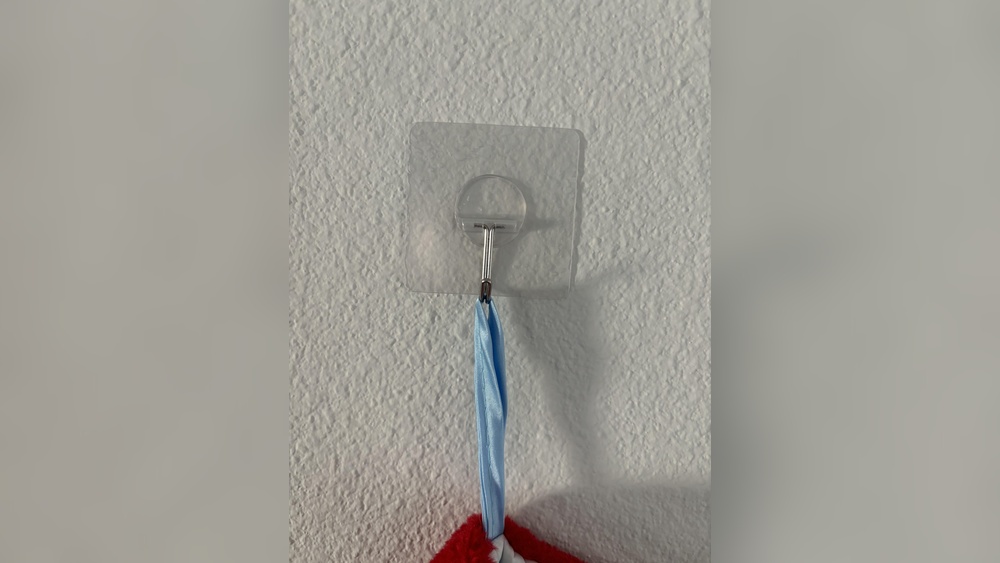
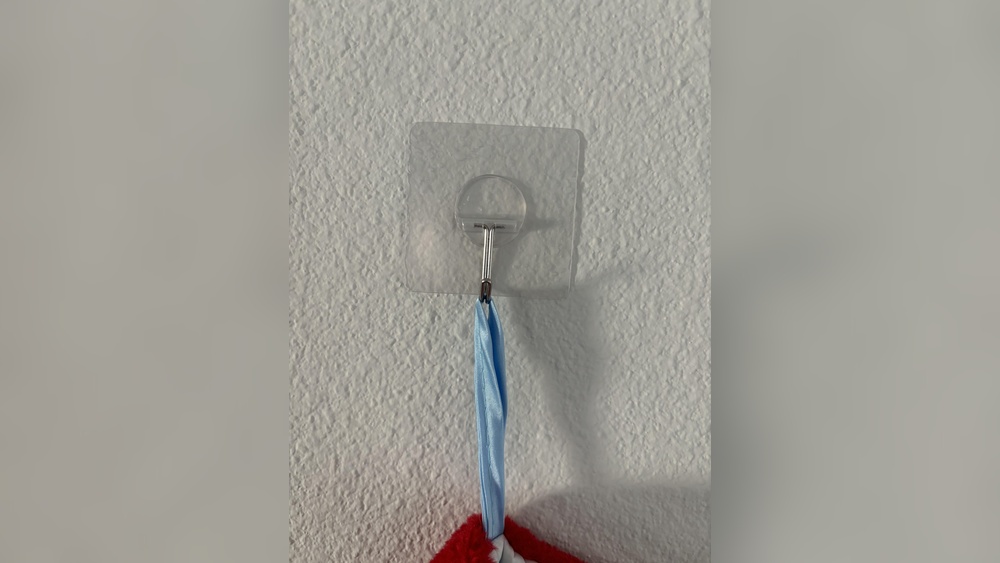
Are you tired of those annoying marks left behind after removing command hooks from your walls? You’re not alone.
Taking down command hooks might seem simple, but if you’re not careful, you could damage your paint or drywall. What if you could remove them cleanly, without stress or mess? You’ll discover easy, step-by-step tips to safely take down command hooks while keeping your walls flawless.
Keep reading, and learn how to protect your space and avoid costly repairs.
Tools You’ll Need
Removing command hooks from your wall needs the right tools. Having them ready makes the process smooth. It helps prevent damage to your wall and keeps things neat. Below are the tools you will need to remove command hooks carefully.
Basic Supplies
- Hairdryer – To warm the adhesive gently
- Dental floss or fishing line – To slide behind the hook strip
- Plastic card – To protect the wall while removing
- Soft cloth – To clean the wall after removal
- Rubbing alcohol – To remove any leftover sticky residue
Optional Helpers
- Isopropyl alcohol wipes – For easier residue cleaning
- Rubber gloves – To protect your hands during removal
- Small plastic scraper – To gently lift stubborn edges
- Step stool – For hooks placed high on the wall
:max_bytes(150000):strip_icc()/how-to-remove-command-strips-5089679-08-f1a503a270af4f05a47e576b957c8f6b.jpg)
Credit: www.thespruce.com
Preparing The Area
Preparing the area before removing command hooks helps avoid damage and mess. It makes the process smooth and safe. Taking simple steps protects walls, furniture, and your hands.
Clear The Space
Remove items near the hook to create a clear work area. Move furniture, decorations, and other objects away. This prevents accidents and gives you room to work freely. A clean space helps you focus on the task.
Protect Surfaces
Cover nearby surfaces with a soft cloth or paper towel. This stops scratches or marks from tools or hook removal. Use painter’s tape to protect edges if needed. Protecting surfaces keeps your home looking neat and damage-free.
Step-by-step Removal
Removing Command Hooks from the wall needs care. Doing it right keeps your wall safe. Follow these simple steps to remove hooks without damage. Take your time and be gentle. This will help avoid peeling paint or marks.
Check The Hook Type
Look closely at your Command Hook. Some hooks use a sticky strip, others a different adhesive. Knowing the type helps you remove it correctly. If it has a pull tab on the strip, it is easy to remove. If no tab is visible, extra care is needed.
Slowly Pull The Strip
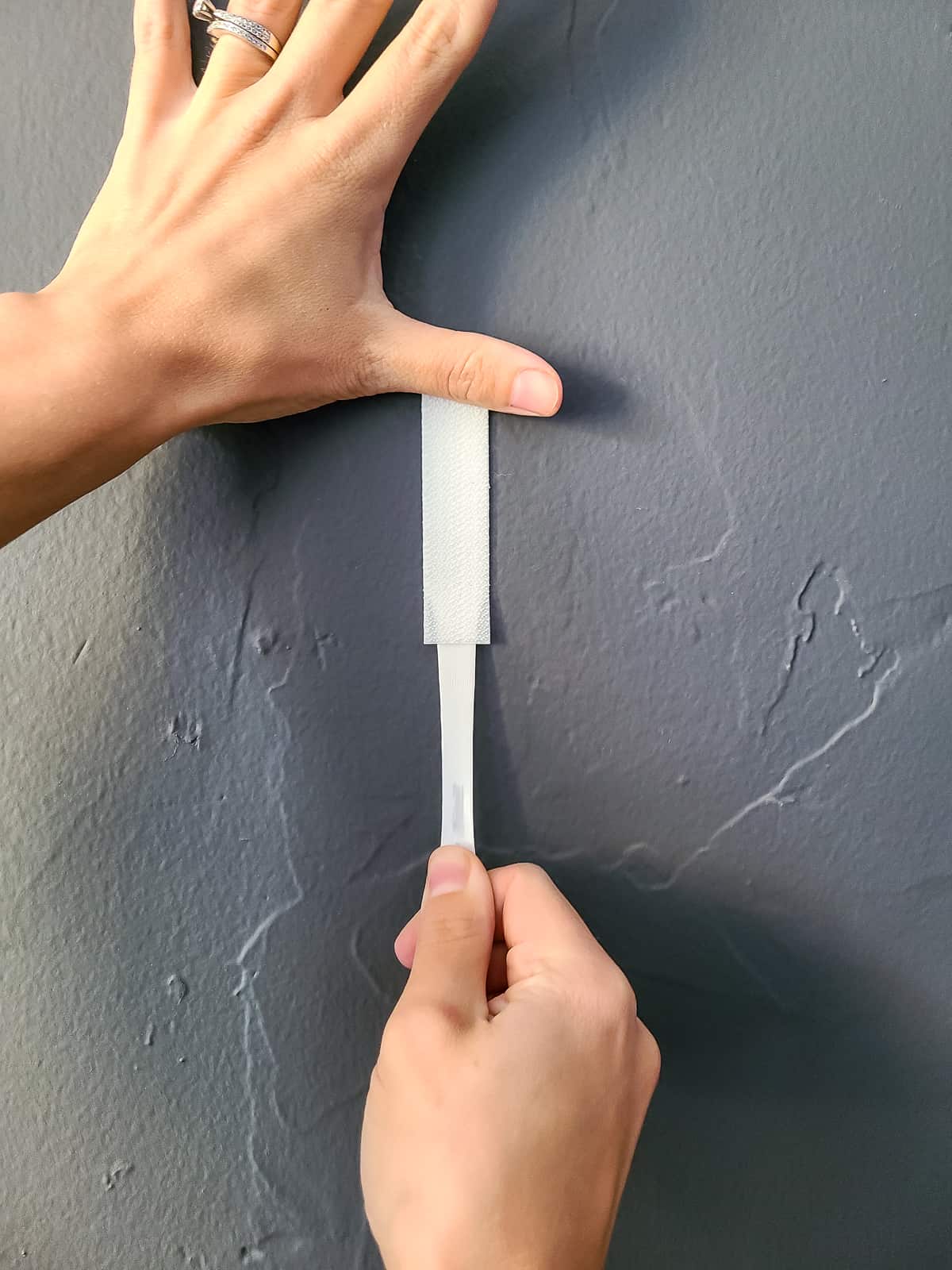
Hold the hook firmly with one hand. With the other, pull the strip straight down. Pull slowly, stretching the strip along the wall. Do not pull the strip towards you or sideways. Stretching the strip gently releases the adhesive.
Keep pulling until the strip separates from the wall. Stop if you feel resistance. Pulling too fast can damage the paint or wall surface.
Use Heat For Stubborn Hooks
For hooks that don’t budge, use a hair dryer. Warm the adhesive area for about 30 seconds. Heat softens the glue, making removal easier. After heating, try pulling the strip again slowly. Repeat heating if needed but avoid overheating.
Heat helps protect your wall from damage. Be patient and gentle during the process.
Credit: www.makingmanzanita.com
Handling Common Issues
Removing Command Hooks can sometimes leave small problems on your wall. Handling these issues carefully helps keep your walls clean and smooth. This section covers common problems and easy fixes.
Sticky Residue Removal
Sticky residue often stays after pulling off Command Hooks. Use warm soapy water and a soft cloth to rub the area gently. This method loosens the sticky glue without damaging the paint.
For tougher residue, try rubbing a small amount of rubbing alcohol on a cotton ball. Test first on a hidden spot to avoid paint damage. Avoid harsh scrubbing, which can strip paint.
Minor Wall Repairs
Small holes or marks may appear after hook removal. Use a small amount of spackling paste to fill holes. Smooth it with a putty knife or your finger. Let it dry completely before sanding it lightly.
After sanding, touch up the spot with matching paint. This step restores the wall’s look and hides any marks. Simple repairs keep your wall looking fresh and neat.
Preventing Damage Next Time
Removing Command Hooks without damaging walls takes care and planning. Preventing damage next time helps keep your walls clean and smooth. Small steps make a big difference in protecting your paint and drywall.
Choosing The Right Hook
Pick hooks that fit your wall type and weight needs. Lightweight hooks work best for small items. Heavy-duty hooks suit heavier objects but may need stronger surfaces. Check the package for wall compatibility. Avoid using hooks on rough or textured walls. Using the right hook lowers the chance of wall damage.
Proper Installation Tips
Clean the wall surface before applying the hook. Use rubbing alcohol to remove dust and oils. Press the hook firmly for about 30 seconds. Let the adhesive set for one hour before hanging items. Avoid placing hooks near corners or edges. Follow these steps to ensure the hook sticks well and removes easily later.

Credit: www.reddit.com
Frequently Asked Questions
How Do You Safely Remove Command Hooks From Walls?
To safely remove Command Hooks, slowly pull the adhesive tab straight down. Avoid pulling it outward to prevent damage. This method releases the adhesive without harming paint or drywall.
Can Command Hooks Damage Painted Walls?
If removed properly, Command Hooks do not damage painted walls. Pull the adhesive tab down slowly to avoid peeling paint. Proper removal ensures no marks or residue remain on the surface.
What Is The Best Way To Avoid Wall Damage?
Pull the adhesive strip slowly and straight down, not outward. This stretches and releases the adhesive gently. Avoid quick or sideways pulling to prevent wall damage.
How Long Can Command Hooks Stay On Walls?
Command Hooks can stay on walls for up to two years. The adhesive remains effective if the surface is clean and dry. Remove hooks carefully to keep walls intact.
Conclusion
Removing Command Hooks from walls takes patience and care. Pull the tab slowly to avoid damage. Use heat to soften the adhesive if needed. Clean the wall gently to remove any leftover residue. These steps help keep your walls smooth and clean.
You can reuse hooks elsewhere or store them for later. Small actions save time and money. Taking your time makes the process easier and safer. Easy to do, with just a little care.