Are you struggling to remove Command Hooks from your wall without causing damage? You’re not alone.
Those handy hooks are perfect for hanging things quickly, but taking them down can be tricky. If you pull the wrong way or use the wrong method, you might end up with holes or sticky residue. Don’t worry—this guide will show you exactly how to get Command Hooks off your wall safely and easily.
Keep reading, and you’ll learn simple steps that protect your walls and save you time.
Choosing The Right Command Hooks
Choosing the right Command hooks is key to protecting your walls and holding your items safely. Different hooks suit different needs. Picking the correct type makes removing them easier and keeps your walls damage-free. Consider the hook’s size, weight limit, and the surface you will use it on.
Understanding these points helps you pick the best Command hooks. This choice saves time and avoids wall damage when you take them off later.
Types Of Command Hooks
Command hooks come in many shapes and sizes. Some hooks have adhesive strips, while others use clips or clips with tabs. Small hooks work well for keys or light items. Larger hooks hold bags or heavier items. Choose hooks that fit the item you want to hang.
Weight Limits To Consider
Each Command hook has a weight limit. This limit shows the heaviest item the hook can hold. Using a hook beyond its weight limit risks falling and wall damage. Check the package for weight details. Pick a hook that matches or exceeds your item’s weight.
Surface Compatibility
Command hooks stick best on smooth, clean surfaces. Painted walls, tiles, glass, and metal work well. Avoid using hooks on rough or textured surfaces like brick or wallpaper. The adhesive may not hold firmly. Clean the surface before applying the hook for the best bond.
:max_bytes(150000):strip_icc()/how-to-remove-command-strips-5089679-08-f1a503a270af4f05a47e576b957c8f6b.jpg)
Credit: www.thespruce.com
Preparing The Wall And Hook
Preparing the wall and hook is the first step to remove Command Hooks safely. This step helps avoid damage to your paint or wall surface. It also makes the removal process easier and cleaner.
Cleaning The Wall Surface
Clean the wall around the hook gently. Use a soft cloth with mild soap and water. This removes dust and dirt that can affect hook removal. Let the wall dry completely before continuing.
Checking Hook Placement
Look closely at how the hook is placed on the wall. Note the direction of the adhesive strip. Understanding this helps you pull the strip correctly. Avoid pulling the hook itself to prevent damage.
Gathering Necessary Tools
Collect tools before you start removing the hook. You may need a hairdryer to warm the adhesive. A plastic card can help lift the hook gently. Keep a clean cloth handy for wiping the wall later.
Step-by-step Removal Process
Removing Command hooks from the wall can seem tricky. Follow these simple steps to get it done safely. This method prevents damage to your paint or wallpaper. Take your time and work carefully. Here is the step-by-step removal process.
Loosening The Adhesive Strip
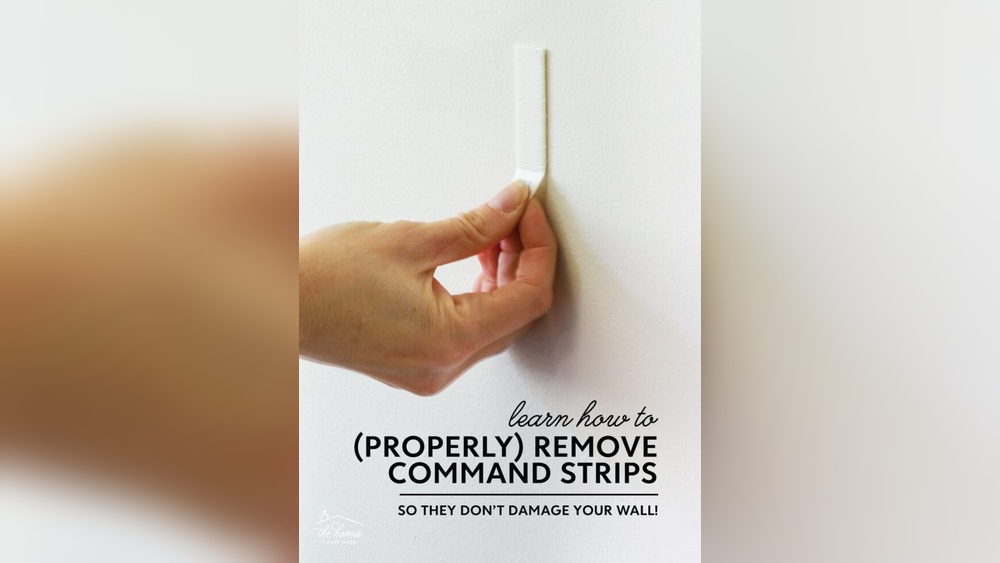
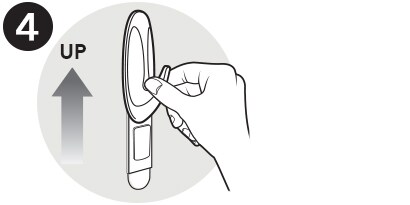
Start by holding the hook gently. Pull the adhesive strip tab down slowly. Stretch the strip straight down along the wall. Do not pull the strip outward or away from the wall. This stretching loosens the adhesive without damage.
Pulling The Strip Correctly
Keep pulling the strip slowly and evenly. Keep your hand close to the wall. Pull downward, not outward, in one smooth motion. This helps release the hook without pulling paint off. Stop if you feel resistance and try again gently.
Handling Stubborn Hooks
Some hooks stick tighter than others. Use warm water on a cloth to soften the adhesive. Hold the warm cloth on the strip for a few minutes. Then try stretching the strip down again. Avoid using sharp tools that can damage the wall.

Credit: www.reddit.com
Preventing Wall Damage
Removing Command hooks without harming your wall takes care and the right steps. Walls can peel or get sticky marks if you pull too hard or use wrong methods. Protecting your paint and surface keeps your home looking fresh and clean. Follow these tips to keep walls safe and smooth.
Avoiding Paint Peeling
Pull the tab slowly, straight down. Do not yank or pull sideways. Pulling sideways can peel paint off the wall. Give steady and gentle pressure. Keep the hook close to the wall as you pull. Stop if you feel strong resistance. Wait a minute, then try again. This helps avoid damage and keeps paint in place.
Managing Residue Left Behind
Sometimes sticky residue stays on the wall. Use a soft cloth with warm water to wipe it off. Avoid harsh scrubbing to protect paint. For tough spots, try rubbing alcohol on a cotton ball. Test in a small spot first. Wipe gently until residue disappears. This cleans the wall without ruining paint or texture.
Using Heat For Easier Removal
Heat softens the adhesive under the hook. Use a hairdryer on low heat. Hold it a few inches from the hook for 30 seconds. Warm the adhesive evenly to avoid damage. Then pull the tab slowly downward. The hook should come off easier and cleaner. Heat makes removal safer and protects your wall’s paint.
After Removal Care
After removing Command hooks, taking care of the wall is important. The wall might have some sticky spots or small marks left behind. Cleaning and fixing these spots helps keep your walls neat. It also prepares the surface for new hooks or decorations. Follow these steps for the best after-removal care.
Cleaning Residual Adhesive
Sticky glue often stays on the wall after removing hooks. Use a soft cloth with warm, soapy water to gently rub the area. Avoid harsh scrubbing to prevent wall damage. For tougher glue, try rubbing alcohol on a cotton ball. Test a small spot first to protect paint. Wipe clean with a damp cloth and let dry.
Repairing Minor Wall Marks
Small dents or marks can appear after hook removal. Lightly sand the area with fine sandpaper to smooth rough spots. Use a small amount of wall putty or spackle to fill holes. Let it dry completely, then sand again if needed. Touch up with matching paint for a clean finish. This fixes minor damage and keeps walls looking good.
Preparing Wall For New Hooks
Make sure the wall is clean and dry before adding new hooks. Avoid placing hooks on wet or dirty surfaces. Smooth, clean walls help hooks stick better and last longer. Check that the paint is not peeling or cracked. Consider using a primer on repaired spots to improve hook adhesion. Proper preparation keeps your hooks secure and walls safe.
Tips For Reusing Command Hooks
Reusing Command hooks saves money and helps the environment. They work well again if you follow some simple tips. Careful checks and proper steps make sure the hooks stick strong the next time.
Checking Hook Condition
Look at the hook carefully before reuse. Make sure the plastic is not cracked or bent. A damaged hook will not hold well. Check the adhesive pad too. If it looks dry or dirty, it might not stick.
Replacing Adhesive Strips
Remove old adhesive strips completely. Clean the hook base with rubbing alcohol. This removes oils and dirt. Use new Command adhesive strips for the best hold. Press them firmly on the hook for a few seconds.
Best Practices For Reapplication
Clean the wall surface with rubbing alcohol. Let it dry fully before applying the hook. Press the hook firmly against the wall. Hold it for 30 seconds to secure. Wait one hour before hanging anything.
Credit: www.commandbrand.com.au
Frequently Asked Questions
How Do I Safely Remove Command Hooks From Walls?
To safely remove Command hooks, slowly pull the adhesive strip straight down. Avoid pulling it outward or at an angle. This prevents wall damage and helps release the hook cleanly.
Can Command Hooks Damage Painted Walls?
Command hooks are designed to be damage-free when removed properly. Pull the adhesive strip slowly and straight down to avoid peeling paint or leaving residue.
What If The Command Hook Won’t Come Off Easily?
If a Command hook resists removal, try warming the adhesive with a hairdryer. This softens the glue, making it easier to pull the strip down without damaging the wall.
How Do I Remove Leftover Adhesive From Walls?
Use a gentle adhesive remover or rubbing alcohol on a soft cloth to wipe residue. Test on a small area first to ensure no paint damage occurs.
Conclusion
Removing Command hooks from walls does not have to be hard. Use slow and gentle pulling to avoid damage. Warm the adhesive with a hairdryer to make it softer. Clean the wall after removal to remove any sticky residue. Taking your time helps keep your walls safe and smooth.
This method works well for most surfaces. Keep these tips in mind for a simple and clean removal process. Your walls will look good and ready for new hooks or decorations.