Have you ever found yourself locked out because a deadbolt just won’t budge? It’s frustrating, stressful, and can make you feel stuck—literally.
But don’t worry, you don’t have to call a locksmith right away or break down your door. Knowing how to pry open a deadbolt safely and effectively can save you time, money, and a lot of hassle. You’ll discover simple, practical steps that anyone can follow to regain access without causing damage.
Keep reading, because the solution might be easier than you think.
Credit: www.hunker.com
Types Of Deadbolts
Deadbolts come in several types. Each type offers different security features and ways to use them. Knowing the type helps in understanding how to pry them open safely.
Single Cylinder Deadbolts
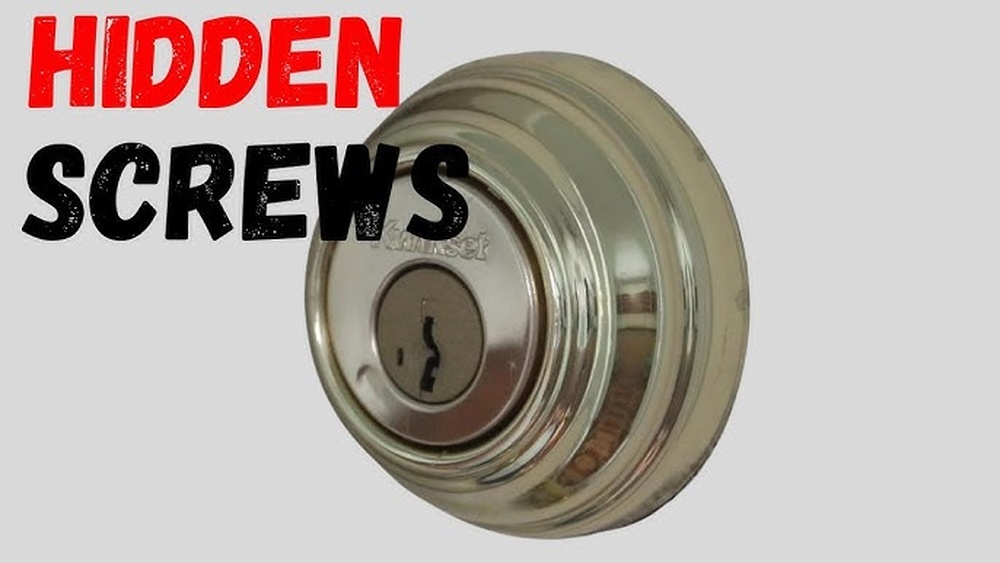
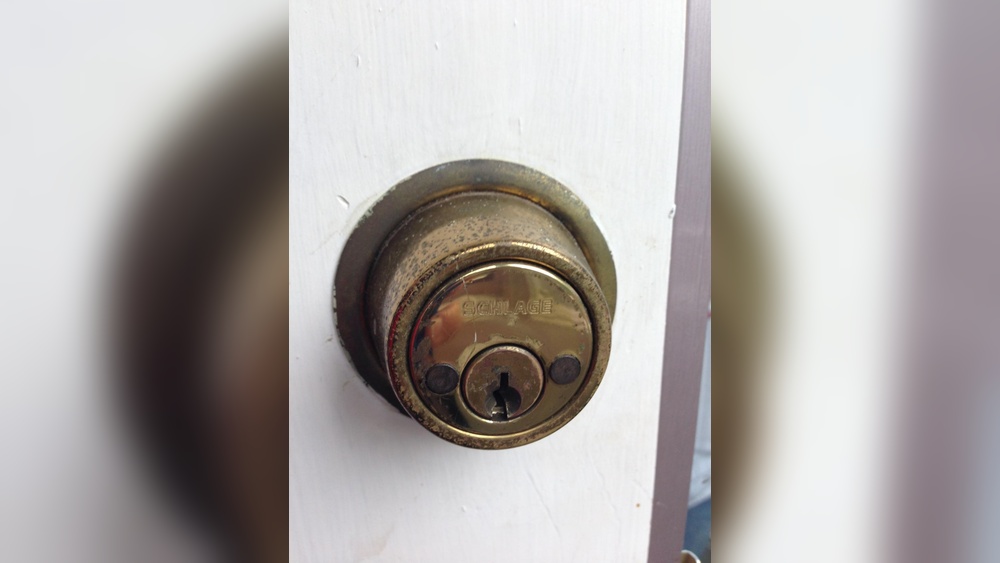
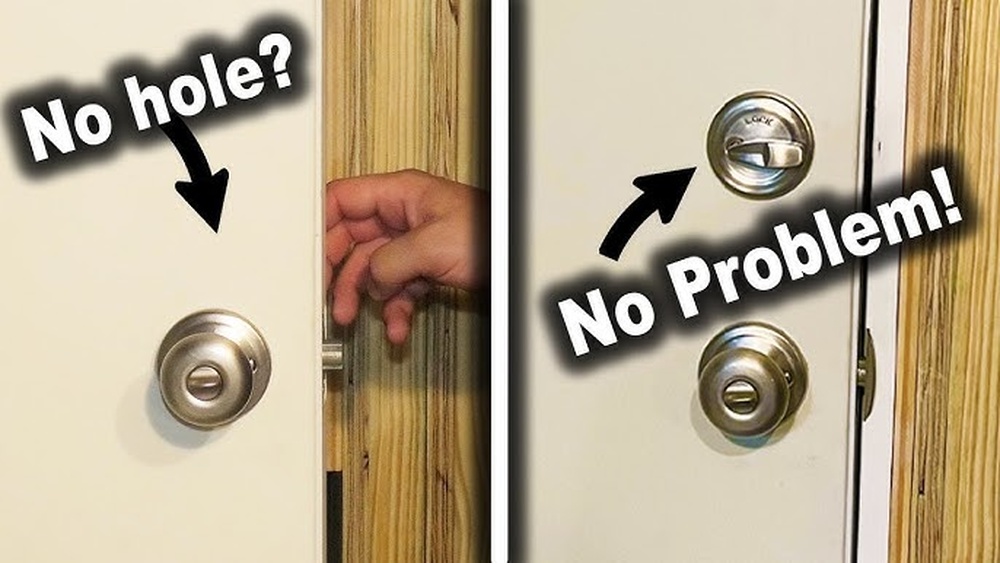
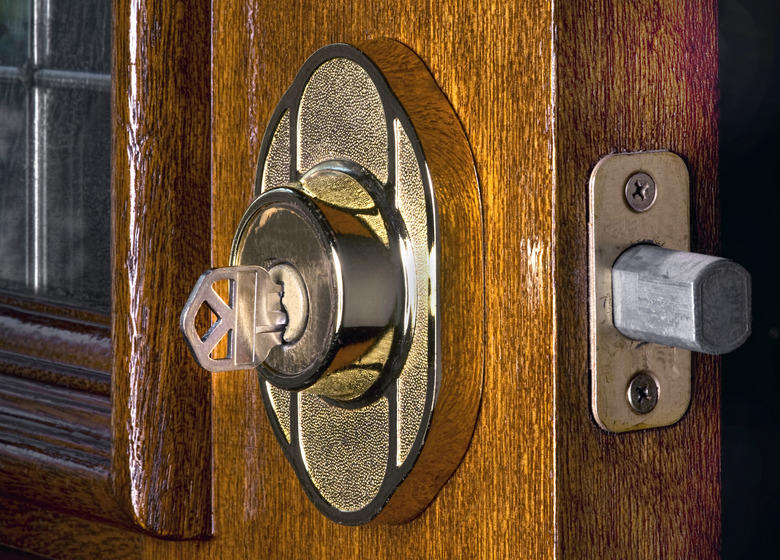
Single cylinder deadbolts have a key slot outside. Inside, they have a thumb turn to lock or unlock. They are common on many doors. Easy to use but can be vulnerable if glass is nearby.
Double Cylinder Deadbolts
Double cylinder deadbolts need a key on both sides. They provide extra security for doors with glass near the lock. These deadbolts are harder to open without a key. They require caution in emergencies.
Keyless Deadbolts
Keyless deadbolts use a keypad or code for entry. No physical key is needed. They offer convenience and quick access. Some models include remote control or fingerprint options.
Tools Needed For Pry Opening
To pry open a deadbolt, having the right tools is essential. These tools help apply force and manipulate the lock effectively. Using proper equipment reduces damage and makes the job easier. Below are the key tools needed for pry opening a deadbolt.
Pry Bars And Crowbars
Pry bars and crowbars are basic tools for applying leverage. They come in different sizes and shapes. Use a smaller pry bar for narrow gaps and a crowbar for more strength. These tools help create space between the door and frame. This space allows you to work on the deadbolt with less effort.
Screwdrivers And Picks
Screwdrivers are useful for removing screws near the deadbolt. Flathead screwdrivers can also help pry open small spaces. Picks are thin tools designed to manipulate lock pins. They can help in loosening the lock mechanism. Combining screwdrivers and picks provides better control over the lock’s parts.
Lubricants And Penetrating Oils
Lubricants reduce friction inside the lock. This makes moving parts easier to handle. Penetrating oils loosen rust or dirt stuck in the lock. Spray the lubricant carefully around the deadbolt area. Let it sit for a few minutes before attempting to pry. This process helps tools work more smoothly.
Safety Precautions
Before attempting to pry open a deadbolt, taking proper safety precautions is essential. This step protects you, the property, and ensures you stay within legal limits. Ignoring safety can cause injuries or legal problems. Follow these guidelines carefully to keep the process safe and smooth.
Legal Considerations
Know the law about opening locked doors in your area. Only pry open a deadbolt on property you own or have permission to access. Breaking locks without permission is illegal. It can lead to fines or criminal charges. Always have proof of ownership or written consent.
Personal Safety Tips
Wear protective gloves and safety glasses before starting. Deadbolts and tools can cause cuts or eye injuries. Use the right tools designed for the job to avoid accidents. Keep your hands and fingers clear of sharp edges. Work slowly and carefully to reduce risk.
Protecting Door And Frame
Use padding around the door frame to prevent damage. Insert soft materials like cloth between the pry tool and wood. Avoid applying too much force to stop cracks or breaks. A damaged door or frame can be costly to fix. Gentle, steady pressure helps keep everything intact.
Step-by-step Pry Techniques
Prying open a deadbolt requires a careful approach. This section breaks down the process into clear, easy steps. Follow these techniques to handle the task safely and effectively.
Assessing The Door And Lock
Start by examining the door and deadbolt closely. Check the material of the door—wood or metal affects your method. Notice how the lock sits in the door frame. Look for any gaps or weak spots around the lock. This helps decide where to apply force. Understanding the door’s condition prevents damage beyond the lock.
Applying Leverage Correctly
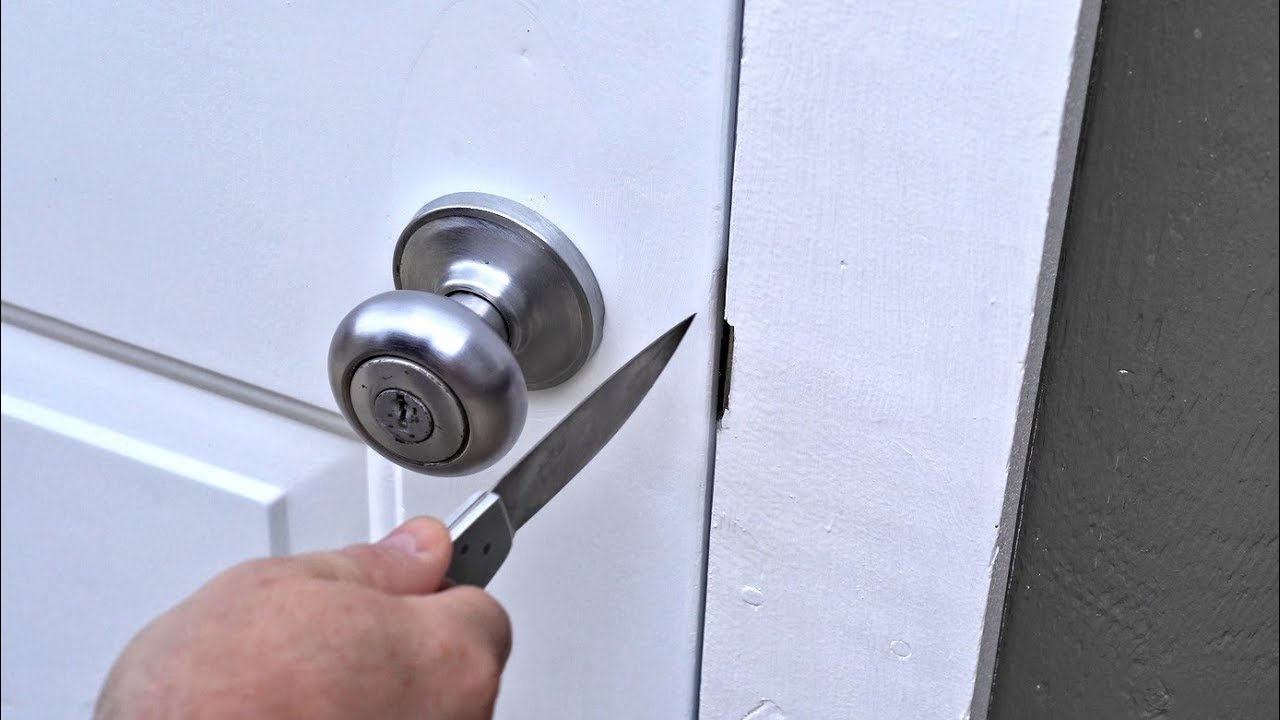
Use a flat pry bar or sturdy tool for leverage. Insert the tool gently near the deadbolt edge. Position it between the door and frame. Push the handle or bar slowly to apply steady pressure. Avoid sudden force to stop breaking the tool or door. Leverage works best with slow, controlled pressure.
Using Pressure Points
Identify pressure points around the lock and door frame. These spots resist the lock less. Apply pressure near the deadbolt latch or strike plate. Focus on weak areas like cracks or loose fittings. Press firmly but carefully to avoid damage. Proper pressure points make prying easier and cleaner.
Alternative Entry Methods
Alternative entry methods offer different ways to open a deadbolt without a key. These techniques require some skill and tools but can help in emergencies. Understanding these methods can save time and reduce damage to your door.
Lock Picking Basics
Lock picking uses small tools to move the pins inside the lock. The goal is to align the pins to allow the lock to turn. It needs patience and a steady hand. Basic tools include a tension wrench and a pick. Practice is important to get better at it.
Bumping The Deadbolt
Bumping uses a special key called a bump key. This key fits most pin-tumbler locks. You insert it and tap it lightly to move the pins. The bump can release the lock and open the door. This method works fast but needs the right key and timing.
Removing The Door Hinges
Removing hinges can let you open the door from the side. This works if the hinges are exposed outside. Use a screwdriver or drill to take out the hinge pins. Once the pins are out, you can lift the door away from the frame. This method avoids damage to the lock itself.
Credit: www.youtube.com
Preventing Deadbolt Damage
Preventing damage to your deadbolt is important when prying it open. Careless attempts can break the lock or harm the door frame. Taking small steps can save you time and money. These tips help keep your door safe and strong during prying.
Minimizing Door Frame Impact
Use a steady hand to avoid hitting the door frame hard. Gentle pressure lowers the risk of cracks or splits. Work slowly and watch the frame carefully. Avoid bending or twisting the door too much. Protect the frame with soft padding where tools touch. This reduces dents and scratches.
Using Protective Materials
Cover tools with cloth or tape to avoid metal-on-wood contact. A thin piece of cardboard can protect the door surface. Place cushions between the pry bar and door for extra safety. These materials stop marks and damage during the process. Using protection keeps your door looking clean.
Repair Tips After Pry Opening
Check the door and frame for small cracks or dents. Use wood filler to repair minor damage quickly. Sand the area smooth after the filler dries. Paint or stain the repaired spot to match the door. Tighten screws and hinges to restore stability. Small fixes keep your door strong and neat.
When To Call A Professional
Knowing when to call a professional locksmith is important for handling deadbolts safely. Some locks are too tricky or secure to open without special skills and tools. Calling an expert can save time, reduce damage, and keep your property safe. Here are signs you should get professional help.
Signs Of Complex Locks
Some deadbolts have complicated mechanisms. High-security locks often need special tools to open. If the lock has multiple pins or electronic parts, it is best left to experts. Trying to open these locks yourself can cause more problems.
Avoiding Excessive Damage
Using force or wrong tools can damage the door or frame. This damage can be expensive to fix. Professionals know how to pry open deadbolts carefully. They minimize damage and protect your door’s structure. Avoid costly repairs by trusting a locksmith.
Finding Reliable Locksmiths
Choose locksmiths with good reviews and proper licenses. Check their experience with deadbolt locks. Ask for quotes before hiring to avoid surprises. A reliable locksmith will explain the process clearly. Trustworthy experts ensure your lock is handled well.

Credit: www.youtube.com
Frequently Asked Questions
How Can I Safely Pry Open A Deadbolt Lock?
Use a flat pry bar and gently apply pressure near the lock edge. Avoid excessive force to prevent damage. Wear safety gloves and work slowly to avoid injury or breaking the door.
What Tools Are Needed To Pry Open A Deadbolt?
Common tools include a flat pry bar, screwdriver, and a hammer. These tools help apply leverage and gently pry the deadbolt open. Use them carefully to avoid damaging the door frame or lock.
Is Prying Open A Deadbolt Legal?
Prying open a deadbolt without permission is illegal and considered breaking and entering. Only pry open locks you own or have explicit permission to access. Always follow local laws and regulations.
Can I Pry Open A Deadbolt Without Damaging It?
Prying a deadbolt usually risks damage to the lock or door. For non-destructive entry, consider lock picking or calling a professional locksmith. Prying is a last resort and may cause permanent damage.
Conclusion
Prying open a deadbolt needs care and patience. Always check for safety before you try. Using the right tools makes the task easier. Avoid causing damage to your door or lock. Practice helps you improve your skills over time. Remember, only open locks you own or have permission to open.
Stay calm and work slowly for best results. Safety first, always. This guide can help you learn the basics well. Keep these tips in mind for any lock challenge.