Are you tired of screws that just won’t hold in your walls? Whether you’re hanging a heavy picture, a shelf, or a mirror, knowing how to put a screw anchor into your wall can make all the difference.
It’s a simple skill that can save you time, frustration, and even damage to your walls. In this guide, you’ll discover easy steps to secure your screws firmly and safely. Keep reading, and you’ll be ready to tackle any wall project with confidence.
Choosing The Right Screw Anchor
Choosing the right screw anchor is key to a strong, secure hold in your wall. Picking the wrong type can cause damage or make the anchor fail. The anchor must fit the wall material and the weight of the object you want to hang. Understanding different types helps you make the best choice.
Types Of Screw Anchors
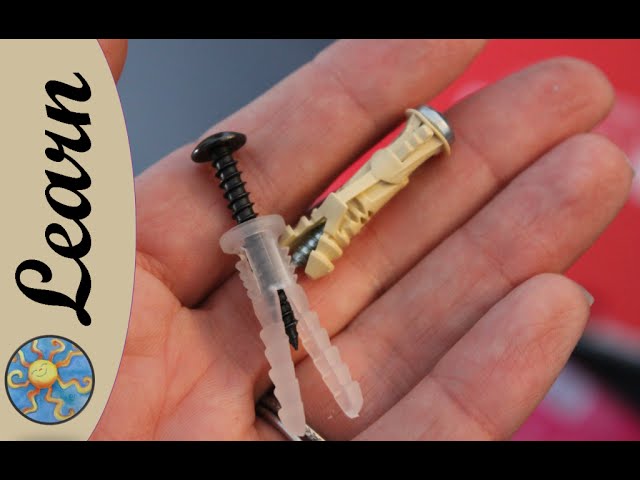
There are many types of screw anchors for different jobs. Plastic expansion anchors are common for light loads and drywall. They expand inside the wall for a tight grip. Molly bolts work well for hollow walls and offer strong support. Toggle bolts have wings that open behind the wall for heavy loads. Concrete anchors are made for solid surfaces like brick or cement. Each type serves a unique purpose.
Matching Anchors To Wall Materials
Walls vary. Drywall, plaster, brick, and concrete all need specific anchors. Plastic anchors suit drywall well but fail in brick. Use masonry anchors for brick or concrete walls. Hollow walls need anchors that spread inside, like molly bolts or toggle bolts. Choose the anchor type based on the wall’s strength and thickness. This ensures the screw stays firm and safe.

Credit: www.youtube.com
Tools And Materials Needed
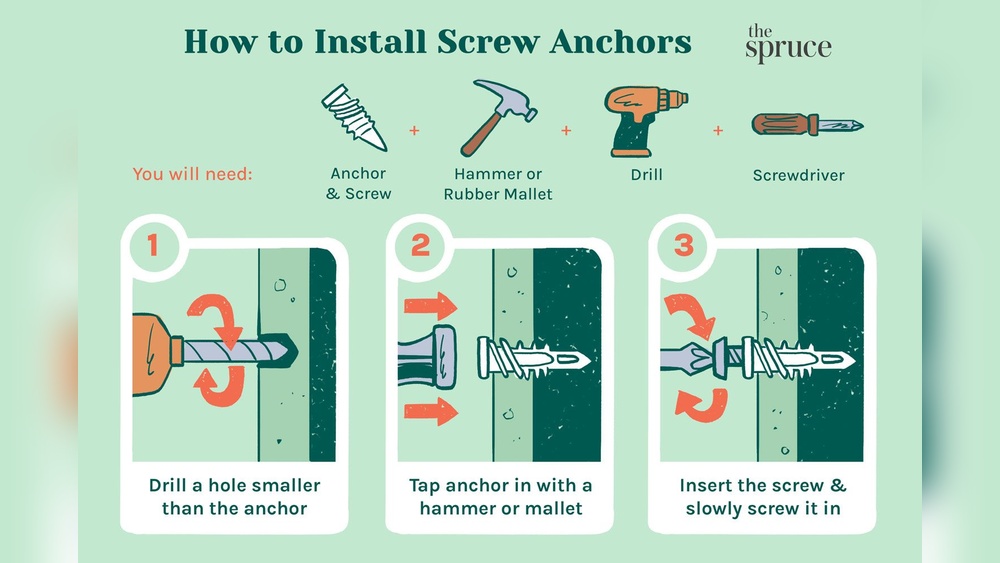
Before putting a screw anchor into a wall, gather all the tools and materials. Having everything ready makes the job easier and faster. Use the right tools to avoid damage to the wall or the anchor.
Essential Tools
You need a drill with the correct drill bit size. Choose a drill bit that matches the anchor diameter. A screwdriver or a screw gun helps to drive the screw into the anchor. A hammer may be required to gently tap the anchor into the hole. A tape measure and pencil help mark the exact spot on the wall. These tools ensure precision and secure installation.
Safety Gear
Wear safety glasses to protect your eyes from dust and debris. Use gloves to protect your hands from sharp edges and rough surfaces. Consider wearing a dust mask if drilling into drywall or concrete. Safety gear keeps you safe and comfortable during the work.
Preparing The Wall
Preparing the wall is the first step before putting a screw anchor into it. A well-prepared wall makes the process easier and ensures the anchor holds firmly. Take your time to prepare the surface properly. This helps avoid damage and improves the strength of the fixing.
Locating The Fixing Point
Find the exact spot where you want to place the anchor. Use a stud finder for drywall or tap the wall to hear a solid sound. Avoid placing anchors near electrical wires or pipes. Choose a spot that supports the weight of the object you want to hang.
Marking The Spot
Mark the fixing point clearly with a pencil. Make a small dot or cross on the wall. This mark guides you when drilling the hole. Double-check the mark to ensure accuracy. A clear mark helps prevent mistakes during drilling.
Credit: www.youtube.com
Drilling The Hole
Drilling the hole is an important step when placing a screw anchor into a wall. It creates the right space for the anchor to fit securely. This step needs care to avoid damage and to ensure the anchor holds well.
Using the right tools and methods makes the job easier and safer. The drill bit must match the size of the anchor. The drilling technique affects the hole’s depth and cleanliness. Both factors impact the anchor’s strength and stability.
Selecting The Drill Bit
Choose a drill bit that matches the anchor size exactly. Check the package or instructions for the right diameter. Using a bit too large or too small can cause the anchor to fail. For example, a 6mm anchor needs a 6mm drill bit. Use a masonry bit for concrete or brick walls. For drywall, a standard bit usually works well.
Drilling Technique
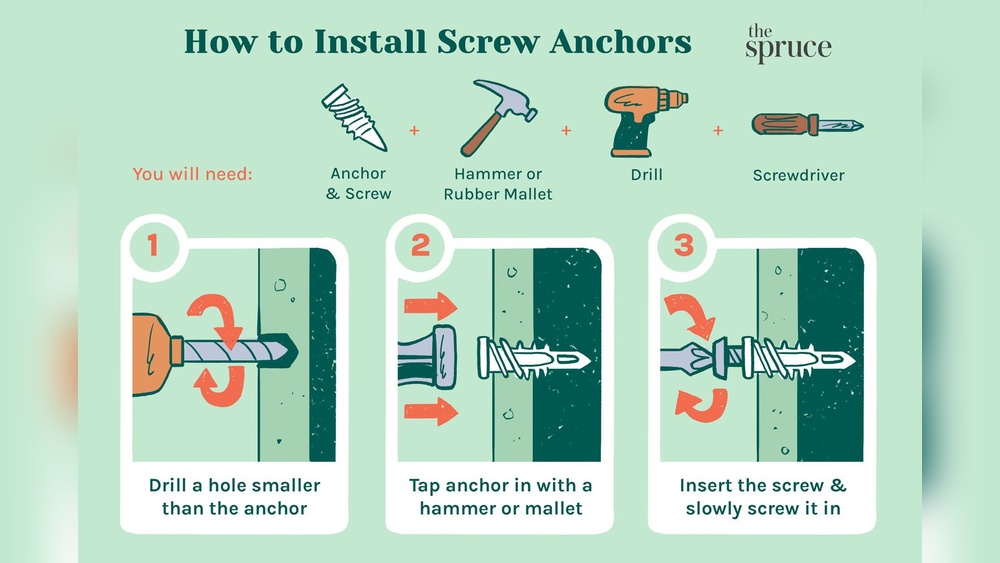
Mark the spot clearly before drilling. Hold the drill steady and straight to avoid uneven holes. Start drilling slowly to create a guide hole. Increase speed once the bit grips the wall. Drill to the depth recommended for the anchor. Stop and clean out dust from the hole. This helps the anchor fit tightly and hold better.
Inserting The Screw Anchor
Inserting a screw anchor into the wall is a key step for strong support. This process ensures the anchor sits firmly and holds weight well. Follow simple steps to place the anchor correctly. It prevents damage and makes your installation last longer.
Aligning The Anchor
Start by lining up the anchor with the drilled hole. The hole should be clean and free of dust. Hold the anchor straight to avoid bending it. Keep the anchor flush with the wall surface. This helps the anchor fit tight and secure.
Pushing Or Tapping It In
Push the anchor gently into the hole. If it resists, tap it lightly using a hammer. Tap until the anchor is flush with the wall. Avoid pushing too hard to prevent breaking the anchor. A snug fit means it is ready for the screw.
Securing The Screw
Securing the screw correctly is key to a strong hold. The screw anchor must fit tightly in the wall. This keeps your items safe and stable. It prevents the screw from loosening or falling out over time.
Choosing the right screw and tightening it properly ensures the best results. Small details can make a big difference in the strength of the anchor.
Choosing The Right Screw
Select a screw that matches the anchor size. Too short or too thin screws may not hold well. The screw should fill the anchor completely. This helps the anchor expand and grip the wall. Use screws made of durable material like steel. Avoid screws that can bend or break easily.
Tightening Tips
Turn the screw slowly and steadily. Stop once you feel resistance. Over-tightening can damage the anchor and wall. Use a screwdriver or drill with a clutch to control pressure. Check the screw’s firmness by gently wiggling it. The screw should stay firm without moving.
Testing The Fixing
Testing the fixing is a key step after installing a screw anchor. It makes sure the anchor holds tight in the wall. This step helps avoid future problems with loose screws or damaged walls. Spend time checking the stability carefully. It saves effort and repairs later.
Checking Stability
Start by gently pulling the screw or item attached to the anchor. Move it slightly side to side. Watch for any wobbling or movement in the wall. If the anchor feels firm, it is stable. Try pressing down on the item to test strength. A solid hold means the anchor is secure.
Troubleshooting Loose Anchors
Loose anchors need quick attention. First, remove the screw and check the hole size. The hole might be too big or damaged. Fill the hole with wall filler or use a larger anchor. Another option is to drill a new hole nearby. Replace the anchor and test again. Repeat until the fixing feels firm.

Credit: www.picgenie123.com
Frequently Asked Questions
What Tools Are Needed To Install A Screw Anchor?
You need a drill, drill bit, screwdriver, and the screw anchor. A hammer may help for some anchors. These tools ensure proper installation and secure holding.
How Deep Should I Drill For A Screw Anchor?
Drill a hole slightly deeper than the anchor length. This allows the anchor to fit fully and securely. Check the anchor packaging for exact depth recommendations.
Can Screw Anchors Hold Heavy Items On Drywall?
Yes, certain anchors like toggle bolts hold heavy items on drywall. Choose anchors based on weight and wall type for safety. Always check the anchor’s weight rating before use.
How Do I Know Which Screw Anchor To Use?
Select anchors based on wall material and load weight. Plastic anchors suit light loads; metal or toggle anchors suit heavier items. Consider wall type like drywall, plaster, or concrete.
Conclusion
Putting a screw anchor into a wall is simple and useful. Start by choosing the right anchor for your wall type. Drill a hole that fits the anchor snugly. Push the anchor in until it sits flush with the wall surface.
Then, screw into the anchor carefully to hold your item firmly. This method keeps things secure and prevents damage. With practice, you will feel confident doing this task yourself. Small projects become easier and safer with proper anchors. Give it a try and see the difference it makes.