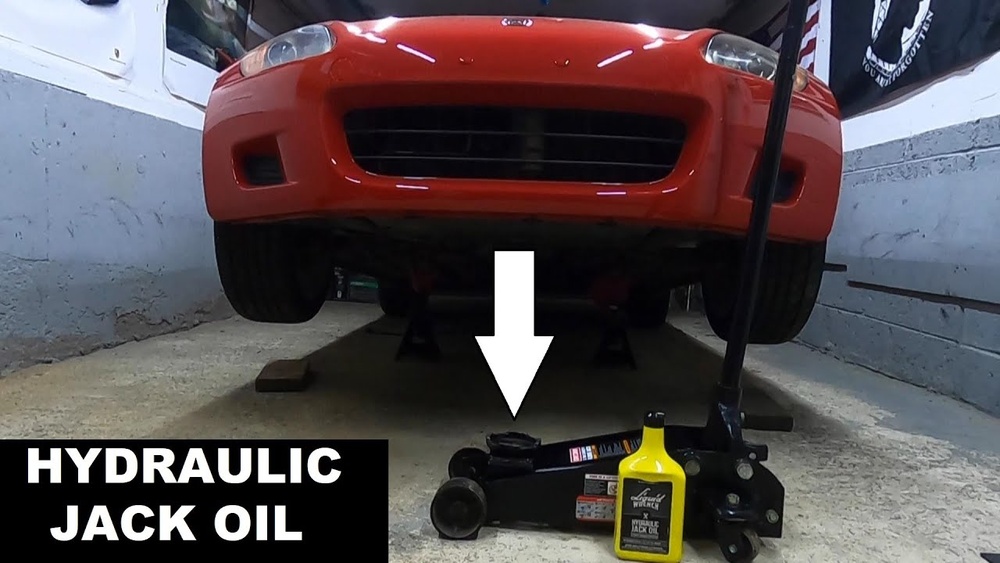
Lifting your truck safely and effectively can save you time, money, and frustration. Whether you’re changing a tire or working on a repair, knowing how to floor jack a truck is a skill you don’t want to overlook.
You might feel unsure about where to place the jack or worry about damaging your vehicle. This guide will walk you through every step, making the process simple and safe. By the end, you’ll have the confidence to handle your truck like a pro.
Ready to learn how? Let’s get started.
Preparing Your Truck And Workspace
Preparing your truck and workspace is the first step to safely floor jack your truck. Proper preparation helps avoid accidents and damage. It ensures the job is smoother and faster.
Choosing The Right Floor Jack
Select a floor jack that fits your truck’s weight. Check the jack’s weight limit on the label. Use a jack with a capacity higher than your truck’s weight. A hydraulic floor jack is easier to use and lifts smoothly. Avoid small or low-capacity jacks for trucks.
Selecting A Safe Location
Pick a flat, level surface to park your truck. Concrete or asphalt is best for stability. Avoid soft or uneven ground like grass or dirt. Ensure the area has enough space to move around. Keep away from busy roads or slopes. Safety is the priority here.
Gathering Necessary Tools
Collect all tools before starting the job. You will need wheel chocks to block wheels. Use jack stands to support the truck after lifting. Have gloves to protect your hands. A flashlight helps if you work in low light. Keep tools close to avoid searching later.
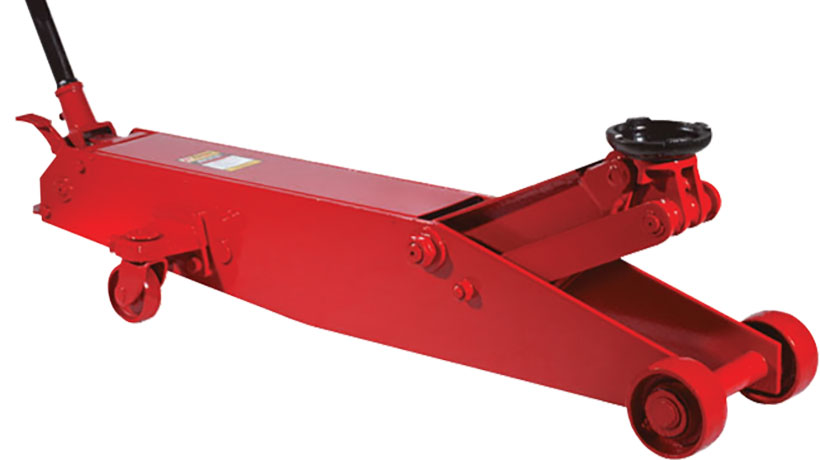
Credit: www.bendpak.co.za
Positioning The Floor Jack
Positioning the floor jack correctly is key for safe truck lifting. A wrong position can cause the truck to slip or fall. Take your time to place the jack carefully. This step sets the stage for a secure lift and protects you from accidents.
Locating Jack Points On The Truck
Every truck has specific jack points. These points are strong areas designed to hold the jack’s weight. Check your truck’s manual to find these spots. Usually, they are near the frame or under the axle. Avoid placing the jack on soft or rusty parts.
Aligning The Jack Correctly
Place the floor jack so its saddle fits under the jack point. Make sure the jack is straight and not tilted. Aligning it well helps the truck lift evenly. Misalignment can cause the jack to slip or the truck to lean.
Ensuring Stability Before Lifting
Double-check the jack’s position before lifting. The base of the jack must sit flat on the ground. Use a solid, level surface to avoid wobbling. Keep the wheels of the truck blocked to stop rolling. Stability is crucial to prevent accidents during lifting.
Lifting The Truck Safely
Lifting a truck safely is the most important step before any repair or maintenance. Using a floor jack properly reduces the risk of accidents. It keeps you and the truck secure during the lift. Follow each step carefully to avoid damage or injury.
Operating The Floor Jack Handle
Place the jack handle into the pump socket. Push the handle up and down slowly. This action raises the lifting arm gradually. Keep steady pressure to avoid sudden movements. Stop if the jack feels unstable or slips.
Monitoring The Lift Progress
Watch the truck as it rises. Check the jack’s position under the frame. Make sure the truck lifts evenly without tilting. Pause often to ensure stability. Stop lifting once the truck is high enough to work safely.
Avoiding Common Lifting Mistakes
Never lift a truck on soft or uneven ground. Avoid placing the jack on parts not designed for lifting. Do not rush the lifting process. Use jack stands to support the truck after lifting. Avoid working under the truck without proper support.
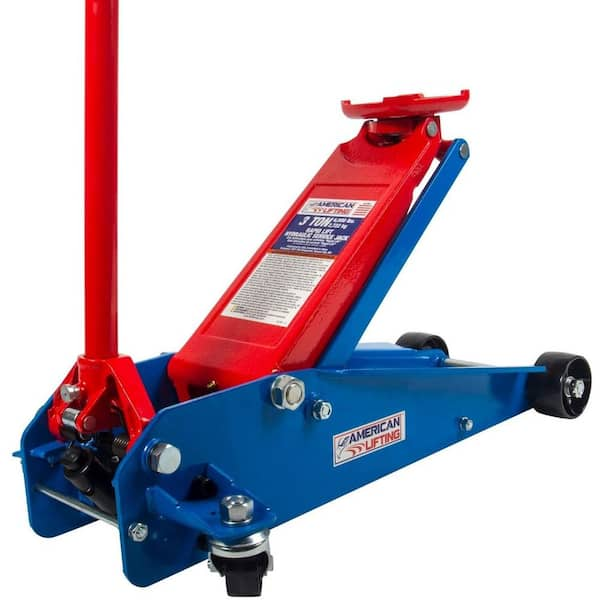
Credit: www.homedepot.com
Securing The Truck Once Raised
Securing the truck once it is raised is a crucial step in safe vehicle maintenance. Leaving a truck unstable can cause accidents and damage. Proper support keeps the truck steady and safe while you work. Follow these key tips to secure your truck correctly after using a floor jack.
Using Jack Stands Properly
Place jack stands under the truck at strong points. Avoid weak areas like the bumper or plastic parts. Lower the truck slowly onto the stands until they carry the full weight. Never rely only on the floor jack to hold the truck. Jack stands offer firm and reliable support.
Double-checking Stability
After setting the jack stands, gently shake the truck. Check if it moves or rocks. If there is any movement, adjust the stands or add extra support. Make sure the truck feels solid before starting any work underneath. Safety depends on a stable setup.
Preventing Accidental Movement
Apply the parking brake firmly. Place wheel chocks in front and behind the wheels still on the ground. This stops the truck from rolling or shifting. Never skip these steps even on flat ground. Preventing movement is key to avoiding dangerous slips or falls.
Lowering The Truck Correctly
Lowering a truck after using a floor jack needs care and attention. Doing it right keeps you safe and protects your truck. Follow each step slowly and carefully. Don’t rush this part of the job.
Releasing The Floor Jack Slowly
Turn the jack’s release valve slowly. This lowers the truck gently and evenly. Sudden drops can cause damage or injury. Watch the truck as it goes down. Stop if it moves unevenly or too fast.
Removing Jack Stands Safely
Before lowering, make sure the truck is stable on jack stands. Once the truck rests on the ground, remove the stands. Pull them out slowly and carefully. Keep your hands and feet clear of the truck’s path.
Final Safety Checks
After lowering, check the truck’s position. Ensure all tools and jacks are out of the way. Look under the truck for any loose parts. Confirm the ground is clear before driving or working.

Credit: www.amazon.com
Maintenance Tips For Your Floor Jack
Maintaining your floor jack keeps it safe and working well. Regular care helps avoid costly repairs and accidents. Follow these simple steps to extend your jack’s life and improve its performance.
Cleaning After Use
Wipe dirt and grease off your floor jack after each use. Use a clean cloth to remove dust and grime. Avoid water; it can cause rust. Clean moving parts gently to keep them smooth. This prevents dirt buildup that can block operation.
Inspecting For Wear And Damage
Check your floor jack regularly for cracks or leaks. Look at the hydraulic cylinder and seals for oil leaks. Examine wheels and handles for damage or looseness. Any worn or broken parts need quick replacement. This ensures safe lifting and prevents jack failure.
Proper Storage Practices
Store your floor jack in a dry, cool place. Keep it off the ground to avoid moisture. Lower the jack fully before storing to relieve pressure. Cover it with a cloth to protect from dust. Proper storage stops rust and keeps the jack ready for use.
Frequently Asked Questions
What Is The Safest Way To Floor Jack A Truck?
Always use a flat, stable surface before jacking. Position the jack under the truck’s manufacturer-recommended lifting points. Engage the parking brake and use wheel chocks to prevent rolling. Never go under the truck without secure jack stands supporting it.
How Do I Find The Correct Jack Points On A Truck?
Check your truck’s owner manual for exact jack points. These spots are designed to handle the vehicle’s weight safely. Avoid placing the jack under the axle or suspension components to prevent damage or accidents.
What Type Of Floor Jack Is Best For Trucks?
Choose a hydraulic floor jack with at least a 3-ton lifting capacity. This ensures it can handle the truck’s weight. Look for a low-profile design to fit under the truck easily and provide stable lifting.
How Do I Prevent The Truck From Slipping Off The Jack?
Use jack stands to secure the truck after lifting. Place wheel chocks on the opposite wheels to stop movement. Always lift the truck slowly and check stability before working underneath.
Conclusion
Floor jacking a truck is safe with the right steps. Always place the jack on a flat, strong surface. Position the jack under the truck’s frame or lifting points. Lift the truck slowly and watch for stability. Use jack stands to keep the truck raised securely.
Never rely on the jack alone for support. Take your time and double-check your setup. Safety and care make the job easier and safer. Now, you can confidently floor jack your truck when needed.