Have you ever wondered what makes those quick, easy-to-use closures on your shoes, bags, or clothes work so well? That’s the magic of hook and loop fastening.
It’s simple, strong, and incredibly versatile—designed to give you convenience without the hassle. If you’ve ever struggled with buttons or zippers, you’ll want to learn how this clever fastening can make your life easier. Keep reading, and you’ll discover how hook and loop fasteners work, why they’re so popular, and how they might just be the perfect solution for your everyday needs.

Credit: www.3m.com
Hook And Loop Basics
Hook and loop fastening is a simple, useful way to join two surfaces. It allows quick attachment and easy removal. This fastening method is common in clothing, shoes, and many household items. Understanding its basics helps to appreciate its wide use and benefits.
Origin And Development
The idea of hook and loop fastening started in the 1940s. A Swiss engineer named George de Mestral created it. He noticed how burrs stuck to his clothes and his dog’s fur. This inspired him to make a fastening system using hooks and loops. He patented the invention in 1955. Since then, the design improved and spread worldwide. It became known as Velcro, a popular brand name.
How It Works
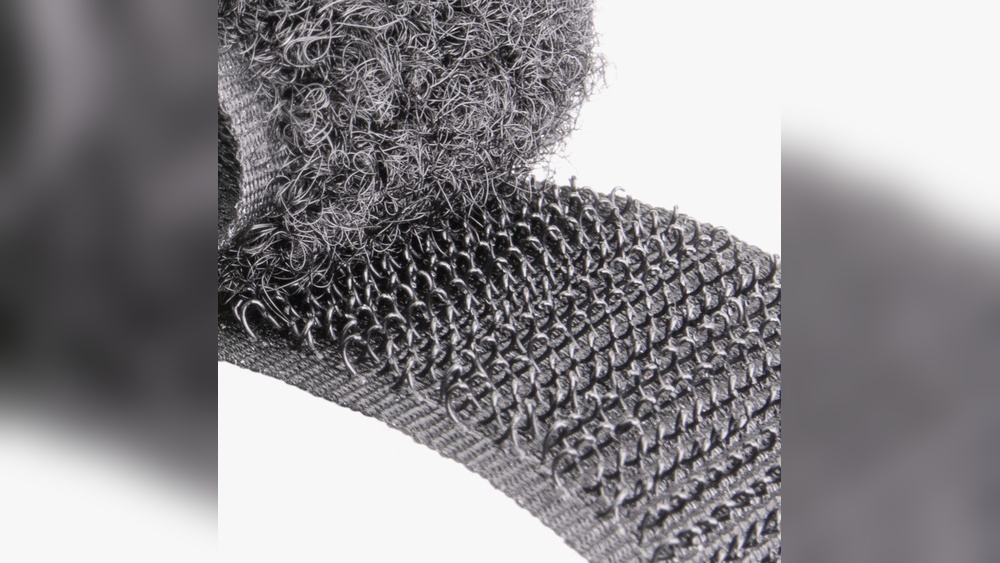
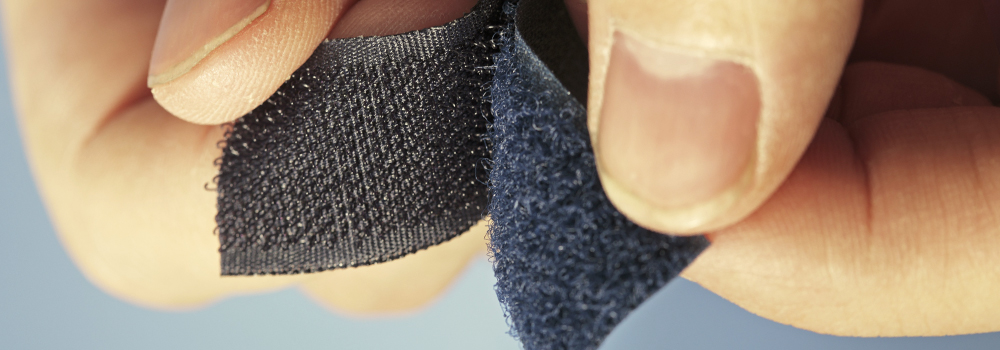
Hook and loop fastening has two parts. One side has tiny hooks. The other side has soft loops. When pressed together, the hooks catch the loops. This creates a strong bond that holds the two parts. To separate them, simply pull apart. The hooks release from the loops easily. This fastening can be used many times without losing strength. It works well in many environments and conditions.
Credit: www.displays2go.com
Common Uses
Hook and loop fastening is a simple yet effective way to join two surfaces. It is widely used across many fields. Its ease of use and reliability make it popular.
This fastening method holds items securely but allows quick release. It fits many daily needs in homes, offices, and industries. Here are some common uses.
Clothing And Apparel
Hook and loop fasteners appear in shoes, jackets, and hats. They replace buttons and zippers for easy handling. Children and elderly benefit from this simple closure.
Sportswear often uses it for adjustable straps and closures. It helps create a snug fit without discomfort. The fastener is durable enough for repeated use.
Medical Applications
Hospitals use hook and loop fasteners in braces and bandages. They provide flexible support and easy adjustments. Patients can secure devices without help.
Doctors rely on these fasteners for quick dressing changes. They reduce time and improve hygiene. The fastening also avoids skin irritation.
Sports Equipment
Many sports gear items use hook and loop straps. Helmets, gloves, and pads depend on them for safety. The fasteners allow quick on and off.
They provide a secure fit during intense activity. Athletes adjust them easily to suit comfort. The strength keeps equipment in place.
Home And Office
Hook and loop fasteners help organize cables and wires neatly. They prevent tangling and damage. This keeps workspaces clean and safe.
They also attach cushions, curtains, and small objects. The fasteners make removal and repositioning simple. Their versatility suits many household needs.
Key Benefits
Hook and loop fastening offers several key benefits that make it a popular choice. It provides a simple, reliable way to fasten items securely. Users enjoy its convenience and practical features. Here are the main advantages of hook and loop fastening.
Ease Of Use
Hook and loop fasteners are very easy to use. Just press the two sides together to fasten. Pull them apart to open. No tools or special skills are needed. This makes them perfect for all ages.
Reusability
You can use hook and loop fasteners many times. They keep their grip even after repeated use. This saves money and reduces waste. Reusable fasteners are good for the environment too.
Adjustability
These fasteners offer great adjustability. You can secure items at different tightness levels. This flexibility fits various sizes and shapes. It works well for clothing, bags, and more.
Durability
Hook and loop fasteners are strong and long-lasting. They resist wear and tear from frequent use. Many types handle moisture and dirt well. Durable fasteners stay reliable over time.
Types Of Hook And Loop
Hook and loop fastening comes in various types to suit different needs. Each type offers unique features and strengths. Understanding these types helps you pick the right one for your project.
Standard Styles
Standard hook and loop fasteners are the most common. They have tiny hooks on one side and soft loops on the other. These fasteners work well for everyday uses like clothing, bags, and home decor. They are easy to cut and sew into fabrics. Standard styles provide reliable hold and quick release.
Heavy Duty Variants
Heavy duty hook and loop fasteners offer stronger grip and durability. They use larger hooks and thicker loops to hold heavy items firmly. These variants suit industrial uses, sports gear, and outdoor equipment. Heavy duty fasteners resist wear and tear better than standard ones. They are ideal for tasks needing extra strength.
Specialty Designs
Specialty hook and loop fasteners serve specific functions. Some are designed for high heat or chemical resistance. Others are made for medical use, with gentle materials for sensitive skin. There are also low-profile versions that stay hidden under clothes. Specialty designs meet unique needs beyond everyday fastening.
Maintenance Tips
Proper maintenance of hook and loop fastening keeps it strong and lasting. Dirt, dust, and lint reduce its grip. Regular care improves performance and extends its life.
Cleaning Methods
Remove dirt and lint with a soft brush or tweezers. Avoid using sharp tools that can damage the hooks or loops. Wash the fastening gently with mild soap and water. Let it air dry completely before use. Avoid heat sources like dryers or direct sunlight.
Storage Advice
Store hook and loop fasteners closed to prevent dirt buildup. Keep them in a dry place to avoid moisture damage. Avoid folding or crushing the fasteners during storage. Use a protective cover or bag for long-term storage. Proper storage keeps the fastening ready for use and maintains its strength.
Choosing The Right Fastener
Choosing the right hook and loop fastener is key to a successful project. The right fastener fits your needs and lasts long. Many factors affect the choice. Focus on material, strength, and the environment where it will be used. Understanding these helps you pick the best option.
Material Considerations
Fasteners come in different materials like nylon and polyester. Nylon is soft and flexible. It works well for clothing and light use. Polyester handles moisture better. It suits outdoor or wet conditions. Check the material of both the hook and loop parts. Match them to your project for best results.
Strength Requirements
Not all fasteners hold the same weight. Some work for light tasks like crafts. Others support heavy loads in industrial use. Think about how much force your fastener must bear. Choose one with enough strength to avoid slipping or breaking. Test samples if possible before buying in bulk.
Environmental Factors
Where will you use the fastener? Indoor or outdoor? Hot, cold, or wet? Some fasteners resist water and UV rays. Others break down quickly in harsh conditions. Pick fasteners designed for your environment. This keeps them strong and lasting longer. Consider cleaning and maintenance needs too.

Credit: www.electriduct.com
Frequently Asked Questions
What Is Hook And Loop Fastening Used For?
Hook and loop fastening is used to join two surfaces temporarily. It is common in clothing, shoes, and sports gear. It offers quick, adjustable, and reusable fastening without buttons or zippers. This makes it ideal for everyday and industrial applications.
How Does Hook And Loop Fastening Work?
Hook and loop fastening works by interlocking tiny hooks with soft loops. When pressed together, the hooks catch the loops, creating a secure bond. This connection is strong yet easy to separate by pulling. It allows repeated opening and closing.
Are Hook And Loop Fasteners Durable?
Yes, hook and loop fasteners are durable. They withstand thousands of open-close cycles without losing grip. Quality materials resist wear, moisture, and dirt. Proper care extends their life, making them reliable for long-term use in various environments.
Can Hook And Loop Fasteners Replace Zippers?
Hook and loop fasteners can replace zippers in many cases. They offer easy, quick fastening and adjustability. However, zippers provide a tighter seal for heavy-duty or waterproof needs. Choice depends on the specific application and user preference.
Conclusion
Hook and loop fastening offers a simple and strong way to join items. It works by connecting tiny hooks with small loops. This makes it easy to open and close many times. People use it in clothes, shoes, and even home tools.
Its quick and reusable nature saves time and effort daily. Understanding how it works helps choose the right kind for your needs. Hook and loop fastening stays useful in many places and products. It is a smart, easy solution for fastening things securely.