Are you ready to boost your home’s security with a deadbolt but unsure how to start? Making a hole in your door for a deadbolt might sound tricky, but with the right steps, you can do it yourself easily and confidently.
Imagine having that extra layer of protection without spending a fortune on a locksmith. In this guide, you’ll discover simple, clear instructions that save you time and prevent costly mistakes. Keep reading, and by the end, you’ll have the skills to make your door stronger and your home safer.
Tools And Materials Needed
Making a hole in a door for a deadbolt requires specific tools and materials. Using the right equipment ensures a clean, accurate cut. It helps prevent damage to the door and simplifies installation. Below is a list of tools and materials needed for this task.
Drill And Drill Bits
A power drill is essential for making holes in the door. Use a spade bit or hole saw bit sized for your deadbolt. A 2-1/8 inch hole saw is common for the main hole. Smaller drill bits help start pilot holes and make precise cuts.
Measuring Tools
Accurate measurements are key. Use a tape measure or ruler to mark hole positions. A pencil or marker helps you draw clear guide lines on the door. A combination square can ensure straight, level marks.
Chisel And Hammer
A chisel and hammer are useful for adjusting the door edge. You may need to create space for the deadbolt faceplate. Chiseling helps the lock sit flush with the door surface.
Deadbolt Lock Set
Use the deadbolt lock kit that fits your door. It usually includes the lock, faceplate, strike plate, screws, and instructions. Check the kit for all parts before starting work.
Safety Gear
Protect your eyes with safety glasses. Hearing protection helps during drilling. Wear gloves to avoid splinters and sharp edges.

Credit: www.familyhandyman.com
Choose The Right Deadbolt
Choosing the right deadbolt is key to securing your door properly. A good deadbolt fits well and protects against break-ins. It also works smoothly and lasts long. The right deadbolt makes installation easier and ensures your safety.
Types Of Deadbolts
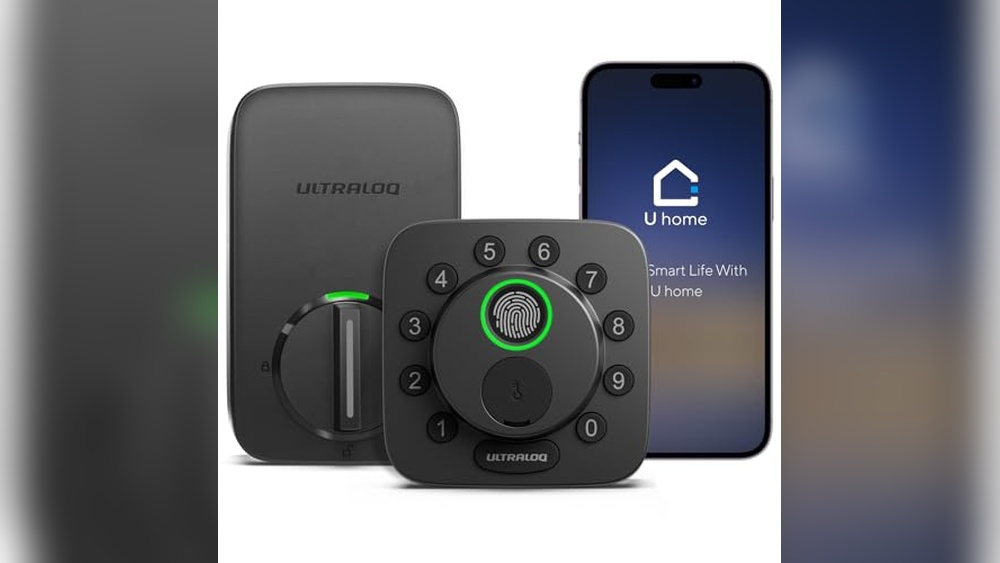
Single-cylinder deadbolts use a key outside and a thumb turn inside. They are common and easy to use. Double-cylinder deadbolts need a key on both sides. They add security but can be tricky in emergencies. There are also digital deadbolts with keypads or smart features. Pick the type that suits your needs best.
Size And Fit
Measure your door thickness before buying a deadbolt. Most fit doors between 1 3/8 and 1 3/4 inches thick. Check the backset—the distance from the door edge to the center of the hole. It usually is 2 3/8 or 2 3/4 inches. Getting the right size avoids problems during installation.
Security Features
Look for deadbolts with solid metal construction for strength. A hardened steel bolt resists sawing and kicking. Anti-drill plates protect the lock from drilling attacks. Some deadbolts have bump-proof technology to stop lock picking. Choose features that increase your door’s security.
Marking The Door For Holes
Marking the door for holes is the first important step in installing a deadbolt. It sets the foundation for accurate drilling. Without proper marks, the holes may not line up, causing trouble later. Take your time and measure carefully. Use a pencil for clear, easy-to-see marks. This process helps ensure the deadbolt fits perfectly and works smoothly.
Locate The Deadbolt Height
Start by deciding the height for your deadbolt. Usually, it is about 6 to 12 inches above the door handle. Measure from the floor or door bottom to this height. Mark the spot clearly on the door edge and face. Double-check the height for comfort and security. This step helps place the deadbolt where it is easy to use.
Mark The Face Bore Hole
Next, mark the hole on the door face where the deadbolt will go. Use a hole saw or template to find the correct size. Position the center of the hole at the height you marked earlier. Draw a clear circle on the door face. This hole will hold the main part of the deadbolt. Accurate marking avoids mistakes during drilling.
Mark The Edge Bore Hole
Now, mark the hole on the door edge for the bolt. Align it with the face bore hole. Use a square or straight edge to transfer the center mark from the face to the edge. Draw a circle that matches the bolt size. This hole will allow the bolt to slide in and lock the door. Precise marks keep the deadbolt tight and secure.
Drilling The Face Bore Hole
Drilling the face bore hole is a key step in fitting a deadbolt on your door. This hole holds the lock’s main body and must be precise. A clean, straight hole ensures the deadbolt works smoothly and fits well.
Take your time and follow the right steps. The right drill bit and steady drilling make all the difference. Let’s look at how to do this correctly.
Select The Proper Drill Bit
Choose a drill bit the same size as your deadbolt’s face bore diameter. Usually, this is 2 1/8 inches. A hole saw drill bit works best for this task.
Make sure your bit is sharp. A dull bit can cause rough edges or splinter the door. Use a bit made for wood or metal, depending on your door type.
Drill Straight Through The Door
Mark the exact spot on your door where the hole will go. Use a pencil and a template if you have one. Keep the drill level and steady.
Start drilling slowly to avoid slipping. Keep the drill perpendicular to the door surface. Drill through one side until you break through the other side.
Stop and clean any rough edges with sandpaper. This helps the lock fit tightly and prevents damage to the door.
Drilling The Edge Bore Hole
Start by marking the door edge where the bore hole will go. Use a drill with the right size bit to create a clean, straight hole for the deadbolt. Take your time to keep the hole even and smooth.
Use The Right Size Spade Bit
Choose a spade bit that matches the deadbolt size. Usually, a 2 1/8-inch bit works well for most deadbolts. Using the correct size ensures a clean hole for the lock. A smaller or larger bit can cause fitting problems. Check the deadbolt instructions to confirm the exact size needed.
Drill Into The Door Edge
Mark the spot on the door edge where the deadbolt will go. Hold the spade bit steady and drill slowly into the door edge. Drill straight to avoid crooked holes. Stop once you reach the other side or the marked depth. Clean out any wood chips from the hole before moving on.
Chiseling For The Faceplate
Chiseling for the faceplate is a key step in fitting a deadbolt. It creates a flat, recessed area where the faceplate sits flush with the door edge. This ensures the deadbolt locks smoothly and looks neat. Careful chiseling prevents damage to the door and keeps the installation strong.
The process requires patience and precision. Use the right tools and take your time. A clean, well-cut recess helps the deadbolt work properly and lasts longer.
Trace The Faceplate Outline
Start by placing the faceplate on the door edge. Align it with the hole for the deadbolt. Use a pencil to trace around the faceplate edges. This outline shows where to chisel. Double-check the lines to ensure accuracy. A clear, sharp outline prevents mistakes and guides your work.
Chisel To Recess The Faceplate
Hold the chisel flat against the door edge. Work inside the traced lines. Tap the chisel gently with a hammer. Remove small wood pieces at a time. Check the depth frequently. The recess should match the faceplate thickness. Smooth the edges for a clean fit. Test the faceplate in the recess often. Adjust until it sits flush with the door surface.
Installing The Deadbolt
Installing the deadbolt is an important step to secure your door. It involves placing the main lock mechanism inside the hole you drilled. Then, you attach the faceplate and tighten the screws. This will keep the lock stable and working well.
Insert Deadbolt Mechanism
Take the deadbolt mechanism and slide it into the hole on the edge of the door. Make sure the bolt extends outward and fits snugly inside. The flat side of the mechanism should align with the door surface. Push it gently until it sits flush with the door edge.
Check if the bolt moves smoothly by turning the thumb turn. This shows the mechanism works before you fix it in place. Adjust the position if the bolt sticks or does not move freely.
Attach Faceplate And Secure Screws
Place the faceplate over the deadbolt on the door edge. Align it with the holes and the bolt opening. Use a screwdriver to fasten the screws tightly. This holds the deadbolt firmly inside the door.
Do not overtighten the screws. It may damage the door or the lock. The faceplate should lie flat without gaps. Test the deadbolt again by turning the thumb turn to confirm smooth operation.
Testing The Deadbolt Operation
Testing the deadbolt operation is a key step after making a hole in the door. It ensures the deadbolt fits well and works smoothly. This step helps avoid issues later, like trouble locking or unlocking the door.
Check the deadbolt several times before finishing the installation. This confirms the hole is the right size and the lock aligns properly. A well-tested deadbolt adds security and peace of mind.
Insert The Deadbolt And Turn The Key
Place the deadbolt into the hole carefully. Make sure it fits without force. Turn the key slowly to test the movement. The deadbolt should slide in and out easily.
Check The Bolt Alignment With The Strike Plate
Close the door gently. Watch the bolt line up with the strike plate hole. The bolt should enter the plate without resistance. Adjust the plate if the bolt does not fit well.
Test Locking And Unlocking From Both Sides
Use the key on the outside and the thumb turn inside. Lock and unlock the door several times. The deadbolt should operate smoothly from both sides. Any sticking means adjustments are needed.
Verify The Door Closes Fully With Deadbolt Extended
Push the door closed with the deadbolt extended. The door should close fully and lock tight. If it sticks, check the hole size and strike plate position. Make small changes and test again.
Tips For A Professional Finish
Getting a neat hole for your deadbolt matters. It affects how well your lock fits and works. A clean cut shows care and skill. These tips help you achieve a professional finish without much trouble.
Simple steps can keep your door looking good and strong. Follow these ideas to avoid common mistakes and save time.
Avoid Splintering Wood
Splinters make the door look bad and weaken it. Start by marking the hole clearly. Use painter’s tape over the cut area. The tape holds the wood fibers in place. Drill slowly and steadily to stop cracks. A sharp drill bit cuts cleaner and easier. Clean the edges with sandpaper for smoothness.
Check Door Thickness Compatibility
Doors come in different thicknesses. Deadbolt kits fit only certain sizes. Measure your door’s thickness before buying. Match the lock’s size to your door. Too thin or thick doors cause loose or tight fits. Adjust the drill depth to match the door. This ensures the deadbolt works well and stays secure.

Credit: www.youtube.com

Credit: doorcorner.wordpress.com
Frequently Asked Questions
How Do I Measure For A Deadbolt Hole In A Door?
Measure the door thickness, backset, and hole diameter precisely. Standard deadbolt holes are 2 1/8 inches in diameter. The backset is usually 2 3/8 or 2 3/4 inches from the edge. Accurate measurements ensure a proper fit for your deadbolt lock.
What Tools Are Needed To Make A Hole For Deadbolt?
You will need a drill, hole saw bit, spade bit, chisel, tape measure, and pencil. These tools help create clean, accurate holes for the deadbolt and latch installation. Using the right tools ensures safety and a professional finish.
Can I Drill A Deadbolt Hole In Any Door Type?
Most wooden and metal doors can be drilled for deadbolts. Hollow-core doors require special care to avoid damage. Verify your door material and use appropriate drill bits for a secure, neat installation.
How Deep Should The Deadbolt Hole Be Drilled?
Drill the hole deep enough to fit the entire deadbolt cylinder and latch. Typically, the hole depth matches the door thickness. Ensuring correct depth prevents lock misalignment and operational issues.
Conclusion
Making a hole in your door for a deadbolt is easier than it seems. Use the right tools and measure carefully. Take your time to mark the spots before drilling. Clean up any rough edges for a smooth finish. This simple step improves your door’s security a lot.
You can feel safer without calling a professional. Give it a try with confidence. Small effort, big difference. Stay safe and secure at home.