Have you ever hung a picture or shelf, only to find it wobbling because the wall anchor feels loose? It’s frustrating and can even cause damage to your walls or belongings.
But don’t worry—fixing loose wall anchors is easier than you think. You’ll learn simple, step-by-step methods to secure those anchors and keep your items safely in place. Keep reading, and you’ll never have to deal with shaky wall fixtures again.

Credit: www.instructables.com
Causes Of Loose Wall Anchors
Loose wall anchors cause frustration and damage. They fail to hold items securely on walls. Understanding why anchors become loose helps fix the problem effectively. Several factors lead to this issue.
Common Installation Mistakes
Incorrect drilling size often causes loose anchors. Drilling a hole too large makes the anchor unstable. Not pushing the anchor fully into the wall reduces grip. Using the wrong anchor type for the wall can also fail support.
Wall Material Issues
Soft or crumbly walls weaken anchor hold. Plaster and drywall may not support heavy anchors well. Old walls can have cracks or holes that reduce anchor strength. Uneven wall surfaces stop anchors from fitting tightly.
Anchor Wear And Tear
Repeated use loosens anchors over time. Removing and reinstalling anchors weakens their grip. Plastic anchors may crack or deform with age. Rust on metal anchors reduces their holding power.
Tools And Materials Needed
Fixing loose wall anchors requires the right tools and materials. Having everything ready makes the repair easier and faster. It also helps you avoid mistakes and ensures a strong hold. Below is a list of what you need to gather before starting the repair.
Essential Repair Tools
- Screwdriver (flathead or Phillips, based on screw type)
- Drill with appropriate drill bits
- Pliers for gripping and removing anchors
- Utility knife for cleaning holes
- Hammer for tapping anchors if needed
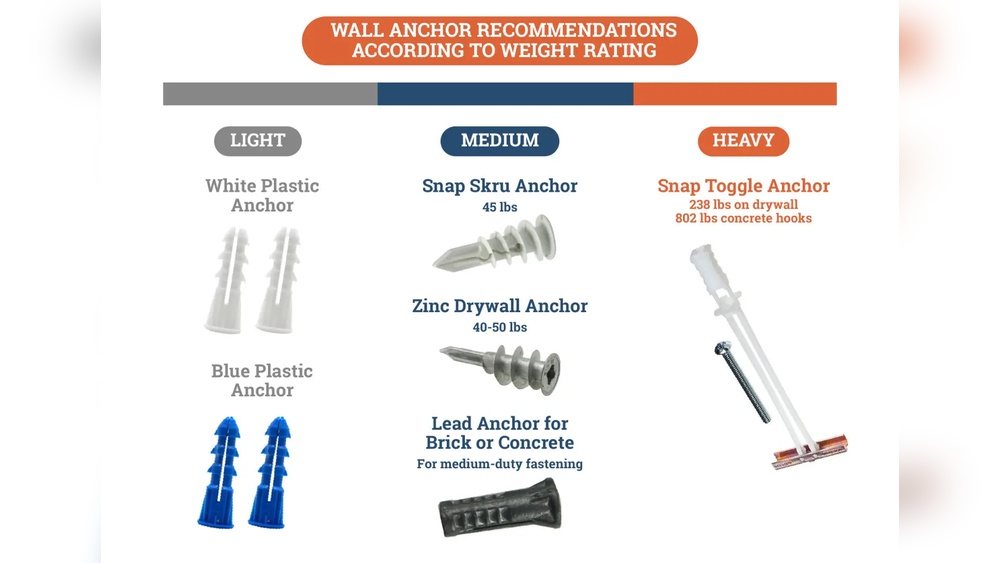
Recommended Replacement Anchors
- Plastic expansion anchors for light loads
- Toggle bolts for medium to heavy loads
- Molly bolts for hollow walls
- Self-drilling anchors for drywall
Additional Supplies
- Spackle or wall filler to repair damaged holes
- Sandpaper to smooth repaired surfaces
- Paint to cover patches and blend with the wall
- Measuring tape to mark exact placement
Removing Loose Wall Anchors
Removing loose wall anchors is the first step to fix them properly. Loose anchors can cause damage to your walls if not handled carefully. Removing them safely protects the wall and prepares it for a new anchor or repair. This section guides you through easy and safe ways to take out loose anchors.
Safe Extraction Techniques
Start by assessing the anchor type and wall condition. Use pliers to grip the anchor gently. Pull straight out with slow, steady force. Avoid twisting or jerking to prevent wall damage.
For stubborn anchors, try pushing them into the wall cavity. Use a screwdriver to tap them gently from the front. Be patient to avoid making bigger holes.
Clean the hole after removal. Remove any leftover debris or anchor pieces for a smooth surface. This makes repairs easier and stronger.
Handling Different Anchor Types
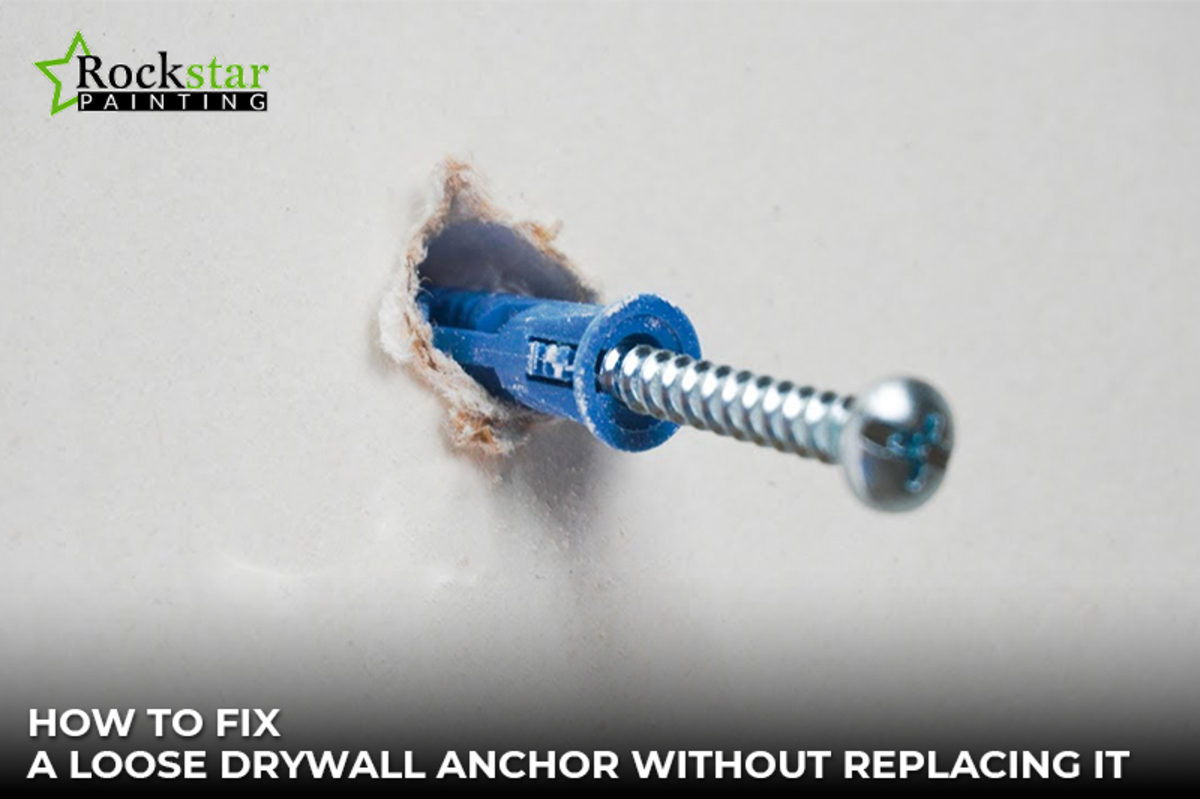
Plastic expansion anchors need careful pulling. They often come out whole but may break inside.
Toggle bolts require loosening the bolt first. Remove the bolt and then push the toggle inside the wall. This clears the hole cleanly.
Molly bolts expand behind the wall. Unscrew the bolt to collapse the anchor. Pull the collapsed anchor out gently.
Self-drilling anchors can be unscrewed like screws. Turn them counterclockwise with a screwdriver until free.
Credit: rockstarpaintingdenver.com
Repairing The Hole
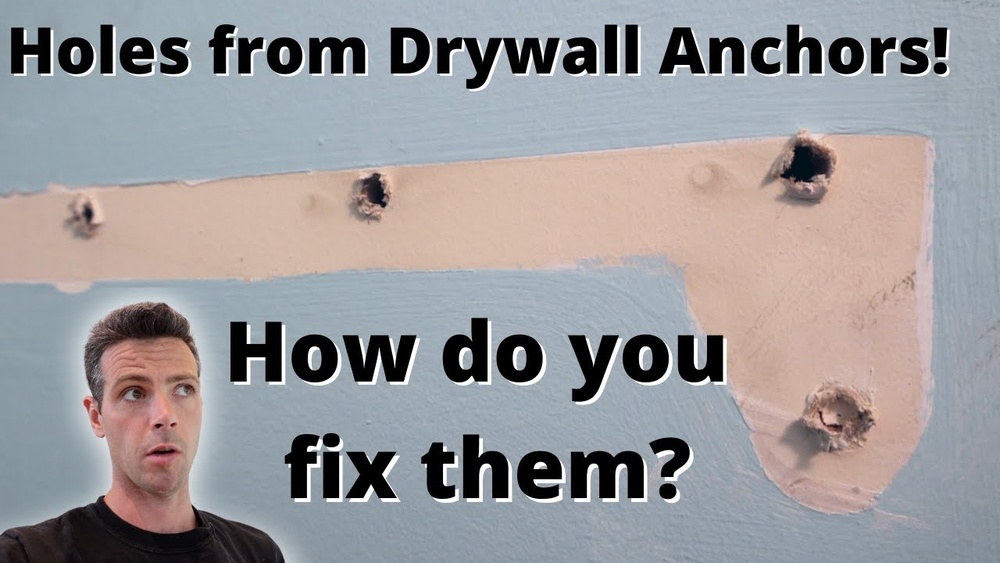
Repairing the hole left by a loose wall anchor is important for a strong fix. Fixing the hole prepares the wall for a new anchor that holds well. The process involves cleaning the area and filling the hole properly. This helps the anchor stick firmly and prevents future damage.
Cleaning And Preparing The Surface
Start by removing any loose material inside the hole. Use a small brush or vacuum to clear dust and debris. Make sure the hole is dry and free of grease. This step helps the filler stick better to the wall. A clean hole gives a smooth base for repair.
Filling And Smoothing The Hole
Apply a wall filler or spackling paste into the hole. Use a putty knife to press the filler deep inside. Smooth the surface by scraping off extra filler. Let the filler dry completely before sanding it smooth. A flat surface ensures the new anchor fits tightly and holds strong.
Reinstalling Wall Anchors
Reinstalling wall anchors is a key step to fix loose anchors effectively. Proper reinstallation ensures the anchor stays secure and supports weight safely. This process requires attention to detail and the right tools. Follow these guidelines to reinstall wall anchors correctly and avoid future issues.
Choosing The Right Anchor
Select an anchor suitable for your wall type. Drywall anchors work well for hollow walls. Use masonry anchors for brick or concrete surfaces. Consider the weight of the object you will hang. Pick a heavy-duty anchor for heavier items. The correct anchor prevents loosening and damage.
Proper Installation Methods
Start by removing the old anchor completely. Clean the hole to remove dust and debris. Use a drill bit that matches the new anchor size. Insert the anchor gently without forcing it. Tighten screws carefully to avoid stripping the anchor. Follow manufacturer instructions for best results.
Testing For Stability
After installation, test the anchor for firmness. Tug lightly on the anchor or attached item. If it moves or feels loose, reinstall or choose a stronger anchor. Proper stability ensures safety and prevents damage to your wall. Repeat testing before hanging heavy objects.
Alternative Solutions For Weak Walls
Weak walls need special care to hold anchors well. Normal anchors may not work and can become loose quickly. Alternative solutions offer stronger support. These options suit walls that are soft, crumbly, or hollow. They help keep items safe and steady on the wall.
Using Toggle Bolts
Toggle bolts have wings that open behind the wall. They spread the weight across a larger area. This makes them good for hollow or weak walls. To use, drill a hole, insert the bolt folded, then tighten. The wings open and hold the bolt firmly in place. They can hold heavy items without pulling out.
Installing Molly Bolts
Molly bolts expand inside the wall for a strong grip. Insert them into a pre-drilled hole. When you tighten the screw, the sleeve spreads and locks tightly. They work well for drywall or plaster walls. Molly bolts provide stable support for shelves or mirrors. They prevent damage by spreading pressure evenly.
Employing Adhesive Anchors
Adhesive anchors use strong glue to fix anchors in place. Clean the hole and apply adhesive before inserting the anchor. Wait for the glue to dry fully to gain strength. These anchors are good for walls that crumble or break easily. They add extra holding power without drilling large holes. Adhesive anchors keep anchors secure for light to medium loads.
Maintenance Tips For Long-lasting Holds
Maintaining wall anchors is key to keeping your items secure over time. Simple care and attention can prevent anchors from loosening and failing. Small steps ensure strong, lasting holds for your walls.
Regular Inspection
Check wall anchors often for any signs of wear or movement. Look for cracks in the wall or gaps around the anchor. Catch problems early to avoid bigger repairs later.
Avoiding Overloading
Do not hang items heavier than the anchor’s limit. Heavy loads can pull anchors loose and damage the wall. Use multiple anchors for heavier objects to spread the weight evenly.
Environmental Considerations
Keep anchors away from moisture and extreme temperatures. Water and heat can weaken the wall and the anchor’s grip. Use anchors designed for the specific environment, such as moisture-resistant types in bathrooms.

Credit: www.youtube.com
Frequently Asked Questions
What Causes Wall Anchors To Become Loose?
Wall anchors can loosen due to improper installation or using the wrong size. Overloading or wall damage also weakens their hold. Moisture and vibrations may contribute to loosening over time.
How Can I Fix A Loose Wall Anchor?
Remove the loose anchor, fill the hole with wood filler or epoxy. Let it dry, then reinstall a larger or appropriate anchor for a secure fit.
Can I Reuse A Loose Wall Anchor?
Reusing a loose wall anchor is not recommended. It may not hold properly and risks damage. Always replace with a new anchor suited for the load and wall type.
What Tools Do I Need To Fix Loose Anchors?
You’ll need a drill, screwdriver, wood filler or epoxy, putty knife, and new wall anchors. These tools help remove, repair, and reinstall anchors securely.
Conclusion
Fixing loose wall anchors can save your walls and keep items secure. Use the right tools and follow simple steps carefully. Tighten or replace anchors when needed to avoid damage. Small repairs prevent bigger problems later. Stay patient and work steadily for best results.
Your walls will stay strong and safe.