If you own a floor jack, knowing how to fill its hydraulics can save you time and money. When your jack isn’t lifting properly, it’s often because the hydraulic fluid is low or old.
By learning this simple step, you can keep your floor jack working smoothly and safely. In this guide, you’ll discover easy, clear instructions that anyone can follow. Ready to get your jack back in top shape? Let’s dive in and make sure your floor jack performs like new every time you use it.

Credit: www.wikihow.com
Prepare Your Tools
Preparing your tools is the first step to fill the hydraulics in a floor jack. You need the right materials and safety steps. This helps make the job easier and safer. Organizing before starting saves time and avoids mistakes.
Take a moment to check your workspace. It should be clean and well-lit. Having everything at hand makes the process smooth. Let’s look at what tools and safety steps you need.
Gather Required Materials
Collect all the tools before starting. You will need hydraulic fluid, a clean funnel, and a wrench. A rag or paper towels help clean spills. Keep the floor jack manual nearby for specific details. Having these ready avoids interruptions.
Ensure Safety Precautions
Wear gloves to protect your hands from fluid. Safety glasses keep your eyes safe from splashes. Work on a flat surface to keep the jack steady. Avoid sparks or flames near hydraulic fluid. Proper ventilation is important to avoid fumes.
Locate The Hydraulic Reservoir
Locating the hydraulic reservoir is the first step in filling the floor jack. This reservoir holds the hydraulic fluid that powers the jack’s lifting mechanism. Knowing where it is helps you add fluid properly and avoid damage. The reservoir is usually easy to find once you know what to look for.
Identify The Fill Plug
The fill plug is a small cap on the hydraulic reservoir. It often looks like a round metal or plastic cover. Sometimes it has a square or hex shape for a wrench. Check the jack’s body near the handle or base. The plug may have a label or symbol showing it is the fluid fill point.
Clean The Area Around The Plug
Before opening the fill plug, clean the area around it well. Dirt or dust can enter the reservoir and harm the jack. Use a clean cloth or brush to wipe away grime. Make sure no debris falls inside when you remove the plug. This keeps the hydraulic system safe and working smoothly.
Drain Old Hydraulic Fluid
Start by draining the old hydraulic fluid to ensure smooth jack operation. Remove the drain plug and let the fluid flow out completely. This step helps prevent dirt and contaminants from damaging the system.
Position The Jack For Draining
Start by placing the floor jack on a flat, stable surface. This ensures safety and easier fluid drainage. Tilt the jack slightly so the hydraulic fluid flows toward the drain plug. Use a sturdy stand or block to keep the jack steady in this position. Proper positioning helps remove most of the old fluid.
Remove The Drain Plug
Locate the drain plug at the bottom of the jack’s hydraulic reservoir. Use a wrench to carefully unscrew the plug. Be ready with a container to catch the old hydraulic fluid. Open the plug slowly to avoid spills or splashes. Let the fluid drain completely before closing the plug again.
Dispose Of Old Fluid Properly
Collect the old hydraulic fluid in a sealable container. Never pour it down drains or on the ground. Take the used fluid to a recycling center or hazardous waste facility. Proper disposal protects the environment and follows safety rules. Check local guidelines for disposal options near you.
Refill With New Hydraulic Fluid
Refilling your floor jack with new hydraulic fluid is key to keeping it working smoothly. Clean, fresh fluid helps the jack lift heavy loads safely and easily. Old or dirty fluid can cause leaks or poor performance. Follow these steps to refill your jack properly and avoid common mistakes.
Select The Correct Fluid Type
Use the hydraulic fluid recommended by the jack’s manufacturer. Check the manual or label for the right type. Most floor jacks use a specific hydraulic oil. Avoid using motor oil or brake fluid. Wrong fluids can damage seals and parts.
Pour Fluid Into Reservoir
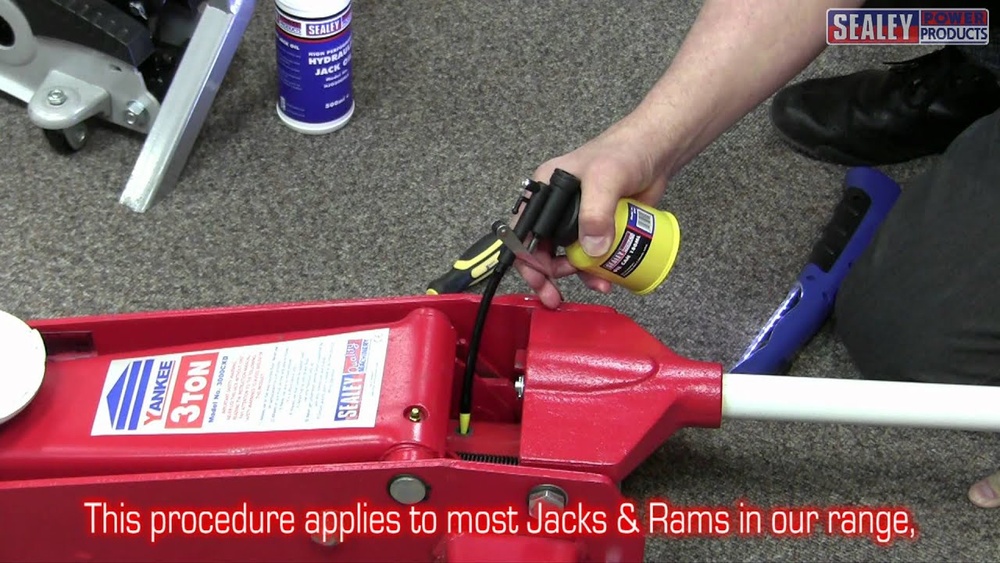
Open the reservoir cap carefully. Use a clean funnel to avoid spills. Pour the new hydraulic fluid slowly. Fill until the fluid reaches the level mark inside. Take your time to prevent air bubbles from forming.
Avoid Overfilling
Do not fill above the maximum level. Overfilling can cause leaks and reduce jack performance. After filling, replace the reservoir cap tightly. Check for any fluid leaks before using the jack again.
Bleed The Hydraulic System
Bleeding the hydraulic system is a key step in filling the hydraulics of a floor jack. This process removes trapped air inside the system. Air can cause the jack to perform poorly or feel spongy. Proper bleeding ensures smooth operation and better lifting power.
Open Release Valve
Start by turning the release valve counterclockwise. This opens the valve and allows air to escape. Keep the valve open during the bleeding process to let trapped air move out. Do not force it; gentle turns work best.
Pump The Jack Slowly
Next, pump the jack handle slowly up and down. This pushes fluid through the system and helps air bubbles rise. Pumping slowly avoids creating new air pockets. Continue pumping until the jack feels firm and steady.
Close Valve After Air Removal
Once the air is out, close the release valve by turning it clockwise. Make sure it is tight to prevent leaks. Check the jack’s performance after closing the valve. It should lift smoothly without any spongy feeling.

Credit: www.wikihow.com
Test The Jack Operation
After filling the hydraulics in your floor jack, testing its operation is important. This step ensures the jack works safely and properly. Testing helps find any issues early. It also confirms the jack lifts smoothly and holds weight.
Check For Smooth Lifting
Start by pumping the jack handle slowly. Watch how the jack lifts the arm. It should move up without jerks or stops. A smooth lift means the hydraulic fluid is working well. If the jack feels stiff or uneven, there may be air in the system. Pump the handle several times to remove air bubbles. Repeat until the lifting feels steady and smooth.
Inspect For Leaks
Look closely at all hydraulic connections and seals. Check under the jack and around the cylinder. Any wet spots or drops mean a leak. Leaks lower hydraulic pressure and reduce jack power. Tighten loose parts and replace damaged seals if needed. Keep testing until no fluid leaks appear. A dry jack means the hydraulic system is sealed properly.
Routine Maintenance Tips
Routine maintenance keeps your floor jack working smoothly. It helps avoid damage and costly repairs. Simple steps can extend the life of your jack. Focus on regular fluid checks and proper storage.
Regular Fluid Checks
Check the hydraulic fluid level often. Low fluid can cause poor performance. Use the right type of hydraulic fluid for your jack. Clean the area around the fill plug before opening it. Add fluid slowly to avoid spills. Wipe off any excess fluid after filling. Look for leaks or cracks during each check. Replace old fluid every year or as needed.
Storage Recommendations
Store the floor jack in a dry place. Moisture can cause rust and damage seals. Keep it on a flat surface to prevent oil leaks. Lower the jack fully before storing it. Cover it to protect from dust and dirt. Avoid storing in extreme temperatures. Check the jack regularly even when not in use.

Credit: www.youtube.com
Frequently Asked Questions
How Do I Know When To Fill Hydraulics In A Floor Jack?
You should fill hydraulics when lifting feels weak or slow. Check for leaks or low fluid levels. Regular inspection ensures optimal jack performance and safety.
What Type Of Hydraulic Fluid Is Best For Floor Jacks?
Use manufacturer-recommended hydraulic oil or jack fluid only. Avoid brake fluid or engine oil. Proper fluid prevents damage and maintains smooth jack operation.
Can I Fill A Floor Jack With Household Oils?
No, household oils are unsuitable and can damage seals. Always use specific hydraulic fluid. Incorrect fluids reduce efficiency and may cause leaks or failure.
How Do I Safely Fill The Hydraulic Fluid In A Floor Jack?
Lower the jack completely, clean the fill port, and open it. Pour fluid slowly to avoid air bubbles. Close the port tightly and test the jack after filling.
Conclusion
Filling the hydraulics in a floor jack keeps it working well. Use the right fluid and follow safety steps. Check for leaks and air bubbles often. Keep your jack clean and stored properly. Regular care helps avoid problems later on.
This simple task saves time and money. Stay safe and keep your tools ready. Easy maintenance means your floor jack lasts longer. You can do this yourself with a little patience. Now, your floor jack will lift smoothly every time.