If you want to boost your home security, installing a deadbolt lock is one of the best steps you can take. But to make sure your deadbolt fits perfectly and works smoothly, you need to drill a precise strike hole.
This can seem tricky if you’ve never done it before, but don’t worry—you’re about to learn a simple, step-by-step way to get it right the first time. Keep reading, and you’ll gain the confidence to tackle this task like a pro, saving time and avoiding costly mistakes.
Your home’s safety depends on it!

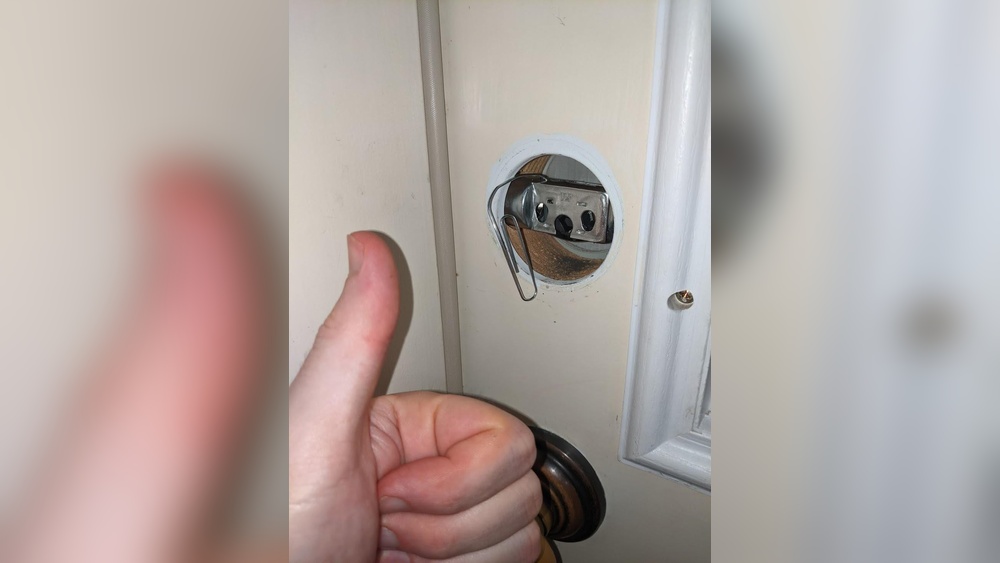
Credit: www.reddit.com
Tools And Materials Needed
Before drilling a strike hole for a deadbolt lock, gather all necessary tools and materials. Having the right items makes the task easier and safer. It helps to work with confidence and accuracy.
Essential Tools
- Power drill with a variable speed setting
- Hole saw or spade bit sized for the strike plate
- Chisel for cleaning edges and shaping the hole
- Hammer to use with the chisel
- Measuring tape for precise marking
- Pencil or marker to outline the hole
- Safety glasses to protect your eyes
- Work gloves for hand protection
Recommended Materials
- Strike plate matching your deadbolt lock model
- Wood filler to fix any mistakes or gaps
- Sandpaper to smooth rough edges after drilling
- Wood screws to secure the strike plate firmly
- Masking tape to mark drilling points clearly
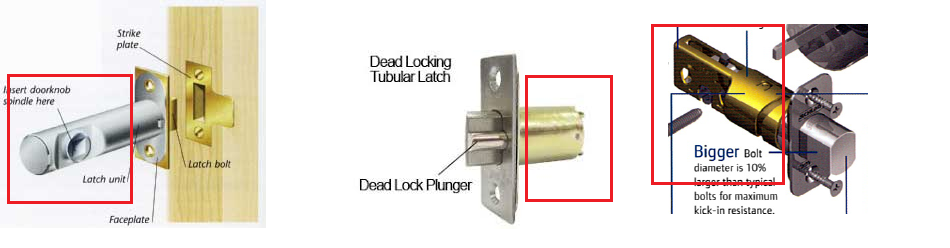
Credit: diy.stackexchange.com
Preparing The Door Frame
Preparing the door frame is a key step before drilling a strike hole for a deadbolt lock. Proper preparation ensures the lock fits perfectly and works smoothly. Take time to measure and mark carefully. This will help avoid mistakes and extra work.
Marking The Strike Plate Location
Start by closing the door gently. Check where the deadbolt bolt touches the frame. Use a pencil to mark this spot clearly. This mark shows where the strike plate will go. Make sure the mark is visible and accurate. It guides the drilling and cutting process.
Measuring And Aligning
Use a tape measure to check the distance from the floor to the mark. This distance should match the deadbolt’s bolt height. Also, measure the width and depth for the strike plate. Align your marks so the plate fits flush with the frame. Double-check measurements before drilling. Accurate alignment prevents issues with locking and unlocking later.
Choosing The Right Drill Bit
Choosing the right drill bit is important for drilling a strike hole for a deadbolt lock. The right bit makes the job easier and keeps the door safe from damage. Using the wrong bit can cause rough holes or break the door material. Understanding the types and sizes of drill bits helps you pick the best one for your project.
Types Of Drill Bits
Several drill bits work well for strike holes. A spade bit creates large, flat holes quickly. It is good for wood doors. For metal doors, a cobalt or titanium bit works better. Hole saw bits cut clean, round holes perfect for deadbolts. Choose the type based on your door’s material.
Selecting The Correct Size
The size of the drill bit must match the strike plate and lock dimensions. Measure the strike plate hole diameter carefully. Use a drill bit that is just slightly larger than the hole size needed. Too large a bit weakens the door frame. Too small a bit makes the strike plate not fit properly.

Credit: www.youtube.com
Drilling The Strike Hole
Drilling the strike hole is a key step when installing a deadbolt lock. This hole allows the deadbolt to fit securely into the door frame. Precision and care are important to ensure the lock works smoothly and provides good security.
Setting Up The Drill
Start by marking the exact spot for the strike hole on the door frame. Use a pencil and the strike plate as a guide. Choose a drill bit that matches the size of the deadbolt. Attach the bit firmly to the drill. Make sure the drill is set to the right speed for wood or metal.
Drilling Techniques
Hold the drill steady and straight to avoid angled holes. Begin drilling slowly to keep control. Apply light pressure and let the drill do the work. Drill through the door frame carefully. Check the depth often to avoid drilling too far.
Safety Tips
Wear safety goggles to protect your eyes from dust and debris. Use ear protection if the drill is loud. Keep your hands away from the drill bit. Work in a well-lit area to see clearly. Clear the workspace of any obstacles before starting.
Chiseling For A Perfect Fit
Chiseling for a perfect fit is a key step in installing a deadbolt lock. It makes sure the strike plate sits flush with the door frame. This step helps the lock work smoothly and keeps your door secure. Taking time to chisel carefully prevents problems later.
Removing Excess Wood
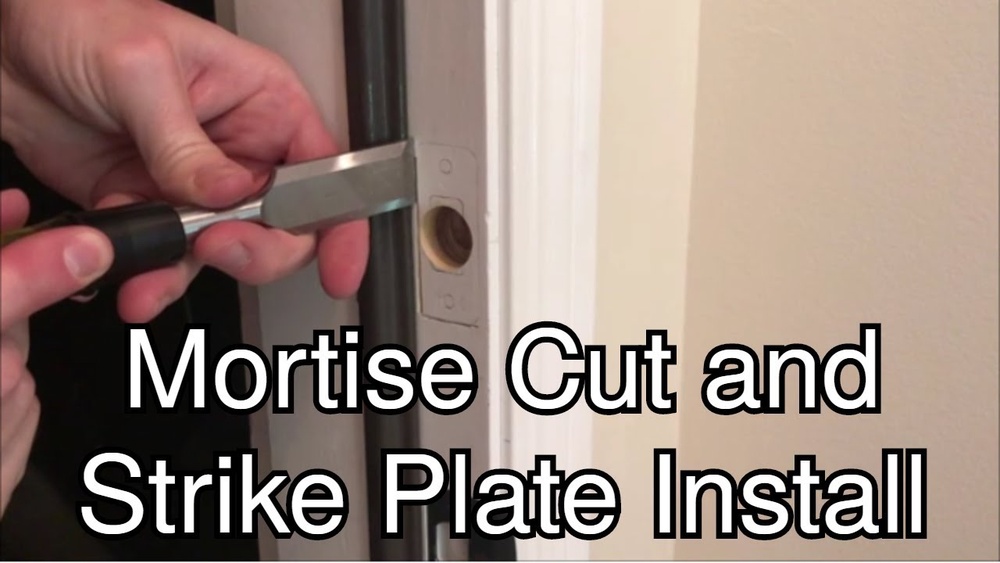
Start by marking the area to chisel around the strike hole. Use a sharp chisel and a hammer. Tap gently to remove thin layers of wood. Work slowly and check often. Remove only the wood that sticks out. This avoids making the hole too big.
Smoothing The Edges
After removing excess wood, smooth the edges inside the hole. Use the chisel to clean rough spots. Sandpaper can help make the surface even. Smooth edges let the strike plate sit tightly. This prevents the lock from sticking or shifting.
Installing The Strike Plate
Installing the strike plate is a key step in securing your deadbolt lock. The strike plate holds the bolt firmly in place when locked. Proper installation ensures strong door security and smooth lock operation. Follow these steps to position and secure the strike plate correctly.
Positioning The Plate
Place the strike plate on the door frame where the bolt hits. Align it with the hole you drilled for the strike. Make sure the plate sits flush against the frame. Check that the bolt slides easily into the strike hole. Adjust the plate slightly if the bolt does not fit well.
Securing With Screws
Use screws that come with the strike plate or stronger ones if possible. Insert screws into the holes of the plate and tighten them firmly. Avoid overtightening to prevent wood damage. Secure screws deep into the frame for better strength. Test the lock to confirm the bolt fits and locks smoothly.
Testing The Deadbolt
Testing the deadbolt is a key step after drilling the strike hole. It ensures the lock works well and secures your door properly. A smooth operation means your deadbolt fits perfectly. Any issues can make the lock hard to use or less safe.
Ensuring Smooth Operation
First, insert the deadbolt into the strike plate. Turn the key or thumb turn slowly. Check if the bolt slides in and out easily. The bolt should not stick or feel tight. Open and close the door to test the lock’s movement. Listen for any rubbing sounds. Smooth action means the hole is drilled correctly.
Adjustments If Needed
If the bolt does not move freely, adjustments are necessary. Check the strike plate alignment with the bolt. Use a file to widen the hole slightly if it is too tight. Loosen screws and shift the plate if it does not line up. Test again after each change. Repeat until the deadbolt works without force.
Common Mistakes To Avoid
Drilling a strike hole for a deadbolt lock is a task that needs care. Mistakes can make the lock weak or cause damage. Avoiding common errors saves time and ensures a strong lock fit. Focus on precision and the right tools for a smooth job.
Incorrect Measurements
Measuring wrong places leads to holes that do not line up. Use a tape measure and mark spots clearly. Double-check marks before drilling. Accurate measurement ensures the deadbolt works smoothly.
Using The Wrong Drill Bit
Drill bits come in many sizes and types. Using a bit too big or too small causes poor fitting holes. Use a drill bit made for metal or wood, depending on your door. Follow the deadbolt instructions for the right size.
Drilling Too Fast
Drilling too fast overheats the drill bit and damages the door. Use a steady speed and firm pressure. Slow and steady creates a cleaner hole and protects your tools.
Not Checking Door Thickness
Doors have different thicknesses. Drilling a hole too deep or too shallow causes issues. Know your door’s thickness before starting. This helps drill the hole just right for the deadbolt.
Ignoring Safety Precautions
Skipping safety gear leads to accidents. Always wear safety glasses and gloves. Secure the door so it does not move while drilling. Safety keeps you free from injury and damage.
Frequently Asked Questions
How Do You Mark A Strike Hole For A Deadbolt?
Mark the strike hole by aligning the deadbolt with the door frame. Use a pencil to trace the outline where the bolt meets the frame. This ensures accurate placement before drilling, preventing misalignment and ensuring the deadbolt fits securely.
What Size Drill Bit Is Needed For A Strike Hole?
Typically, a 1-inch hole saw drill bit is used for the strike hole. The size matches the strike plate and deadbolt bolt diameter, providing a snug fit for secure locking without damaging the door frame.
How Deep Should The Strike Hole Be Drilled?
Drill the strike hole about 1 inch deep, matching the deadbolt bolt length. This depth allows the bolt to fully extend into the frame, securing the door firmly when locked.
Can I Drill A Strike Hole Without A Hole Saw?
Yes, you can drill a strike hole using a spade bit or Forstner bit of the correct size. However, a hole saw is preferred for cleaner, more precise cuts suitable for deadbolt strikes.
Conclusion
Drilling a strike hole for a deadbolt lock is simple with the right steps. Take your time and measure carefully before you drill. Use the correct tools to avoid mistakes. A well-drilled hole helps your lock fit perfectly and work smoothly.
This small task improves your door’s security and gives peace of mind. Practice patience, and you will get good results. Now, you can feel confident installing your deadbolt lock safely and correctly.