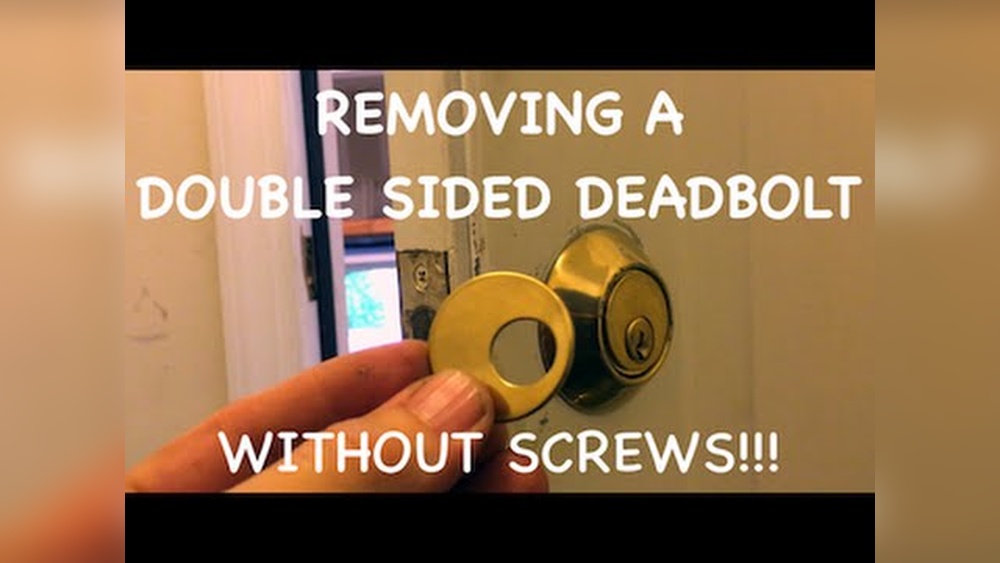
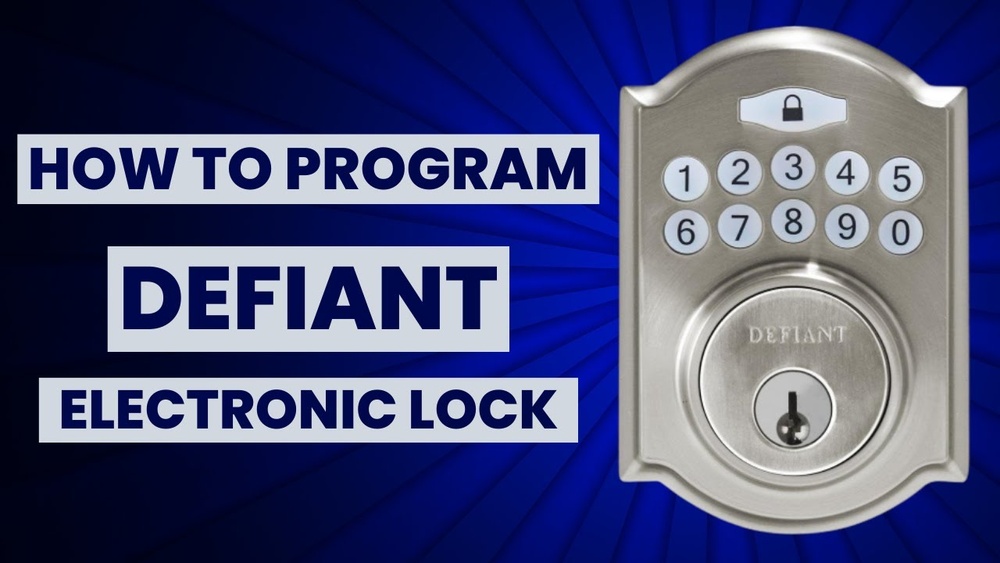
If you’ve ever needed to replace or repair your deadbolt, you know that removing the faceplate can be tricky. But don’t worry—removing your deadbolt faceplate doesn’t have to be a frustrating task.
You’ll discover simple, step-by-step instructions that make the process quick and easy. Whether you’re fixing a stuck lock or upgrading your security, understanding how to remove the faceplate is the first essential step. Keep reading, and you’ll have your deadbolt ready for whatever comes next in no time.
Credit: www.doorclosersusa.com
Tools Needed
Basic tools like a screwdriver and a utility knife make removing a deadbolt faceplate easier. A tape measure helps check sizes for replacements. Safety gloves protect your hands during the process.
Removing a deadbolt faceplate requires a few simple tools. Having these ready makes the job easier and faster.
Most tools are common and easy to find at home or at a hardware store.
Screwdriver
A screwdriver is essential to remove screws holding the faceplate. Usually, a flathead or Phillips screwdriver works well. Check the screws on your deadbolt to choose the right type.
Utility Knife
A utility knife helps cut away any paint or sealant around the faceplate edges. This step prevents damage to the door during removal.
Pliers
Pliers can grip and pull out stubborn screws or nails. They also help in adjusting parts if needed.
Putty Knife
A putty knife slides under the faceplate to loosen it gently. It avoids scratching or damaging the door surface.
Flashlight
A flashlight improves visibility inside the lock area. It helps spot screws and other small parts clearly.
Locate The Deadbolt Faceplate
Finding the deadbolt faceplate is the first step in removing it. The faceplate is a metal piece on the edge of the door. It covers the part where the deadbolt slides in and out.
Knowing where to look helps you remove the faceplate safely. It also prevents damage to the door. This step is simple but important.
Check The Door Edge
Look at the side of the door where it closes against the frame. The faceplate is there, around the deadbolt bolt. It usually shines as a metal plate.
Identify The Shape And Size
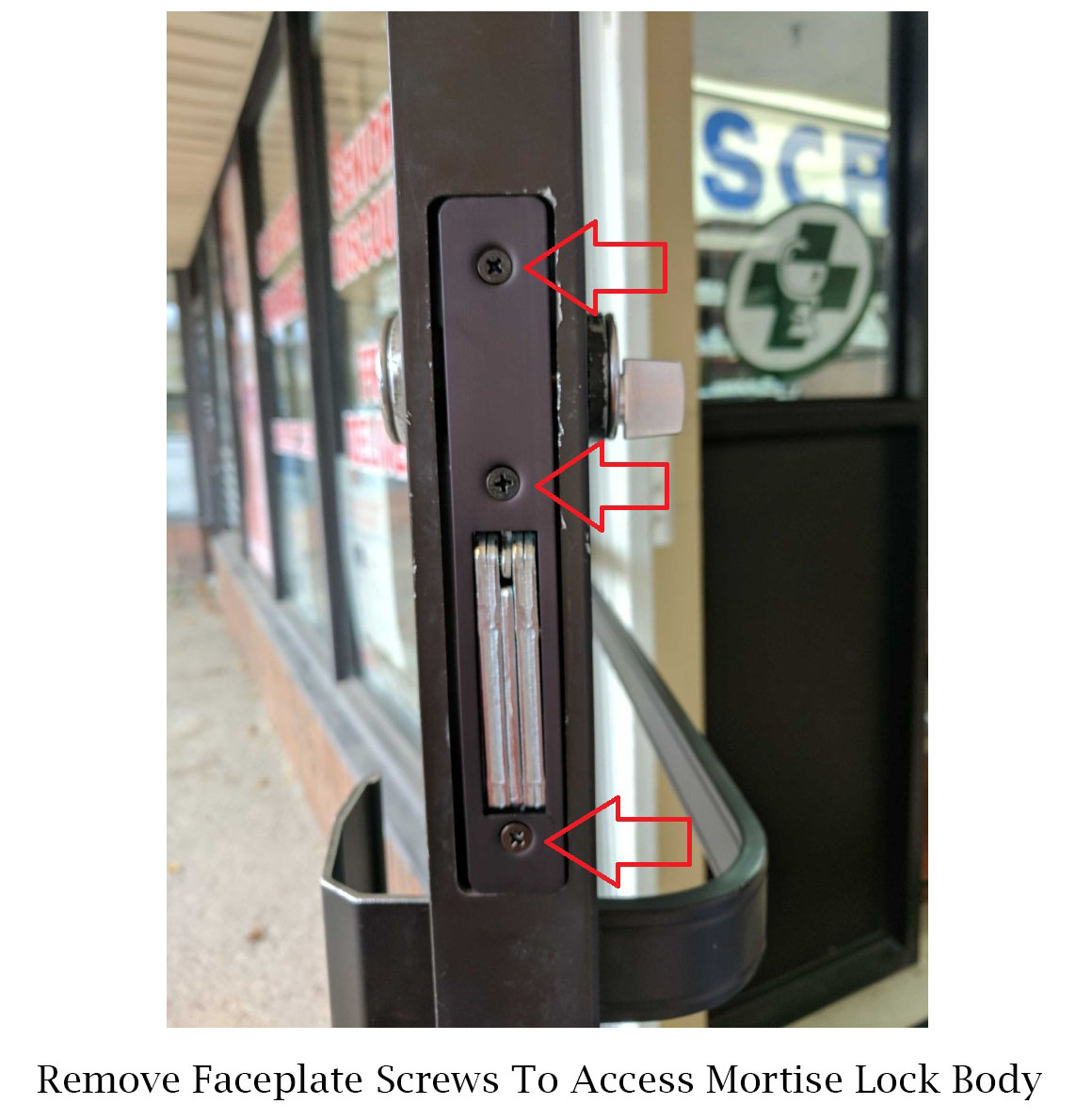
The faceplate is rectangular. It fits around the bolt. The size varies but is easy to spot. It usually has two screws holding it in place.
Notice The Screw Placement
Two screws keep the faceplate attached. They sit at the top and bottom of the plate. These screws will need to be removed to take off the faceplate.
Remove Screws
Removing the screws is the key step to take off the deadbolt faceplate. This part holds the faceplate tightly against the door. Without unscrewing it, the faceplate will not come off easily. Be careful and patient during this process.
Use the right screwdriver to avoid stripping the screws. Most deadbolt faceplates use standard Phillips-head screws. Check the type before starting to work.
Locate The Screws On The Faceplate
Look carefully at the deadbolt faceplate. You will find two screws, one at the top and one at the bottom. These screws keep the faceplate fixed in place. Knowing their exact position helps you plan the next step.
Choose The Correct Screwdriver
Pick a screwdriver that fits the screws well. Most deadbolt screws need a Phillips-head screwdriver. Using the wrong size can damage the screws and make removal hard. Hold the screwdriver firmly for better control.
Unscrew The Faceplate Carefully
Turn the screwdriver counterclockwise to loosen each screw. Apply steady pressure. Avoid forcing the screws out quickly. Slow and steady turns prevent damage to the door or screws. Keep the screws safe after removal for reinstallation.
Pry Off The Faceplate
Prying off the deadbolt faceplate is the first step to removing the lock. This part covers the bolt and keeps it secure. Removing it carefully protects the door and lock parts from damage.
Use the right tool and gentle pressure. This makes the job easier and safer. The process needs patience and a soft touch.
Use A Flathead Screwdriver
Pick a flathead screwdriver with a thin tip. It fits well under the edge of the faceplate. Slide the tip gently between the faceplate and the door surface. Avoid forcing the screwdriver too deep.
Apply Gentle Pressure
Push the screwdriver handle slowly upward or sideways. This movement pries the faceplate away from the door. Small, steady pressure helps loosen the faceplate without bending it. Lift the faceplate little by little until it comes off completely.
Clean The Area
Cleaning the area around the deadbolt faceplate is important before removing it. Dirt and dust can block screws and make removal hard. A clean workspace helps you see any problems. Follow these steps to prepare the area.
Remove Debris
Start by clearing dust, dirt, and small debris near the faceplate. Use a soft brush or cloth to wipe the surface gently. Avoid using water as it can cause rust. Removing debris helps screws turn easily and stops damage.
Inspect For Damage
Check the faceplate and surrounding door area for cracks or rust. Look closely at screw holes and edges for wear or breaks. Spotting damage early helps you decide if repair or replacement is needed. Fixing issues now saves trouble later.
Tips For Stubborn Faceplates
Removing a deadbolt faceplate can be tough, especially when it feels stuck. Stubborn faceplates often resist simple tools or methods. Using the right tips can make the job easier and prevent damage. Below are two effective ways to handle a stuck faceplate safely.
Use Lubricant
Apply a small amount of lubricant around the faceplate edges. This helps loosen rust or dirt holding it tight. Let the lubricant sit for a few minutes. Then, try gently prying the faceplate with a flat tool. Repeat if needed until it moves freely.
Heat Application
Warm the faceplate slightly using a hairdryer or heat gun. Heat expands the metal, breaking the bond with paint or rust. Keep the heat source moving to avoid damage. After warming, try removing the faceplate again. The heat often makes stubborn faceplates easier to remove.
Reinstall Or Replace Faceplate
After removing the deadbolt faceplate, the next step is to decide whether to reinstall the old one or replace it. Choosing the right option depends on the condition of the faceplate and your door’s security needs. A good faceplate keeps the deadbolt secure and the door strong.
Reinstalling the faceplate is quick and easy if it looks good and fits well. Replacing it may be better if it is damaged or rusty. The right faceplate improves the lock’s function and protects your home.
How To Reinstall The Faceplate
Start by cleaning the area around the lock hole. Align the faceplate with the door edge. Use a screwdriver to fasten the screws tightly. Check if the faceplate sits flush with the door. Test the deadbolt to ensure smooth movement.
Choosing A New Faceplate
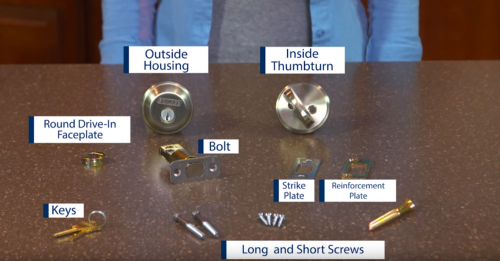
Pick a faceplate that matches your deadbolt size. Steel faceplates offer strong protection. Look for one with long screws for better hold. The finish should match your door’s style. Make sure it fits your door thickness.
Installing The New Faceplate
Place the new faceplate over the lock hole. Mark screw holes with a pencil. Drill pilot holes carefully to avoid wood splitting. Screw the faceplate tightly in place. Test the lock to confirm proper operation.

Credit: www.reddit.com
Credit: www.schlage.com
Frequently Asked Questions
How Do I Safely Remove A Deadbolt Faceplate?
To safely remove a deadbolt faceplate, first unscrew the mounting screws. Use a screwdriver that fits properly to avoid damage. Gently pry the faceplate away from the door frame once screws are removed. Handle parts carefully to prevent scratches or dents.
What Tools Are Needed To Remove Deadbolt Faceplate?
You need a Phillips or flathead screwdriver, depending on the screw type. A pry tool or putty knife can help lift the faceplate gently. Ensure your tools fit well to avoid stripping screws or damaging the door.
Can I Remove Deadbolt Faceplate Without Damaging The Door?
Yes, removing a deadbolt faceplate without damage is possible. Use the correct screwdriver size and avoid forcing parts. Work slowly and carefully to prevent scratches or dents. Always support the door frame while removing the faceplate.
How Long Does It Take To Remove A Deadbolt Faceplate?
Removing a deadbolt faceplate typically takes 5 to 10 minutes. Time depends on screw condition and your experience. Being patient and careful ensures the job is done right without damage.
Conclusion
Removing a deadbolt faceplate is easier than it seems. Follow the steps carefully and take your time. Use the right tools to avoid damage. Safety matters, so work slowly and stay focused. With practice, the process will feel simple and quick.
Now, you can repair or replace your door hardware with confidence. Keep this guide handy for future projects. A small task that makes a big difference in home security.