Are you struggling to get drywall anchors to stay put when mounting shelves, pictures, or other items? You’re not alone.
Pushing drywall anchors into the wall might seem simple, but doing it wrong can lead to frustration and damaged walls. Imagine having a secure hold every time, without the hassle or guesswork. In this guide, you’ll learn the exact steps to push drywall anchors into your wall quickly and securely.
By the end, you’ll feel confident tackling any hanging project with ease. Keep reading to discover how to make your walls strong enough to hold what matters most.

Credit: www.reddit.com
Types Of Drywall Anchors
To push drywall anchors into a wall, having the right tools is important. These tools help you do the job quickly and safely. Using the correct tools also keeps the wall from getting damaged. Here are the basic tools needed for installing drywall anchors.
Drill And Drill Bits
A drill makes it easier to create holes for drywall anchors. Use drill bits that match the anchor size. This ensures a snug fit and strong hold. Drills save time and effort compared to manual methods.
Screwdriver
A screwdriver is needed to push or twist the drywall anchor into the hole. Use a screwdriver with the right head shape. This prevents slipping and damaging the anchor or wall. It also helps secure the screw tightly.
Hammer
A hammer can gently tap the anchor into the wall if needed. Light taps help set the anchor flush with the surface. Avoid hard hits to prevent cracking the drywall or bending the anchor.
Measuring Tape
Measure the exact spot for your anchor using a tape. Accurate placement avoids mistakes and misaligned holes. This tool helps keep everything level and organized on your wall.
Tools Needed For Installation
Preparing the wall is the first step to successfully push drywall anchors into place. This stage helps ensure the anchors hold tightly and your items stay secure. Taking time to prepare the wall correctly avoids damage and gives a neat finish.
Choosing The Right Spot
Select a spot that can support the item’s weight. Avoid areas with cracks or damage. The wall surface should be smooth and clean. This makes drilling easier and anchors fit better.
Marking The Drill Point
Use a pencil to mark the exact point for drilling. Measure twice to be sure the spot is correct. A small mark guides the drill and keeps it steady. This step prevents mistakes and uneven holes.
Checking For Studs
Use a stud finder or knock on the wall to find studs. Anchors work best in drywall without hitting studs. If a stud is behind the spot, use screws directly into it. This provides stronger support for heavy items.
Preparing The Wall
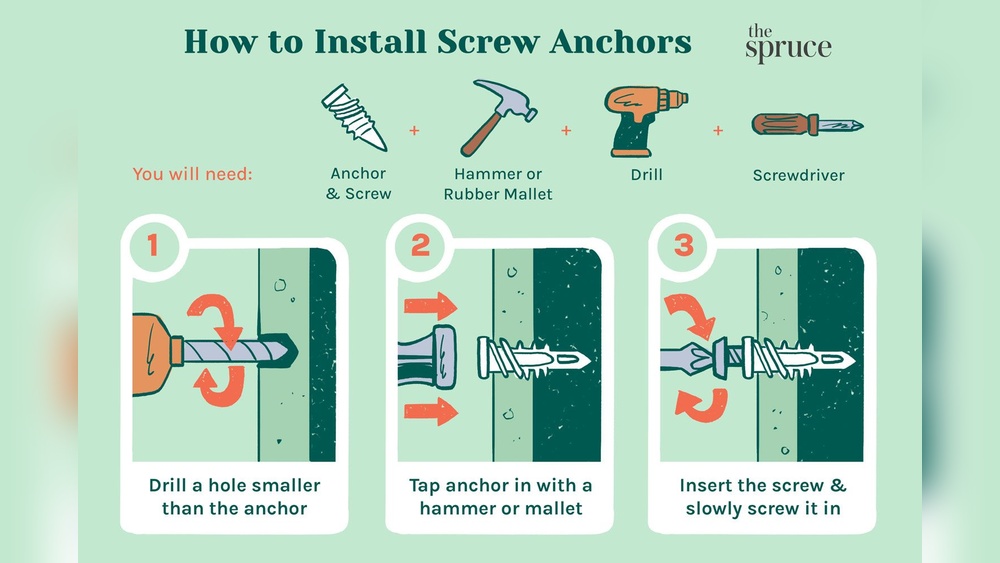
Drilling the hole is a key step to push drywall anchors into the wall properly. It sets the stage for a secure hold. The hole must be the right size and depth. Also, it should be clean of dust and debris. This ensures the anchor fits tightly and stays put.
Selecting Drill Bit Size
Choose a drill bit that matches the anchor size. The hole should be slightly smaller than the anchor’s diameter. This helps the anchor grip the drywall firmly. Too big a hole makes the anchor loose. Too small and the anchor won’t fit.
Drilling At Correct Depth
Drill the hole to match the anchor’s length. Mark the drill bit with tape to control depth. Stop drilling as soon as you reach the mark. A hole too shallow won’t hold the anchor well. Too deep can weaken the wall or cause anchor slip.
Cleaning The Hole
Remove dust and loose pieces from the hole. Use a small brush or blow air into the hole. Dust can stop the anchor from gripping tightly. A clean hole means better anchor hold and stronger wall support.
Drilling The Hole
Inserting the drywall anchor into the wall is a key step for a secure hold. Doing this carefully ensures the anchor works well. Follow simple steps to place it right without damage.
Aligning The Anchor
Start by holding the anchor straight. The anchor should be at a right angle to the wall. This helps it go in smoothly and stay strong. Check the hole and line up the anchor carefully.
Pushing Vs. Tapping
Push the anchor gently at first. If it does not go in, tap it lightly with a hammer. Avoid hard hits. Too much force can break the anchor or wall. Tap slowly until the anchor moves into the wall.
Ensuring Flush Fit
The anchor should sit flush with the wall surface. It should not stick out or be too deep. Use your fingers to feel the anchor’s position. Adjust by pushing or tapping softly. A flush fit holds better and looks neater.
Inserting The Anchor
Securing the drywall anchor properly is key to a strong hold. It keeps the anchor in place and supports the weight on the wall. This step needs care and the right technique to avoid damage or failure.
Using A Screwdriver
Start by placing the anchor into the hole. Use a screwdriver to push the anchor gently. Turn the screwdriver slowly to drive the anchor in straight. Avoid pushing too hard to stop the anchor from bending.
Avoiding Over-tightening
Turn the screwdriver until the anchor feels snug. Do not tighten too much. Over-tightening can break the anchor or ruin the wall. Stop when the anchor no longer moves easily.
Testing Stability
After securing, test the anchor’s hold. Gently wiggle the anchor to check if it stays firm. If it moves, remove and try again. A stable anchor keeps your items safe on the wall.

Credit: www.reddit.com
Securing The Anchor
Installing drywall anchors may seem easy, but many people make mistakes. These mistakes can cause anchors to fail or walls to get damaged. Knowing what to avoid helps you get the best results.
Here are some common mistakes to watch out for when pushing drywall anchors into walls.
Wrong Anchor Type
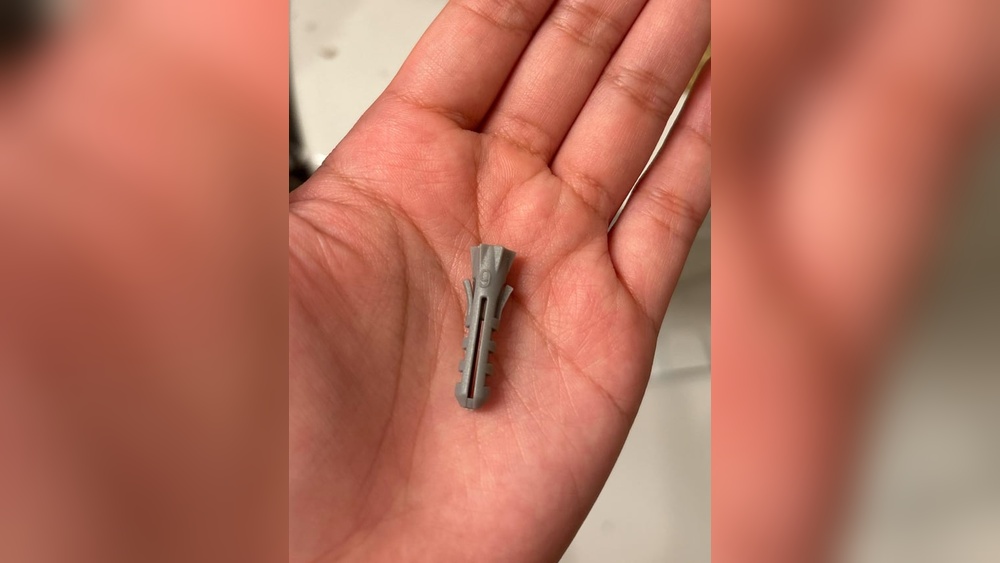
Using the wrong type of anchor weakens the hold. Different anchors work best for different weights and wall types. Plastic anchors suit light items. Metal anchors hold heavier objects. Choose the anchor that fits your task.
Improper Hole Size
Drilling holes that are too big or small causes problems. A large hole makes the anchor loose. A small hole makes it hard to insert the anchor. Measure carefully and use the right drill bit size for a snug fit.
Ignoring Weight Limits
Every anchor has a weight limit. Exceeding this limit risks the anchor pulling out. This can damage your wall and cause accidents. Always check the anchor’s weight rating and stay within safe limits.
Common Mistakes To Avoid
Heavy items need strong support on drywall. Regular anchors may not hold well. Use special methods and anchors to keep heavy things safe on walls. Follow these tips for better support and safety.
Using Toggle Bolts
Toggle bolts have wings that open behind the wall. They spread the load over a large area. This makes them strong for heavy items. Drill a hole, push the toggle bolt through, and tighten it. The wings open inside the wall and hold firmly.
Anchoring Into Studs
Studs are wooden beams behind drywall. They hold much more weight than drywall alone. Use a stud finder to locate them. Screw anchors directly into studs for the best support. This method is very reliable for heavy objects.
Distributing Weight Evenly
Spread the weight across several anchors. Use multiple anchors to reduce pressure on one point. This prevents damage to drywall and keeps items secure. Measure and mark spots carefully to balance the load evenly.

Credit: www.reddit.com
Frequently Asked Questions
What Tools Are Needed To Push Drywall Anchors?
You need a drill or screwdriver, a hammer, and the drywall anchor itself. These tools help insert anchors cleanly and securely. Using the right tools prevents wall damage and ensures a tight fit for hanging items.
How Do You Prepare The Wall For Drywall Anchors?
First, mark the spot where you want the anchor. Then, drill a pilot hole slightly smaller than the anchor size. This makes pushing the anchor easier and avoids cracking the drywall.
Can I Push Drywall Anchors Without Pre-drilling Holes?
Some anchors are self-drilling and don’t need pre-drilling. However, pre-drilling ensures better accuracy and less wall damage. Always check the anchor type and manufacturer instructions before skipping this step.
How Deep Should Drywall Anchors Be Pushed Into The Wall?
Push the anchor flush with the wall surface for best support. Avoid pushing too deep, which weakens hold, or too shallow, which risks pull-out. Proper depth ensures maximum strength and stability.
Conclusion
Pushing drywall anchors into the wall is simple with the right steps. Start by choosing the correct anchor size for your project. Gently tap or push the anchor until it fits snugly in the drywall. Avoid forcing it too hard to prevent damage.
Secure your item by tightening the screw into the anchor. This method ensures a firm hold on the wall. Practice patience and care for the best results. Now, your walls can safely hold shelves, pictures, or decorations. Easy and effective every time.