If your floor feels uneven or you notice sagging in your crawl space, it might be time to jack up your floor trusses. Knowing how to do this properly can save you money and prevent further damage to your home.
You’ll learn simple, step-by-step instructions to safely lift your floor trusses and restore stability. By the end, you’ll have the confidence to tackle this project yourself or know exactly what to look for when hiring a pro. Let’s get started and make your floors strong again!
Preparing The Crawl Space
Preparing the crawl space is the first step to jack up floor trusses safely. This stage sets the foundation for the entire process. Proper preparation ensures a smooth and secure lift. It prevents damage and injury during the job.
Clearing The Area
Remove all items stored in the crawl space. Clear debris, old wood, and trash. This creates enough room to work comfortably. Good lighting helps you see the trusses clearly. Use a flashlight or portable light if needed.
Inspecting Floor Trusses
Check the floor trusses for cracks or damage. Look for signs of rot or insect damage. Note any loose or missing fasteners. Mark weak spots that need extra support. This helps avoid surprises during jacking.
Gathering Tools And Materials
Collect all tools before starting the job. You will need jacks, wooden blocks, and safety gear. Have a level and measuring tape ready. Keep bolts, screws, and replacement wood nearby. Being prepared saves time and trouble.

Credit: oldhousecrazy.com
Choosing The Right Jack
Choosing the right jack is crucial for safely lifting floor trusses in a crawl space. The jack must support the weight and fit in tight spaces. Picking the correct type and capacity makes the job easier and prevents damage. Safety features help protect both the worker and the structure.
Types Of Floor Jacks
There are several types of floor jacks used in crawl spaces. Bottle jacks are compact and strong but need enough height clearance. Screw jacks offer precise height control and are easy to adjust. Hydraulic jacks provide smooth lifting with less effort. Choose a jack that suits your crawl space size and lifting needs.
Weight Capacity Considerations
Check the jack’s weight capacity before buying. The jack must hold the total load of the floor trusses. Overloading a jack can cause failure and accidents. Calculate the weight of the section you want to lift. Pick a jack with a capacity higher than this weight for safety.
Safety Features To Look For
Safety features make lifting safer and more stable. Look for jacks with wide bases to prevent tipping. Some jacks have locking mechanisms to hold the position firmly. Non-slip feet improve grip on uneven crawl space floors. These features reduce risks and help maintain control during lifting.
Setting Up The Jack
Setting up the jack properly is crucial for safely lifting floor trusses in a crawl space. This step ensures the jack holds the weight without slipping or damaging the structure. Careful preparation helps avoid accidents and keeps the job efficient.
Locating Support Points
First, find strong support points under the floor trusses. These points must carry the jack’s pressure safely. Look for solid beams or joists that show no signs of damage. Avoid weak or rotten wood to prevent collapse.
Positioning The Jack Correctly
Place the jack directly under the chosen support point. The jack’s base must sit flat on firm ground or a sturdy board. Align the jack so the lifting pad touches the truss evenly. This prevents slipping during the lift.
Ensuring Stability
Check the jack’s stability before lifting. Use a level to confirm it stands straight. Secure the base with wooden blocks if needed. Test the setup by applying slight pressure to see if it holds steady.

Credit: oldhousecrazy.com
Jacking Up The Floor Trusses
Jacking up floor trusses in a crawl space helps fix sagging floors and improve structure. It requires careful work and the right tools. This process lifts the trusses back to their original level to stop damage and maintain safety.
Start slow and watch every move. Small adjustments prevent extra stress on the wood and joints. Use strong jacks and place them under the right spots for the best support.
Lifting Techniques
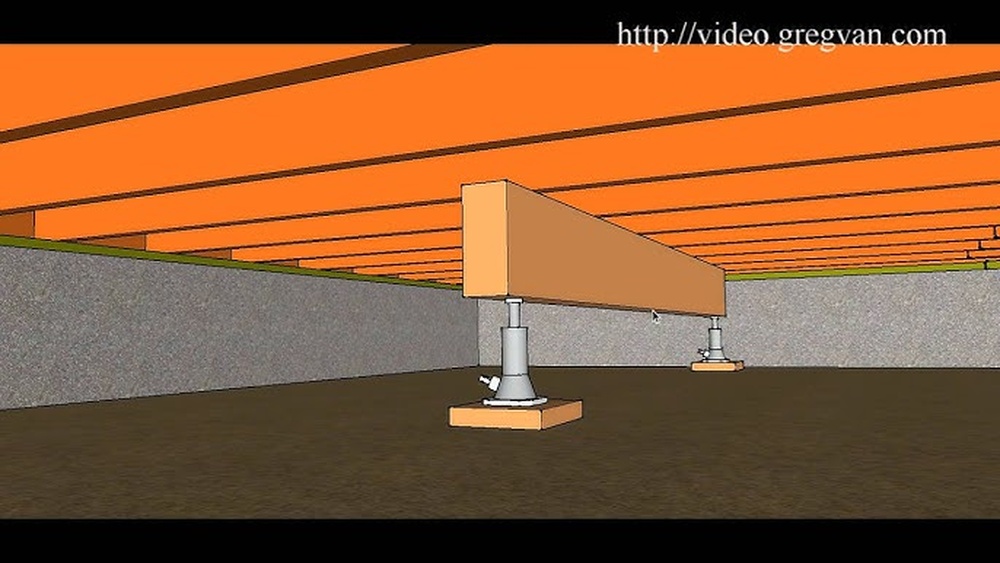
Place hydraulic jacks under the main beams of the trusses. Use wooden blocks to protect the wood from the jack’s metal parts. Lift the trusses slowly, about a quarter inch at a time. Pause and check the truss position before lifting more. Avoid quick or large lifts to prevent cracking or warping.
Monitoring Truss Movement
Use a level or laser tool to track the truss height. Check the movement from different angles. Mark the original position with chalk or tape. Watch for uneven lifting that can cause stress. Stop lifting if the truss shifts too much sideways.
Avoiding Common Mistakes
Do not lift too high at once. Avoid placing jacks on weak or rotten wood. Never jack up unsupported truss ends. Make sure the jacks are stable on firm ground. Avoid rushing; slow and steady keeps the trusses safe and secure.
Securing The Lifted Trusses
Securing the lifted floor trusses is a critical step after jacking them up in a crawl space. This process ensures the trusses stay in place and support the structure safely. Proper securing prevents any movement that could cause damage or safety issues later.
Taking time to secure the trusses correctly protects your home’s foundation. It also makes the rest of the repair work easier and safer. Follow these steps carefully to keep everything stable and level.
Installing Temporary Supports
Place strong, stable supports under the lifted trusses. Use solid wood blocks or metal jacks designed for this task. Position them close to the lifted area to hold the weight firmly.
Check that the supports stand straight and do not wobble. Add more supports if needed to spread the load evenly. Temporary supports prevent the trusses from dropping or shifting.
Checking For Level
Use a level tool to check the trusses’ position after lifting. The trusses must be perfectly horizontal to avoid future problems. Adjust the supports slightly if the trusses tilt or lean.
Recheck the level in multiple spots along the trusses. Ensuring a flat surface helps the floor stay stable over time. This step is crucial for a solid foundation.
Final Safety Checks
Inspect all supports and the trusses for secure placement. Look for any signs of slipping or weak spots. Tighten or replace any supports that seem unstable.
Clear the crawl space of tools and debris to avoid tripping hazards. Make sure the area is safe to work in before continuing repairs. Safety checks protect both you and your home structure.

Credit: www.youtube.com
Post-jacking Maintenance
After jacking up floor trusses in a crawl space, proper maintenance is key. This helps keep your floors stable and safe. Taking care of the area now can prevent bigger problems later.
Inspecting For Damage
Check the trusses and surrounding wood for cracks or splits. Look closely at the jacking points for signs of stress. Any damage found should be repaired quickly. This stops small issues from becoming serious.
Adjusting Floor Level
Use a level tool to check the floor’s evenness. If parts are still uneven, adjust the jacks slightly. Small changes can make a big difference in floor stability. Repeat the check after each adjustment.
Routine Crawl Space Care
Keep the crawl space dry and clean to protect the wood. Remove debris and watch for water leaks or mold. Good ventilation helps reduce moisture and wood decay. Regular checks ensure the trusses stay strong over time.
Safety Precautions
Working in a crawl space to jack up floor trusses requires careful attention to safety. These spaces are tight, dark, and can be risky without the right precautions. Taking steps to protect yourself reduces the chance of injury and makes the job easier.
Protective Gear
Wear sturdy gloves to protect your hands from sharp objects. Use a hard hat to guard your head from low beams. Safety glasses keep dust and debris out of your eyes. Wear knee pads for comfort while crawling. Closed-toe boots with good grip prevent slips and falls.
Working With A Partner
Always have someone nearby when jacking up floor trusses. A partner can help pass tools and watch for dangers. They can also call for help if an accident happens. Never work alone in a crawl space, no matter how small the task.
Emergency Preparedness
Keep a phone close in case of emergencies. Know the quickest way to exit the crawl space. Have a first aid kit within reach. Make sure your partner knows basic first aid skills. Prepare for unexpected situations before starting the work.
Frequently Asked Questions
What Tools Are Needed To Jack Up Floor Trusses Safely?
You need a hydraulic jack, wooden cribbing, a level, and safety gear. These tools ensure controlled lifting and prevent damage to the trusses.
How Do You Prepare A Crawl Space For Jacking Floor Trusses?
Clear debris, inspect for damage, and ensure stable ground. Proper preparation avoids hazards and provides a safe working environment.
How Much Can Floor Trusses Be Safely Jacked Up?
Typically, floor trusses can be lifted up to 1 to 2 inches. Avoid excessive lifting to prevent structural damage.
When Should You Jack Up Floor Trusses In A Crawl Space?
Jack trusses when there’s sagging or uneven floors. Early jacking prevents further structural issues and maintains home safety.
Conclusion
Raising floor trusses in a crawl space helps keep your home safe and stable. Always check the area for damage before starting. Use proper tools to lift the trusses carefully and slowly. Make sure to support the trusses firmly as you work.
Take your time and follow the steps closely. This process can prevent future problems with your floors. With patience and care, you can improve your crawl space’s strength. Your home will feel more solid and secure after the job is done.